For over long years, we have diligently conducted independent research and product testing. When you make a purchase through our links, we may earn a commission.
Unlock the Future of Collectibles with NFT Tokenization

Created: 3 weeks ago
141 min Read
Introduction
The world of collecting has undergone a revolution with the introduction of Non-Fungible Tokens (NFTs). In this blog post, we will explore the rise of NFT tokenization in collectibles and delve into the fascinating realm of digital ownership. NFTs have quickly gained popularity, with enthusiasts and investors alike flocking to this innovative form of digital asset ownership. So, what exactly are NFTs and why are they gaining so much attention? Let's dive in and find out.
What are NFTs?
NFTs, or Non-Fungible Tokens, are unique digital assets that are stored on a blockchain. Unlike cryptocurrencies such as Bitcoin or Ethereum, which are fungible and can be exchanged on a like-for-like basis, NFTs are indivisible and cannot be replicated. Each NFT holds distinct characteristics that set it apart from others, making it irreplaceable and unique. This uniqueness makes NFTs ideal for representing ownership of digital or physical items, such as art, music, videos, collectibles, and even virtual real estate.
Digital Collectibles and NFTs
Traditional collectibles have always held value and appeal to enthusiasts, whether it be rare stamps, coins, or baseball cards. NFTs have brought this concept of collecting into the digital world, allowing users to own and trade unique digital assets. From virtual artwork to virtual sneakers and trading cards, the world of digital collectibles has exploded in recent years.
Advantages of NFTs in Collectibles
The advent of NFTs has opened up a world of opportunities for collectors and artists alike. Let's examine some of the key advantages that NFT tokenization brings to the world of collectibles:
Authenticity and Ownership
NFTs provide a means of proving the authenticity and ownership of digital assets. The blockchain technology underlying NFTs ensures transparency and immutability, giving collectors confidence in the provenance and lineage of their digital possessions.
Fractional Ownership and Royalties
NFTs allow for fractional ownership, meaning that collectors can own a share of a high-value asset that they may not otherwise be able to afford outright. Additionally, artists can build royalties directly into the code of their NFTs, ensuring they continue to receive a portion of the sales whenever their creations are resold.
Global Accessibility and Interoperability
NFTs have removed geographical barriers in the world of collectibles. Anyone with an internet connection can participate in the buying and trading of NFTs, making it a truly global marketplace. Additionally, interoperability between different platforms and marketplaces allows for easy transferability of assets, creating a seamless and efficient ecosystem.
The Future of NFT Tokenization in Collectibles
The popularity of NFTs shows no signs of slowing down. As more artists, athletes, and celebrities embrace the world of NFTs, the possibilities for collectibles are endless. With the integration of augmented reality (AR), virtual reality (VR), and other emerging technologies, the experience of owning and interacting with digital collectibles is only set to become more immersive and engaging.
In conclusion, NFT tokenization has revolutionized the world of collectibles, bringing ownership and authenticity to the digital realm. Whether you're a passionate collector or an artist looking to explore new avenues, NFTs offer an exciting and transformative way to engage with the world of digital assets. Keep an eye on this space as we witness the continued rise of NFTs in collectibles, shaping the future of ownership and creativity. 🚀
Introduction
The world of collecting has undergone a revolution with the introduction of Non-Fungible Tokens (NFTs). In this blog post, we will explore the rise of NFT tokenization in collectibles and delve into the fascinating realm of digital ownership. NFTs have quickly gained popularity, with enthusiasts and investors alike flocking to this innovative form of digital asset ownership. So, what exactly are NFTs and why are they gaining so much attention? Let's dive in and find out.
What are NFTs?
NFTs, or Non-Fungible Tokens, are unique digital assets that are stored on a blockchain. Unlike cryptocurrencies such as Bitcoin or Ethereum, which are fungible and can be exchanged on a like-for-like basis, NFTs are indivisible and cannot be replicated. Each NFT holds distinct characteristics that set it apart from others, making it irreplaceable and unique. This uniqueness makes NFTs ideal for representing ownership of digital or physical items, such as art, music, videos, collectibles, and even virtual real estate.
Digital Collectibles and NFTs
Traditional collectibles have always held value and appeal to enthusiasts, whether it be rare stamps, coins, or baseball cards. NFTs have brought this concept of collecting into the digital world, allowing users to own and trade unique digital assets. From virtual artwork to virtual sneakers and trading cards, the world of digital collectibles has exploded in recent years.
Advantages of NFTs in Collectibles
The advent of NFTs has opened up a world of opportunities for collectors and artists alike. Let's examine some of the key advantages that NFT tokenization brings to the world of collectibles:
Authenticity and Ownership
NFTs provide a means of proving the authenticity and ownership of digital assets. The blockchain technology underlying NFTs ensures transparency and immutability, giving collectors confidence in the provenance and lineage of their digital possessions.
Fractional Ownership and Royalties
NFTs allow for fractional ownership, meaning that collectors can own a share of a high-value asset that they may not otherwise be able to afford outright. Additionally, artists can build royalties directly into the code of their NFTs, ensuring they continue to receive a portion of the sales whenever their creations are resold.
Global Accessibility and Interoperability
NFTs have removed geographical barriers in the world of collectibles. Anyone with an internet connection can participate in the buying and trading of NFTs, making it a truly global marketplace. Additionally, interoperability between different platforms and marketplaces allows for easy transferability of assets, creating a seamless and efficient ecosystem.
The Future of NFT Tokenization in Collectibles
The popularity of NFTs shows no signs of slowing down. As more artists, athletes, and celebrities embrace the world of NFTs, the possibilities for collectibles are endless. With the integration of augmented reality (AR), virtual reality (VR), and other emerging technologies, the experience of owning and interacting with digital collectibles is only set to become more immersive and engaging.
In conclusion, NFT tokenization has revolutionized the world of collectibles, bringing ownership and authenticity to the digital realm. Whether you're a seasoned collector or new to the world of collectibles, exploring the world of NFTs is an exciting journey that holds tremendous potential. So, get ready to dive into the world of NFTs and unlock a whole new dimension of digital ownership.
NFT tokenization offers a multitude of benefits for collectibles enthusiasts. Let's dive into some of the advantages that this innovative technology brings to the world of digital ownership.
Authenticity and Provenance - One of the key benefits of NFT tokenization is the ability to provide authenticity and provenance to digital collectibles. Each NFT token holds a unique identifier that can be traced back to its original creator. This transparency ensures that collectors can verify the authenticity and ownership of their digital assets, creating a sense of trust and confidence in the market.
Ownership and Control - NFT tokenization allows collectors to have full ownership and control over their digital collectibles. Unlike traditional collectibles that may require physical storage or maintenance, NFTs reside securely on the blockchain. This means that collectors can access and manage their assets anytime, anywhere, without the risk of loss or damage.
Fractional Ownership - NFT tokenization opens up the concept of fractional ownership in the world of collectibles. Through the use of smart contracts, collectors can divide the ownership of a high-value asset into smaller shares. This enables individuals to invest in and own a portion of a rare and valuable item that they may not be able to afford in its entirety. Fractional ownership democratizes access to exclusive collectibles, making it more inclusive and accessible to a wider audience.
Easy Transferability - NFT tokens are easily transferable between parties. This seamless transferability is facilitated by the blockchain technology that underlies NFTs. Collectors can easily buy, sell, or trade their digital assets on various marketplaces, creating a liquid and dynamic ecosystem for collectibles. This ease of transferability opens up new avenues for collectors to expand their collections and interact with other enthusiasts worldwide.
Leveraging Digital Interactivity - NFT tokenization enables the integration of digital interactivity into collectibles. With the use of NFT technology, artists and creators can imbue their digital assets with unique features, such as interactive elements, animations, or virtual reality experiences. This elevates the collectible experience to a new level, creating immersive and engaging interactions for collectors.
In summary, NFT tokenization offers a range of benefits for collectors in the world of digital collectibles. From providing authenticity and provenance to enabling fractional ownership and easy transferability, NFTs have transformed the way we perceive and interact with collectibles. As this technology continues to evolve, the possibilities for ownership, creativity, and innovation in the collectibles market are limitless.
Introduction
The collectibles market is undergoing a revolutionary transformation with the advent of NFTs. These unique digital assets, represented as non-fungible tokens, have captured the attention of collectors, artists, and investors worldwide. In this blog post, we will explore how NFTs are revolutionizing the collectibles market and the opportunities they bring. Let's delve into the world of NFT tokens and their impact on the world of collectibles.
What are NFT Tokens?
NFT tokens, or non-fungible tokens, are unique digital assets that represent ownership of a specific item or piece of content. Unlike cryptocurrencies such as Bitcoin or Ethereum, which are fungible and can be exchanged on a like-for-like basis, NFT tokens are indivisible and hold distinct characteristics that set them apart from others. This uniqueness makes NFT tokens ideal for representing ownership of digital or physical items, including art, music, videos, and collectibles.
The Rise of NFT Collectibles
With the rise of NFT tokens, the collectibles market has experienced a digital revolution. Traditional collectors have now embraced the concept of owning and trading unique digital assets. From digital artwork and virtual sneakers to trading cards and virtual real estate, the world of digital collectibles has exploded in popularity.
Benefits of NFT Tokenization in Collectibles
NFT tokenization brings several benefits to the collectibles market, including:
Authenticity and Ownership
NFT tokens provide a secure and transparent way to prove the authenticity and ownership of digital assets. The blockchain technology underlying NFTs ensures that each token is unique, tamper-proof, and can be traced back to its original creator.
Value Preservation and Royalties
NFT tokens allow creators to retain ownership rights and earn royalties whenever their digital assets are resold. This ensures that artists and content creators can benefit from the increasing value of their creations, even after the initial sale.
Global Accessibility and Interoperability
NFT tokens enable collectors from around the world to participate in the buying, selling, and trading of digital collectibles. The decentralized nature of blockchain technology ensures that NFT tokens can be easily transferred between different platforms and marketplaces, promoting global accessibility and interoperability.
The Future of NFT Tokens in Collectibles
The future of NFT tokens in the collectibles market looks promising. As the technology continues to evolve and gain mainstream adoption, we can expect to see more innovative use cases and collaborations between artists, brands, and collectors. Additionally, the integration of augmented reality (AR), virtual reality (VR), and other emerging technologies will enhance the immersive experience of owning and interacting with digital collectibles.
In conclusion, NFT tokenization has revolutionized the collectibles market, bringing new opportunities for ownership, value preservation, and global accessibility. Whether you're a collector, artist, or investor, NFT tokens offer a unique and exciting way to participate in the ever-evolving world of digital collectibles.
In addition to artworks and digital assets, there are numerous other types of collectibles that can be tokenized as NFTs. Tokenizing items such as sports memorabilia and rare trading cards opens up a whole new realm of possibilities for collectors. By transforming these physical objects into digital representations on the blockchain, the world of collectibles becomes more accessible and secure. Let's take a closer look at some of the different types of collectibles that can be tokenized as NFTs.
Sports Memorabilia
Sports memorabilia holds a special place in the hearts of many fans. Imagine being able to own a digital representation of your favorite athlete's jersey, signed equipment, or even moments from a historic game. With NFTs, collectors can now own a piece of sports history. These digital assets can be bought, sold, and traded on various platforms, providing a new level of value and authenticity to sports enthusiasts.
Rare Trading Cards
For decades, trading cards have been a popular form of collectibles. From Pokémon to basketball cards, these physical cards hold sentimental and monetary value for collectors. By tokenizing these cards as NFTs, collectors can now own and display their prized cards in the digital realm. This opens up possibilities for enhanced trading, showcasing collections to a global audience, and even integrating these digital cards into online games and experiences.
Rare Coins and Stamps
Historically, rare coins and stamps have been sought after collectibles. These physical items often hold significant historical and cultural value. With NFTs, collectors can now own digital representations of rare coins and stamps. This tokenization allows for easy authentication, fractional ownership, and seamless trading. Furthermore, the digitized versions can be showcased in online galleries or used to create unique digital experiences around these valuable artifacts.
Virtual Real Estate
The concept of virtual real estate is gaining traction in the cryptocurrency and NFT world. Just as physical land holds value, so does virtual land in virtual reality (VR) environments. Tokenizing virtual land as NFTs enables collectors to own and develop their own virtual properties. These properties can be used for various purposes, such as building virtual businesses, hosting events, or simply showcasing digital artwork. The possibilities of virtual real estate are expanding, creating a whole new market for collectors and investors.
In conclusion, the world of collectibles that can be tokenized as NFTs goes beyond just artworks and digital assets. From sports memorabilia to rare trading cards, and even rare coins/stamps and virtual real estate, there is a vast array of collectibles that can be transformed into digital assets. The tokenization of these items brings new levels of accessibility, authenticity, and value to the world of collecting. As the NFT space continues to evolve, it will be exciting to see what other types of collectibles can be tokenized and added to this ever-growing digital marketplace.
The Role of Blockchain Technology in NFT Tokenization
Blockchain technology plays a pivotal role in the creation and functioning of NFT tokens. It provides the necessary infrastructure for secure and transparent ownership of digital assets.
🔥NFT tokenization, powered by blockchain, ensures the uniqueness and authenticity of digital assets. Each NFT token is assigned a distinct and non-replicable identity, making it impossible to counterfeit or duplicate. This feature is essential for the value and integrity of collectibles in the digital space.
🌐Additionally, blockchain enables global accessibility to NFTs. The decentralized nature of blockchain allows anyone from anywhere in the world to participate in the ownership, trading, and exchange of NFTs. This global reach has democratized the collectibles market, giving artists and collectors unprecedented opportunities to showcase and monetize their creations.
💡Another key aspect of blockchain technology in NFT tokenization is transparency. Every transaction and ownership transfer is recorded on the blockchain, providing an immutable and verifiable history of an asset's ownership. This transparency builds trust and eliminates fraud, boosting confidence in the NFT market.
🔒Blockchain also ensures the security of NFT tokens. The decentralized and cryptographic nature of blockchain makes it nearly impossible for hackers to tamper with or alter the ownership records of NFT tokens. This robust security infrastructure instills confidence in collectors and investors, making NFTs a safe and reliable digital asset.
🤝Interoperability is another important feature enabled by blockchain in NFT tokenization. Blockchain allows for seamless integration and interaction between different platforms and marketplaces. This means that NFT tokens can move effortlessly between different ecosystems, increasing their liquidity and value.
Looking ahead, blockchain technology will continue to drive innovation and growth in the NFT space. As more industries and creators embrace NFT tokenization, we can expect to see further advancements in scalability, interoperability, and integration with emerging technologies such as augmented reality and virtual reality.
In conclusion, blockchain technology serves as the foundation for the creation, authentication, and secure ownership of NFT tokens. Its decentralized, transparent, and secure nature ensures the integrity of digital collectibles, making NFTs a promising and vibrant market for artists, collectors, and enthusiasts alike.
Introduction
Welcome to a new era of digital art collecting! With the rise of NFTs and their tokenization, the art world has experienced a dramatic transformation. In this blog post, we will explore the concept of NFT tokenization and its impact on the future of digital art collection. So, grab your favorite beverage and get ready to dive into the exciting world of NFT tokens!
Understanding NFT Tokenization
NFTs, also known as Non-Fungible Tokens, are unique digital assets built on blockchain technology. Each NFT is one-of-a-kind and cannot be replicated or exchanged on a like-for-like basis. This means that NFT tokens represent individual ownership of a specific digital item, whether it be a piece of artwork, music, or even virtual real estate.
The Power of NFT Tokens in Digital Art Collection
NFT tokenization has brought several significant advantages to the world of digital art collecting. Let's take a closer look at how NFT tokens are revolutionizing the art industry:
Proof of Ownership and Authenticity
One of the key benefits of NFT tokenization is the ability to prove ownership and authenticate digital art. The blockchain technology behind NFTs provides a transparent and immutable record of ownership, eliminating the need for intermediaries. This ensures that artists and collectors can have confidence in the originality and provenance of their digital creations.
Unique Digital Assets
NFT tokens enable artists to create and sell unique digital assets. Each NFT represents a specific piece of art, making it distinct and valuable in its own right. Unlike physical artworks, digital art can be easily reproduced and shared. However, NFT tokenization adds scarcity and exclusivity to digital creations, making them more desirable to collectors.
Royalties for Artists
Traditionally, artists have struggled to earn ongoing royalties from the resale of their physical artwork. However, NFT tokenization has changed the game. Artists can now embed smart contracts into their NFTs, ensuring that they receive royalties every time their artwork is resold on the secondary market. This provides artists with a new stream of income and recognition for their creations.
Global Accessibility and Interoperability
NFT tokenization has made the art market more accessible to a global audience. Anyone with an internet connection can participate in buying and trading digital art NFTs, irrespective of their geographical location. Moreover, NFT tokens can be easily transferred between different blockchain platforms and marketplaces, ensuring seamless interoperability and liquidity.
The Future of NFT Tokenization in Digital Art Collection
The future of NFT tokens in the world of digital art collection is incredibly promising. As more artists and collectors embrace this innovative technology, we can expect to see further advancements and exciting developments. The integration of augmented reality (AR), virtual reality (VR), and other immersive technologies will enhance the overall experience of owning and interacting with digital art.
In conclusion, NFT tokenization has revolutionized the way we collect and appreciate digital art. Its ability to provide proof of ownership, create unique digital assets, and empower artists with royalties has opened up a new world of possibilities. As the popularity of NFT tokens continues to grow, we can anticipate an even more vibrant and inclusive art ecosystem. So, jump on board the NFT train and join the digital art revolution! 🎨💻
Challenges and Considerations for NFT Collectors and Investors
While NFTs offer exciting opportunities in the world of digital collectibles, it's important for collectors and investors to be aware of the challenges and considerations that come with this emerging market. Let's explore some key factors to keep in mind when navigating the realm of NFT tokenization.
1. Market Volatility and Speculation
As with any investment, NFTs are subject to market volatility and speculation. The value of NFTs can fluctuate significantly, sometimes experiencing rapid increases or drops in price. It's crucial for collectors and investors to thoroughly research and evaluate the market before making any purchasing decisions.
2. Authenticity and Scams
While NFTs provide a level of authenticity through the use of blockchain technology, there are still risks associated with scams and counterfeit items. It's essential to verify the legitimacy of the platform and seller before purchasing an NFT token. Conducting due diligence and utilizing reputable marketplaces can help minimize the risk of falling victim to fraud.
3. Legal and Intellectual Property Issues
The world of NFTs raises complex legal and intellectual property considerations. Artists and creators must ensure they have the necessary rights and permissions to tokenize and sell their work as an NFT. Likewise, collectors and investors should be mindful of potential copyright infringement when acquiring NFTs representing copyrighted content. Consulting legal professionals experienced in NFT transactions can provide valuable guidance in navigating these legal complexities.
4. Environmental Impact
One of the criticisms surrounding NFTs is their potential environmental impact. The process of minting and trading NFTs often requires significant energy consumption, primarily if the blockchain network used is proof-of-work-based. It's important for collectors and investors to consider the carbon footprint associated with their NFT activities. The emergence of eco-friendly blockchain solutions and the adoption of alternative consensus mechanisms, such as proof-of-stake, aim to address these concerns and minimize environmental harm.
5. Market Saturation and Quality Control
As the popularity of NFTs continues to soar, the market has become saturated with an abundance of offerings. This abundance can make it challenging for collectors and investors to differentiate between high-quality NFTs and those of lesser value. Conducting thorough research, evaluating the reputation of artists and creators, and seeking expert opinions can help ensure the acquisition of valuable and meaningful NFT tokens.
6. Storage and Security
Storing and securing NFT tokens require careful consideration. While blockchain technology provides a level of security, individuals must take additional measures to protect their digital assets. Utilizing secure wallets and implementing robust security protocols, such as two-factor authentication and encryption, can help safeguard NFT token holdings from potential threats.
In conclusion, while NFTs present exciting opportunities for collectors and investors in the realm of digital collectibles, it's essential to navigate this space with caution and consideration. By being aware of the challenges, conducting thorough research, and seeking expert advice, individuals can make informed decisions and maximize their NFT tokenization experience.
Navigating the Legal and Ethical Landscape of NFT Tokenized Collectibles
As the popularity of NFT tokens continues to grow, it is essential to address the legal and ethical implications that arise in the world of NFT tokenized collectibles. While NFTs have brought about exciting opportunities for artists, creators, and collectors, they have also sparked discussions and debates surrounding copyright, intellectual property, and environmental concerns.
Copyright and Intellectual Property
One of the primary legal considerations with NFT tokens lies in the realm of copyright and intellectual property. When an artist creates a digital artwork and tokenizes it as an NFT, they retain the copyright to the underlying work. However, it is crucial to ensure that the artist has the necessary rights to the elements included in the artwork, such as images, music, or video clips. Misunderstanding or disregarding copyright laws can lead to legal disputes and challenges to the ownership and authenticity of the NFT.
To protect both artists and collectors, platforms and marketplaces that host NFT tokenized collectibles often include terms and conditions specifying ownership rights, licensing agreements, and copyright responsibilities. Collectors should be aware of these terms before making a purchase to avoid any legal complications.
Environmental Impact
Another concern that has emerged with the rise of NFT tokenization is the environmental impact of blockchain technology. NFT transactions, particularly those conducted on the Ethereum blockchain, consume a significant amount of energy. This energy consumption has raised questions about the carbon footprint associated with NFT tokenized collectibles and the sustainability of the industry.
However, it is worth noting that various blockchain platforms are actively working on solutions to reduce energy consumption and explore more environmentally friendly alternatives. Some projects are exploring the use of proof-of-stake algorithms instead of proof-of-work, which significantly reduces energy consumption. Additionally, artists and collectors can consider supporting initiatives that aim to offset the carbon emissions generated by their NFT activities.
Ethical Considerations
In addition to the legal and environmental aspects, ethical considerations must also be taken into account in the NFT token space. With NFTs gaining immense popularity, issues such as cultural appropriation, plagiarism, and exploitation have come to the forefront.
Artists and creators must ensure that their works do not infringe on the cultural heritage or intellectual property of others. Collectors should also be mindful of the origins and implications of the NFTs they acquire, supporting artists who actively engage in ethical practices.
Conclusion
As the world of NFT tokenized collectibles continues to evolve, it is crucial to navigate the legal and ethical landscape with care. Understanding copyright laws, considering environmental impact, and embracing ethical practices are key to fostering a sustainable and responsible NFT ecosystem. By doing so, artists, creators, and collectors can confidently participate in the exciting world of NFT tokenization while upholding legal and ethical standards.
NFT tokenization has quickly emerged as a game-changer in the world of collectibles. The unique characteristics of NFTs, combined with their ability to prove authenticity and ownership through blockchain technology, have sparked a global craze for digital assets. Whether you're an artist looking to showcase your work, a collector seeking to expand your portfolio, or an investor exploring new opportunities, embracing the potential of NFT tokenization in collectibles is a decision that holds immense promise.
With the ability to fractionalize ownership, NFTs have made it possible for individuals to own a share of high-value assets that may have otherwise been out of reach. Additionally, the inclusion of royalties in the code of NFTs ensures that artists continue to benefit from the resale of their creations. This opens up new revenue streams and incentivizes artists to create more digital masterpieces.
Moreover, the global accessibility of NFTs has eliminated geographical barriers in the world of collectibles. Anyone with an internet connection can now participate in the buying and trading of NFTs, resulting in a truly global marketplace. Furthermore, the interoperability of NFT platforms and marketplaces allows for seamless asset transferability, enabling collectors to easily navigate the digital ecosystem.
As we look to the future, the potential for NFT tokenization in collectibles is limitless. As technology continues to advance, we can expect to see further integration of augmented reality (AR), virtual reality (VR), and other immersive experiences. This will enhance the interaction and engagement of collectors with their digital assets, creating new possibilities for showcasing and appreciating digital art, virtual fashion, and other forms of digital collectibles.
In conclusion, the rise of NFT tokenization in collectibles offers an innovative and exciting avenue for artists, collectors, and investors alike. The combination of authenticity, ownership, fractionalization, and global accessibility makes NFTs a valuable asset class in the digital age. By embracing the potential of NFT tokenization, you can unlock a world of opportunities and be at the forefront of this transformative movement in the world of collectibles. So, don't miss out on the chance to explore, invest, and create with NFT tokens.
Introduction
The world of collecting has undergone a revolution with the introduction of Non-Fungible Tokens (NFTs). In this blog post, we will explore the rise of NFTs and their impact on the world of collectibles. NFT tokenization has created new opportunities and possibilities for collectors, artists, and enthusiasts alike. So, what exactly are NFTs and why are they making such a splash in the world of collectibles? Let's dive in and find out.
What are NFTs?
NFTs, or Non-Fungible Tokens, are unique digital assets that are stored on a blockchain. Unlike cryptocurrencies such as Bitcoin or Ethereum, which are fungible and can be exchanged on a like-for-like basis, NFTs are indivisible and cannot be replicated. Each NFT holds distinct characteristics that set it apart from others, making it irreplaceable and unique. This uniqueness makes NFTs ideal for representing ownership of digital or physical items, such as art, music, videos, collectibles, and even virtual real estate.
The Rise of NFTs in Collectibles
The popularity of NFTs in the world of collectibles has soared in recent years. Collectors and enthusiasts are increasingly turning to digital assets as a new and exciting way to own and trade unique collectibles. NFT tokenization has opened up a world of possibilities, allowing for the creation and ownership of digital collectibles that were previously unimaginable.
NFTs and Digital Ownership
One of the key aspects of NFTs is their ability to establish and prove digital ownership. With traditional collectibles, it can sometimes be difficult to establish provenance and authenticity. NFTs solve this problem by utilizing blockchain technology, which ensures transparency, immutability, and traceability of ownership. This means that collectors and owners can have confidence in the legitimacy and lineage of their digital assets.
The Unique Characteristics of NFTs
NFTs come with a range of unique characteristics that make them attractive to collectors. These include:
-
Indivisibility: NFTs cannot be divided or broken down into smaller units. Each NFT represents a whole and unique asset.
-
Authenticity: NFTs provide a means of proving the authenticity and ownership of digital assets. The blockchain technology underlying NFTs ensures transparency and immutability, giving collectors confidence in the provenance of their digital possessions.
-
Scarcity: Many NFTs are created in limited editions, meaning that there is a finite supply. This scarcity adds value to the collectible and can drive up demand.
-
Interoperability: NFTs are designed to be compatible with different platforms and marketplaces, allowing for easy transferability of assets. This interoperability creates a seamless and efficient ecosystem for collectors and traders.
The Impact of NFTs on Collectibles
The introduction of NFTs has had a profound impact on the world of collectibles. Here are some of the key ways in which NFT tokenization has transformed the collectibles market:
-
Digitalization: NFTs have brought the concept of collecting into the digital world, allowing for the ownership and trading of unique digital assets. This opens up new possibilities for collectors and expands the definition of what can be considered a valuable collectible.
-
Accessibility: NFTs have made collecting more accessible to a wider audience. Anyone with an internet connection can participate in the buying and trading of NFTs, creating a truly global marketplace.
-
Value Creation: NFTs have created new avenues for artists and creators to monetize their work. By tokenizing their art or music, artists can reach a global audience and generate income from the sale and resale of their creations.
-
Fractional Ownership: NFTs allow for fractional ownership, meaning that collectors can own a share of a high-value asset that they may not otherwise be able to afford outright. This opens up opportunities for diversification and investment in the collectibles market.
The Future of NFT Tokenization in Collectibles
The future of NFT tokenization in collectibles is extremely promising. As more artists, athletes, and celebrities embrace the world of NFTs, we can expect to see even more innovative and valuable digital collectibles being created. The integration of technologies such as augmented reality (AR), virtual reality (VR), and blockchain is set to revolutionize the way we experience and interact with collectibles.
In conclusion, NFT tokenization has caused a significant shift in the world of collectibles, bringing ownership, authenticity, and new possibilities to the digital realm. Whether you're an avid collector, an artist looking to monetize your work, or simply intrigued by the concept of digital ownership, NFTs offer a fascinating and dynamic landscape to explore.
Introduction
The world of collecting has undergone a revolution with the introduction of Non-Fungible Tokens (NFTs). In this blog post, we will explore the rise of NFT tokenization in collectibles and delve into the fascinating realm of digital ownership. NFTs have quickly gained popularity, with enthusiasts and investors alike flocking to this innovative form of digital asset ownership. So, what exactly are NFTs and why are they gaining so much attention? Let's dive in and find out.
What are NFTs?
NFTs, or Non-Fungible Tokens, are unique digital assets that are stored on a blockchain. Unlike cryptocurrencies such as Bitcoin or Ethereum, which are fungible and can be exchanged on a like-for-like basis, NFTs are indivisible and cannot be replicated. Each NFT holds distinct characteristics that set it apart from others, making it irreplaceable and unique. This uniqueness makes NFTs ideal for representing ownership of digital or physical items, such as art, music, videos, collectibles, and even virtual real estate.
Digital Collectibles and NFTs
Traditional collectibles have always held value and appeal to enthusiasts, whether it be rare stamps, coins, or baseball cards. NFTs have brought this concept of collecting into the digital world, allowing users to own and trade unique digital assets. From virtual artwork to virtual sneakers and trading cards, the world of digital collectibles has exploded in recent years.
Advantages of NFTs in Collectibles
The advent of NFTs has opened up a world of opportunities for collectors and artists alike. Let's examine some of the key advantages that NFT tokenization brings to the world of collectibles:
Authenticity and Ownership
NFTs provide a means of proving the authenticity and ownership of digital assets. The blockchain technology underlying NFTs ensures transparency and immutability, giving collectors confidence in the provenance and lineage of their digital possessions.
Fractional Ownership and Royalties
NFTs allow for fractional ownership, meaning that collectors can own a share of a high-value asset that they may not otherwise be able to afford outright. Additionally, artists can build royalties directly into the code of their NFTs, ensuring they continue to receive a portion of the sales whenever their creations are resold.
Global Accessibility and Interoperability
NFTs have removed geographical barriers in the world of collectibles. Anyone with an internet connection can participate in the buying and trading of NFTs, making it a truly global marketplace. Additionally, interoperability between different platforms and marketplaces allows for easy transferability of assets, creating a seamless and efficient ecosystem.
The Future of NFT Tokenization in Collectibles
The popularity of NFTs shows no signs of slowing down. As more artists, athletes, and celebrities embrace the world of NFTs, the possibilities for collectibles are endless. With the integration of augmented reality (AR), virtual reality (VR), and other emerging technologies, the experience of owning and interacting with digital collectibles is only set to become more immersive and engaging.
In conclusion, NFT tokenization has revolutionized the world of collectibles, bringing ownership and authenticity to the digital realm. Whether you're a seasoned collector or a newcomer to the world of collectibles, NFTs offer a unique and exciting way to own and trade digital assets. Embrace the world of NFTs and discover a whole new frontier in the realm of collectibles.
NFT tokenization offers numerous benefits for both collectors and artists in the world of digital collectibles. Let's explore some of the advantages that NFT tokens bring to the table.
1. Security and Authenticity
NFT tokens provide a secure and transparent way to prove the authenticity and ownership of digital assets. The blockchain technology used in NFTs ensures that each token is unique and cannot be replicated or tampered with. This gives collectors the confidence that they are acquiring genuine and one-of-a-kind items.
2. Global Reach and Accessibility
One of the key advantages of NFT tokenization is its global reach. With the advent of blockchain technology, collectors from around the world can participate in the buying and selling of NFTs without any geographical barriers. This opens up a vast marketplace and expands the potential audience for artists and collectors alike.
3. Fractional Ownership
NFT tokenization allows for fractional ownership, enabling collectors to own a share of high-value assets that they may not be able to afford in their entirety. This concept of fractionalizing ownership democratizes access to rare and valuable items, making it more inclusive for a wider range of collectors.
4. Smart Contracts and Royalties
Smart contracts play a pivotal role in NFT tokenization. Artists can program these contracts to include royalties, ensuring that they continue to receive a percentage of the sales whenever their creations are resold. This provides ongoing support for artists and incentivizes the creation of valuable and appreciated digital assets.
5. Interoperability between Platforms
NFT tokens are interoperable, meaning they can be bought, sold, and traded across various platforms and marketplaces. This interoperability makes it easy for collectors to access a diverse range of digital assets and for artists to reach a wider audience. It also creates a fluid and efficient ecosystem where tokens can seamlessly move between platforms.
6. Enhanced Engagement and Interactivity
NFT tokens have the potential to elevate the collector's experience by offering enhanced engagement and interactivity. Through the integration of augmented reality (AR) and virtual reality (VR) technologies, collectors can immerse themselves in the digital assets they own, creating a more immersive and engaging experience.
In conclusion, NFT tokenization brings a host of benefits for both collectors and artists in the world of digital collectibles. From increased security and transparency to global accessibility and fractional ownership, NFT tokens are revolutionizing the way we collect and appreciate digital art and assets.
What is NFT Tokenization?
NFT tokenization refers to the process of creating and representing a unique digital asset as a non-fungible token. This process involves converting a physical or digital item into a digital representation on the blockchain. Let's explore the step-by-step guide to understanding how NFT tokenization works.
Step 1: Choose the Digital Asset
The first step in NFT tokenization is selecting the digital asset that you want to tokenize. It can be a piece of artwork, a music track, a video, or any other unique digital item that you want to transform into an NFT.
Step 2: Select a Blockchain Platform
Next, you need to choose a blockchain platform that supports NFT tokenization. Ethereum is the most popular blockchain for NFTs, but other platforms like Binance Smart Chain and Flow are gaining traction as well. Research and select a platform that suits your needs in terms of cost, scalability, and community support.
Step 3: Create the NFT
Once you have chosen a blockchain platform, you can start creating your NFT. This involves minting a new token on the blockchain that represents ownership of your chosen digital asset. Provide the necessary details such as the title, description, and metadata of your NFT.
Step 4: Set Ownership Rights and Royalties
One of the advantages of NFT tokenization is the ability to set ownership rights and royalties. You can determine the percentage of royalties you will receive whenever your NFT is sold or transferred to another owner. This allows artists and creators to earn passive income from the ongoing trading of their NFTs.
Step 5: List and Sell the NFT
After creating your NFT, you can list it for sale on an NFT marketplace. Platforms like OpenSea, Rarible, and SuperRare provide a marketplace where buyers can discover and purchase NFTs. Set a price for your NFT or choose to auction it off to the highest bidder.
Step 6: Transfer and Trade NFTs
Once a buyer purchases your NFT, the ownership gets transferred to their digital wallet. They can then choose to hold onto the NFT as a collectible or trade it with others on the marketplace. NFTs can be bought, sold, and traded just like physical collectibles but in a digital environment.
Step 7: Enjoy the Benefits of NFT Ownership
As the creator or owner of an NFT, you can enjoy several benefits. These include provenance and authenticity, as the blockchain ensures the unique identity and ownership of your digital asset. You also have the ability to track the history of ownership and sales of your NFT, providing transparency and security.
In conclusion, NFT tokenization is a fascinating process that allows for the unique representation and ownership of digital assets. By following the step-by-step guide mentioned above, you can tokenize your own digital creations and participate in the thriving world of NFTs. Embrace the power of NFT tokenization and unleash the potential of your digital art, music, or collectibles.
Introduction
The digital age has opened up new possibilities for collectors with the introduction of Non-Fungible Tokens (NFTs). In this blog post, we will delve into the world of NFT collectibles and explore their potential in the digital realm. With the rise of NFTs, traditional collectibles are taking on a new form, allowing for unique digital ownership. Let's dive in and discover the exciting world of NFT tokens.
Understanding NFT Tokens
NFTs, or Non-Fungible Tokens, are digital assets that are stored on a blockchain. Unlike cryptocurrencies, which are fungible and can be exchanged on a like-for-like basis, NFTs are unique and cannot be replicated. Each NFT holds distinct characteristics that make it one-of-a-kind, making it irreplaceable in the digital world. These tokens use blockchain technology to authenticate and secure ownership, providing a new level of transparency and security.
NFT Collectibles: A New Era of Ownership
With the advent of NFTs, the concept of collecting has evolved. Digital assets such as art, music, videos, and even virtual real estate can now be owned and traded as NFT collectibles. These digital items hold value and appeal to collectors who want to explore the digital realm of ownership. Previously, traditional collectibles like stamps, coins, and baseball cards held intrinsic value; now, NFTs are bringing this concept into the digital age.
Advantages of NFT Tokens in Collectibles
NFT tokens bring several advantages to the world of collectibles. Let's explore some of the key benefits that make them an attractive option for collectors:
Authenticity and Proof of Ownership
NFT tokens provide a means of proving the authenticity and ownership of digital assets. The blockchain technology underlying NFTs ensures transparency and immutability, giving collectors confidence in the provenance and lineage of their digital possessions. The ownership record is stored on the blockchain, leaving a permanent and tamper-proof trace.
Unique and Limited Supply
The unique nature of NFT tokens makes them highly desirable among collectors. Each token represents a one-of-a-kind item, making it rare and limited in supply. The scarcity factor adds value and exclusivity to NFT collectibles, further driving their appeal.
Interoperability and Accessibility
NFT tokens offer interoperability between different platforms and marketplaces, allowing for easy transferability of assets. This ensures a seamless and efficient ecosystem where collectors can buy, sell, and trade their NFT collectibles. Additionally, NFTs have global accessibility, removing geographical barriers and enabling collectors from around the world to participate.
Potential for Monetization
NFT tokens present opportunities for creators and artists to monetize their digital creations. With NFTs, creators can embed royalties directly into the code, ensuring that they receive a percentage whenever their creations are resold. This incentivizes artists to create and promotes a sustainable ecosystem where creators can earn ongoing income from their work.
The Future of NFT Collectibles
The future of NFT collectibles looks promising. As technology continues to advance, we can expect more innovative ways to interact with and showcase NFT tokens. Integration of augmented reality (AR), virtual reality (VR), and other emerging technologies will enhance the experience of owning and interacting with digital collectibles. The possibilities for NFT collectibles are limitless, and we're only scratching the surface of what this exciting medium has to offer.
In conclusion, NFT tokens have ushered in a new era of collecting in the digital age. With their unique properties, authenticity, and potential for monetization, NFT collectibles have captured the attention of both collectors and creators. As the industry continues to grow and evolve, NFTs will undoubtedly play a significant role in shaping the future of collectibles.
The art market has experienced a significant transformation with the rise of NFT tokenization 🔥. NFT tokens have revolutionized the way artists sell and monetize their work, providing a unique opportunity to create digital art that can be bought, sold, and owned on the blockchain. This disruptive technology has brought a new level of transparency, security, and accessibility to the art world. In this article, we will explore the evolution of the art market through NFT tokenization, showcasing the benefits and implications it has for artists, collectors, and the entire industry 🎨.
The Birth of NFT Tokens
NFT tokens burst into the mainstream in 2017 when the CryptoKitties game went viral on the Ethereum blockchain. CryptoKitties allowed users to trade and collect virtual cats 🐱, with each cat represented as a unique NFT token. This groundbreaking game showcased the potential of NFTs for digital art and collectibles, sparking a wave of interest and innovation.
Authenticity and Scarcity
One of the key advantages of NFT tokenization for artists is the ability to prove the authenticity and scarcity of their work. Each NFT token represents a specific piece of art, ensuring that it is one-of-a-kind and cannot be duplicated. This unique tokenization process adds value and exclusivity to the digital artwork, establishing a new level of trust and credibility in the online art market.
Empowering Artists and Creatives
NFT tokenization has created new opportunities for artists to monetize their work directly, bypassing traditional gatekeepers such as galleries and auction houses. By selling their art as NFT tokens, artists can retain more control over their creations and receive a fairer share of the profits. This democratization of the art market has enabled emerging artists to gain exposure and recognition, leveling the playing field for creativity.
Enhanced Collecting Experience
For collectors, NFT tokens offer a unique and immersive collecting experience. Owning an NFT token gives collectors the ability to showcase their digital art in virtual galleries, interact with the artwork through augmented reality, and even participate in community events and auctions. This virtual dimension adds a new layer of engagement and enjoyment for art enthusiasts, transcending the physical limitations of traditional art collecting.
The Challenges and Future of NFT Tokenization in the Art Market
While NFT tokenization holds immense potential, it also faces challenges that need to be addressed. Issues such as environmental concerns due to the energy consumption of blockchain networks and the need for clearer regulations in the space require careful consideration. However, as technology advances and the industry matures, these challenges are expected to be overcome.
Looking ahead, the future of NFT tokenization in the art market looks promising. As more artists embrace this innovative form of digital ownership and as platforms continue to evolve, we can expect to see a continued growth in the adoption and value of NFT tokens. The art market will become more accessible, diverse, and inclusive, empowering artists and collectors around the globe.
In conclusion, NFT tokenization has transformed the art market by providing artists with new ways to monetize their work and collectors with a unique and immersive collecting experience. The evolution of NFTs in the art market is just beginning, and it will be fascinating to witness its continued growth and impact on the industry.
Challenges and Considerations in NFT Collectibles and Tokenization
While the rise of NFTs has brought excitement and potential to the world of collectibles, it is important to be aware of the challenges and considerations that come along with NFT tokenization. Here, we explore some of the key factors that collectors and creators should keep in mind when venturing into the world of NFTs.
1. Scalability:
As the popularity of NFTs continues to soar, scalability becomes a pressing issue. Blockchain networks, such as Ethereum, on which most NFTs are currently built, can experience congestion and high transaction fees during peak demand. This can impact the smoothness of transactions and limit the accessibility of NFT collectibles for some users. However, advancements in blockchain technology and the emergence of layer 2 solutions show promise in addressing these scalability concerns.
2. Environmental Impact:
NFTs have raised concerns about their carbon footprint and their impact on the environment. The energy consumption associated with certain blockchains, especially those utilizing proof-of-work consensus mechanisms, has come under scrutiny. However, there are efforts underway to explore more eco-friendly alternatives, such as transitioning to proof-of-stake mechanisms or utilizing energy-efficient blockchains.
3. Copyright and Intellectual Property:
The digital nature of NFTs introduces unique challenges regarding copyright and intellectual property rights. While NFTs can provide proof of ownership and authenticity, they do not necessarily grant the owner the rights to reproduce or use the underlying content. Creators and collectors must be mindful of copyright laws and licensing agreements when dealing with NFT collectibles to avoid legal disputes and infringement.
4. Marketplace Trust and Security:
With the growing popularity of NFTs, the number of marketplace platforms has multiplied. However, not all platforms are created equal. It is essential to research and choose reputable platforms that prioritize security and transparency. Users should be cautious of scams, counterfeit NFTs, and platforms with poor security measures that could compromise the safety of their digital assets.
5. Market Volatility and Bubble Speculation:
The NFT market has experienced rapid growth and high-value sales, but with that comes concerns of market volatility and potential speculative bubbles. Prices of NFTs can vary greatly and are subject to market trends and investor sentiment. Collectors and creators should approach the NFT market with caution, conducting thorough research, and making informed decisions based on their own financial capabilities and risk tolerance.
In conclusion, while NFT tokenization has brought exciting opportunities to the world of collectibles, it is important to consider the challenges and potential risks associated with this emerging technology. By staying informed, taking precautions, and understanding the evolving landscape of NFTs, collectors and creators can navigate this exciting space more effectively and ensure a positive experience in the realm of NFT collectibles and tokenization.
In addition to the world of art, NFT tokenization has found its way into various industries, including sports, gaming, and music. The unique properties of NFT tokens, such as ownership verification, scarcity, and traceability, have opened up new avenues for creators, collectors, and fans to engage with their favorite sports teams, video games, and musicians.
Sports Collectibles Enhanced by NFT Tokenization
NFT tokens have revolutionized the way sports memorabilia is bought, sold, and collected. Through NFTs, fans can own digital collectibles representing iconic moments, player cards, and even virtual experiences with their favorite athletes. For example, basketball fans can now own an NFT showcasing a slam dunk from their favorite player, while soccer enthusiasts can collect virtual jerseys autographed by their beloved team. The value of these sports collectibles lies not only in their uniqueness but also in the emotional connection fans have with their favorite teams and athletes.
The Metaverse: Gaming and NFT Token Integration
The gaming industry has embraced NFT tokenization to create a more immersive and interactive gaming experience. NFTs allow gamers to own in-game assets, such as weapons, skins, and virtual real estate, with true ownership and the ability to trade or sell them in secondary markets. This integration of NFT tokens in gaming has given rise to the concept of the metaverse, a virtual space where players can socialize, create, and trade virtual assets. Players can now truly own and monetize their gaming achievements, creating a new wave of economic opportunities within the gaming community.
Music Industry Disruption through NFTs
NFT tokenization has disrupted the traditional music industry, offering new revenue streams and opportunities for musicians and fans alike. Musicians can release exclusive music tracks, albums, or even concert tickets as limited-edition NFTs, allowing fans to own a piece of their favorite artist's work. These NFTs often come with extra perks, such as backstage access or special merchandise, enhancing the overall fan experience. By leveraging NFT tokens, musicians can directly connect with their audience, bypassing traditional intermediaries and building a closer relationship with their fans.
Conclusion: The Expanding Influence of NFT Tokenization
As we have seen, NFT tokenization extends far beyond the world of art, reaching industries like sports, gaming, and music. The ability to tokenize and authenticate digital assets has opened up new opportunities for creators, collectors, and enthusiasts in these fields. Whether it's owning a memorable sports moment, trading virtual gaming assets, or supporting favorite musicians, NFT tokens offer a new dimension of ownership and engagement. With the continued advancement of blockchain technology and increasing adoption of NFTs, we can expect even more innovative use cases and collaborations in the future. It's an exciting time for NFT tokenization, and its influence is only set to grow.
The Impact of NFT Tokenization on Collectibles
NFTs have disrupted the collectibles industry, bringing unprecedented opportunities and trends to the forefront. Let's explore how NFT tokenization is shaping the future of collectibles and what it means for enthusiasts and investors.
Increased Ownership and Accessibility
One of the key advantages of NFTs is the ability to own and trade unique digital assets with ease. By using NFT tokens, collectors can expand their collections beyond physical items and explore a vast array of digital collectibles. This increased ownership provides accessibility to a global audience, as anyone with an internet connection can participate in the NFT marketplace.
Artistic Expression and Creativity
The world of art has experienced a profound transformation with the introduction of NFTs. Artists are now able to tokenize their creations using NFT tokens, providing a digital certificate of authenticity and ownership. This not only empowers artists to monetize their work directly but also offers collectors a chance to support their favorite artists and own a piece of their digital legacy.
Exploring Virtual and Augmented Reality
As technology advances, NFT tokenization opens up exciting possibilities for immersive experiences. Collectibles integrated with virtual and augmented reality offer interactive elements that enhance the engagement of collectors. Imagine being able to explore a virtual gallery and showcase your digital art collection in a virtual world or using augmented reality to bring your digital collectibles to life in your own living room.
Collaborations and Partnerships
NFT tokenization has sparked collaborations and partnerships across various industries. Brands, celebrities, and influencers are leveraging the power of NFTs to engage with their audience and create unique collectibles. These collaborations often result in limited edition drops, where renowned artists and creators collaborate with brands to produce exclusive NFT collections. Such partnerships provide a new level of collectibility and scarcity that resonates with both seasoned collectors and newcomers alike.
Secondary Market and Potential Returns
The secondary market for NFTs has exploded, offering significant potential returns for collectors. With each digital asset being indivisible and unique, rare and highly sought-after pieces can command high prices when resold. Additionally, with the introduction of royalties coded into the NFT tokens, artists can receive ongoing compensation whenever their creations are traded on the secondary market. This financial incentive further fuels the growth and value of the NFT ecosystem.
Conclusion: Embracing the Future of NFT Collectibles
The future of collectibles lies in the realm of NFT tokenization. With increased ownership, artistic expression, immersive technology, collaborations, and potential financial returns, NFTs have opened up a world of opportunities for collectors and creators alike. As the industry evolves, it's important to stay informed and explore the vast potential that NFT collectibles offer. Whether you're a seasoned collector or new to the world of collectibles, now is the time to embrace the future and dive into the exciting world of NFT tokenization.
In conclusion, the rise of NFT tokenization has opened up new and exciting possibilities in the world of collectibles. With the use of NFT tokens, collectors can now embrace the future of digital ownership and authenticity.
Through the unique nature of NFTs, collectors can prove the authenticity and ownership of their digital assets. The blockchain technology behind NFT tokens ensures transparency and immutability, giving collectors confidence in the provenance and lineage of their digital possessions.
The advantages of NFTs in collectibles are numerous. From fractional ownership to royalties, NFT tokens provide opportunities for both collectors and artists. Fractional ownership allows collectors to own a share of high-value assets, while artists can build royalties into the code of their NFTs, ensuring ongoing revenue whenever their creations are resold.
Furthermore, NFT tokenization has created a global marketplace for collectibles. With the ability to buy and trade NFTs from anywhere in the world, geographical barriers no longer limit collectors. Additionally, the interoperability between different platforms and marketplaces makes it easy to transfer assets, creating a seamless and efficient ecosystem.
The future of NFT tokenization in collectibles is incredibly promising. As more artists, athletes, and celebrities embrace NFTs, we can expect the world of digital collectibles to become even more immersive and engaging. The integration of augmented reality (AR), virtual reality (VR), and other emerging technologies will further enhance the experience of owning and interacting with digital collectibles.
So, whether you're an avid traditional collector looking to explore the digital realm or an artist seeking new ways to monetize your creations, NFT tokenization opens up a whole new world of possibilities. Embrace the future of collectibles through the innovative power of NFT tokens and unlock the potential of digital ownership like never before.
Introduction
The world of collecting has undergone a revolution with the introduction of Non-Fungible Tokens (NFTs). In this blog post, we will explore the rise of NFT tokenization in collectibles and delve into the fascinating realm of digital ownership. NFTs have quickly gained popularity, with enthusiasts and investors alike flocking to this innovative form of digital asset ownership. So, what exactly are NFTs and why are they gaining so much attention? Let's dive in and find out.
What are NFTs?
NFTs, or Non-Fungible Tokens, are unique digital assets that are stored on a blockchain. Unlike cryptocurrencies such as Bitcoin or Ethereum, which are fungible and can be exchanged on a like-for-like basis, NFTs are indivisible and cannot be replicated. Each NFT holds distinct characteristics that set it apart from others, making it irreplaceable and unique. This uniqueness makes NFTs ideal for representing ownership of digital or physical items, such as art, music, videos, collectibles, and even virtual real estate.
Digital Collectibles and NFTs
Traditional collectibles have always held value and appeal to enthusiasts, whether it be rare stamps, coins, or baseball cards. NFTs have brought this concept of collecting into the digital world, allowing users to own and trade unique digital assets. From virtual artwork to virtual sneakers and trading cards, the world of digital collectibles has exploded in recent years.
Advantages of NFTs in Collectibles
The advent of NFTs has opened up a world of opportunities for collectors and artists alike. Let's examine some of the key advantages that NFT tokenization brings to the world of collectibles:
Authenticity and Ownership
NFTs provide a means of proving the authenticity and ownership of digital assets. The blockchain technology underlying NFTs ensures transparency and immutability, giving collectors confidence in the provenance and lineage of their digital possessions.
Fractional Ownership and Royalties
NFTs allow for fractional ownership, meaning that collectors can own a share of a high-value asset that they may not otherwise be able to afford outright. Additionally, artists can build royalties directly into the code of their NFTs, ensuring they continue to receive a portion of the sales whenever their creations are resold.
Global Accessibility and Interoperability
NFTs have removed geographical barriers in the world of collectibles. Anyone with an internet connection can participate in the buying and trading of NFTs, making it a truly global marketplace. Additionally, interoperability between different platforms and marketplaces allows for easy transferability of assets, creating a seamless and efficient ecosystem.
The Future of NFT Tokenization in Collectibles
The popularity of NFTs shows no signs of slowing down. As more artists, athletes, and celebrities embrace the world of NFTs, the possibilities for collectibles are endless. With the integration of augmented reality (AR), virtual reality (VR), and other emerging technologies, the experience of owning and interacting with digital collectibles is only set to become more immersive and engaging.
In conclusion, NFT tokenization has revolutionized the world of collectibles, bringing ownership and authenticity to the digital realm. Whether you're a seasoned collector or new to the world of digital assets, exploring NFTs opens up a whole new world of possibilities. So why wait? Dive into the world of NFTs and start collecting your own unique digital treasures today!
Introduction
The world of collecting has undergone a revolution with the introduction of Non-Fungible Tokens (NFTs). In this blog post, we will explore the rise of NFT tokenization in collectibles and delve into the fascinating realm of digital ownership. NFTs have quickly gained popularity, with enthusiasts and investors alike flocking to this innovative form of digital asset ownership. So, what exactly are NFTs and why are they gaining so much attention? Let's dive in and find out.
What are NFTs?
NFTs, or Non-Fungible Tokens, are unique digital assets that are stored on a blockchain. Unlike cryptocurrencies such as Bitcoin or Ethereum, which are fungible and can be exchanged on a like-for-like basis, NFTs are indivisible and cannot be replicated. Each NFT holds distinct characteristics that set it apart from others, making it irreplaceable and unique. This uniqueness makes NFTs ideal for representing ownership of digital or physical items, such as art, music, videos, collectibles, and even virtual real estate.
Digital Collectibles and NFTs
Traditional collectibles have always held value and appeal to enthusiasts, whether it be rare stamps, coins, or baseball cards. NFTs have brought this concept of collecting into the digital world, allowing users to own and trade unique digital assets. From virtual artwork to virtual sneakers and trading cards, the world of digital collectibles has exploded in recent years.
Advantages of NFTs in Collectibles
The advent of NFTs has opened up a world of opportunities for collectors and artists alike. Let's examine some of the key advantages that NFT tokenization brings to the world of collectibles:
Authenticity and Ownership
NFTs provide a means of proving the authenticity and ownership of digital assets. The blockchain technology underlying NFTs ensures transparency and immutability, giving collectors confidence in the provenance and lineage of their digital possessions.
Fractional Ownership and Royalties
NFTs allow for fractional ownership, meaning that collectors can own a share of a high-value asset that they may not otherwise be able to afford outright. Additionally, artists can build royalties directly into the code of their NFTs, ensuring they continue to receive a portion of the sales whenever their creations are resold.
Global Accessibility and Interoperability
NFTs have removed geographical barriers in the world of collectibles. Anyone with an internet connection can participate in the buying and trading of NFTs, making it a truly global marketplace. Additionally, interoperability between different platforms and marketplaces allows for easy transferability of assets, creating a seamless and efficient ecosystem.
The Future of NFT Tokenization in Collectibles
The popularity of NFTs shows no signs of slowing down. As more artists, athletes, and celebrities embrace the world of NFTs, the possibilities for collectibles are endless. With the integration of augmented reality (AR), virtual reality (VR), and other emerging technologies, the experience of owning and interacting with digital collectibles is only set to become more immersive and engaging.
In conclusion, NFT tokenization has revolutionized the world of collectibles, bringing ownership and authenticity to the digital realm. Whether you're a seasoned collector or new to the world of collecting, NFTs offer a unique and valuable way to own and trade digital assets. Keep an eye on the ever-evolving world of NFTs, as it continues to shape the future of collectibles.
Authenticity and Ownership
One of the key advantages of tokenizing collectibles with NFTs is the assurance of authenticity and ownership. By using NFT tokens, digital assets can be securely stored on a blockchain, providing a transparent record of their creation and ownership history. This eliminates the risk of counterfeit or fraudulent collectibles, as the blockchain ensures that each NFT is unique and cannot be duplicated.
Indivisibility and Scarcity
NFTs are non-fungible tokens, meaning that they are indivisible and cannot be divided into smaller units. This characteristic adds to the scarcity and uniqueness of collectibles tokenized with NFTs. Collectors can be confident that their NFT represents a one-of-a-kind item, making it highly desirable and valuable within the digital realm.
Fractional Ownership
Tokenizing collectibles with NFTs also opens up the possibility of fractional ownership. With NFT tokens, multiple investors can pool their resources to collectively own a high-value asset. This democratizes access to rare and valuable collectibles, allowing individuals to own a percentage of an item that they may not have been able to afford independently.
Royalties and Secondary Market Sales
One of the innovative features that NFTs enable is the ability to embed royalties directly into the code of the token. Artists and creators can include a predetermined percentage of future sales in their NFTs, ensuring that they receive a portion of the profits each time the collectible is resold on the secondary market. This provides ongoing support for artists and incentivizes the creation of more valuable and desirable collectibles.
Global Accessibility and Interoperability
NFTs have a global reach, allowing collectors from around the world to participate in the digital collectibles market. With just an internet connection, individuals can buy, sell, and trade NFTs, breaking down geographical barriers and creating a truly global community of collectors. Furthermore, the interoperability of NFT platforms and marketplaces makes it easy to transfer and trade assets seamlessly, enhancing the overall user experience.
Enhanced Engagement and Interactivity
Tokenizing collectibles with NFTs opens up new possibilities for engagement and interactivity. Digital collectibles can be augmented with additional content, such as videos, music, or interactive elements. This enhances the overall experience of owning and interacting with the collectible, making it more immersive and valuable to collectors.
Conclusion
Tokenizing collectibles with NFTs provides numerous advantages, including enhanced authenticity, indivisibility, fractional ownership, royalties, global accessibility, and enhanced engagement. As the digital collectibles market continues to evolve, NFT tokenization is set to revolutionize the way we perceive and value collectible items in the digital realm. Collectors can now own unique and irreplaceable digital assets and participate in a global marketplace like never before.
Introduction
The collectibles market is undergoing a transformation thanks to the power of NFT tokenization. Never before has digital ownership been so secure and transparent. In this blog post, we will explore how NFT tokens are revolutionizing the collectibles market, bringing a new level of authenticity and value to the world of digital assets.
The Rise of NFT Tokens
Over the past few years, NFT tokens have soared in popularity, captivating the attention of collectors, artists, and investors worldwide. The uniqueness and indivisibility of NFTs have made them the perfect medium for representing ownership of digital assets. From artwork and music to virtual real estate and even collectibles, NFT tokens have opened up new possibilities in the world of digital ownership.
Authenticity and Ownership
One of the key advantages of NFT tokens is their ability to prove the authenticity and ownership of digital assets. Each NFT token is securely stored on a blockchain, providing a transparent and immutable record of its creation and ownership history. This level of transparency gives collectors confidence in the provenance and value of their digital collectibles.
Value and Scarcity
NFT tokens introduce a concept of scarcity to the digital world. Unlike digital files that can be replicated infinitely, NFT tokens are unique and irreplaceable. This scarcity gives NFT collectibles inherent value, as there can only be a limited number of a particular token. Collectors are drawn to the exclusivity and rarity that NFT tokens provide.
Global Accessibility
One of the most significant benefits of NFT tokenization is its global accessibility. Collectors from all around the world can participate in the buying and trading of NFT tokens, regardless of their geographical location. The decentralized nature of blockchain technology makes it possible to engage in the collectibles market with ease, breaking down barriers and expanding opportunities for collectors worldwide.
Interoperability and Liquidity
NFT tokens are not confined to a single platform or marketplace. Many NFT marketplaces and platforms allow for interoperability, enabling seamless transfer of assets between different ecosystems. This interoperability enhances liquidity in the collectibles market, making it easier to buy, sell, and trade NFT tokens.
Future Implications
As the collectibles market continues to evolve, NFT tokens are poised to play a significant role in its future. With advancements in augmented reality (AR), virtual reality (VR), and other immersive technologies, the experience of owning and interacting with NFT collectibles will only become more engaging and interactive. The potential for artists and collectors to create and experience unique digital art and collectibles is limitless.
In conclusion, NFT tokenization is transforming the collectibles market, revolutionizing the way we own and interact with digital assets. The authenticity, scarcity, and global accessibility of NFT tokens have attracted collectors and investors alike, opening up new opportunities in the world of digital ownership. As technology continues to advance, the future implications of NFT tokens in the collectibles market are boundless. It's an exciting time to be part of this digital revolution.
Introduction
The digital revolution has not only changed the way we consume art and collectibles but has also introduced a new form of ownership through Non-Fungible Tokens (NFTs). In this blog post, we will delve into the potential of NFTs in the world of art and memorabilia collection. From digitized artwork to iconic sports memorabilia, NFT tokenization is transforming the way we perceive and value these tangible and intangible assets.
NFT Tokens and Digital Art
One of the most prominent applications of NFTs is in the realm of digital art. Artists can now create unique digital pieces and tokenize them as NFTs, granting them provable ownership and authenticity. These NFT tokens are stored on decentralized blockchains, such as Ethereum, providing transparency and immutability to the digital artwork. Collectors can easily purchase and trade these NFT tokens, knowing that they are acquiring a one-of-a-kind piece.
The potential of NFT tokens in the art world lies not only in providing a secure and verifiable way to buy and sell digital art but also in revolutionizing the artist's relationship with their work. Through smart contracts embedded in NFTs, artists can receive royalties every time their art is sold or traded in the secondary market. This allows creators to have a more sustainable and continuous income stream, even after the initial sale.
NFT Tokens and Memorabilia Collection
NFT tokenization also presents exciting possibilities for collectors of memorabilia. From sports jerseys to signed albums, NFT tokens can be used to represent ownership and authenticity of these prized possessions. By tokenizing these items as NFTs, collectors can easily prove the legitimacy of their memorabilia, as the transaction history is recorded on the blockchain.
But the potential of NFT tokens in memorabilia collection goes beyond mere ownership. With the integration of augmented reality (AR) and virtual reality (VR) technologies, collectors can create immersive experiences around their memorabilia. Imagine being able to wear a virtual reality headset and relive your favorite athlete's iconic moment, all through the ownership of an NFT token. The possibilities for enhancing the collector's experience are endless.
The Future of NFT Tokenization in Art and Memorabilia Collection
As the popularity of NFT tokens continues to rise, we can expect to see further innovation in the world of art and memorabilia collection. Artists will explore new mediums and formats for their digital creations, pushing the boundaries of what can be tokenized as an NFT. The integration of blockchain technology with emerging technologies like AR and VR will create immersive and interactive experiences for collectors.
Furthermore, NFT tokenization opens up new avenues for collectors to diversify their portfolios. With the ability to purchase fractional ownership of high-value assets, collectors can invest in a diverse range of art and memorabilia without needing to commit large amounts of capital.
In conclusion, NFT tokens have the potential to revolutionize the way we value, collect, and interact with art and memorabilia. From providing verifiable ownership to enhancing the collector's experience through immersive technologies, NFT tokenization is shaping the future of the art and memorabilia collection market. Whether you're a seasoned collector or an art enthusiast, it's an exciting time to explore the potential of NFTs in this evolving landscape.
The Role of Blockchain Technology in NFT Tokenization
Blockchain technology plays a crucial role in the tokenization of NFTs. By leveraging the immutability and transparency of blockchain, NFTs are able to establish authenticity, ownership, and provenance in the digital space.
Immutable Records and Ownership
Blockchain technology ensures that once an NFT is minted and recorded on the blockchain, its ownership cannot be tampered with or disputed. The decentralized nature of blockchain networks distributes the ownership records across multiple nodes, making it nearly impossible for a single entity to alter or manipulate the ownership history of an NFT.
The use of smart contracts further enhances the security and trustworthiness of NFTs. Smart contracts are self-executing agreements that are programmed into the blockchain. They contain the rules and conditions that govern the ownership, transfer, and selling of NFTs. These smart contracts automate the process of ownership transfer, ensuring that the NFTs are exchanged securely and transparently.
Transparency and Authenticity
Blockchain technology provides a transparent and verifiable record of the ownership and transaction history of NFTs. Each transfer or sale of an NFT is recorded on the blockchain, allowing anyone to trace the entire ownership lineage of a particular digital asset. This transparency adds significant value to the world of collectibles, as it eliminates the need for intermediaries and third-party authentication processes.
Additionally, the cryptographic nature of blockchain ensures that each NFT is unique and cannot be replicated. This uniqueness, combined with the transparent record on the blockchain, provides an unambiguous proof of authenticity for digital assets. Collectors can be confident that the NFTs they own are genuine and not counterfeit.
Interoperability and Cross-Platform Compatibility
Blockchain technology promotes interoperability between different platforms and marketplaces, enabling seamless transferability and compatibility of NFTs. Interoperability allows collectors to trade their NFTs across various platforms without restrictions, expanding the potential marketplace for their digital assets.
This cross-platform compatibility also benefits artists and creators, as it increases the exposure and reach of their work. By making their NFTs compatible with multiple platforms, artists can tap into different communities and audiences, amplifying their visibility and potential sales.
Scalability and Sustainability
Blockchain technology has the potential to solve scalability issues in the world of NFTs. As the demand for NFTs continues to grow, blockchain networks are exploring solutions to scale their operations and handle large volumes of transactions without compromising security or speed.
Moreover, the decentralized nature of blockchain networks contributes to the sustainability of NFT tokenization. By removing the need for centralized authorities and intermediaries, NFTs reduce carbon footprints associated with traditional industries. Additionally, blockchain-based digital ownership reduces waste and eliminates the need for physical storage or maintenance of collectible items.
In Conclusion
Blockchain technology serves as the foundation for NFT tokenization, enabling the establishment of authenticity, ownership, and transparency in the digital collectibles space. Through immutable records, transparent transactions, interoperability, and scalability, blockchain ensures that NFTs are secure, verifiable, and accessible to collectors and creators worldwide. The future potential of NFTs and blockchain technology is vast, indicating a paradigm shift in the way we perceive and engage with digital assets.
NFT Tokenization: A New Era of Ownership and Authenticity
The emergence of Non-Fungible Tokens (NFTs) has ushered in a new era of ownership and authenticity in the digital world. NFT tokenization has revolutionized the concept of ownership by providing a unique, verifiable, and indivisible representation of digital assets. In this blog post, we will explore the rise of NFTs and how they are shaping the future of collectibles.
Understanding NFTs and Tokenization
NFTs, or Non-Fungible Tokens, are digital assets that are stored on a blockchain, typically Ethereum. Unlike cryptocurrencies such as Bitcoin or Ethereum, which are fungible and have interchangeable values, NFTs are indivisible and possess unique characteristics that distinguish them from one another. This uniqueness is what makes NFTs ideal for representing ownership of digital or physical items, including art, music, videos, and collectibles.
Tokenization, on the other hand, is the process of converting real-world assets into digital tokens. By tokenizing assets, they can be securely stored, authenticated, and transferred on a blockchain. NFT tokenization takes this concept a step further by providing a digital representation of ownership that is verifiable, transparent, and immutable.
Authenticity and Provenance
One of the key advantages of NFT tokenization is its ability to establish authenticity and provenance of digital assets. Each NFT is linked to a unique identifier on the blockchain, providing a permanent and transparent record of its creation, ownership history, and transactional details. This ensures that collectors and buyers can verify the authenticity and origin of the assets they own or purchase.
Indivisibility and Uniqueness
Unlike traditional collectibles, NFTs cannot be divided or duplicated. Each NFT is indivisible and represents a whole, unique asset. This uniqueness adds value to NFTs as collectors seek to own rare and one-of-a-kind digital items. Whether it's rare virtual artwork, limited edition music albums, or exclusive virtual sneakers, NFTs provide collectors with a sense of exclusivity and uniqueness.
Ownership and Royalties
With NFT ownership comes the ability to transfer, sell, and even license digital assets. NFTs enable artists, creators, and collectors to establish direct ownership of their creations and profit from their work. Additionally, through the use of smart contracts, creators can embed royalties into the code of their NFTs. This means that whenever an NFT is resold, the original creator receives a percentage of the sale, ensuring ongoing revenue and recognition for their work.
Investment Potential
NFTs have gained significant attention in recent years due to their potential as investment assets. Just like traditional collectibles, the value of NFTs can appreciate over time, especially if they gain popularity or historical significance. As more individuals recognize the value of owning unique digital items, the demand for NFTs continues to grow, creating opportunities for investors to profit from the rise in value.
The Future of NFT Tokenization
As NFT tokenization continues to evolve, we can expect to see more innovative use cases and applications. From virtual reality experiences that allow collectors to interact with their NFTs in immersive environments to virtual land ownership in metaverses, the possibilities are endless. NFTs have the potential to transform not only the world of collectibles, but also industries such as gaming, art, music, and even real estate.
In conclusion, NFT tokenization represents a new era of ownership and authenticity in the digital realm. With its ability to establish verifiable ownership, provide unique representations of assets, and unlock new revenue streams for creators, NFTs are reshaping how we perceive and interact with digital assets. Whether you're a collector, artist, or investor, the world of NFTs offers exciting opportunities to participate in this digital revolution.
Challenges and Risks of NFT Tokenization for Collectibles
While NFT tokenization presents exciting opportunities for collectors and artists, it also comes with its fair share of challenges and risks. Understanding these challenges is crucial for anyone venturing into the world of NFT collectibles.
Volatility of NFT Prices
One of the significant risks associated with NFTs is the volatility of prices. NFTs can experience significant price fluctuations, influenced by market demand, trends, and speculation. This volatility can make it difficult for collectors to gauge the long-term value of their NFT holdings and may pose a financial risk.
Counterfeits and Intellectual Property Infringements
With the rise in popularity of NFTs, there have been instances of counterfeits and intellectual property infringements. Replicating NFTs or selling unauthorized copies of digital assets undermines the authenticity and value of genuine collectibles. Collectors must be cautious of purchasing NFTs from reputable sources and verifying the authenticity of the digital assets they acquire.
Environmental Concerns
NFTs have faced criticism regarding their environmental impact. The energy consumption associated with blockchain technology, specifically proof-of-work algorithms used in some NFT platforms, has raised concerns about carbon footprints. It is essential for the NFT community to explore more sustainable alternatives and address these environmental concerns.
Lack of Regulation and Investor Protection
The NFT market is currently relatively unregulated, which can expose collectors and investors to risks. The lack of standardized practices and industry guidelines makes it crucial for participants to exercise caution when entering into NFT transactions. Collectors should conduct thorough research, verify the legitimacy of platforms and artists, and understand the terms and conditions surrounding their NFT purchases.
Scalability and Network Congestion
As the popularity of NFTs continues to grow, scalability and network congestion become significant challenges. Some blockchain networks, like Ethereum, have experienced congestion during high demand periods, leading to slow transaction times and increased fees. This can hinder the overall user experience and limit the scalability of NFT marketplaces.
Security Vulnerabilities
While blockchain technology provides inherent security, vulnerabilities can still be exploited. Hackers and cybercriminals may attempt to compromise NFT platforms, wallets, or smart contracts, leading to potential loss or theft of digital assets. It is crucial for collectors to adopt strong security practices, such as using secure wallets and being vigilant against phishing attempts.
Conclusion
As with any emerging technology, NFT tokenization for collectibles brings both advantages and challenges. Understanding the risks involved is crucial for collectors and participants in the NFT market. By staying informed, exercising caution, and developing sustainable practices, the NFT community can mitigate risks and ensure a thriving and secure ecosystem for digital collectibles.
Introduction
The world of art and collectibles has been forever changed with the emergence of NFTs, or Non-Fungible Tokens. NFT tokenization has paved the way for new opportunities and possibilities for both artists and collectors. In this blog post, we will explore the advantages and benefits that NFT tokenization brings to the table, and how artists and collectors can leverage this technology to their advantage.
Empowering Artists with NFT Tokens
One of the key advantages of NFT tokenization for artists is the ability to directly monetize their digital creations. By minting their artwork as NFT tokens, artists can now sell their work directly to buyers, eliminating the need for intermediaries such as galleries or auction houses. This disintermediation puts artists in control of their own work and allows them to receive instant revenue from each sale.
Furthermore, NFT tokenization enables artists to retain ownership and control over their creations. Not only do they retain the intellectual property rights, but they can also earn royalties every time their NFTs are resold on secondary markets. This provides a constant stream of income for artists, even after their artwork has been initially sold.
Unique Collecting Experience for Art Enthusiasts
For collectors, NFT tokenization offers a unique and exciting way to acquire and own digital artworks. Each NFT represents a one-of-a-kind piece, ensuring its authenticity and provenance. This uniqueness is made possible by the underlying blockchain technology, which provides an immutable and transparent record of ownership.
In addition, NFTs allow for fractional ownership, enabling collectors to own a share of high-value artworks. This opens up opportunities for collectors to invest in and diversify their portfolio, even with limited funds. With NFTs, owning a piece of art history no longer requires deep pockets, as the ownership is distributed among multiple stakeholders.
The Emergence of Digital Collectibles
NFT tokenization has also given rise to the world of digital collectibles. From virtual trading cards to virtual real estate, collectors can now indulge in a wide array of digital assets. These digital collectibles can be easily showcased and shared online, creating a vibrant community of collectors across the globe. Not only do collectors enjoy the thrill of hunting for rare items, but they can also participate in trading and exchanging their digital collectibles with other enthusiasts.
Future Outlook for NFT Tokenization
As the popularity of NFTs continues to soar, the future looks promising for artists and collectors alike. The integration of augmented reality and virtual reality technologies will enhance the immersive experience of owning digital collectibles. Imagine being able to showcase your digital artwork in your own virtual gallery or attending virtual art exhibitions from the comfort of your home.
Furthermore, the potential for cross-platform interoperability will enable collectors to seamlessly transfer their NFTs between different marketplaces and platforms. This will create a more fluid and accessible ecosystem for artists and collectors, further fueling the growth of NFT tokenization.
In conclusion, NFT tokenization presents boundless opportunities for artists and collectors alike. Artists can now directly monetize their work and retain ownership, while collectors can enjoy a unique collecting experience and diversify their portfolio. As technology continues to evolve, the future of NFT tokenization looks promising, ushering in a new era of art and collectibles.
The Future of Collectibles: Embracing NFT Tokenization
The world of collecting is undergoing a significant shift with the advent of NFT (Non-Fungible Token) tokenization.🚀 NFTs have revolutionized the concept of ownership and created new opportunities in the realm of digital collectibles. Artists, creators, and collectors are embracing this exciting technology, and the future looks promising for the world of NFT tokenization in collectibles.
NFT Tokenization: Transforming the Collectibles Market
NFT tokenization has transformed the way we buy, sell, and collect digital assets. With NFTs, digital items like artwork, music, videos, and virtual assets can be authenticated, owned, and traded securely on the blockchain. 🎨🎶📽️ The unique nature of NFTs allows for provenance, scarcity, and verifiable ownership, creating a new level of trust and value in the world of collectibles.
Creating Authenticity and Value
One of the key benefits of NFT tokenization in collectibles is the ability to establish authenticity and value. Each NFT represents a one-of-a-kind item, ensuring there can be no duplication or counterfeit replicas. This uniqueness and blockchain-backed verification provide collectors with peace of mind, knowing that they own an original and authenticated digital asset.
Expanding the Market Reach
NFT tokenization has opened up new horizons for collectors and artists alike. By digitizing collectibles, NFTs have eliminated geographical limitations and expanded the market reach. 🌍 Collectors from around the world can participate in buying and trading NFTs, creating a diverse and global marketplace. This accessibility has allowed artists to showcase their creations to a broader audience, transcending physical boundaries and reaching new enthusiasts.
Empowering Artists and Creators
NFT tokenization has empowered artists and creators by providing them with more control and opportunities for monetization. Artists can tokenize their work and set terms such as royalties on future sales, creating a stream of income long after the initial sale. This financial potential incentivizes artists to produce high-quality digital collectibles, fostering creativity and innovation in the industry.
Evolving Collectible Experiences
As technology continues to advance, the future of NFT tokenization in collectibles holds endless possibilities for immersive experiences.🌟 Innovations like augmented reality (AR) and virtual reality (VR) can be integrated with NFTs, offering collectors interactive and immersive encounters with their digital assets. Imagine being able to virtually explore a digital art gallery or wear virtual sneakers within a virtual environment - the potential for unique and memorable experiences is truly exciting.
Embracing the Future
The rise of NFT tokenization in collectibles marks an exciting chapter in the world of collecting. By embracing this transformative technology, collectors, artists, and creators can unlock new levels of ownership, authenticity, and financial potential. As the market continues to evolve and new opportunities arise, staying informed and adapting to the changing landscape will be crucial for anyone looking to be a part of this digital collecting revolution.
In conclusion, NFT tokenization is reshaping the future of collectibles with its unique blend of authenticity, value, and accessibility. The world of digital assets is expanding, and embracing NFTs opens up a new world of possibilities for collectors, artists, and enthusiasts. As we step into this new era, the future looks bright for NFT tokenization in the world of collectibles. 🎉🌌
Introduction: The Rise of NFTs in the World of Collectibles
The world of collectibles has always been a fascinating realm, filled with unique and valuable items that captivate enthusiasts and collectors. However, with the advent of Non-Fungible Tokens (NFTs), the landscape of collecting has undergone a significant transformation. In this blog post, we will explore the rise of NFTs in the world of collectibles and delve into the reasons behind their growing popularity.
Understanding NFTs
NFTs, short for Non-Fungible Tokens, are unique digital assets that are stored on a blockchain. Unlike cryptocurrencies such as Bitcoin or Ethereum, which are fungible and can be exchanged on a like-for-like basis, NFTs are indivisible and cannot be replicated. Each NFT holds distinct characteristics, making it irreplaceable and valuable in its own right.
NFTs and Collectibles
NFTs have brought the concept of collecting into the digital realm, allowing individuals to own and trade unique digital assets. These assets can range from digital artwork and music to virtual real estate and even in-game items. The key aspect that sets NFT collectibles apart is their authenticity and proof of ownership, thanks to the underlying blockchain technology.
The Appeal of NFT Collectibles
NFT collectibles have quickly gained traction and appeal for several reasons. Let's explore some of the factors that contribute to their growing popularity:
-
Unique Ownership: Owning an NFT token represents true ownership of a digital asset, with indisputable proof on the blockchain. This aspect of ownership is particularly appealing when it comes to scarce or limited-edition collectibles.
-
Digital Scarcity: NFTs can introduce scarcity to the digital world, making certain digital assets rare and valuable. This scarcity is achieved by creating a limited number of tokens for a specific collectible, increasing its desirability.
-
Enhanced Digital Experience: NFT collectibles often come with additional perks or experiences that enhance the enjoyment of owning them. These perks may include access to exclusive content, virtual events, or even physical merchandise associated with the digital asset.
-
Creator and Artist Support: NFTs have opened up new avenues of revenue for creators and artists. By tokenizing their work, artists can directly sell their creations to collectors, eliminating the need for intermediaries and ensuring a fairer distribution of profits.
NFT Collectibles and the Future
The future of NFT collectibles looks promising, with continued innovation and growth on the horizon. As more artists, celebrities, and brands embrace the concept of tokenizing their creations, the range of collectibles available will expand, offering collectors an extensive array of digital assets to choose from. Additionally, technological advancements like virtual reality and augmented reality are likely to further enhance the immersive experience of owning and interacting with NFT collectibles.
In conclusion, the rise of NFTs in the world of collectibles has brought a new dimension to the concept of ownership and value. NFT tokens offer unique and verifiable ownership of digital assets while providing collectors with a diverse and exciting range of digital collectibles to explore. As the popularity of NFT collectibles continues to grow, it is evident that this innovative trend is here to stay.
Understanding NFTs: What are NFTs and how do they work?
NFTs, or Non-Fungible Tokens, have been making headlines in recent years, revolutionizing the world of digital ownership and collectibles. But what exactly are NFTs, and how do they work? In this blog post, we will explore the ins and outs of NFTs, providing you with a comprehensive understanding of this exciting technology.
What are NFTs?
NFTs are unique digital assets that are stored on a blockchain, typically on the Ethereum network. Unlike cryptocurrencies like Bitcoin or Ethereum, which are fungible and can be exchanged on a like-for-like basis, NFTs are indivisible and cannot be replicated. Each NFT holds distinct characteristics that set it apart from others, making it irreplaceable and unique.
How do NFTs work?
NFTs leverage blockchain technology to provide proof of ownership and authenticity for digital assets. When an item is tokenized as an NFT, it is assigned a unique identifier that is recorded on the blockchain. This identifier acts as a digital certificate of ownership, guaranteeing the authenticity and provenance of the asset.
To tokenize an item as an NFT, it needs to be minted. Minting refers to the process of turning a digital asset into an NFT. This is typically done through a specific platform or marketplace that supports NFT creation. During the minting process, the creator of the asset can define certain attributes, such as the title, description, and even royalty fees that they may receive when the NFT is sold or resold in the future.
Once an NFT is minted, it can be bought, sold, and traded on various marketplaces that support NFT transactions. Blockchain technology ensures that every transaction involving an NFT is recorded on the blockchain, providing a transparent and immutable record of ownership transfers.
The Value of NFTs
The value of NFTs comes from their uniqueness and the demand for owning these one-of-a-kind digital assets. NFTs can represent a wide range of digital items, including artwork, music, videos, virtual real estate, and even in-game items. Artists, musicians, and content creators are embracing NFTs as a new way to monetize their work and engage with their audience.
NFTs also offer the opportunity for collectors to own and trade digital collectibles. Just like collecting physical items, such as rare coins or baseball cards, collecting NFTs allows enthusiasts to build a unique and valuable collection of digital assets.
Final Thoughts
NFTs have opened up new possibilities for artists, creators, collectors, and investors in the digital realm. With their unique properties and blockchain-backed authenticity, NFTs have become a popular and innovative way to own and trade digital assets. As the technology continues to evolve and gain mainstream adoption, the world of NFTs is poised for further growth and exciting possibilities.
So, whether you're an artist looking to tokenize your artwork, a collector interested in owning digital collectibles, or simply curious about the world of NFTs, now you have a better understanding of what NFTs are and how they work. Happy exploring!
Keywords: NFTs, blockchain technology, unique digital assets, tokenized, authenticity, provenance, minting, marketplace, transactions, value, artists, collectors, digital collectibles
Tokenizing Collectibles: Transforming Physical Assets into Digital Assets
In today's digital age, the concept of ownership has extended beyond the physical realm. With the rise of Non-Fungible Tokens (NFTs), we are witnessing a transformation in the way we collect and value assets. By tokenizing collectibles, we are turning physical items into unique digital assets that can be owned, traded, and verified on the blockchain. This article explores the process of tokenizing collectibles and the benefits it offers to collectors and creators alike.
What is Tokenization?
Tokenization, in the context of NFTs, refers to the conversion of a physical asset or a digital representation of an original work into a unique and indivisible digital token. This token is stored on a blockchain, providing an immutable record of ownership and authenticity. Tokenization allows for the representation of both tangible and intangible assets, including art, collectibles, real estate, intellectual property, and more.
The Process of Collectible Tokenization
The process of collectible tokenization involves several key steps:
-
Identify the Collectible: The first step is to identify the physical asset or original work that will be tokenized. This could be a piece of artwork, a vintage car, or a rare baseball card, for example.
-
Create a Digital Representation: Once the collectible has been identified, a digital representation is created. This can take the form of high-quality photographs, scans, or 3D models, depending on the nature of the item.
-
Create an NFT: The digital representation is then used to create an NFT. This involves minting a unique token on a blockchain, often using Ethereum's ERC-721 or ERC-1155 standard. The NFT contains metadata that describes the collectible, including its name, description, image, and any additional information.
-
Verify Authenticity: To ensure the authenticity of the collectible, various verification methods can be employed. These can include certificates of authenticity, expert opinions, or physical inspections conducted by trusted third parties.
-
Ownership Transfer: Once the collectible has been tokenized and verified, it can be bought, sold, or traded on NFT marketplaces. Ownership of the NFT represents ownership of the underlying physical asset.
Benefits of Collectible Tokenization
Tokenizing collectibles brings several benefits to both collectors and creators:
Enhanced Liquidity and Accessibility
By turning physical assets into digital tokens, collectible tokenization improves liquidity and accessibility. NFTs can be easily bought, sold, and traded on online platforms, allowing for a global marketplace where collectors from around the world can connect and transact.
Immutable Ownership Records
The use of blockchain technology ensures that ownership records are secure, transparent, and cannot be altered. This adds a layer of trust and authenticity to the collectible market, as ownership history is permanently recorded on the blockchain.
Fractional Ownership and Investment Opportunities
Tokenization enables fractional ownership, allowing multiple investors to own a fraction of a high-value collectible. This opens up investment opportunities to a wider range of individuals who may not have the resources to acquire the entire asset but still want to participate and benefit from its value appreciation.
Royalties and Intellectual Property Protection
Creators can embed royalty mechanisms into the smart contracts of their NFTs, ensuring they receive a percentage of future sales whenever their collectible is transferred. This provides ongoing revenue streams and incentivizes creators to continue producing high-quality work.
Conclusion
Tokenizing collectibles through NFTs offers a revolutionary way to own, trade, and value physical assets in the digital age. With enhanced liquidity, verified authenticity, and fractional ownership opportunities, collectors and creators are embracing this new frontier. As the concept of ownership continues to evolve, the tokenization of collectibles is likely to play a significant role in the future of the global collectibles market. So, whether you're a passionate collector or a creative artist, consider exploring the world of collectible tokenization and unlock a whole new dimension of ownership and value.
Authentic Ownership:
By utilizing NFT tokens, collectors and creators can establish authentic ownership of digital assets. The unique characteristics and attributes of NFTs, combined with the transparency and immutability of blockchain technology, provide a solid foundation for proving the legitimacy of ownership. This eliminates the risk of counterfeit or unauthorized duplication of digital collectibles, giving collectors peace of mind and confidence in the authenticity of their assets.
Immutable Record:
The blockchain serves as an immutable record of ownership, allowing for a clear and transparent history of transactions. Each transfer of an NFT token is recorded and timestamped, creating a verifiable chain of custody. This ensures that the provenance and ownership history of a digital asset can be easily traced and verified.
Fractional Ownership and Investment Opportunities:
NFT tokenization enables fractional ownership, allowing collectors to own a fraction of a high-value asset. This opens up investment opportunities for collectors who may not have the financial means to purchase an entire piece outright. Fractional ownership also benefits creators, as it allows them to reach a larger pool of potential investors. By dividing ownership into shares represented by NFT tokens, both collectors and creators can benefit from the appreciation and value of the underlying asset.
Royalties and Revenue Sharing:
Through the use of smart contracts, creators can program NFT tokens to include royalty rights. This ensures that creators receive a percentage of future sales whenever their NFT is resold. This royalty system incentivizes creators to continue producing high-quality digital assets, as they can continue to earn income even after the initial sale.
Increased Market Accessibility:
NFT tokenization has significantly increased the accessibility of the collectibles market. Traditionally, physical collectibles were limited to local or specialized markets, requiring physical presence and logistics. With NFTs, collectors from all around the world can participate in the digital collectibles market with just an internet connection. This global accessibility has led to a wider and more diverse pool of buyers and sellers.
Interoperability and Liquidity:
NFT tokens are built on various blockchain platforms, allowing for interoperability between different marketplaces and ecosystems. This interoperability enhances liquidity by enabling the seamless transfer of assets between platforms, expanding the potential buyer base and facilitating price discovery. Collectors and creators can easily trade and sell their NFTs across multiple platforms, maximizing their reach and potential for profit.
Enhanced Engagement and Interaction:
NFT tokenization unlocks new opportunities for enhanced engagement and interaction with digital collectibles. Creators can embed interactive features, virtual reality experiences, or even unlockable content within their NFTs. This immersive experience adds value and excitement for collectors, further enhancing the appeal and uniqueness of the digital asset.
In conclusion, NFT tokenization offers a range of benefits for collectors and creators alike. From establishing authentic ownership and immutable records to fractional ownership and revenue sharing, the advantages of NFT tokenization in the collectibles market are undeniable. The increased accessibility, interoperability, and enhanced engagement further contribute to the growth and potential of this exciting new frontier.
NFT Marketplaces: Where to Buy, Sell, and Trade NFT Collectibles
With the rising popularity of NFTs, there has been a surge in the number of marketplaces where collectors can buy, sell, and trade these unique digital assets. In this section, we will explore some of the top NFT marketplaces that provide a platform for users to engage in the exciting world of NFT collectibles.
1. OpenSea 🌐
OpenSea is one of the largest and most well-known NFT marketplaces, offering a wide range of digital collectibles, including artwork, virtual real estate, domain names, and more. As an NFT token marketplace, OpenSea allows users to easily buy, sell, and trade NFTs using Ethereum smart contracts. The platform boasts an extensive collection of NFTs from various artists, providing ample opportunities for collectors to find unique and valuable assets.
2. Rarible 🎨
Rarible is a decentralized marketplace that empowers creators and collectors alike. The platform allows artists to mint and sell their own NFTs, giving them complete control over their creations. Users can explore a diverse range of NFT tokens on Rarible, including artwork, music, video clips, and more. The platform also offers features like auctions and bidding, allowing for dynamic and interactive trading experiences.
3. SuperRare 💎
SuperRare is a curated marketplace that specializes in high-quality digital artwork. The platform focuses on showcasing and promoting unique and limited-edition pieces from talented artists. With a strong emphasis on curation, SuperRare ensures that collectors can discover rare and valuable NFT tokens. The platform uses Ethereum blockchain technology, providing secure and transparent transactions.
4. NBA Top Shot 🏀
For sports enthusiasts, NBA Top Shot offers a unique opportunity to collect and trade officially licensed basketball NFT tokens. Powered by the blockchain technology behind Flow, NBA Top Shot allows users to own memorable moments from NBA games, such as dunks, assists, and game-winning shots. With a growing community of collectors, NBA Top Shot has taken the sports collectibles market by storm.
5. AtomicMarket 🔥
AtomicMarket is a marketplace that caters to a wide range of digital collectibles, including artwork, gaming items, virtual land, and more. Built on the Wax blockchain, AtomicMarket provides a user-friendly interface and seamless trading experience. The platform also supports features like staking, governance, and integration with popular gaming platforms, making it a versatile option for collectors and gamers.
Conclusion
As the popularity of NFTs continues to soar, the number of NFT marketplaces is expected to grow. These marketplaces provide a platform for collectors, artists, and enthusiasts to connect, trade, and explore the vast world of NFT collectibles. Whether you're looking for unique artwork, sports collectibles, or virtual assets, there's an NFT marketplace out there that can cater to your interests. So, jump in, explore, and start building your digital collection today!
Introduction
The world of collecting has undergone a revolution with the introduction of Non-Fungible Tokens (NFTs). In this blog post, we will explore the rise of NFT tokenization in collectibles and delve into the fascinating realm of digital ownership. NFTs have quickly gained popularity, with enthusiasts and investors alike flocking to this innovative form of digital asset ownership. So, what exactly are NFTs and why are they gaining so much attention? Let's dive in and find out.
What are NFTs?
NFTs, or Non-Fungible Tokens, are unique digital assets that are stored on a blockchain. Unlike cryptocurrencies such as Bitcoin or Ethereum, which are fungible and can be exchanged on a like-for-like basis, NFTs are indivisible and cannot be replicated. Each NFT holds distinct characteristics that set it apart from others, making it irreplaceable and unique. This uniqueness makes NFTs ideal for representing ownership of digital or physical items, such as art, music, videos, collectibles, and even virtual real estate.
Digital Collectibles and NFTs
Traditional collectibles have always held value and appeal to enthusiasts, whether it be rare stamps, coins, or baseball cards. NFTs have brought this concept of collecting into the digital world, allowing users to own and trade unique digital assets. From virtual artwork to virtual sneakers and trading cards, the world of digital collectibles has exploded in recent years.
Advantages of NFTs in Collectibles
The advent of NFTs has opened up a world of opportunities for collectors and artists alike. Let's examine some of the key advantages that NFT tokenization brings to the world of collectibles:
Authenticity and Ownership
NFTs provide a means of proving the authenticity and ownership of digital assets. The blockchain technology underlying NFTs ensures transparency and immutability, giving collectors confidence in the provenance and lineage of their digital possessions.
Fractional Ownership and Royalties
NFTs allow for fractional ownership, meaning that collectors can own a share of a high-value asset that they may not otherwise be able to afford outright. Additionally, artists can build royalties directly into the code of their NFTs, ensuring they continue to receive a portion of the sales whenever their creations are resold.
Global Accessibility and Interoperability
NFTs have removed geographical barriers in the world of collectibles. Anyone with an internet connection can participate in the buying and trading of NFTs, making it a truly global marketplace. Additionally, interoperability between different platforms and marketplaces allows for easy transferability of assets, creating a seamless and efficient ecosystem.
The Future of NFT Tokenization in Collectibles
The popularity of NFTs shows no signs of slowing down. As more artists, athletes, and celebrities embrace the world of NFTs, the possibilities for collectibles are endless. With the integration of augmented reality (AR), virtual reality (VR), and other emerging technologies, the experience of owning and interacting with digital collectibles is only set to become more immersive and engaging.
In conclusion, NFT tokenization has revolutionized the world of collectibles, bringing ownership and authenticity to the digital realm. Whether you're a seasoned collector or someone new to the concept, exploring the world of NFTs and digital collectibles can be an exciting and rewarding journey. So, hop on board and start exploring the vast landscape of NFT tokenization in collectibles!
When it comes to digital assets, one of the biggest concerns for creators and collectors is ensuring the authenticity and protecting their rights. With the advent of NFTs, these concerns have been addressed in a revolutionary way.
NFT tokens provide a secure and transparent method of proving ownership and authenticity. Through the use of blockchain technology, each NFT is assigned a unique token identifier, which is recorded on the blockchain. This ensures that the ownership of the digital asset is verified and cannot be tampered with.
In addition to proving ownership, NFTs also offer a way to protect the copyright and intellectual property rights of creators. When an artist mints an NFT of their work, they can embed their copyright information and terms of use directly into the NFT's metadata. This ensures that the creator's rights are respected and that they receive proper recognition and royalties when their work is sold or transferred.
The use of NFT tokens in the art world, for example, has allowed artists to retain control over their work and receive compensation for its use. Unlike traditional art sales, where artists often lose track of their work and do not receive any royalties from subsequent sales, NFTs provide an automated way for artists to receive a percentage of the resale price each time their NFT is sold on a secondary market.
NFT tokens also offer legal protection for collectors. With the transparent and immutable nature of the blockchain, collectors can be assured of the provenance and authenticity of the digital assets they purchase. This protects them from unknowingly buying counterfeit or unauthorized copies of digital artworks or collectibles.
However, it is worth noting that the legal landscape surrounding NFTs is still evolving. Different jurisdictions may have different regulations and laws regarding digital assets and intellectual property. It is important for both creators and collectors to familiarize themselves with the legal implications of NFT ownership in their respective jurisdictions.
In conclusion, NFT tokens provide a groundbreaking solution for ensuring authenticity and protecting the rights of creators and collectors in the digital realm. By leveraging blockchain technology and embedding copyright information, NFTs offer a secure and transparent method of establishing ownership and preserving the value of digital assets. As the adoption of NFTs continues to expand, it is crucial for all stakeholders to stay informed about the legal implications and seek appropriate legal advice when necessary.
Collectibles have long been a beloved hobby and investment, with collectors seeking out rare and unique items to add to their collections. With the rise of NFTs and their integration into the world of collectibles, new challenges and considerations have emerged. In this section, we will address some of the concerns surrounding NFTs and explore how they can impact the collectibles market.
Volatility and Market Speculation
One of the main concerns surrounding NFTs in the collectibles space is the issue of volatility and market speculation. Just like any investment, the value of NFT tokens can fluctuate greatly, making it difficult to determine their true worth. Some collectors worry that the hype surrounding NFTs may be a bubble that could burst, leaving their investments worthless. It's important for collectors to carefully evaluate the market trends and do thorough research before making any investment decisions.
Environmental Impact
Another consideration when it comes to NFTs is their environmental impact. The energy consumption required to mint and trade NFTs on certain blockchain networks, such as Ethereum, has raised concerns about the carbon footprint associated with digital art and collectibles. As a responsible collector, it is important to consider platforms that use more energy-efficient technologies or offset their carbon emissions. Additionally, artists and platforms can explore ways to reduce the carbon footprint of minting and trading NFTs in the future.
Copyright and Intellectual Property
NFTs introduce new challenges in terms of copyright and intellectual property rights. While owning an NFT may provide proof of ownership for a digital asset, it may not necessarily grant copyright ownership or license rights to the underlying content. Artists should carefully consider how their work will be used and protected when tokenizing it as an NFT. Collectors should also be aware of the rights they have when purchasing an NFT, ensuring that they are not infringing on any copyrights.
Scams and Fraudulent Activity
As with any growing market, NFTs have attracted scammers and fraudulent activity. Fake listings, counterfeit NFTs, and phishing attempts have become a concern for collectors. It is crucial to exercise caution and conduct due diligence when engaging in NFT transactions. Verifying the authenticity of the NFT, researching the reputation of the artist and platform, and using reputable marketplaces can help mitigate the risk of falling victim to scams or fraudulent activities.
Accessibility and Inclusivity
Despite its growing popularity, the world of NFT collectibles still faces accessibility and inclusivity challenges. High transaction fees and the need for cryptocurrency wallets can create barriers for entry, limiting the participation of certain individuals. Efforts should be made to make NFTs more accessible and inclusive, ensuring that artists from diverse backgrounds have equal opportunities to showcase and sell their work, and that collectors from all walks of life can participate in the market.
In conclusion, while NFTs offer exciting opportunities for the collectibles market, it is important to address the challenges and considerations that arise with their integration. By being mindful of volatility, environmental impact, copyright concerns, scams, and accessibility issues, collectors can navigate the world of NFT tokens with greater awareness and make informed decisions that align with their values and goals.
Introduction
NFTs, or Non-Fungible Tokens, have taken the world by storm, not just in the realm of collectibles, but also in various other industries. In this blog post, we will explore the diverse applications of NFT tokenization and delve into the exciting possibilities that this technology presents. From art and gaming to real estate and identity verification, NFTs are revolutionizing the way we perceive ownership and digital assets. So let's dive in and discover the wide-ranging applications of NFT tokens.
Art and NFT Tokenization
One of the most popular and well-known applications of NFTs is in the art world. Artists can tokenize their digital artworks and sell them as NFTs, giving buyers proof of ownership and the ability to trade or resell these unique pieces. NFTs have opened up new avenues for artists to monetize their work, as they can earn royalties whenever their NFTs are sold in the secondary market.
Gaming and NFT Tokens
The gaming industry has also embraced NFT tokenization, allowing players to own and trade in-game assets as NFTs. This gives gamers true ownership of their digital items, with the ability to buy, sell, and even earn money through their in-game possessions. NFT tokens have transformed gaming, bringing a new level of authenticity and value to virtual worlds.
Real Estate and NFTs
NFTs have the potential to disrupt the real estate industry by tokenizing property ownership. With NFTs, individuals can own fractions of real estate properties, opening up investment opportunities to a wider audience. Additionally, NFT tokenization can streamline the process of buying and selling properties by digitizing documentation and ensuring transparent property ownership records.
Identity Verification and NFTs
The unique characteristics of NFTs make them ideal for identity verification purposes. By tokenizing identity documents such as passports or driver's licenses, individuals can have secure and tamper-proof proof of their identity. NFTs can provide a trustworthy and efficient solution for verifying identities in various industries, such as finance, healthcare, and digital services.
Music and NFT Tokenization
The music industry is also exploring the potential of NFT tokenization. Musicians can create and sell NFTs representing albums, songs, or even concert tickets, providing fans with exclusive ownership and access to unique experiences. NFT tokens offer a new revenue stream for artists, as they can earn royalties whenever their music NFTs are bought or resold.
Conclusion
The applications of NFT tokenization extend far beyond collectibles, encompassing art, gaming, real estate, identity verification, music, and more. NFTs have the power to disrupt industries and revolutionize the way we interact with digital assets. As this technology continues to evolve, we can expect to see even more innovative use cases and widespread adoption of NFT tokens. So, whether you're an artist, a gamer, an investor, or someone interested in the future of digital ownership, NFTs offer a world of possibilities.
NFTs, or Non-Fungible Tokens, have emerged as a revolutionary concept in the world of collectibles. With their unique digital ownership and tokenization capabilities, NFTs have opened up new opportunities for artists, collectors, and enthusiasts alike. By leveraging blockchain technology, NFTs provide a transparent and secure platform for verifying the authenticity and ownership of digital assets.
🚀 The Potential of NFTs
The growth and adoption of NFTs have been remarkable in recent years. Artists, musicians, athletes, and even brands are now exploring the possibilities of tokenizing their creations and merchandise. With the ability to digitally represent ownership and provenance, NFTs have become a valuable tool for creators to monetize their work and engage with their fan base.
💎 Creating Digital Rarity
One of the key features of NFTs is their ability to create digital scarcity and rarity. Each NFT token represents a unique piece of content or artwork, making it highly collectible. By attaching value to these digital assets, artists and collectors can establish a market for their creations, driving demand and increasing their worth.
🌐 Global Reach and Accessibility
Thanks to the decentralized nature of blockchain technology, NFTs have broken down the barriers of traditional collecting. With just an internet connection, anyone from around the world can participate in the buying, selling, and trading of digital collectibles. This global accessibility has expanded the collector base and created a vibrant marketplace.
🖼️ Unlocking New Possibilities
NFTs have not only transformed the world of digital art and collectibles but have also opened the door to innovative experiences. Artists can now incorporate interactive elements, augmented reality (AR), and virtual reality (VR) into their NFTs, enhancing the overall ownership experience. Imagine owning a virtual artwork that you can display in your virtual reality gallery or virtually try on a limited edition pair of sneakers.
🔒 Ensuring Security and Trust
The underlying technology behind NFTs, blockchain, provides a level of security and trust that traditional collectibles often lack. The immutability and transparency of the blockchain ensure that the ownership history and authenticity of each NFT can be easily verified. This eliminates doubts and concerns about counterfeit or fraudulent items, further increasing the value of the digital collectible market.
🌈 Diversifying the Collectibles Landscape
NFTs have not replaced traditional collectibles but have rather expanded the concept of collecting into the digital realm. Collectors now have the opportunity to diversify their collections by exploring both physical and digital assets. NFTs have also paved the way for collaborations and partnerships between traditional collectors and digital artists, bridging the gap between these two worlds.
🚀 The Future of NFT Collectibles
The future of NFT tokenization in collectibles is bright and filled with endless possibilities. As technology continues to evolve, NFTs will likely become even more immersive and interactive, enhancing the overall ownership experience. We can expect to see further adoption of NFTs across various industries, from gaming to fashion, as more creators and brands recognize the value and potential of this digital medium.
In conclusion, NFTs have revolutionized the concept of collecting by bringing digital ownership, authenticity, and scarcity to the forefront. With their global accessibility and innovative capabilities, NFTs have opened up a world of possibilities that were previously unimaginable. Whether you're an artist looking to monetize your creations or a collector seeking new and unique assets, embracing the potential of NFTs is a step towards an exciting future in the world of collectibles.
Introduction
Welcome to our beginner's guide to NFTs, where we will explore the basics of Non-Fungible Tokens. NFTs, also known as NFT tokens, have taken the digital world by storm, revolutionizing the way we think about ownership and digital assets. In this article, we will break down the fundamentals of NFTs and why they have become a sensation in the world of blockchain technology.
What are NFTs?
At its core, an NFT, or Non-Fungible Token, represents a unique digital item or asset that is stored on a blockchain. Unlike cryptocurrencies like Bitcoin or Ethereum, which are fungible and can be exchanged on a one-to-one basis, NFTs are indivisible and cannot be replaced with another token of equal value. Each NFT is distinct, with its own properties and characteristics.
Tokenizing Digital Assets
One of the primary use cases for NFTs is the tokenization of digital assets. By converting a digital asset, such as an artwork, music, video, or collectible, into an NFT, it becomes possible to verify and authenticate its ownership on the blockchain. This process of tokenization adds a layer of uniqueness and scarcity, giving users a sense of exclusivity and value.
How NFTs Work
NFTs are created using blockchain technology, most commonly on the Ethereum blockchain. Each NFT is assigned a unique identifier, or token ID, which distinguishes it from all other tokens in existence. The ownership of an NFT is recorded on the blockchain, providing transparency, immutability, and proof of ownership. This decentralized nature ensures that the ownership of NFTs cannot be tampered with or disputed.
Benefits of NFT Tokens
In recent years, NFT tokens have gained significant attention and popularity, driven by several unique benefits:
-
Ownership and Authenticity: NFT tokens provide a secure and verifiable way to prove ownership and authenticity of digital assets. The blockchain technology behind NFTs ensures trust in the origin and history of an asset.
-
Scarcity and Exclusivity: NFT tokens introduce scarcity to the digital realm, allowing creators to produce limited-edition artworks or collectibles. This scarcity adds value and exclusivity to the assets, making them highly sought after.
-
Creator Rewards: With NFTs, creators can embed royalty mechanisms into the token's smart contract. This means that creators can earn ongoing royalties whenever their NFTs are resold on the secondary market, providing a sustainable source of income.
-
Global Accessibility: NFTs enable seamless digital ownership and trading on a global scale. Anyone with an internet connection can participate, breaking down barriers to entry and creating a truly global marketplace.
Conclusion
In conclusion, NFT tokens have transformed the way we perceive ownership and value in the digital realm. These unique digital assets offer a range of benefits in terms of authenticity, scarcity, rewards for creators, and global accessibility. As the NFT market continues to evolve and expand, it will be exciting to see how this innovative technology shapes the future of digital ownership and collectibles.
Introduction
The world of collecting has undergone a revolution with the introduction of NFT tokenization in collectibles. In this blog post, we will explore the rise of NFT tokenization in collectibles and delve into the fascinating realm of digital ownership. NFTs have quickly gained popularity, with enthusiasts and investors alike flocking to this innovative form of digital asset ownership. So, what exactly are NFTs and why are they gaining so much attention? Let's dive in and find out.
What are NFTs?
NFTs, or Non-Fungible Tokens, are unique digital assets that are stored on a blockchain. Unlike cryptocurrencies such as Bitcoin or Ethereum, which are fungible and can be exchanged on a like-for-like basis, NFTs are indivisible and cannot be replicated. Each NFT holds distinct characteristics that set it apart from others, making it irreplaceable and unique. This uniqueness makes NFTs ideal for representing ownership of digital or physical items, such as art, music, videos, collectibles, and even virtual real estate.
Digital Collectibles and NFTs
Traditional collectibles have always held value and appeal to enthusiasts, whether it be rare stamps, coins, or baseball cards. NFTs have brought this concept of collecting into the digital world, allowing users to own and trade unique digital assets. From virtual artwork to virtual sneakers and trading cards, the world of digital collectibles has exploded in recent years.
Advantages of NFTs in Collectibles
The advent of NFT tokenization has opened up a world of opportunities for collectors and artists alike. Let's examine some of the key advantages that NFTs bring to the world of collectibles:
Authenticity and Ownership
NFTs provide a means of proving the authenticity and ownership of digital assets. The blockchain technology underlying NFTs ensures transparency and immutability, giving collectors confidence in the provenance and lineage of their digital possessions.
Fractional Ownership and Royalties
NFTs allow for fractional ownership, meaning that collectors can own a share of a high-value asset that they may not otherwise be able to afford outright. Additionally, artists can build royalties directly into the code of their NFTs, ensuring they continue to receive a portion of the sales whenever their creations are resold.
Global Accessibility and Interoperability
NFTs have removed geographical barriers in the world of collectibles. Anyone with an internet connection can participate in the buying and trading of NFTs, making it a truly global marketplace. Additionally, interoperability between different platforms and marketplaces allows for easy transferability of assets, creating a seamless and efficient ecosystem.
The Future of NFT Tokenization in Collectibles
The popularity of NFTs shows no signs of slowing down. As more artists, athletes, and celebrities embrace the world of NFTs, the possibilities for collectibles are endless. With the integration of augmented reality (AR), virtual reality (VR), and other emerging technologies, the experience of owning and interacting with digital collectibles is only set to become more immersive and engaging.
In conclusion, NFT tokenization has revolutionized the world of collectibles, bringing ownership and authenticity to the digital realm. Whether you're a seasoned collector or new to the scene, exploring the world of NFTs opens up a whole new frontier for acquiring and experiencing unique digital assets. Start your own collection today and be part of the digital revolution!
In recent years, the art world has been transformed by the emergence of Non-Fungible Tokens (NFTs). These unique digital assets have opened up new possibilities for artists and creators, allowing them to monetize their work in ways that were previously unimaginable. In this blog post, we will explore the potential of NFTs for artists and creators, and how they can leverage this technology to showcase and sell their creations.
Empowering Artists with NFTs
One of the main advantages of NFTs for artists is the ability to establish provenance and ownership of their digital artwork. By tokenizing their creations on the blockchain, artists can ensure that their work is authentic and cannot be counterfeited. This gives collectors confidence in the value and authenticity of the artwork, leading to increased demand and potential revenue for the artist.
Another benefit of NFTs is the ability to earn royalties from secondary sales. Unlike traditional art markets, where artists often don't receive any compensation when their work is resold at a higher price, NFTs can be programmed to include royalty fees. This means that artists can continue to earn a percentage of the sale proceeds whenever their artwork is bought and sold in the aftermarket. This creates a sustainable and ongoing revenue stream for artists, even after the initial sale.
Showcasing and Selling Artwork in the Digital Realm
NFTs provide artists with a new avenue to showcase and sell their artwork to a global audience. Traditional galleries and physical exhibitions are limited by geographical boundaries, but with NFTs, artists can reach collectors from all around the world. Through online marketplaces and platforms, artists can create digital galleries to display and sell their artwork, making it accessible to a larger audience than ever before.
Additionally, the digital nature of NFTs allows for interactive and immersive experiences with the artwork. Artists can enhance their creations with augmented reality (AR) or virtual reality (VR) elements, giving collectors a unique and engaging viewing experience. This opens up endless possibilities for artists to experiment with new forms of artistic expression and push the boundaries of creativity.
Challenges and Considerations for Artists
While the potential of NFTs for artists is immense, there are also challenges and considerations that need to be taken into account. One of the main concerns is the environmental impact of blockchain technology, specifically the energy consumption associated with the mining and transaction processing. Artists who are conscious of their carbon footprint may need to balance the benefits of NFTs with the environmental considerations.
Furthermore, artists need to carefully navigate the digital marketplace and ensure that their work is protected from infringement. The ease of digital reproduction and sharing can pose challenges in terms of copyright protection and intellectual property rights. Artists should consider consulting with legal professionals to ensure that their rights are protected and that they fully understand the implications of selling their artwork as NFTs.
Conclusion
NFTs have opened up a world of possibilities for artists and creators, providing them with new avenues to showcase, sell, and monetize their artwork. By leveraging the power of blockchain technology, artists can establish provenance, earn royalties, and reach a global audience. However, it is important for artists to be aware of the challenges and considerations associated with NFTs, such as environmental impact and copyright protection. With careful navigation and consideration, artists can harness the potential of NFTs to empower and elevate their artistic careers.
Investing in NFTs: Opportunities and Considerations
In recent years, the world of investing has expanded beyond traditional assets like stocks and real estate. One area that has gained significant attention is the market for Non-Fungible Tokens (NFTs). As the popularity of NFTs continues to soar, investors are increasingly looking for opportunities to capitalize on this emerging asset class. In this blog post, we will explore the opportunities and considerations of investing in NFT tokens.
Understanding NFTs
Before diving into the investment potential of NFTs, it is important to understand what they are. NFTs are unique digital assets that are stored on a blockchain, typically the Ethereum blockchain. These tokens represent ownership or proof of authenticity for a wide range of digital content, including artwork, music, videos, virtual real estate, and collectibles.
Investment Opportunities
-
Art and Collectibles: One of the most popular forms of NFT investments is in digital artwork and collectibles. Artists from around the world are creating unique pieces that can be bought, sold, and traded as NFTs. Not only can investing in NFT art potentially provide lucrative returns, but it also allows investors to support artists directly.
-
Sports Memorabilia: NFTs have also made their way into the world of sports memorabilia. Athletes are creating digital collectibles such as trading cards and virtual jerseys that can be bought and sold as NFTs. This presents an opportunity for sports fans and collectors to own a piece of their favorite athletes' history.
-
Virtual Real Estate: With the rise of virtual worlds and metaverses, virtual real estate has become a promising investment avenue. Investors can buy and sell virtual land, properties, and assets within these digital environments, leveraging the increasing popularity of virtual experiences.
Considerations for Investors
While the potential for high returns in the NFT market is certainly enticing, it is important for investors to consider several key factors before diving in.
-
Market Volatility: The NFT market is still relatively new and can be highly volatile. Prices for NFTs can fluctuate dramatically, so investors should be prepared for potential price swings and carefully assess their risk tolerance.
-
Authenticity and Due Diligence: As with any investment, due diligence is important. Investors should verify the authenticity and provenance of the NFTs they are considering purchasing, as well as research the reputation and credibility of the artists or creators behind them.
-
Platform and Liquidity: NFTs are typically bought and sold on various online platforms and marketplaces. Investors should be aware of the platform's reputation, security measures, and liquidity before conducting any transactions.
-
Long-Term Value: While short-term gains can be lucrative, investors should also consider the long-term value of the NFTs they are investing in. Will the digital assets hold value in the future, and are there any potential use cases or developments in the pipeline that could drive demand?
Conclusion
Investing in NFT tokens presents unique opportunities for investors to participate in the rapidly growing digital collectibles market. However, it is essential to carefully consider the risks and potential rewards associated with this nascent asset class. By understanding the nature of NFTs, conducting thorough research, and staying informed about market trends, investors can make educated investment decisions in the exciting world of NFTs.
Blockchain technology plays a crucial role in the tokenization of NFTs. By leveraging the power of blockchain, NFT tokens are able to store and verify ownership information, ensuring the authenticity and provenance of digital assets. The decentralized nature of blockchain eliminates the need for intermediaries, making transactions more transparent and secure.
NFT tokenization relies on blockchain's ability to create unique, unchangeable records of ownership. Every NFT token is assigned a unique identifier, commonly known as a token ID, which is stored on the blockchain. This token ID serves as a digital certificate of authenticity, establishing the uniqueness and ownership of the associated digital asset.
Through blockchain's immutable nature, the ownership history of an NFT token can be traced back to its creation. This feature is particularly valuable for collectors and investors who seek assurance that the digital asset they are acquiring has a legitimate and verifiable background. The transparency provided by blockchain technology fosters trust and confidence in the NFT market.
Furthermore, blockchain ensures the security of NFT tokens by employing cryptographic algorithms to protect ownership records and prevent counterfeiting or tampering. The decentralized nature of blockchain also makes it highly resistant to hacks and attacks. Each transaction involving an NFT token is validated by multiple nodes within the blockchain network, making it almost impossible for malicious actors to manipulate or alter ownership records.
The use of blockchain technology in NFT tokenization also extends to the facilitation of smart contracts. Smart contracts are self-executing agreements that are coded onto the blockchain. They contain predefined conditions and rules that dictate the ownership rights and distribution of royalties associated with an NFT. Smart contracts automate the process of royalty payments, ensuring that artists and creators continue to receive compensation whenever their NFTs are resold.
In conclusion, the role of blockchain technology in NFT tokenization cannot be overstated. It provides the infrastructure for tracking ownership, ensuring authenticity, and facilitating secure transactions in the world of digital assets. With blockchain's decentralized and transparent nature, NFT tokenization has become a groundbreaking advancement in the collectibles market, revolutionizing the way we perceive and engage with digital ownership.
Introduction
In recent years, the intersection of NFTs and the digital art market has sparked a significant shift in the industry. Non-Fungible Tokens (NFTs) have revolutionized the way art is created, bought, and sold, bringing a new level of digital ownership and authenticity to the art world. In this blog post, we will delve into the impact of NFTs on the digital art market and explore how this emerging technology is reshaping the industry.
Understanding NFTs and Digital Ownership
Before we dive into the specifics of NFTs in the art market, let's briefly understand what NFTs are and how they function. NFTs are unique tokens that are stored on a blockchain, typically the Ethereum blockchain. Each NFT is indivisible and holds distinct characteristics that set it apart from others, making it irreplaceable and one-of-a-kind. This uniqueness makes NFTs the perfect tool for representing ownership of digital assets, including artwork, music, videos, and more.
The Rise of NFT Art
NFTs have brought a new dimension to the art market, providing artists with a direct avenue to sell their digital creations and allowing collectors to own and trade unique pieces of digital artwork. The ability to tokenize art through NFTs has unlocked a vast range of possibilities, enabling artists to monetize their work in ways that were previously unimaginable.
Advantages of NFTs in the Art Market
The integration of NFTs into the art market has brought several advantages that are reshaping the industry:
Authenticity and Provenance
NFTs provide a transparent and verifiable record of ownership, ensuring the authenticity and provenance of digital artworks. The blockchain technology underlying NFTs enables artists to establish the origin and history of their creations, instilling confidence in collectors.
Royalties and Artist Compensation
One of the groundbreaking features of NFTs is the ability for artists to embed royalties into the code of their creations. This means that every time the artwork is resold, the artist receives a portion of the proceeds, allowing them to continue benefiting from the increasing value of their creations.
Accessibility and Global Reach
The digital nature of NFTs eliminates geographical restrictions, allowing artists to reach a global audience. Artists can connect directly with collectors, bypassing traditional intermediaries and gaining full control over their creative endeavors.
Impact on Traditional Art Market
The rise of NFTs has led to a disruption in the traditional art market. Galleries and auction houses are embracing this new form of digital art ownership, recognizing the potential for increased accessibility and democratization. However, some traditional art market participants remain skeptical, questioning the longevity and value of digital art.
Future Outlook and Challenges
As NFTs continue to gain traction in the art market, the future looks promising yet challenging. The industry faces issues such as environmental concerns related to the energy consumption of blockchain networks and the need for clearer regulations and standards surrounding NFTs. However, the potential for growth, innovation, and new artistic expressions are undeniable.
In conclusion, NFTs have significantly reshaped the digital art market, providing artists with new opportunities for monetization and collectors with a unique form of digital ownership. As the industry evolves, NFTs are likely to continue pushing boundaries, revolutionizing the art world as we know it.
NFTs Beyond Art: Exploring their Applications in Various Industries
Introduction
Non-Fungible Tokens (NFTs) have been making waves in the art world, but their potential extends far beyond that. In this blog post, we will explore the diverse applications of NFTs in various industries. From gaming to real estate, the unique properties of NFT tokens offer exciting possibilities for digital ownership, verifiability, and provenance. Let's dive in and discover how NFTs are reshaping industries beyond art.
1. Gaming and Virtual Assets
NFTs have found a natural home in the gaming industry, where virtual assets hold significant value. From in-game items and skins to virtual real estate, NFTs provide players with true ownership of their digital possessions. By leveraging blockchain technology, NFTs enable scarce and unique items that can be bought, sold, and traded among players. This opens up new opportunities for gamers and game developers alike, creating vibrant virtual economies.
2. Fashion and Luxury Goods
The fashion and luxury industry is embracing NFTs to enhance authenticity and provenance. Luxury brands can tokenize their products, ensuring that each item is verifiably genuine. NFTs also enable limited-edition collaborations and virtual fashion items that can be traded and displayed in virtual environments. With the rise of virtual reality (VR) and augmented reality (AR), NFTs are set to transform the way we consume and experience fashion.
3. Real Estate and Property Ownership
The traditional real estate industry is being disrupted by NFTs, enabling fractional ownership and simplifying property transactions. By tokenizing properties, investors can buy and sell fractions of high-value assets, democratizing real estate investments. NFTs also provide transparent ownership records and streamline the cumbersome process of property transfers and title deeds. This innovation has the potential to revolutionize the way we view and trade real estate.
4. Music and Intellectual Property
Musicians and artists are leveraging NFTs to bring transparency and fairness to the music industry. By tokenizing their music, artists can maintain control over their intellectual property and ensure fair compensation for their work. NFTs enable artists to sell limited-edition albums, concert tickets, and rights to their music. This empowers artists by removing intermediaries and creating direct connections with their audience while revolutionizing the music ownership experience.
5. Collectibles and Memorabilia
While NFTs originated in the art world, they have expanded into the realm of collectibles and memorabilia. From sports trading cards to digital collectibles, NFTs provide a secure and verifiable way to own and trade unique items. Fans can collect NFT tokens representing moments, jerseys, or autographs, creating a new dimension of fan engagement and value. This opens up revenue streams for athletes, celebrities, and content creators while preserving the authenticity and scarcity of collectible items.
Conclusion
NFTs are not limited to the world of art. Their potential extends to various industries, revolutionizing ownership, transparency, and engagement. From gaming to fashion, real estate to music, and collectibles to memorabilia, NFTs offer exciting opportunities for both creators and consumers. As technology continues to advance and adoption increases, we can expect NFTs to reshape industries in ways we have yet to imagine. Embrace the NFT revolution and explore the possibilities it brings to your favorite industries.
Introduction: Understanding NFT Tokenization and Its Impact on Collectibles
The world of collectibles has witnessed a remarkable revolution with the introduction of NFT tokenization. These Non-Fungible Tokens (NFTs) have gained enormous popularity in the digital realm, captivating both enthusiasts and investors. In this blog post, we will explore the rise of NFTs in collectibles and delve into the fascinating world of digital ownership. So, let's dive in and understand the concept of NFT tokenization and its impact on the collectibles market.
What are NFTs?
NFTs, or Non-Fungible Tokens, are unique digital assets built on blockchain technology. Unlike cryptocurrencies such as Bitcoin or Ethereum, which are interchangeable, NFTs are indivisible and cannot be replicated. Each NFT represents a distinct piece of digital or physical content, making it one-of-a-kind and irreplaceable.
The Rise of NFT Tokenization in Collectibles
NFT tokenization has brought about a significant shift in the world of collectibles. Traditionally, collectors focused on physical items like stamps, coins, or trading cards. However, with the advent of NFTs, digital collectibles have gained immense popularity. From virtual artwork to rare virtual sneakers, the possibilities for collectors in the digital realm are virtually limitless.
Advantages of NFT Tokenization
The unique characteristics of NFT tokenization have paved the way for numerous advantages in the world of collectibles. Let's explore some of the key benefits that NFTs offer:
Authenticity and Ownership
NFTs provide a transparent and immutable record of ownership. The underlying blockchain technology ensures that the authenticity and ownership details of digital assets are securely recorded. This feature is immensely valuable for collectors, as it eliminates the risk of counterfeit items and instills confidence in the provenance of their collectibles.
Fractional Ownership and Investmen Opportunities
One of the remarkable aspects of NFT tokenization is the possibility of fractional ownership of high-value assets. Collectors who may not have the financial means to acquire an entire valuable item can now own a fraction of it. This opens up new investment opportunities in the collectibles market, making it more accessible and inclusive.
Global Marketplace and Interoperability
NFTs have transformed the collectibles market into a global and interconnected ecosystem. The digital nature of NFTs allows collectors from all over the world to participate in buying, trading, and owning digital assets. Additionally, interoperability between various NFT platforms enables the seamless transfer of assets, fostering a vibrant and efficient marketplace.
The Future of NFT Tokenization in Collectibles
The future of NFT tokenization in collectibles appears to be extremely promising. With the growing acceptance and adoption of NFTs by artists, athletes, and celebrities, the possibilities for collectibles are expanding rapidly. Advancements in technologies like augmented reality (AR) and virtual reality (VR) are set to enhance the experience of owning and interacting with digital collectibles, making it an even more immersive and captivating realm.
Conclusion
In conclusion, NFT tokenization has transformed the world of collectibles, bringing ownership, authenticity, and new investment opportunities to the digital domain. With NFTs, collectors can own unique digital assets and participate in a global marketplace like never before. As the popularity of NFTs continues to rise, the future of NFT tokenization in the collectibles market holds immense potential for innovation and growth.
A Brief History of NFTs
🔑 NFT tokenization has been around for several years, but it wasn't until 2017 with the launch of the Ethereum-based project, CryptoKitties, that NFTs gained mainstream attention. CryptoKitties allowed users to collect and breed unique digital cats, with each cat represented as an NFT. The game quickly became a sensation, highlighting the value of digital ownership and sparking a wave of interest in NFTs.
🔑 Since then, the NFT market has exploded, with artists, musicians, athletes, and even traditional auction houses getting in on the action. In 2021, we witnessed several high-profile NFT sales, including Beeple's digital artwork sold for $69 million and Jack Dorsey's first tweet sold for $2.9 million.
Key Concepts of NFTs
🔑 NFT tokenization relies on blockchain technology, which provides a decentralized and transparent system for recording and verifying ownership. Each NFT is stored on a blockchain, such as Ethereum, and contains unique identifying information that distinguishes it from other tokens.
🔑 Unlike cryptocurrencies like Bitcoin, which are fungible and can be exchanged on a like-for-like basis, NFTs are indivisible and unique. This means that each NFT has distinct characteristics that set it apart from others, making it irreplaceable and valuable.
🔑 One of the key benefits of NFTs is the ability to prove authenticity and ownership of digital assets. The blockchain records every transaction and provides a digital audit trail, ensuring the provenance and lineage of each NFT. This feature addresses the issue of digital piracy and counterfeiting, offering both creators and collectors a secure way to buy, sell, and trade digital assets.
🔑 NFTs also provide opportunities for fractional ownership, allowing multiple individuals to own a share of a high-value asset. This opens up new possibilities for collectors, who can now access and invest in assets that may have been previously unattainable.
🔑 Additionally, NFTs can incorporate smart contracts, which are self-executing agreements with the terms of the contract directly written into the token's code. This allows artists to receive royalties whenever their NFTs are sold or traded in the secondary market, ensuring ongoing compensation for their work.
Conclusion
🔑 The rise of NFT tokenization has brought a new dimension to the world of collectibles and digital ownership. With its ability to provide proof of authenticity, fractional ownership, and direct royalties for creators, NFTs have captured the attention of collectors, artists, and investors alike. As the market continues to evolve and innovate, we can expect even more exciting developments in the realm of NFTs. So, keep an eye out for the next groundbreaking NFT creation and join the revolution of digital ownership.
Introduction
The world of collecting has undergone a revolution with the introduction of Non-Fungible Tokens (NFTs). In this blog post, we will demystify the concept of NFT tokenization, explore how it works, and delve into why it matters for collectibles. NFTs have quickly gained popularity, with enthusiasts and investors alike flocking to this innovative form of digital asset ownership. So, let's dive in and discover the intricacies of NFT tokenization and its significance in the world of collectibles.
Understanding NFT Tokenization
NFTs, or Non-Fungible Tokens, are unique digital assets that are stored on a blockchain. Unlike cryptocurrencies such as Bitcoin or Ethereum, which are fungible and can be exchanged on a like-for-like basis, NFTs are indivisible and cannot be replicated. Each NFT holds distinct characteristics that set it apart from others, making it irreplaceable and unique. This uniqueness makes NFTs ideal for representing ownership of digital or physical items, such as art, music, videos, collectibles, and even virtual real estate.
How NFT Tokenization Works
The process of NFT tokenization involves digitizing a physical or digital asset and creating a unique token on the blockchain that represents ownership of that asset. This token contains metadata that provides information about the asset, such as its creator, the date of creation, and any additional attributes that make it valuable or desirable.
To tokenize an asset, the creator or owner typically uses a platform or marketplace that supports NFTs. They upload their asset and mint a new NFT, which is essentially creating a digital certificate of authenticity. Once minted, the NFT is assigned a unique identifier and is recorded on the blockchain, ensuring its immutability and traceability.
The Significance of NFT Tokenization for Collectibles
NFT tokenization has brought numerous advantages to the world of collectibles. Let's explore why it matters and how it has transformed the industry:
Authenticity and Ownership
One of the key benefits of NFT tokenization is the ability to prove the authenticity and ownership of collectibles. Each NFT is linked to a specific asset and contains a verified record of its origin and history. This transparency gives collectors confidence in the provenance and value of their digital possessions.
Value and Scarcity
NFT tokenization has introduced a new dimension of value and scarcity to the world of collectibles. By creating limited editions or unique digital assets, creators can instill a sense of exclusivity and desirability, driving up their value in the market. This scarcity factor has attracted collectors and investors who see NFTs as a novel and lucrative opportunity.
Royalties and Resale Market
One of the most groundbreaking aspects of NFT tokenization is the ability for artists and creators to earn royalties from the subsequent resale of their digital assets. Through smart contracts, royalties can be automatically distributed to artists whenever their NFTs are sold on secondary markets. This provides a sustainable income stream for artists and incentivizes the creation of more unique and valuable collectibles.
Digital Ownership and Interoperability
NFT tokenization has paved the way for true digital ownership. Collectors can now acquire and own unique digital assets, showcasing their collections in virtual galleries or displaying them in augmented reality (AR) environments. Furthermore, interoperability between different platforms and marketplaces enables seamless transferability of NFTs, allowing collectors to curate their collections across various ecosystems.
Conclusion
NFT tokenization has revolutionized the world of collectibles, providing a tangible and secure way to own and trade digital assets. With its ability to authenticate, tokenize, and create value around unique items, NFTs have captured the imagination of collectors, artists, and investors worldwide. As the technology continues to evolve and gain mainstream adoption, we can expect even more innovation and exciting opportunities in the realm of collectibles. So, whether you're a seasoned collector or new to the world of NFTs, now is the time to get involved and explore the fascinating world of NFT tokenization.
Transforming the Collectibles Market: The Benefits of NFT Tokenization
In recent years, the collectibles market has experienced a significant transformation with the emergence of NFTs. Non-Fungible Tokens (NFTs) have revolutionized the way we collect and trade digital assets, bringing a range of benefits to collectors, artists, and enthusiasts alike. In this blog post, we will explore the advantages of NFT tokenization in the collectibles market.
Enhanced Authenticity and Ownership
One of the primary advantages of NFT tokenization is the enhanced authenticity and ownership it offers. With traditional collectibles, proving the authenticity and ownership can be difficult. However, NFTs provide a unique solution to this problem. By utilizing blockchain technology, NFTs securely store ownership information, ensuring transparency and immutability. This means that collectors can have complete confidence in the provenance and ownership of their digital assets.
Increased Accessibility and Global Reach
NFT tokenization has also significantly increased the accessibility and global reach of the collectibles market. Unlike traditional collectibles that may only be available in limited physical locations or through specific dealers, NFTs can be bought, sold, and traded online. This opens up a world of opportunities for collectors worldwide, enabling them to connect, engage, and transact with others from different parts of the globe.
Fractional Ownership and Investment Opportunities
Another exciting advantage of NFT tokenization is the concept of fractional ownership. Through NFTs, collectors can now own a fraction of a high-value digital asset. This enables individuals to invest in assets that may have previously been out of reach due to their high prices. Fractional ownership also fosters a sense of community and collaboration among collectors, as they can collectively own and appreciate rare and valuable digital assets.
Built-in Royalties for Artists
NFTs present a unique opportunity for artists to monetize their creations and receive ongoing royalties. With traditional collectibles, artists often struggle to benefit financially from the resale or appreciation of their work. However, with NFTs, artists can embed royalties into the code of their tokens. This means that whenever an NFT is resold, the artist automatically receives a percentage of the sale value. This not only incentivizes artists but also ensures that they can continue to be rewarded for their talent and contribution to the collectibles market.
Interoperability and Seamless Integration
The interoperability and seamless integration of NFTs are key factors that have contributed to their success in the collectibles market. NFTs can be easily transferred between different platforms, marketplaces, and blockchains, allowing for a frictionless trading experience. This interoperability promotes liquidity in the market, making it easier for collectors to buy, sell, and trade their NFTs. It also fosters innovation, as developers can build upon existing NFT standards and create new functionalities and features.
The Future of NFT Tokenization in Collectibles
As the popularity of NFTs continues to grow, the future of NFT tokenization in the collectibles market looks incredibly promising. With advancements in technology, such as augmented reality (AR) and virtual reality (VR), collectors can expect even more immersive and interactive experiences with their digital assets. NFTs have opened up new avenues for creativity, self-expression, and investment, revolutionizing the collectibles market in ways we could never have imagined before.
In conclusion, NFT tokenization has transformed the collectibles market, offering enhanced authenticity, increased accessibility, fractional ownership opportunities, royalties for artists, and seamless integration. The rise of NFTs has opened up an exciting new frontier in the world of collecting, blurring the lines between the physical and the digital. Whether you're a seasoned collector or a curious enthusiast, exploring the world of NFT tokenization can be a rewarding and enriching experience.
Introduction
The art market has seen a seismic shift with the emergence of Non-Fungible Tokens (NFTs). In this blog post, we explore how NFT tokenization has revolutionized the art world, providing new opportunities for artists, collectors, and enthusiasts. NFTs have quickly gained prominence, and their impact in the art market is undeniable. So, what exactly are NFTs, and how are they transforming the way we perceive and trade artwork? Let's delve into the world of NFTs and their intersection with art.
Understanding NFTs
NFTs, or Non-Fungible Tokens, are unique digital assets stored on a blockchain. Unlike cryptocurrencies such as Bitcoin or Ethereum, which are interchangeable, NFTs represent uniqueness and indivisibility. Each NFT holds distinct characteristics that set it apart from others, providing a digital certificate of ownership for a specific artwork. It is important to note that while the token itself can be bought, sold, and exchanged, the original artwork it represents typically remains in the possession of the artist.
Tokenizing Art: Advantages and Benefits
Authenticity and Provenance
One significant advantage of NFTs in the art market is the ability to verify authenticity and provenance. The blockchain technology underlying NFTs ensures transparency and immutability, allowing artists and collectors to trace the entire ownership history of an artwork. This enhances trust in the art market by providing a secure and tamper-proof record of the artwork's journey from the artist's studio to the collector's hands.
Direct Artist Compensation
NFTs enable artists to receive direct compensation for their work. With traditional art sales, artists often rely on galleries, dealers, or auction houses to sell their pieces, with the need for multiple intermediaries affecting their revenue. With NFTs, artists can directly sell their work and receive a percentage of subsequent sales through smart contracts. This provides artists with greater financial autonomy and control over their creative output.
Global Reach and Access
The decentralized nature of NFTs allows artists to reach a global audience without geographical limitations. The use of online marketplaces and platforms makes it possible for artists to showcase and sell their work to collectors around the world. This increased accessibility expands the reach and exposure of artists, democratizing the art market and fostering a more inclusive environment for both established and emerging artists.
NFTs and the Future of Art
The rise of NFTs has sparked a wave of innovation and creativity in the art world. With the integration of technologies like virtual reality (VR) and augmented reality (AR), the experience of owning and interacting with digital artworks is evolving. Collectors can immerse themselves in virtual exhibitions and galleries, experiencing art in new and immersive ways. NFTs also open up possibilities for fractional ownership, allowing art enthusiasts to own a share of high-value artworks that were once out of their reach.
In conclusion, NFT tokenization has brought significant changes to the art market, providing new opportunities for artists, collectors, and art enthusiasts. The ability to verify authenticity, provide direct artist compensation, and reach a global audience are key advantages of NFTs in the art world. As technology continues to advance, the possibilities for the intersection of NFTs and art are boundless. The future of art is undoubtedly shaped by the revolutionary power of NFTs.
Blockchain technology plays a pivotal role in the tokenization of NFTs for collectibles. The decentralized and immutable nature of the blockchain ensures the security and transparency of transactions involving NFT tokens. Let's explore how blockchain technology enables the seamless creation, ownership, and trading of NFTs in the world of collectibles.
The Immutable Ledger
Blockchain technology provides a decentralized ledger where all NFT transactions are recorded. Each transaction is grouped together in a block and is cryptographically linked to the previous block, forming an unbroken chain of information. This immutable ledger ensures the authenticity and integrity of NFT tokens, as every transaction can be traced back to its origin.
Smart Contracts
Smart contracts, which are self-executing agreements, bring automation and security to NFT transactions. They are an integral part of the blockchain ecosystem, enabling the seamless creation and transfer of NFT tokens. Smart contracts define the conditions and rules of an NFT, such as ownership rights, royalties, and transferability. Once these conditions are met, the smart contract automatically executes the required actions, eliminating the need for intermediaries and reducing the risk of fraud or dispute.
Ownership and Authenticity
Blockchain technology guarantees the provable ownership and authenticity of NFT tokens. Each NFT is assigned a unique identifier, known as a token ID, which is stored on the blockchain. This token ID represents the ownership rights of the NFT and cannot be duplicated or tampered with. This ensures that collectors can verify the authenticity and provenance of their NFT collectibles, giving them confidence in their digital assets.
Immutable Metadata and Interoperability
The metadata associated with NFTs is stored on the blockchain, making it immutable and tamper-proof. Metadata includes details such as the artist's information, description of the collectible, and even multimedia content. This ensures that the information linked to an NFT remains intact, providing a comprehensive and reliable record of the collectible. Furthermore, blockchain technology enables interoperability between different platforms and marketplaces, allowing NFTs to be easily transferred and traded across various ecosystems.
Scalability and Efficiency
Blockchain technology is continually evolving to address the scalability challenges associated with NFT tokenization. Layer 2 solutions, such as sidechains and state channels, are being implemented to enhance the scalability and throughput of blockchain networks. These solutions enable faster and more cost-effective transactions, supporting the growing demand for NFT collectibles.
In conclusion, blockchain technology plays a fundamental role in the tokenization of NFTs for collectibles. It provides the foundation for the secure and transparent ownership, transferability, and verification of digital assets. As blockchain technology continues to evolve, the world of NFT collectibles will expand, offering new opportunities for collectors, artists, and enthusiasts.
NFT Tokenization Challenges
While the rise of NFTs has opened up exciting opportunities for collectors, it's important to acknowledge the challenges that come with NFT tokenization. Let's explore some of these challenges and potential solutions:
-
Scalability: As the popularity of NFTs continues to grow, scalability has become a pressing concern. The current blockchain infrastructure can face limitations in terms of processing a high volume of transactions, resulting in congestion and high transaction fees. Solutions such as layer two protocols and off-chain scaling techniques are being explored to address this issue and improve scalability.
-
Lack of Regulation: The world of NFTs operates in a relatively unregulated space. This lack of regulation can lead to potential risks for collectors, such as fraudulent listings or intellectual property infringement. Industry organizations and platforms are working towards implementing standards and guidelines to provide a level of trust and security for collectors.
-
Environmental Impact: Some critics have raised concerns about the environmental impact of NFTs due to the energy-intensive nature of blockchain mining. However, there are ongoing efforts to develop more sustainable blockchain solutions, such as the transition to proof-of-stake consensus mechanisms, which consume significantly less energy than proof-of-work.
Potential Solutions
-
Layer Two Scaling: Layer two solutions, such as sidechains and state channels, can alleviate the scalability issues associated with NFT tokenization. These solutions allow for faster and cheaper transactions by processing them off-chain while still maintaining the security and integrity of the underlying blockchain.
-
Industry Collaboration: Collaboration between industry stakeholders, including artists, collectors, platforms, and regulators, can facilitate the development of industry standards and best practices. Establishing clear guidelines around authenticity verification, ownership transfer, and intellectual property rights can enhance trust and protect collectors' interests.
-
Environmental Considerations: NFT enthusiasts and platforms can prioritize the use of blockchain networks with lower energy consumption, such as those based on proof-of-stake rather than proof-of-work. Additionally, supporting initiatives that offset carbon emissions, such as reforestation projects or renewable energy investments, can help mitigate the environmental impact of NFT tokenization.
-
Educational Resources: Providing educational resources and guidelines on NFT tokenization can empower collectors to make informed decisions. These resources can cover topics such as understanding blockchain technology, verifying authenticity, and navigating the NFT marketplace. Increased awareness and knowledge will contribute to a more informed and resilient collector community.
In conclusion, while NFT tokenization presents exciting opportunities for collectors, it also comes with challenges that need to be addressed. Scalability, regulation, and environmental impact are among the key areas that require attention. By leveraging technologies, fostering industry collaboration, and prioritizing sustainability, the NFT ecosystem can evolve to meet the needs of collectors in a responsible manner.
NFT tokenization has transcended the boundaries of the art world and made its way into other industries. Let's take a look at how NFT tokens are being utilized in various sectors and the potential they hold for revolutionizing these industries.
-
Music Industry: NFT tokens have opened up new possibilities for musicians and artists to monetize their work. Musicians can release limited edition albums or exclusive concert footage as NFTs, allowing fans to directly support their favorite artists while also gaining ownership of unique digital collectibles. This provides a new revenue stream for musicians and helps establish a closer connection between artists and their fans.
-
Gaming: The gaming industry has quickly embraced NFT tokenization. Game developers can create in-game items, characters, or virtual real estate as NFTs, giving players true ownership of their digital assets. Owning unique and rare in-game items can now hold real monetary value, as players can buy, sell, and trade these NFTs in secondary markets. This not only enhances the gaming experience but also allows players to earn real-world value from their time and effort spent in virtual worlds.
-
Fashion: The fashion industry is also exploring the potential of NFT tokens. Fashion brands can release limited edition virtual fashion items as NFTs, allowing consumers to own unique digital fashion pieces that can be used in virtual worlds or even showcased on social media. This creates a new form of digital self-expression and enables fashion enthusiasts to collect and trade virtual fashion items, blurring the lines between physical and digital fashion.
-
Sports Collectibles: NFT tokens have disrupted the world of sports collectibles. From trading cards to game highlights, athletes and sports organizations can tokenize these assets as NFTs, allowing fans to own digital memorabilia. This introduces a new level of authenticity and scarcity to sports collectibles, as each NFT represents a unique piece of sports history. Collectors can now own a piece of their favorite athlete's career in the form of a digital collectible.
-
Real Estate: NFT tokenization is even making its way into the real estate industry. Virtual real estate can be tokenized as NFTs, allowing investors to own and trade digital land or property within virtual worlds. This opens up new opportunities for investment and development in the metaverse, where virtual properties can hold significant value.
Overall, NFT tokenization is expanding beyond the art world and finding applications in various industries. It offers new business models, revenue streams, and opportunities for creators and consumers alike. As blockchain technology continues to evolve and more industries recognize the potential of NFTs, we can expect to see further innovations and disruptions in the way we own, trade, and interact with digital assets.
The Rise of NFT Tokenization: Opportunities and Trends in Collectibles
In recent years, the world of collectibles has undergone a significant transformation with the emergence of Non-Fungible Tokens (NFTs). 🚀 NFTs have revolutionized the way we own and trade digital assets, offering unique opportunities for collectors, artists, and investors. In this blog post, we will explore the future of collectibles, focusing on the opportunities and trends in NFT tokenization.
NFT Tokens: Unlocking Digital Ownership
NFTs, or Non-Fungible Tokens, have gained immense popularity due to their ability to establish verifiable ownership and provenance of digital assets. Unlike traditional cryptocurrencies, NFTs are indivisible and represent a distinct, one-of-a-kind item. 🎨 Artists, musicians, and creators can tokenize their work, allowing collectors to own a unique piece of digital art, music, or any other digital asset.
Collecting in the Digital Age: Exploring Virtual Possessions
One of the key advantages of NFT tokenization is its ability to bring the world of collecting into the digital age. Digital collectibles, such as virtual trading cards, in-game items, and virtual real estate, have gained significant traction among collectors and enthusiasts. Through NFTs, collectors can own and trade these virtual possessions, experiencing the thrill of collecting in a whole new dimension. 💻
The Advantages of NFT Tokenization
NFT tokenization offers several advantages that make it an exciting prospect for collectors and artists alike. Let's explore some of these key benefits:
1. Authenticity and Proof of Ownership
With NFTs, collectors can have confidence in the authenticity and provenance of their digital assets. Each NFT is uniquely identified and verified through blockchain technology, ensuring that it cannot be replicated or tampered with. This feature provides a level of trust and transparency that traditional digital assets lack.
2. Enhanced Revenue Streams for Artists
NFT tokenization opens up new revenue streams for artists and creators. By minting their work as NFTs, artists can earn royalties every time their digital assets are resold on secondary markets. This feature ensures that artists can continue to benefit from the growing value of their creations, even after the initial sale.
3. Global Accessibility and Interoperability
The beauty of NFT tokenization is its global accessibility. Anyone with an internet connection can participate in the buying and selling of NFTs, transcending geographical boundaries. Additionally, NFTs can be easily transferred across different marketplaces and platforms, promoting interoperability and fostering a vibrant and interconnected ecosystem.
Trends and Opportunities in NFT Collectibles
As NFTs continue to gain momentum, several trends and opportunities are emerging within the world of NFT collectibles:
1. Cross-Platform Collaboration
We are witnessing an increase in cross-platform collaborations, where different brands, artists, and intellectual properties join forces to create unique NFT collections. These collaborations bring together a diverse range of collectors and fans, expanding the reach and value of NFT collectibles.
2. NFT Gaming and Virtual Worlds
NFT tokenization has found a natural fit within the gaming and virtual world environments. Virtual assets, such as virtual real estate, characters, and in-game items, can now be owned and traded as NFTs, creating new avenues for collectors to engage with their favorite games and virtual experiences.
3. Digital Fashion and Wearable NFTs
The concept of digital fashion and wearable NFTs is gaining traction. Through NFTs, users can own and display virtual couture, allowing them to express their individuality and style in the digital realm. This emerging trend is pushing the boundaries of what it means to collect and showcase fashion in a virtual environment.
Conclusion
As the world of collecting evolves, NFT tokenization offers exciting opportunities and trends for both collectors and artists. Whether you're passionate about digital art, gaming, virtual experiences, or fashion, NFTs have opened up an entirely new realm of possibilities. By embracing this innovative technology, collectors can own and trade unique digital assets while artists can monetize their creations in unprecedented ways. The future of collectibles is undoubtedly intertwined with NFT tokenization, and we are only scratching the surface of its potential. 🌟
Conclusion: Embracing the Potential of NFT Tokenization for Collectibles
In conclusion, the introduction of NFTs has revolutionized the world of collectibles, opening up exciting possibilities for collectors, artists, and enthusiasts. The unique characteristics of NFTs, such as authenticity, ownership, and global accessibility, have transformed the way we perceive and interact with digital assets. With the integration of emerging technologies like AR and VR, the future of NFT tokenization in collectibles is boundless.
The potential for growth and innovation in the NFT space is immense. As more artists, athletes, and celebrities embrace NFTs, the market is experiencing unprecedented growth. Collectors now have the ability to own and trade unique digital assets, whether it's virtual artwork, sneakers, or trading cards.
🚀 The decentralized nature of blockchain technology ensures transparency, immutability, and security, giving collectors confidence in the authenticity and provenance of their NFTs. This gives rise to a whole new level of trust and value in the world of digital collectibles.
🔄 Fractional ownership allows collectors to participate in high-value assets, even if they can't afford to purchase them outright. This opens up exciting investment opportunities and democratizes access to exclusive collectibles.
💡 Artists can take advantage of smart contracts to embed royalties in their NFTs. This ensures they continue to receive a portion of the sales whenever their creations are resold, providing an ongoing source of income long after the initial sale.
🌍 The global accessibility of NFTs breaks down geographical barriers, allowing collectors from all around the world to participate in the market. The interoperability between different platforms and marketplaces facilitates easy transferability of assets, creating a seamless and efficient ecosystem.
As we look to the future, NFT tokenization in collectibles shows no signs of slowing down. The integration of AR, VR, and other emerging technologies will further enhance the experience of owning and interacting with digital collectibles. The potential for immersive and engaging experiences is unlimited, making NFTs a fascinating and promising concept for both collectors and creators.
In conclusion, the rise of NFTs has brought a new level of excitement, creativity, and opportunity to the world of collectibles. Embracing the potential of NFT tokenization allows us to reimagine and reshape the way we collect, own, and value digital assets. Whether you're a seasoned collector or just starting out, exploring the world of NFTs is an adventure worth taking. Join the digital revolution and discover the amazing possibilities that NFT tokenization offers in the world of collectibles.
Content You May Be Interested In
 Productivity
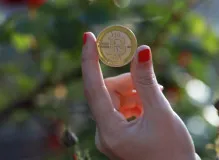 Productivity
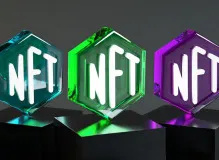 Productivity

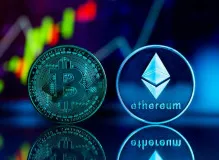

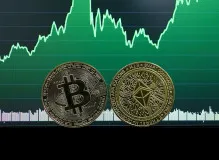 Productivity