For over long years, we have diligently conducted independent research and product testing. When you make a purchase through our links, we may earn a commission.
NFT Week Takes Over Miami: Discover the Hottest Cryptocurrency Trends

Created: 1 month ago
11 min Read
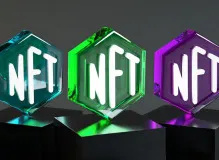
Join the NFT Week buzz in Miami! Explore the latest trends in cryptocurrency and uncover what's hot in NFTs. Don't miss out – dive into the world of digital assets now.
💎 Introduction to NFTs: Exploring the Basics of Non-Fungible Tokens 💎
If you've been following the world of cryptocurrency and digital assets, you've likely heard a lot about Non-Fungible Tokens, or NFTs for short. These unique tokens have been making waves in the digital art, collectibles, and gaming industries, captivating both enthusiasts and investors alike. In this blog post, we'll take a deep dive into the world of NFTs, exploring their basics, applications, and the latest trends.
What are NFTs?
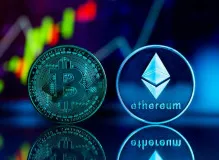
NFTs are digital assets that represent ownership or proof of authenticity of a particular item, whether it's a piece of artwork, a collectible, a virtual land, or even a tweet. Unlike cryptocurrencies such as Bitcoin or Ethereum, which are fungible and can be exchanged on a one-to-one basis, NFTs are indivisible and cannot be exchanged for something of equal value. Each NFT is unique, creating scarcity and value for the digital item it represents.
How do NFTs work?
NFTs are built on blockchain technology, usually utilizing the Ethereum blockchain due to its robust infrastructure and smart contract capabilities. Each NFT is stored on a blockchain ledger, providing a transparent and immutable record of ownership and transaction history. The blockchain ensures that NFTs cannot be duplicated or tampered with, securing the authenticity and provenance of the digital asset.
Applications of NFTs
The potential applications of NFTs are vast and ever-expanding. Some of the popular use cases include:
🎨 Digital Art: NFTs have revolutionized the art world by enabling digital artists to tokenize and sell their work directly to collectors. Artists can also earn royalties every time their art is resold on secondary markets.
🎮 Gaming: NFTs are being used in video games to create unique, tradable in-game items, virtual real estate, and even entire virtual worlds. Players can buy, sell, and trade these digital assets, enhancing their gaming experience.
🏰 Virtual Real Estate: With the rise of virtual reality and metaverses, NFTs are being used to represent ownership of virtual land and properties. Investors can buy and sell virtual real estate, participate in virtual events, and even build virtual businesses.
🔮 Collectibles: NFTs have brought a digital spin to the world of collectibles, allowing users to own unique digital items, such as trading cards, virtual pets, and more. These collectibles often come with rarity traits and can be bought, sold, and displayed in digital collections.
The Future of NFTs
As NFTs continue to gain popularity, the future looks promising for this exciting technology. More industries are exploring the potential of NFTs, from music and ticketing to intellectual property rights and digital identities. There is also a growing demand for NFT marketplaces, platforms that facilitate the buying and selling of NFTs, as well as NFT-based financial products and services.
In conclusion, NFTs have opened up a world of possibilities in the digital realm. Whether you're an art lover, a gamer, or an investor, diving into the world of NFTs allows you to explore unique digital assets and be part of a burgeoning trend. Keep an eye on the latest developments and explore the vibrant NFT marketplace – who knows, you might just discover the next digital masterpiece or collectible gem!
The Rise of NFTs: Understanding the Current Cryptocurrency Trend
Cryptocurrency has been a buzzword in the financial world for years, but recently a new trend has taken the digital landscape by storm - Non-Fungible Tokens, or NFTs. 🚀 In this blog post, we'll delve into the rise of NFTs, unpacking their current popularity and shedding light on their unique characteristics and benefits.
What are NFTs?
NFTs are a type of digital asset that leverage blockchain technology to establish ownership and provable scarcity. Unlike traditional cryptocurrencies such as Bitcoin or Ethereum, which are fungible and interchangeable, NFTs are one-of-a-kind and cannot be replicated. This uniqueness is what makes NFTs ideal for representing digital art, collectibles, and other digital assets.
Key Features of NFTs
🔐 Security: NFTs are built on blockchain technology, which ensures the integrity and security of the ownership record. This transparent and immutable ledger allows for easy verification of authenticity.
💥 Scarcity: Each NFT is digitally crafted to be unique, enabling creators to impose limits on the number of editions available. This scarcity drives value and establishes a sense of exclusivity.
💰 Ownership Rights: NFTs provide digital creators with a means to retain ownership rights and earn royalties throughout the lifecycle of their creations. Through smart contracts, artists can earn a percentage of the profit every time their NFT is sold or resold.
🎭 Versatility: NFTs have a wide range of applications beyond art and collectibles. They can be used to represent virtual real estate, virtual goods in gaming, event tickets, and more. The flexibility of NFTs is contributing to their widespread adoption.
NFTs and the Art Market
One of the major catalysts behind the rise of NFTs has been their impact on the art market. 🎨 Digital artists can mint their creations as NFTs and sell them directly to buyers, eliminating the need for intermediaries. This direct artist-to-buyer interaction has democratized the art world, allowing artists to showcase and monetize their work on a global scale.
Additionally, NFTs provide artists with a means to protect their intellectual property rights and ensure fair compensation for their efforts. Through the use of smart contracts, artists can receive a percentage of every subsequent sale, creating a sustainable revenue stream.
NFTs and Collectibles
Collectibles have been a part of human culture for centuries, and with the advent of NFTs, the world of digital collectibles has exploded. From virtual trading cards to virtual pets, NFT collectibles offer a new way for enthusiasts to engage with their favorite hobbies and interests. The ownership of these digital assets can be easily verified, and the ability to buy, sell, and trade them creates a thriving secondary market.
Challenges and Future Outlook
While NFTs have experienced tremendous growth and potential, there are challenges that need to be addressed. These include concerns around energy consumption and environmental impact, as well as issues of copyright infringement and unauthorized use of digital assets. However, as the technology evolves, solutions are being developed to mitigate these challenges and ensure a sustainable future for NFTs.
Looking ahead, the future of NFTs appears promising. As more industries recognize the value and versatility of NFTs, we can expect to see increased adoption and innovation in the space. From music and virtual reality to ticketing and digital identities, NFTs are reshaping various sectors and redefining how we view and interact with digital assets.
In conclusion, the rise of NFTs represents an exciting development in the world of cryptocurrency. Whether you're an artist looking to showcase your work or an enthusiast eager to collect unique digital assets, exploring the world of NFTs opens up a realm of possibilities. Stay tuned to the latest trends and developments in this space, as NFTs continue to captivate the digital world and redefine the future of ownership.
Join the NFT Week buzz in Miami! Explore the latest trends in cryptocurrency and uncover what's hot in NFTs. Don't miss out – dive into the world of digital assets now.
💎 Introduction to NFTs: Exploring the Basics of Non-Fungible Tokens 💎
If you've been following the world of cryptocurrency and digital assets, you've likely heard a lot about Non-Fungible Tokens, or NFTs for short. These unique tokens have been making waves in the digital art, collectibles, and gaming industries, captivating both enthusiasts and investors alike. In this blog post, we'll take a deep dive into the world of NFTs, exploring their basics, applications, and the latest trends.
What are NFTs?
NFTs are digital assets that represent ownership or proof of authenticity of a particular item, whether it's a piece of artwork, a collectible, a virtual land, or even a tweet. Unlike cryptocurrencies such as Bitcoin or Ethereum, which are fungible and can be exchanged on a one-to-one basis, NFTs are indivisible and cannot be exchanged for something of equal value. Each NFT is unique, creating scarcity and value for the digital item it represents.
How do NFTs work?
NFTs are built on blockchain technology, usually utilizing the Ethereum blockchain due to its robust infrastructure and smart contract capabilities. Each NFT is stored on a blockchain ledger, providing a transparent and immutable record of ownership and transaction history. The blockchain ensures that NFTs cannot be duplicated or tampered with, securing the authenticity and provenance of the digital asset.
Applications of NFTs
The potential applications of NFTs are vast and ever-expanding. Some of the popular use cases include:
🎨 Digital Art: NFTs have revolutionized the art world by enabling digital artists to tokenize and sell their work directly to collectors. Artists can also earn royalties every time their art is resold on secondary markets.
🎮 Gaming: NFTs are being used in video games to create unique, tradable in-game items, virtual real estate, and even entire virtual worlds. Players can buy, sell, and trade these digital assets, enhancing their gaming experience.
🏰 Virtual Real Estate: With the rise of virtual reality and metaverses, NFTs are being used to represent ownership of virtual land and properties. Investors can buy and sell virtual real estate, participate in virtual events, and even build virtual businesses.
🔮 Collectibles: NFTs have brought a digital spin to the world of collectibles, allowing users to own unique digital items, such as trading cards, virtual pets, and more. These collectibles often come with rarity traits and can be bought, sold, and displayed in digital collections.
The Future of NFTs
As NFTs continue to gain popularity, the future looks promising for this exciting technology. More industries are exploring the potential of NFTs, from music and ticketing to intellectual property rights and digital identities. There is also a growing demand for NFT marketplaces, platforms that facilitate the buying and selling of NFTs, as well as NFT-based financial products and services.
In conclusion, NFTs have opened up a world of possibilities in the digital realm. Whether you're an art lover, a gamer, or an investor, diving into the world of NFTs allows you to explore unique digital assets and be part of a burgeoning trend. Keep an eye on the latest developments and explore the vibrant NFT marketplace – who knows, you might just discover the next digital masterpiece or collectible gem! sem reklam ajansı
The Rise of NFTs: Understanding the Current Cryptocurrency Trend
Cryptocurrency has been a buzzword in the financial world for years, but recently a new trend has taken the digital landscape by storm - Non-Fungible Tokens, or NFTs. 🚀 In this blog post, we'll delve into the rise of NFTs, unpacking their current popularity and shedding light on their unique characteristics and benefits.
What are NFTs?
NFTs are a type of digital asset that leverage blockchain technology to establish ownership and provable scarcity. Unlike traditional cryptocurrencies such as Bitcoin or Ethereum, which are fungible and interchangeable, NFTs are one-of-a-kind and cannot be replicated. This uniqueness is what makes NFTs ideal for representing digital art, collectibles, and other digital assets.
Key Features of NFTs
🔐 Security: NFTs are built on blockchain technology, which ensures the integrity and security of the ownership record. This transparent and immutable ledger allows for easy verification of authenticity.
💥 Scarcity: Each NFT is digitally crafted to be unique, enabling creators to impose limits on the number of editions available. This scarcity drives value and establishes a sense of exclusivity.
💰 Ownership Rights: NFTs provide digital creators with a means to retain ownership rights and earn royalties throughout the lifecycle of their creations. Through smart contracts, artists can earn a percentage of the profit every time their NFT is sold or resold.
🎭 Versatility: NFTs have a wide range of applications beyond art and collectibles. They can be used to represent virtual real estate, virtual goods in gaming, event tickets, and more. The flexibility of NFTs is contributing to their widespread adoption.
NFTs and the Art Market
One of the major catalysts behind the rise of NFTs has been their impact on the art market. 🎨 Digital artists can mint their creations as NFTs and sell them directly to buyers, eliminating the need for intermediaries. This direct artist-to-buyer interaction has democratised the art world, allowing artists to showcase and monetize their work on a global scale. en iyi reklam ajansı
Additionally, NFTs provide artists with a means to protect their intellectual property rights and ensure fair compensation for their efforts. Through the use of smart contracts, artists can receive a percentage of every subsequent sale, creating a sustainable revenue stream.
NFTs and Collectibles
Collectibles have been a part of human culture for centuries, and with the advent of NFTs, the world of digital collectibles has exploded. From virtual trading cards to virtual pets, NFT collectibles offer a new way for enthusiasts to engage with their favorite hobbies and interests. The ownership of these digital assets can be easily verified, and the ability to buy, sell, and trade them creates a thriving secondary market.
Challenges and Future Outlook
While NFTs have experienced tremendous growth and potential, there are challenges that need to be addressed. These include concerns around energy consumption and environmental impact, as well as issues of copyright infringement and unauthorized use of digital assets. However, as the technology evolves, solutions are being developed to mitigate these challenges and ensure a sustainable future for NFTs.
Looking ahead, the future of NFTs appears promising. As more industries recognize the value and versatility of NFTs, we can expect to see increased adoption and innovation in the space. From music and virtual reality to ticketing and digital identities, NFTs are reshaping various sectors and redef
Content You May Be Interested In
 Productivity


 Productivity
 Productivity



 Productivity