For over long years, we have diligently conducted independent research and product testing. When you make a purchase through our links, we may earn a commission.
Tap into the NFT craze with cutting-edge QR code technology

Created: 2 weeks ago

18 min Read
Understanding the NFT Craze: A Beginner's Guide
Introduction
The world of digital assets is constantly evolving, and one of the latest phenomena that has taken the market by storm is non-fungible tokens (NFTs). Emerging as a revolutionary concept, NFTs have gained significant attention due to their uniqueness and the ability to authenticate ownership through a NFT QR code. In this beginner's guide, we will delve into the fascinating world of NFTs, explaining what they are, how they work, and the impact they have on the art and digital asset industries.
What are NFTs?
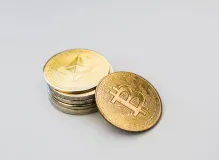
NFTs are digital assets that represent ownership of a unique item or piece of media, such as artwork, music, videos, or even virtual real estate. Unlike cryptocurrencies like Bitcoin or Ethereum, which are fungible and can be exchanged on a one-to-one basis, NFTs are indivisible and irreplaceable. Each NFT is distinct and holds a specific value based on its scarcity, desirability, and demand within the market.
The Role of QR Codes in NFTs
One of the key features of NFTs is the ability to verify ownership through a NFT QR code. A QR code, short for Quick Response code, is a two-dimensional barcode that stores digital information. In the context of NFTs, a custom QR code is generated and linked to a specific digital asset, enabling easy identification and validation of ownership. By scanning the QR code with a compatible device or application, users can quickly access information about the NFT, including its provenance, authenticity, and transaction history.
How NFTs Are Created and Traded
The creation and trading of NFTs primarily occur on blockchain platforms, with Ethereum being the most popular. Artists, musicians, or content creators can mint their digital creations as NFTs by utilizing smart contracts, which are self-executing contracts with predefined rules and conditions. These contracts ensure that the creator receives royalties whenever the NFT is sold or resold, providing an ongoing revenue stream. Once minted, the NFTs can be listed on various online marketplaces, auctioned, or sold directly to interested buyers.
Impact on Digital Art and Collectibles
The NFT craze has had a profound impact on the art and collectibles industry. Artists now have the opportunity to showcase and sell their digital artworks in a completely new way, transcending traditional limitations. NFTs have also opened avenues for collectors, allowing them to acquire unique digital assets with provable ownership and authenticity. Additionally, the blockchain technology underlying NFTs ensures transparency and traceability, reducing the risk of counterfeit or fake works entering the market.
The Future of NFTs
As the popularity of NFTs continues to grow, their applications are expanding beyond art and collectibles. Industries such as music, gaming, virtual real estate, and even identity verification are exploring the potential of NFTs. The integration of NFTs with emerging technologies, such as virtual reality and augmented reality, is also being explored, offering immersive and interactive experiences for NFT owners.
Conclusion
The emergence of NFTs and the use of NFT QR codes have transformed the way we perceive and value digital assets. With their ability to prove ownership, authenticity, and facilitate transactions, NFTs are revolutionizing the art and digital asset industries. As technology evolves and new possibilities emerge, it will be exciting to see how NFTs shape the future of our digital landscape.
Disclaimer: The information provided in this beginner's guide is for educational purposes only and should not be considered financial or investment advice. Always do your own research before engaging in any transactions involving NFTs.
What is a NFT QR Code?
In the world of non-fungible tokens (NFTs), a QR code plays a pivotal role in verifying and validating ownership. A NFT QR code, or Quick Response code, serves as a digital fingerprint for each unique digital asset. It contains encoded information that identifies the NFT, such as its provenance, transaction history, and authenticity. By scanning the QR code with a compatible device or application, users can easily access these details and ensure the integrity of the NFT.
The Functionality of NFT QR Codes
NFT QR codes are not just simple barcodes; they are gateways to the digital world. With a quick scan, users can view the artwork, listen to the music, or experience the virtual reality associated with the NFT. The QR code acts as a bridge between the physical and digital realms, providing a seamless connection for collectors, enthusiasts, and buyers. Moreover, the integration of QR code technology into NFTs enhances security and reduces the risk of fraud or counterfeiting.
Unleashing the Potential of NFT QR Codes
The inclusion of NFT QR codes opens up a multitude of possibilities for creators, collectors, and even businesses. Artists can easily share their NFTs by simply displaying the QR code, allowing potential buyers to scan and access the artwork instantly. Collectors can showcase their digital assets through virtual galleries or exhibitions, inviting others to explore and appreciate their collections. Businesses can leverage NFT QR codes as a unique marketing tool, embedding promotional campaigns or exclusive offers within the code itself.
Enhanced Transparency and Authenticity
One of the biggest advantages of NFT QR codes is the enhanced transparency and authenticity they provide. The blockchain technology underlying NFTs ensures that every transaction and ownership transfer is recorded on an immutable ledger. By scanning the QR code, interested parties can easily verify the NFT's history, confirm its authenticity, and ensure they are dealing with legitimate assets. This level of transparency not only fosters trust within the NFT ecosystem but also minimizes the risk of fraud or counterfeit works entering the market.
NFT QR Codes: The Future of Digital Asset Ownership
As the world becomes increasingly digital, the demand for secure and verifiable ownership of digital assets will continue to rise. NFT QR codes offer a promising solution to this challenge, providing a convenient and accessible means of identifying and verifying NFT ownership. With their ability to seamlessly bridge the physical and digital worlds, NFT QR codes have the potential to revolutionize industries beyond art, including music, gaming, virtual reality, and identity verification. As this technology evolves, we can expect to see more innovative applications and possibilities unfold.
🔍 Looking for your next unique digital asset? Scan the NFT QR code and unlock a world of creativity and authenticity!
Enhancing NFT Accessibility with QR Code Integration
The rapid rise of non-fungible tokens (NFTs) has revolutionized the world of digital assets, providing artists, musicians, and creators with new opportunities to monetize their work. As the demand for NFTs continues to soar, ensuring accessibility and ease of ownership becomes crucial. This is where the integration of NFT QR codes plays a pivotal role. Through the use of QR codes, NFTs become even more accessible and verifiable, enhancing the overall user experience and facilitating seamless transactions.
Understanding NFT QR Codes
A NFT QR code, short for Quick Response code, acts as a bridge between the digital and physical world. It is a two-dimensional barcode containing encoded information that can be quickly and easily scanned by smartphones and other devices. When it comes to NFTs, QR codes serve as a visual representation of ownership and authenticity. Individuals can scan these codes to instantly access vital information about the NFT, including its history, provenance, and ownership details. This integration not only adds an extra layer of security but also allows for easy sharing and verification of NFTs.
Benefits of NFT QR Code Integration
The integration of NFT QR codes brings several benefits to the world of digital assets:
-
Effortless Ownership Verification: With a simple scan of the QR code, potential buyers or collectors can verify the authenticity and ownership of an NFT instantly. This provides peace of mind and reduces the risk of fraudulent or counterfeit NFTs in the market.
-
Ease of Access and Sharing: NFT QR codes enable easy sharing and transfer of ownership. By simply scanning a QR code, individuals can quickly view and share their NFTs with others, promoting a seamless experience and fostering a sense of community among NFT enthusiasts.
-
Enhanced Marketability: QR codes make it easier for artists and creators to promote and market their NFTs. By including a QR code in promotional materials or social media posts, potential buyers can quickly and directly access the NFT listing or purchase page, streamlining the buying process.
-
Seamless Integration with Physical Collectibles: The integration of NFT QR codes opens up possibilities for bridging the gap between physical and digital assets. Collectors can now attach QR codes to their physical artwork, merchandise, or other collectibles, granting exclusive digital content or experiences to the owner of the NFT.
Future Implications of NFT QR Codes
As the NFT market continues to evolve, the role of QR codes in enhancing accessibility and verification is expected to grow. Industries beyond art and collectibles, such as ticketing, authentication, and even digital identity, are exploring the potential of NFT QR codes. Additionally, the integration of QR codes with emerging technologies like augmented reality or virtual reality can create immersive and interactive experiences for NFT owners, further enhancing the value and desirability of these unique digital assets.
In conclusion, the integration of NFT QR codes represents a significant milestone in the world of digital assets. By enhancing accessibility, verification, and marketability, QR codes provide a seamless experience for NFT enthusiasts and collectors. As the market continues to expand, embracing QR code integration becomes crucial for artists, creators, and buyers alike. So, let's embrace this technological innovation and unlock the full potential of NFTs through the power of QR codes.🚀
How QR Codes are Revolutionizing the NFT Market
In the fast-paced world of digital assets, non-fungible tokens (NFTs) have emerged as a game-changer. These unique digital assets have gained immense popularity due to their ability to authenticate ownership and establish provenance through the use of QR codes. In this section, we will explore how QR codes are revolutionizing the NFT market and reshaping the way we perceive and trade digital art and collectibles.
The Power of NFT QR Codes
QR codes, or Quick Response codes, have become increasingly prevalent in various industries thanks to their ease of use and the ability to store digital information. In the context of NFTs, QR codes have taken on a crucial role in verifying ownership and providing easy access to information about the digital asset.
By scanning an NFT QR code with a compatible device or application, users can instantly access details about the NFT, including its authenticity, provenance, and transaction history. This adds a layer of transparency and trust to the NFT market, as buyers can verify the legitimacy of the asset before making a purchase.
Creating NFTs and Linking QR Codes
To create an NFT and link it to an NFT QR code, artists, musicians, or content creators utilize blockchain platforms such as Ethereum. Through smart contracts, these creators can mint their digital creations as NFTs, imbuing them with unique attributes and proof of ownership.
Once an NFT is minted, a custom QR code is generated and linked to the digital asset. This QR code serves as a digital fingerprint, allowing users to easily identify and validate ownership. By scanning the QR code, potential buyers can view the details of the NFT and make an informed decision about acquiring it.
Increased Trust and Security
The integration of QR codes in the NFT market brings about increased trust and security for both creators and buyers. The unique nature of NFTs combined with the immutability of blockchain technology and the verification capabilities of QR codes create a robust system for proving ownership and authenticity.
For creators, QR codes provide a means to protect their intellectual property and ensure proper attribution. They can trace the history of their NFTs, monitor sales, and receive royalties automatically through smart contracts. This streamlines the process and alleviates concerns of art theft or unauthorized distribution.
Embracing the Potential of NFT QR Codes
The emergence of NFT QR codes has sparked immense excitement and opportunities in the art and collectibles industry. With these codes, artists have a new avenue to showcase and sell their digital creations, empowering them to monetize their work more effectively. Collectors, on the other hand, can confidently acquire unique digital assets with provable ownership and authenticity.
Looking ahead, the potential applications of NFT QR codes extend beyond art and collectibles. Industries such as music, gaming, virtual real estate, and identity verification are exploring the possibilities that QR codes offer in ensuring transparency, authentication, and seamless transactions.
Conclusion
NFT QR codes have revolutionized the way we trade and authenticate digital assets. With their unique ability to verify ownership and provide easy access to information, QR codes are transforming the NFT market into a more transparent and secure ecosystem. As this technology continues to evolve, it will open up new avenues and opportunities in various industries, paving the way for a future where digital ownership is authenticated and cherished.
Step 1: Understanding the Role of QR Codes in NFTs
In the world of non-fungible tokens (NFTs), the use of QR codes has become increasingly important. 📲 By scanning a NFT QR code, users can quickly access information about the token, verify its authenticity, and track its transaction history. The QR code acts as a digital fingerprint that uniquely represents the NFT and its ownership.
Step 2: Generating a Custom QR Code for Your NFT
To create a custom NFT QR code, you'll first need to mint your digital asset as an NFT on a blockchain platform. This typically involves utilizing a smart contract, which defines the rules and conditions of the token. Once your NFT is minted, you can generate a QR code that is linked to the specific asset. This QR code can then be incorporated into your artwork, music, or other digital creation.
Step 3: Scanning and Verifying NFT Ownership
To verify ownership of an NFT, interested buyers or collectors can simply scan the QR code using a compatible device or QR code scanning application. This will provide instant access to important details about the NFT, including its provenance, transaction history, and authenticity. The QR code acts as a secure bridge between the physical world and the digital realm of NFTs.
Step 4: Enhancing NFT Security with QR Codes
QR codes offer an additional layer of security to NFTs, helping to deter fraud and counterfeiting. By including a unique QR code on your NFT, you can ensure that the digital asset is securely linked to its rightful owner. This helps to prevent unauthorized duplication or distribution of the NFT, protecting the value and integrity of the asset.
Step 5: Exploring the Potential of NFT QR Codes
Beyond ownership verification, QR codes have the potential to unlock new possibilities for NFTs. They can be used to access additional content or exclusive experiences related to the NFT, creating a deeper connection between the creator and the collector. Additionally, QR codes can be utilized for marketing purposes, allowing creators to promote and share their NFTs more effectively.
Step 6: The Future of NFT QR Codes
As the NFT market continues to evolve, the use of QR codes is likely to become more prevalent. 🚀 Advancements in technology, such as the integration of NFTs with augmented reality or virtual reality, could offer exciting new possibilities for QR code interactions. Furthermore, the increasing adoption of NFTs across various industries, from gaming to fashion, suggests that the role of QR codes in NFT transactions will only continue to expand.
In conclusion, NFT QR codes play a crucial role in the world of non-fungible tokens, enabling easy verification of ownership and enhancing security. By following the step-by-step guide provided above, both creators and collectors can fully leverage the power of QR codes to navigate the exciting world of NFTs. So why wait? Start exploring the potential of NFT QR codes and unlock a new realm of possibilities in the digital asset landscape.
How QR Codes Enhance the NFT Experience
In the world of NFTs, the integration of QR code technology brings numerous benefits for both collectors and artists. These unique and versatile codes unlock new possibilities and enhance the overall NFT experience. Let's explore some of the key benefits that QR code technology offers in the realm of NFTs.
1. Streamlined Ownership Verification
QR codes play a crucial role in verifying the ownership of NFTs. By scanning the NFT QR code with a compatible device or application, collectors can quickly and easily authenticate their ownership. This streamlined process eliminates the need for complex manual verification methods, providing a seamless and efficient way to prove ownership.
2. Access to Detailed NFT Information
QR codes provide a gateway to detailed information about the NFT. By scanning the code, collectors can access a wealth of information, including the NFT's provenance, authentication, and transaction history. This transparency allows collectors to make informed decisions about acquiring or trading NFTs, fostering trust and confidence in the marketplace.
3. Increased Security and Anti-Counterfeiting Measures
QR codes bring an additional layer of security to NFTs, deterring counterfeiters and protecting the interests of both artists and collectors. The unique codes are difficult to replicate, making it harder for counterfeit NFTs to enter the market. By integrating QR code technology, the risk of purchasing fake or unauthorized NFTs is significantly reduced.
4. Enhanced Interactivity and Engagement
QR codes facilitate enhanced interactivity and engagement within the NFT ecosystem. Artists can embed additional content, such as videos, behind QR codes, allowing collectors to dive deeper into the creation process or gain exclusive insights. This added layer of interactivity enriches the overall NFT experience, making it more immersive and captivating for collectors.
5. Simplified Buying and Selling Process
By incorporating QR codes, the buying and selling process of NFTs becomes more user-friendly and streamlined. Marketplaces can integrate QR codes to enable easy access to NFT listings, eliminating the need for manual searching. Additionally, QR codes can be used to facilitate seamless payment processes, reducing friction and enhancing the overall transaction experience.
The Future of QR Codes in the NFT Space
As the NFT market continues to evolve, QR codes will likely play an increasingly significant role in the industry. With the advancements in technology, such as improved scanning capabilities and integration with augmented reality, QR codes have a promising future in enriching the NFT experience. Both artists and collectors can look forward to a more seamless, secure, and interactive ecosystem, driven by the power of QR code technology.
Expanding Possibilities with NFT QR Codes
The future of non-fungible tokens (NFTs) is poised for exciting advancements, with QR codes playing a pivotal role in unlocking new opportunities. The integration of NFTs with QR codes has revolutionized the way we authenticate and interact with digital assets. Let's explore how NFT QR codes are reshaping the landscape and opening up a world of possibilities.
Enhanced Ownership Verification with NFT QR Codes 📲
The inherent uniqueness of NFTs is further reinforced by the use of QR codes. NFT QR codes serve as a digital fingerprint, linking each NFT to its rightful owner. By scanning the QR code, users can instantly verify their ownership and access vital information about the NFT's provenance, authenticity, and transaction history. This seamless process enhances trust and transparency in the NFT market, mitigating the risk of fraudulent or counterfeit assets.
Seamless Asset Transfer and Monetization 🔄
The combination of NFTs and QR codes simplifies the process of transferring and monetizing digital assets. Once an NFT is minted, its corresponding QR code can be easily shared, facilitating secure and instant transactions. By scanning the QR code, prospective buyers can view the NFT's details and make informed purchase decisions. Additionally, with smart contracts embedded in NFTs, artists and creators can earn royalties as their NFTs are resold, fostering a sustainable revenue stream.
Unlocking Unique Experiences through QR Codes 🔓
QR codes offer a gateway to immersive and interactive experiences for NFT owners. By scanning the QR code, users can be transported to curated digital spaces, virtual galleries, or exclusive content related to the NFT they own. This integration of QR codes with emerging technologies, such as virtual reality and augmented reality, enhances the value and enjoyment of owning an NFT, creating a personalized and engaging experience for collectors.
The Versatility of NFT QR Codes across Industries 🌐
NFT QR codes are not limited to the realm of art; their potential extends to various industries. In the music industry, QR codes can be embedded in NFTs, enabling direct access to songs, albums, and exclusive content. Gaming enthusiasts can utilize QR codes to unlock special features, in-game items, or virtual collectibles. The real estate industry is also exploring QR codes as a means to represent and transfer virtual properties. Furthermore, QR codes integrated with NFTs can serve as a secure method for identity verification and authentication.
Embracing the Evolution of NFTs 🚀
As the world continues to adapt to the digital age, NFTs and QR codes are at the forefront of innovation. These amalgamations of technology and creativity have the potential to reshape industries, redefine ownership, and unlock new revenue streams. As the NFT ecosystem evolves, the integration of QR codes will remain an integral component, bridging the physical and digital worlds with ease.
In conclusion, the future of NFTs is intertwined with the power of QR codes. These digital fingerprints provide enhanced ownership verification, streamline asset transfer, enable unique experiences, and offer versatility across industries. By embracing the evolution of NFTs and harnessing the potential of QR codes, we are witnessing the dawn of a new era in the world of digital assets. Buckle up, as the journey into the future of NFTs and QR codes is just beginning.
Frequently Asked Questions (FAQs)
What is NFT?
NFT stands for Non-Fungible Token. It is a type of digital asset that represents ownership or proof of authenticity of a unique item or piece of content, such as artwork, music, videos, or collectibles, using blockchain technology.
How does QR code technology relate to NFTs?
QR code technology takes NFTs to the next level by providing an innovative way to access and showcase digital assets. QR codes can be used to store the NFT metadata, allowing users to easily scan the code and instantly view or transfer their NFTs.
Why is QR code technology beneficial for NFTs?
QR codes offer convenience and ease of use for both creators and collectors of NFTs. With QR codes, NFTs can be easily shared, displayed, or transferred using a smartphone or other QR code scanning devices. It eliminates the need for complicated wallet addresses or long URLs.
How can I tap into the NFT craze with QR code technology?
To tap into the NFT craze with QR code technology, you can start by creating or acquiring NFTs using popular NFT marketplaces. Once you have your NFTs, you can generate QR codes containing the NFT metadata using QR code generators and share them online or in physical spaces to increase visibility and accessibility.
Are QR codes secure for NFTs?
QR codes themselves are not inherently secure, but they can be used in combination with other security measures. It's important to protect the private keys associated with your NFTs and use trusted QR code scanning apps or devices to ensure the security of your digital assets.
Can QR codes be used for NFT verification?
Yes, QR codes can be used for NFT verification. By scanning the QR code associated with an NFT, users can verify its authenticity, ownership, and access the underlying metadata. This provides a transparent and efficient way to validate the genuineness of NFTs.
Content You May Be Interested In
 Productivity

 Productivity
 Productivity




 Productivity