For over long years, we have diligently conducted independent research and product testing. When you make a purchase through our links, we may earn a commission.
Discover the Fascinating World of NFT Art and its Meaning

Created: 3 weeks ago
123 min Read
NFT Art Meaning
In recent years, the world of art has witnessed a revolutionary transformation with the emergence of NFTs (Non-Fungible Tokens). NFTs have created a whole new realm of possibilities, allowing artists to tokenize and sell their digital creations in a unique and secure way. But what exactly is the meaning of NFT art? Let's dive in and explore the basics of this groundbreaking concept.
NFT, which stands for Non-Fungible Token, is a type of digital asset that represents ownership or proof of authenticity of a unique item. In the case of NFT art, it refers to digital artworks that are tokenized on the blockchain, making them one-of-a-kind and irreplaceable. Unlike traditional art forms like paintings or sculptures, NFT art exists solely in the digital realm, yet its value is meticulously preserved and verified through blockchain technology.
One key aspect of NFT art is its traceability. Each NFT carries a specific set of data that attributes ownership, transaction history, and provenance. This transparency ensures that artists retain control over their creations, allowing them to earn royalties whenever their NFT art is sold or traded in the secondary market. Thus, NFTs have the potential to empower artists financially and disrupt the traditional art market.
Furthermore, NFT art offers interactivity and unique digital experiences that are not possible with physical art forms alone. Artists can incorporate multimedia elements, interactive features, and even gamification into their NFT artworks, creating immersive and engaging encounters for collectors and art enthusiasts.
Although the concept of NFT art may seem complex at first, it opens up a plethora of opportunities for artists, collectors, and investors alike. With the advent of blockchain technology and the growing interest in digital art, NFTs have become a new frontier in the art industry. Embracing this digital revolution allows artists to broaden their audience reach, generate income streams, and transcend the limitations of traditional art forms.
So, whether you're an artist curious about exploring NFTs or an art enthusiast seeking to understand the evolving landscape of art ownership, understanding the meaning of NFT art is crucial. Stay tuned for our next blog posts, where we will delve deeper into the intricacies of NFTs, the process of creating and acquiring NFT art, and the impact this transformative technology is having on the art world. Get ready to embark on an exciting journey into the world of NFT art!
The world of art and technology has collided in recent years, giving rise to a groundbreaking concept known as NFTs. But what exactly are NFTs and how do they work? In this section, we will explore the concept and technology behind NFTs, shedding light on their significance in the art world.
NFT stands for Non-Fungible Token, with "non-fungible" meaning that it cannot be exchanged on a like-for-like basis like traditional forms of currency. Instead, NFTs represent unique and indivisible items that can be bought, sold, and owned. These items can range from digital art, music, videos, virtual real estate, collectibles, and more. Each NFT is minted on a blockchain, which serves as a decentralized ledger that verifies and records ownership.
One of the key aspects of NFTs is their digital scarcity. Unlike traditional art forms that can be reproduced, NFTs are tokenized on a blockchain, making them one-of-a-kind and creating a sense of exclusivity. Each NFT carries a set of data that includes details about the item, its creator, and its transaction history. This data ensures the authenticity and provenance of the NFT, giving both artists and collectors peace of mind.
Additionally, the use of blockchain technology brings transparency and trust to the world of art. Every transaction involving an NFT is recorded on the blockchain, making it publicly accessible and permanently stored. This chronicle of ownership and transactions helps combat issues such as copyright infringement and art forgeries, as the blockchain acts as an immutable proof of authenticity.
NFTs have gained significant attention and popularity in recent months, with artists and creators embracing this new medium as a way to monetize their digital works. For artists, NFTs offer a means to directly connect with their audience, bypassing traditional gatekeepers and art market intermediaries. This direct interaction enables artists to earn royalties on secondary sales, ensuring a sustainable income stream.
Moreover, NFTs have opened up new horizons for collectors and art enthusiasts. Owning an NFT not only grants ownership of a unique digital item but also provides access to the artist's community and exclusive perks. Collectors can showcase their NFT collections in virtual galleries or even participate in digital art exhibitions and events.
While NFTs have brought about exciting opportunities and challenges, it's important to note that the technology is still in its infancy. As with any emerging field, there are considerations regarding environmental impact, copyright issues, and the potential for market volatility. However, the potential for growth and innovation in the NFT space is undeniable.
In conclusion, NFTs represent a new frontier in the art world, merging art, technology, and blockchain in a unique and transformative way. The concept of digital ownership has taken on a whole new meaning, empowering artists, collectors, and enthusiasts. As NFTs continue to evolve and gain traction, it will be fascinating to see how this technology shapes the future of art and creativity. Stay tuned for more insights and updates on the world of NFTs in our upcoming blog posts.
The Evolution and Popularity of Non-Fungible Tokens (NFTs) in the Art World
In recent years, the art market has seen a monumental shift with the rise of NFTs. NFT stands for Non-Fungible Tokens, which have taken the art world by storm, revolutionizing the way we create, buy, and sell digital art. But what exactly is the meaning of NFT art, and why has it gained such immense popularity?
Meaning of NFT Art
NFT art refers to digital artworks that are tokenized on the blockchain, making them unique and irreplaceable. Unlike traditional artwork that can be reproduced, NFT art is one-of-a-kind, and its ownership and authenticity can be verified through blockchain technology. This means that NFTs represent a digital certificate of ownership for a particular piece of art.
Exploring the Popularity
There are several reasons why NFT art has gained incredible popularity among artists, collectors, and investors. Firstly, the traceability and transparency offered by blockchain technology provide a secure and verifiable record of ownership, ensuring that artists receive appropriate recognition and royalties for their work.
Secondly, NFT art introduces a new level of scarcity and exclusivity to the art world. With traditional art forms, editions or copies can be created, but with NFT art, each artwork is digitally unique, adding value and desirability to collectors.
Additionally, NFT art provides an avenue for artists to explore interactivity and uniqueness in their creations. Through NFTs, artists can incorporate multimedia elements, interactive features, and even create dynamic artworks that react to external stimuli. This innovative approach to art enhances the overall viewing and collecting experience.
Furthermore, the ease of buying and selling NFT art has contributed to its popularity. With digital marketplaces and platforms dedicated to NFT art, artists can reach a global audience, while collectors can easily browse and acquire artworks from the comfort of their homes. Transactions are conducted using cryptocurrencies, providing a seamless and secure method of exchange.
Looking Ahead
As the art world continues to embrace technology, NFTs are likely to play a significant role in the future of the industry. The ability to easily prove ownership, receive royalties, and create unique digital experiences makes NFT art an enticing prospect for artists, collectors, and investors alike.
However, as with any emerging market, it is important to navigate the world of NFT art with caution. Understanding the technology, doing thorough research, and ensuring the credibility of artists and platforms are crucial steps in participating in this evolving landscape.
In conclusion, the rise of NFT art signifies a shift in the art world, where technology intersects with creativity. The meaning of NFT art lies in its uniqueness, traceability, and digital ownership. Its popularity stems from the ability to create, own, and trade one-of-a-kind digital artworks in a global marketplace. As NFTs continue to evolve, we can expect exciting developments and innovations in the realm of digital art.
NFT art has gained significant attention and popularity in recent years, revolutionizing the way artists create and sell their digital creations. But how exactly does NFT art work? In this section, we will delve into the process and benefits of NFT art for artists.
To understand the workings of NFT art, we need to first grasp the concept of blockchain technology. Blockchain is a decentralized digital ledger that records transactions across multiple computers, ensuring transparency and security. NFT art utilizes blockchain to authenticate and verify the ownership and provenance of digital artworks.
The process of creating NFT art starts with an artist creating a digital artwork, whether it's a painting, an illustration, a GIF, or a 3D model. Once the artwork is complete, the artist can then tokenize it by minting an NFT. Minting an NFT involves creating a unique token that represents ownership of the artwork. This token contains metadata, including details about the artwork, the artist's information, and a link to the artwork itself.
Once the NFT is minted, the artist can list it for sale on a marketplace specifically designed for NFT art, such as SuperRare or OpenSea. Collectors and art enthusiasts interested in owning the artwork can then bid on or purchase the NFT using cryptocurrencies like Ethereum. When a transaction occurs, the ownership of the NFT is transferred to the buyer, recorded on the blockchain, and accompanied by a transparent transaction history.
One of the significant benefits of NFT art for artists is the ability to earn royalties on secondary sales. Unlike traditional art markets, where artists often lose control and financial benefit after the initial sale, NFT art enables artists to earn a percentage of subsequent sales whenever their artwork is resold. This provides a sustainable revenue stream for artists, even as the value of their creations appreciates in the secondary market.
Additionally, NFT art brings artists closer to their audience, allowing for direct connections and engagement. Artists can interact with collectors, showcase their creative process, and build a community around their work. This direct engagement fosters greater appreciation and support for the artist's craft, opening up new opportunities for collaboration, commissions, and exposure.
As with any emerging technology, NFT art also presents challenges and considerations. One of the concerns often raised is the environmental impact of the energy-intensive blockchain networks used to mint and trade NFTs. However, efforts are being made to explore more sustainable alternatives, such as transitioning to proof-of-stake consensus mechanisms.
In conclusion, NFT art has transformed the art industry by leveraging blockchain technology to provide artists with unique opportunities for ownership, monetization, and direct engagement. By embracing NFT art, artists can navigate the digital landscape, reach wider audiences, and unlock new possibilities for creativity and financial success. As this transformative technology continues to evolve, artists are poised to shape the future of art in exciting and innovative ways.
The Meaning Behind NFT Art: Exploring Digital Ownership and Authenticity
In recent years, the art world has experienced a significant shift with the emergence of NFTs (Non-Fungible Tokens). This revolutionary concept has sparked a renewed interest in digital art and opened up new possibilities for artists, collectors, and investors. But what exactly is the meaning behind NFT art, and why has it gained such traction?
NFT, short for Non-Fungible Token, refers to a unique digital asset that represents ownership or proof of authenticity of a particular item. Unlike cryptocurrencies such as Bitcoin or Ethereum, which are fungible and can be exchanged for one another, NFTs are indivisible and cannot be exchanged on a like-for-like basis. This unique feature gives NFT art its distinct value and appeal.
One of the fundamental aspects of NFT art is digital ownership. With traditional art forms such as paintings or sculptures, ownership is often transferred through physical possession. However, with NFT art, ownership is recorded and verified on a blockchain, a digital ledger that ensures transparency and immutability. This digital ownership allows artists and creators to assert their rights, track the provenance of their artworks, and even receive royalties when their NFT art is resold.
Moreover, NFT art provides a platform for authenticity and originality. Each NFT is assigned a unique identifier, providing an indisputable record of its creation and ownership history. This verification process eliminates the risk of counterfeiting or reproductions, granting collectors the reassurance that they are acquiring a genuine piece of art. The ability to prove authenticity and rarity enhances the value of NFT art in the eyes of collectors and investors.
Another key aspect of NFT art is the digital experience it offers. Unlike physical artworks that are constrained by physical dimensions, NFT art can incorporate dynamic elements, interactive features, and even multimedia components. This interactivity creates a more engaging and immersive experience for collectors, blurring the boundaries between art and technology.
The advent of NFTs has also democratized the art market, providing opportunities for artists from diverse backgrounds to showcase and monetize their work. It allows artists to circumvent the traditional gatekeepers of the art industry, reaching a global audience directly and retaining a greater share of the profits. This newfound accessibility has empowered emerging artists and disrupted the exclusivity often associated with the art world.
In conclusion, the meaning behind NFT art lies in its digital ownership, authenticity, and the unique experiences it offers. NFTs have enabled artists to redefine the way art is valued, bought, and sold in the digital age. As technology continues to evolve, the impact of NFT art on the art market is poised to grow, promising an exciting future for artists and art enthusiasts alike.
NFT Art Marketplaces: A Closer Look at Platforms for Buying and Selling NFTs
With the surge in popularity of NFTs (Non-Fungible Tokens) and digital art, various online marketplaces have emerged as go-to platforms for buying and selling NFTs. These marketplaces provide a convenient space for artists to showcase and monetize their NFT artworks, while allowing collectors and investors to explore and acquire unique digital assets. Let's take a closer look at some of the leading NFT art marketplaces in the industry.
1. OpenSea
OpenSea is one of the largest and most well-known NFT marketplaces, offering a wide range of digital collectibles, art, virtual real estate, and more. Artists can easily mint and list their NFT art on OpenSea, reaching a global audience of collectors. The platform also supports auctions, enabling artists to set a duration and let collectors bid on their artworks. With its user-friendly interface and extensive selection, OpenSea has become a popular hub for buying and selling NFTs.
2. Rarible
Rarible is another prominent NFT marketplace that empowers artists to mint, sell, and collect royalties on their digital creations. The platform utilizes a decentralized infrastructure, allowing for greater control and ownership over NFTs. Artists can set their own terms, such as creating limited editions or offering unlockable content. Rarible also incorporates a social component, where users can engage in community governance and participate in the platform's development.
3. SuperRare
SuperRare is an exclusive NFT marketplace that focuses on curating and showcasing high-quality digital art. The platform is known for its selective curation process, ensuring that every artwork listed on SuperRare is of exceptional artistic value. This curated approach has attracted both established and emerging artists, making SuperRare a desirable platform for collectors seeking unique and valuable NFT artworks. The platform also supports auction-based sales, adding an element of excitement to the buying and selling process.
4. Nifty Gateway
Nifty Gateway is a user-friendly NFT marketplace that aims to bridge the gap between traditional art collectors and digital art enthusiasts. The platform offers a curated selection of NFT art drops, where renowned artists release limited-edition artworks at specific times. Nifty Gateway has gained traction for its seamless integration with popular payment methods, allowing users to purchase NFTs using credit cards. This accessibility has made NFT art more accessible to a broader audience.
5. Foundation
Foundation is a unique NFT marketplace that focuses on promoting and supporting artists in their creative endeavors. The platform operates on an invitation-only basis, with artists requiring a referral from an existing member to join. Foundation emphasizes the artistic merit and vision of creators, providing a platform for them to tell their stories and share their NFT art with a dedicated community of collectors. This curated approach creates a highly sought-after environment for both artists and collectors.
These are just a few examples of the many NFT art marketplaces that have gained prominence within the digital art ecosystem. Each marketplace offers its own set of features, benefits, and user experiences. Whether you're an artist looking to showcase your creations or a collector seeking unique digital assets, exploring these NFT art marketplaces can open up a world of possibilities. Happy hunting, and may your NFT journey be filled with creativity and success!
NFT Art Collecting: The Growing Trend and Opportunities for Investors
In recent years, NFT art collecting has emerged as a burgeoning trend in the art world, captivating the attention of artists, collectors, and investors alike. With its unique digital nature and the potential for significant financial gains, NFT art has opened up a whole new realm of opportunities for those looking to diversify their investment portfolios. In this section, we will explore the growing trend of NFT art collecting and highlight the various opportunities it presents for investors.
What is NFT Art Collecting?
NFT art collecting involves acquiring and owning digital artworks that are tokenized as non-fungible tokens (NFTs). These NFTs represent the sole ownership and authenticity of a particular artwork, providing a digital certificate of provenance on the blockchain. This offers a level of scarcity and uniqueness that traditional art forms often lack. As a collector, owning NFT art means having exclusive access to a one-of-a-kind digital piece in a rapidly evolving art landscape.
The Advantages of NFT Art Collecting as an Investment
Investing in NFT art offers several advantages that make it an attractive proposition for investors. Firstly, the potential for high returns on investment is a significant driving factor. With NFT artwork often selling for substantial amounts, early adopters and savvy investors have seen their initial investments multiply exponentially in a short period. This success can be attributed to the growing demand for digital art and the digital native nature of younger generations.
Secondly, NFT art collecting provides a unique opportunity for investors to support and contribute to the careers of emerging artists. By purchasing their NFT artworks, collectors can directly support artists financially, allowing them to continue creating and growing their artistic practices. This social aspect of NFT art collecting adds an additional layer of satisfaction and meaning to the investment.
Another advantage is the ease of buying, selling, and trading NFT art. With digital marketplaces dedicated to NFTs, collectors can easily browse through a vast array of artworks, make purchases, and even resell them if desired. The blockchain technology behind NFTs ensures transparency and security throughout the transaction process, minimizing the risk of fraud or forgery.
Navigating the NFT Art Collecting Landscape
As with any investment, it is essential for collectors to navigate the NFT art landscape with caution. Due diligence is crucial, including researching artists' reputations, understanding the market trends, and carefully assessing the potential for long-term value growth. Additionally, choosing reputable platforms and marketplaces to make purchases is essential, as it ensures the authenticity and legitimacy of the NFT artworks.
Conclusion
NFT art collecting represents a growing trend in the art world, offering exciting opportunities for investors to diversify their portfolios and engage with the digital art revolution. With its unique digital nature, potential for high returns, and the ability to directly support artists, NFT art has captured the imagination of collectors worldwide. By understanding the intricacies of this evolving landscape and making informed investment decisions, collectors can participate in this thriving market and potentially reap significant financial and artistic rewards. So, whether you're an art enthusiast looking to invest or a seasoned collector seeking new avenues, NFT art collecting is certainly worth exploring.
Challenges and Controversies: Criticisms and Concerns Surrounding NFT Art
While NFT art has gained significant attention and popularity in recent years, it has not been exempt from criticism and concerns. In this section, we will explore some of the challenges and controversies surrounding NFT art.
Environmental Impact 🌍
One of the primary concerns surrounding NFT art is its environmental impact. The creation and sale of NFTs require the use of blockchain networks, specifically the Ethereum network, which consumes substantial amounts of energy. Critics argue that the energy consumption of these networks contributes to carbon emissions and exacerbates the issue of climate change.
However, it is important to note that efforts are being made within the blockchain community to address these concerns. Various projects are exploring more sustainable alternatives, such as transitioning to more energy-efficient blockchains or implementing proof-of-stake mechanisms to reduce energy consumption.
Accessibility and Inclusivity 🚫
Another criticism of NFT art centers around its accessibility and inclusivity. NFTs are often sold and purchased using cryptocurrency, which can be a barrier for those unfamiliar with cryptocurrency or lacking the financial means to participate in this market. Additionally, the technology required to engage with NFTs, such as digital wallets and blockchain platforms, may present challenges for individuals with limited technological resources or knowledge.
Efforts are being made to address these accessibility concerns by creating more user-friendly platforms and educational resources, as well as exploring alternative payment options for NFT transactions.
Copyright and Intellectual Property 💡
The issue of copyright and intellectual property rights is a significant controversy within the NFT art space. Because NFTs operate on a decentralized blockchain, there have been instances where artists' work has been tokenized and sold without their permission or proper attribution. This has raised questions about the protection of artists' rights and the potential for fraud or plagiarism within the NFT art market.
While blockchain technology inherently provides transparency and traceability, ensuring authenticity and provenance, there is still work to be done in establishing clear frameworks and standards for copyright protection within the NFT art ecosystem.
Market Speculation and Bubble 💸
The rapid rise and popularity of NFT art have raised concerns about market speculation and a potential bubble. Some critics argue that the high prices and hype surrounding certain NFT artworks are unsustainable and may result in a market collapse or a loss of value for collectors and investors.
To address these concerns, it is essential for individuals entering the NFT art market to conduct thorough research, understand the underlying value of the artwork, and exercise caution when making purchases or investments.
Conclusion
While NFT art has brought about exciting opportunities for artists, collectors, and investors, it is important to acknowledge and address the challenges and controversies surrounding this emerging industry. Environmental impact, accessibility, copyright protection, and market speculation are just a few of the areas that require attention and thoughtful solutions.
By actively engaging in discussions, supporting sustainable practices, promoting inclusivity and education, and establishing clear frameworks, the NFT art ecosystem can evolve into a more responsible and thriving space. It is through these collective efforts that we can navigate the complexities and ensure the long-term viability and ethical development of NFT art.
With the rapid rise of NFTs in the art world, it's crucial to explore the potential impacts and innovations this technology brings to the industry. The future of NFT art holds exciting possibilities that are set to redefine how we create, consume, and appreciate artwork.
🔮 Enhancing Artist Autonomy and Revenue
One of the key advantages of NFT art is the ability for artists to monetize their creations more effectively. With traditional art forms, artists often face challenges in earning ongoing royalties from their work once it's sold. However, NFTs enable artists to embed smart contracts into their digital creations, granting them a percentage of each subsequent sale. This provides artists with a continuous revenue stream, even as their artwork changes hands on the secondary market. The increased transparency and traceability of NFTs also help artists protect their intellectual property rights and ensure fair compensation.
💡 Unlocking Authenticity and Provenance
NFTs address the long-standing challenge of authenticity and provenance in the art world. By utilizing blockchain technology, each NFT art piece is uniquely identified, allowing collectors to verify the originality and ownership of their acquisitions. The immutable nature of the blockchain ensures that the history and origin of NFT art are transparent and difficult to forge. This not only benefits collectors but also instills confidence and trust in the art market.
🖥️ Expanding Digital Art Experiences
NFT art opens up new possibilities for artists to experiment with innovative digital mediums. With NFTs, artists can explore virtual reality (VR) and augmented reality (AR) technologies, creating immersive and interactive experiences for viewers. These digital art pieces can be accessed and enjoyed by anyone with an internet connection, breaking down geographical barriers and democratizing art appreciation. NFT art revolutionizes the way we engage with and experience artwork, bringing a new dimension to the art world.
🌐 Globalizing Art Markets
The decentralized nature of blockchain technology and the internet allows artists to overcome the constraints of physical galleries and auction houses. NFT art enables artists to reach a global audience, connecting with collectors and enthusiasts from around the world. This opens up a vast marketplace for artists, increasing their exposure, and potentially driving up the value of their creations. NFTs have the power to facilitate direct peer-to-peer transactions, empowering artists and collectors to connect and transact without intermediaries.
💡 Incorporating Sustainability
With the increasing focus on environmental sustainability, NFTs present an interesting opportunity for the art industry. Unlike traditional art forms that often require physical materials and transportation, NFT art is created and consumed purely in the digital realm. This reduces the carbon footprint associated with art production and distribution, making NFTs a more sustainable option for artists and collectors concerned about environmental impact.
In conclusion, the future of NFT art holds immense promise for the art industry. It has the potential to transform the way artists create and monetize their work, enhance transparency and provenance, expand digital art experiences, globalize art markets, and promote sustainability. As NFTs continue to gain traction, we can expect further innovations and advancements that will shape the future of art. Exciting times lie ahead as we witness the continued fusion of technology and creativity in the realm of NFT art. Stay tuned for more updates and insights as this transformative journey unfolds!
Introduction to NFT Art: Exploring its Definition and Significance
In recent years, the art world has witnessed a revolutionary transformation with the emergence of NFTs (Non-Fungible Tokens). NFT art has taken the digital sphere by storm, redefining the boundaries of creative expression and ownership in the digital age. But what exactly is the meaning of NFT art and what makes it so significant? Let's dive in and explore the basics of this groundbreaking concept.
NFT, which stands for Non-Fungible Token, refers to a type of digital asset that represents ownership or proof of authenticity of a unique item. Unlike cryptocurrencies such as Bitcoin or Ethereum, which are fungible and can be exchanged on a like-for-like basis, NFTs are indivisible and irreplaceable. Each NFT is embedded with a set of data that attributes ownership, transaction history, and provenance, ensuring its authenticity and value are securely stored on the blockchain.
One of the key aspects of NFT art is its uniqueness. Unlike traditional art forms like paintings or sculptures, NFT art exists solely in the digital realm, making it easily accessible to anyone with an internet connection. Artists create and tokenize their digital artworks using various mediums such as illustrations, animations, 3D models, or even virtual reality experiences. Each NFT art piece is distinct and can never be replicated, giving it a sense of rarity and exclusivity.
The significance of NFT art extends beyond its value as a collectible. NFTs have revolutionized how artists can monetize their creations by introducing the concept of smart contracts. Smart contracts are self-executing agreements embedded within the code of the NFT. They allow artists to earn royalties automatically whenever their NFT art is sold or traded in the secondary market. This opens up new financial opportunities for artists who traditionally struggled to benefit from the appreciation of their work after the initial sale.
Furthermore, NFT art has created a thriving community of artists, collectors, and enthusiasts, shaping a new digital art ecosystem. Artists can directly connect with their audience, gain recognition, and build a loyal following. Collectors have the chance to own exclusive NFT art pieces and support their favorite artists. The decentralized and transparent nature of blockchain technology ensures that the entire ecosystem remains secure, traceable, and fair.
NFT art has sparked a cultural shift, challenging long-established norms in the art world. It has democratized the creation and ownership of art, allowing artists from diverse backgrounds and styles to thrive. This groundbreaking concept has also attracted mainstream attention, with high-profile auctions and collaborations between established artists and digital creators. NFT art has become a powerful symbol of artistic innovation, technological advancement, and cultural expression in the digital age.
In conclusion, the meaning of NFT art lies in its ability to redefine ownership, authenticity, and value in the digital realm. It represents a new era of creative expression, financial empowerment for artists, and community engagement. As NFT art continues to evolve and capture the imagination of individuals worldwide, it is vital to understand its definition and significance in order to fully appreciate the transformative impact it has on the art world. Stay tuned for our next blog posts, where we will delve deeper into the intricacies of NFT art and explore the process of creating, buying, and collecting NFTs.
In recent years, there has been an unprecedented surge in the popularity and growth of NFT art. This revolutionary form of art has taken the world by storm, captivating both artists and collectors alike. But what has contributed to the rise of NFT art and what makes it so appealing? Let's take a closer look.
NFT art, as we mentioned earlier, refers to digital artworks that are tokenized on the blockchain. The blockchain technology ensures the uniqueness and authenticity of these digital creations, making them highly desirable among art enthusiasts. The ability to verify ownership and provenance through the blockchain adds an unprecedented level of trust and transparency to the art market.
Another significant factor driving the popularity of NFT art is its scarcity. While digital files can be easily replicated and shared, NFTs provide a way to authenticate and prove ownership of the original artwork. This scarcity has created a sense of exclusivity and rarity, making NFT art even more valuable and sought after.
Furthermore, NFT art has opened up new opportunities for artists to monetize their work. Traditional art forms often rely on galleries, exhibitions, and auctions to sell artworks. However, NFT art allows artists to directly connect with their audience, eliminating the need for intermediaries. This decentralized approach gives artists more control over their creations and enables them to earn royalties from secondary sales. It also provides a platform for emerging artists to gain recognition and exposure on a global scale.
The digital nature of NFT art has also played a significant role in its growth. In today's increasingly digital world, people are spending more time online, and NFT art provides a way to engage with art in a digital context. The ability to display, collect, and share digital artworks on various digital platforms has made NFT art accessible to a wider audience.
Moreover, the NFT art market has garnered attention due to the potential for investment. Collectors and investors are drawn to the possibility of acquiring unique digital assets that may appreciate in value over time. The speculative nature of the market has led to high-profile sales and headline-grabbing prices, fueling further interest and curiosity in NFT art.
While the rise of NFT art has been met with enthusiasm and excitement, it has also raised questions and concerns. The environmental impact of blockchain technology and the carbon footprint associated with minting NFTs have been topics of discussion. Additionally, the market's volatility and speculative nature have prompted discussions about the long-term sustainability of the NFT art market.
In conclusion, the rise of NFT art can be attributed to several factors, including the trust and transparency provided by blockchain technology, the scarcity and exclusivity of digital artworks, the direct monetization opportunities for artists, the digital nature of the art form, and the potential for investment. As the NFT art market continues to evolve, it will be interesting to see how it shapes the future of the art world and transforms the way we perceive and interact with art.
NFTs are powered by blockchain technology, which is a decentralized and transparent system that enables secure and immutable transactions. Blockchain serves as the underlying infrastructure that validates and records the ownership and authenticity of NFTs. Let's break down the technology behind NFT art and see how it works.
Blockchain: The keyword "blockchain" refers to the underlying technology that powers NFTs. It is a distributed ledger that records transactions across multiple computers or nodes. Each transaction, or block, is linked together in a chain, creating an immutable and transparent record of ownership.
Decentralization: Decentralization is a key aspect of blockchain technology. Unlike traditional systems that rely on a central authority, such as a bank or government, blockchain operates on a decentralized network of nodes. This ensures that no single entity has control over the network, making it more secure, transparent, and resistant to censorship.
Smart Contracts: Smart contracts are self-executing agreements that are coded onto the blockchain. They automatically execute predefined conditions and actions when certain criteria are met. In the context of NFTs, smart contracts contain the rules and logic that govern the ownership, transfer, and royalties of NFT art. They ensure that artists receive a percentage of the sales whenever their NFTs are traded on the secondary market.
Tokenization: Tokenization is the process of converting real-world assets or digital creations into tokens on the blockchain. In the case of NFT art, artists transform their digital artworks into unique tokens that can be bought, sold, and owned. Each token is minted with a specific set of data, including the artist's information, creation details, provenance, and ownership history.
Proof of Authenticity: One of the main advantages of NFT art is the ability to prove ownership and authenticity. The keyword "authenticity" emphasizes the importance of NFTs in certifying the originality of digital artworks. Each NFT contains a unique identifier, known as a token ID, which serves as a cryptographic proof of authenticity. This ensures that each NFT art piece is verifiably unique and cannot be duplicated or counterfeited.
Interoperability: Interoperability refers to the compatibility and transferability of NFTs between different platforms and marketplaces. Many NFTs are based on Ethereum, a blockchain network that supports the creation and trading of NFTs. However, with the rise of other blockchain networks and standards, such as Binance Smart Chain and Flow, NFTs are becoming more interoperable, allowing for greater accessibility and liquidity.
Marketplaces and Exchanges: NFT marketplaces and exchanges act as platforms for buying, selling, and trading NFT art. These platforms provide a marketplace for artists to showcase and sell their creations, while collectors and investors can discover and acquire NFTs that align with their interests. Some popular NFT marketplaces include OpenSea, Rarible, and SuperRare.
In conclusion, NFT art harnesses the power of blockchain technology to create a new paradigm for ownership and value in the art world. With its ability to prove ownership, enable artist royalties, and foster unique digital experiences, NFTs have disrupted traditional art markets and opened up exciting opportunities for artists and collectors alike. Embracing the meaning and technology behind NFT art allows us to explore and appreciate the limitless possibilities of digital creativity.
The emergence of NFT (Non-Fungible Token) art has sparked a debate about its differences and benefits compared to traditional art forms. Let's explore these distinctions and discover why NFT art is creating such a buzz in the art world.
Unique Ownership and Authenticity: One of the key differences between NFT art and traditional art is the concept of ownership and authenticity. Traditional art, such as paintings or sculptures, can be reproduced or copied, making it challenging to verify the originality and provenance. On the other hand, NFT art utilizes blockchain technology to establish a transparent and tamper-proof record of ownership. Each NFT is unique, and the blockchain ensures authenticity, providing artists and collectors with indisputable proof of ownership.
Accessibility and Reach: Traditional art forms are often confined to physical galleries or private collections, limiting the audience that can engage with the artworks. NFT art, being digital in nature, breaks these boundaries and allows for global accessibility. Anyone with an internet connection can view, collect, and even trade NFT art, democratizing the art world and reaching a wider audience.
Interactivity and Dynamic Experience: While traditional art offers visual and tactile experiences, NFT art brings a new level of interactivity and dynamicity to the table. Artists can incorporate multimedia elements, animations, and even virtual reality (VR) into their NFT artworks, creating immersive and interactive experiences for collectors. This fusion of art and technology opens up endless possibilities for artistic expression.
Monetization and Royalties: In the traditional art market, artists often face challenges in monetizing their creations after an initial sale. However, NFT art has introduced new opportunities for artists to benefit financially. Through smart contracts embedded in NFTs, artists can receive royalties every time their artworks are resold in the secondary market. This transforms the way artists earn from their creations, potentially creating a sustainable income stream.
Disrupting the Art Market: NFT art has been making headlines with record-breaking sales and attracting a new generation of collectors. This disruptive force is reshaping the art market, challenging traditional gatekeepers and intermediaries. With NFT art, artists can directly connect with collectors, maintain control over their creations, and establish their own market value, fostering a more inclusive and artist-centric ecosystem.
In summary, NFT art brings a fresh perspective to traditional art, introducing unique ownership and authentication, global accessibility, interactivity, new monetization opportunities, and transformative market dynamics. While both forms of art have their own merits, NFT art represents an exciting evolution in the way we perceive, create, and engage with artistic expressions. Whether you're a traditional art enthusiast or an NFT art explorer, embracing both realms can enrich your artistic journey and appreciation.
When it comes to NFT art, the possibilities are seemingly endless. Artists from all around the world have been utilizing this innovative technology to create and sell unique digital artworks in various forms. Let's take a closer look at some of the most popular types of NFT art.
🎨 Digital Paintings: One of the most common forms of NFT art is digital paintings. Artists use digital tools, such as graphic tablets or software, to create stunning artworks that can be tokenized and sold as NFTs. These digital paintings often showcase intricate details, vibrant colors, and imaginative compositions, truly pushing the boundaries of traditional art.
📷 Photography: NFTs have also opened up new opportunities for photographers to showcase their work in the digital realm. Photographers can tokenize their high-resolution images and sell them as limited-edition NFTs. This allows collectors to own unique and authentic photographic artworks that capture captivating moments, stunning landscapes, and thought-provoking perspectives.
🎥 Animated Art: Another exciting form of NFT art is animated art. Artists can create captivating GIFs, short animations, or even full-length videos and tokenize them as NFTs. These animated artworks bring motion, life, and storytelling to the digital canvas, captivating viewers in new and immersive ways.
🎵 Music and Audio: NFTs have not only revolutionized the visual art world but also opened doors for musicians and audio artists. Musicians can tokenize their music albums, tracks, or even unique sound compositions as NFTs, allowing fans and collectors to own exclusive rights and experiences that traditional streaming platforms cannot provide.
🎭 Virtual Reality Art: With the advancement of virtual reality (VR) technology, artists have begun to explore new dimensions in the world of NFT art. Virtual reality art allows for an immersive and interactive experience, where users can step into the artist's created world and engage with the artwork in a whole new way. Tokenized VR artworks provide a unique ownership experience for collectors, blurring the line between physical and digital realities.
🕹️ Gaming Assets and Virtual Goods: NFTs have also made a significant impact in the gaming industry, allowing players to own and trade in-game assets and virtual goods as NFTs. From rare weapons and skins to virtual real estate and collectibles, the gaming community now has a new level of ownership and value for their digital possessions.
By embracing NFT technology, artists have the opportunity to explore and push the boundaries of their creativity, while collectors can own and support their favorite artists in a new and exciting way. The world of NFT art continues to evolve, with new forms and innovations emerging every day. Whether it's digital paintings, photography, animation, music, virtual reality, or gaming assets, NFT art has revolutionized the art world and provided a platform for artists to showcase their unique creations.
NFT Art Marketplaces: Where to Buy, Sell, and Discover NFT Artworks
The rise of NFT art has led to the emergence of various online marketplaces where artists can showcase and sell their digital creations, and collectors can explore and acquire unique NFT artworks. These marketplaces provide a platform for artists to reach a global audience and for collectors to diversify their art collections. In this section, we will explore some of the top NFT art marketplaces currently dominating the space.
-
OpenSea: OpenSea is one of the largest NFT marketplaces, offering a wide range of digital assets including NFT art, virtual real estate, virtual goods, and more. Artists can freely mint and list their NFTs on OpenSea, while collectors can browse through thousands of unique artworks and make purchases using cryptocurrency.
-
SuperRare: SuperRare is a curated marketplace that focuses on high-quality, limited-edition NFT art. Each artwork on SuperRare is carefully selected, ensuring a level of exclusivity and scarcity. This platform prides itself on fostering a community-driven environment where artists and collectors can interact and build relationships.
-
Rarible: Rarible is an open marketplace that allows artists to create, sell, and trade their NFT artworks without any approval process. This decentralized platform empowers artists to retain control over their creations and offers collectors an array of unique and affordable artworks.
-
Nifty Gateway: Nifty Gateway is known for its collaboration with renowned artists and celebrities, bringing their exclusive NFT collections to the marketplace. This platform offers a user-friendly interface, making it easy for both artists and collectors to navigate and transact.
-
Foundation: Foundation is an invite-only marketplace that focuses on supporting emerging artists and promoting their NFT art. With a curated selection of artworks, Foundation aims to create an environment of discovery and appreciation for talented creators.
-
KnownOrigin: KnownOrigin is a marketplace that emphasizes the authenticity and provenance of NFT art. Artists on KnownOrigin undergo a verification process, ensuring that each artwork is genuine and original. This platform also supports artists by donating a portion of every sale to charity.
These are just a few examples of the many NFT art marketplaces available today. Each marketplace offers its own unique features, community, and curation process. Whether you're an artist looking to showcase your work or a collector searching for unique NFT artworks, exploring these marketplaces can open up a world of possibilities. Remember to do your research, understand the fees and terms of each platform, and immerse yourself in this exciting realm of NFT art. Happy exploring!
Blockchain technology has played a significant role in revolutionizing the art world, particularly when it comes to authenticating digital art through NFTs. In this section, we will explore how the blockchain ensures the immutability and traceability of NFT art, providing artists and collectors with a secure and transparent ecosystem.
🔍 What is the role of blockchain in NFT art?
Blockchain serves as the underlying technology that powers NFT art. It acts as a decentralized ledger, recording and verifying every transaction, ownership transfer, and provenance of digital artworks. By utilizing blockchain, artists can establish a permanent and tamper-proof record of their creations, ensuring their authenticity and uniqueness.
⛓️ How does blockchain ensure the authenticity of NFT art?
Through the use of cryptographic algorithms, blockchain technology creates a digital fingerprint, or hash, for each NFT artwork. This hash is unique to the specific artwork, making it virtually impossible to replicate or forge. Once an artwork is tokenized as an NFT on the blockchain, it becomes a testament to its originality and authenticity.
💡 Why is the immutability of blockchain important for NFT art?
Immutability is a critical aspect of blockchain technology. Once a transaction is recorded on the blockchain, it cannot be altered or tampered with, providing a robust and permanent record of ownership and transaction history. This immutability ensures the integrity and credibility of NFT art, giving artists and collectors confidence in the provenance of their digital assets.
📜 How does blockchain traceability benefit NFT art?
Blockchain technology enables transparent and verifiable tracking of NFT art throughout its lifecycle. Artists can maintain control over the resale of their artworks, as each subsequent transaction is recorded on the blockchain. This allows for the potential collection of royalties or commissions whenever an NFT art piece is resold, creating new revenue streams for artists.
🔒 What are the security advantages of blockchain for NFT art?
The decentralized nature of blockchain technology enhances security for NFT art. As the blockchain operates on a distributed network of computers, it becomes highly resistant to hacking or fraudulent activities. The use of cryptographic encryption ensures that NFT art remains secure and protected from unauthorized modifications or theft.
In conclusion, the integration of blockchain technology in NFT art has brought a new level of trust, transparency, and security to the digital art realm. By leveraging the immutability and traceability offered by the blockchain, artists can authenticate their creations with confidence, while collectors can verify the provenance and value of their NFT art investments. The blockchain is fundamentally changing the way we perceive and engage with digital art, ushering in a new era of creativity, ownership, and monetization.
Introduction to NFTs: Understanding the Basics
In recent years, there has been a buzz around the term NFTs (Non-Fungible Tokens), particularly in relation to the world of art. But what exactly are NFTs and what do they mean for the art industry? In this section, we will break down the basics of NFTs, shedding light on their meaning and how they are transforming the way we perceive and value digital art.
NFTs, as the name suggests, are tokens that are non-fungible, meaning they cannot be exchanged on a like-for-like basis. Unlike cryptocurrencies such as Bitcoin or Ethereum, which are fungible and can be traded or divided into smaller parts, NFTs represent unique and indivisible digital assets. This uniqueness, combined with the capabilities of blockchain technology, has given rise to new possibilities for artists to create, sell, and own one-of-a-kind pieces of art in the digital realm.
When it comes to NFT art, it refers to artwork that is tokenized and represented as an NFT on the blockchain. This means that instead of a physical painting or sculpture, the artwork exists solely in digital form. NFT art encompasses various mediums, including digital illustrations, animations, music, virtual reality experiences, and more. With NFTs, artists can protect the authenticity and ownership of their digital creations, providing a framework for provenance and traceability in the digital art market.
One of the key elements that make NFT art unique is its ability to establish verifiable ownership and provenance through blockchain technology. Each NFT contains a specific set of data that verifies the authenticity and history of the artwork, such as the artist's information, creation details, and transaction records. This transparency ensures that artists can retain control over their work, even after it is sold.
The rise of NFT art has also paved the way for new revenue streams for artists. Unlike traditional art sales, where artists may sell their work and lose control over future profits, NFTs allow artists to receive royalties every time their artwork is sold or traded in the secondary market. Through smart contracts embedded in NFTs, artists can automatically receive a percentage of each subsequent sale, providing ongoing support and recognition for their creative efforts.
Moreover, NFT art presents an opportunity for artists to engage with a global audience. In the physical art world, geographic limitations can restrict an artist's reach. However, with digital art and the ability to tokenize it as an NFT, artists can showcase their work to a broader audience, transcending boundaries and connecting with art enthusiasts worldwide.
In conclusion, NFT art represents a groundbreaking shift in the art industry, combining technology, creativity, and ownership in a new and innovative way. With NFTs, artists can tokenize their digital creations, establish provenance, earn royalties, and expand their reach. The meaning of NFT art lies in its ability to transform the art landscape, empowering artists and collectors alike. Stay tuned for our upcoming posts as we explore more topics related to NFTs and the evolving world of digital art.
In the ever-evolving world of art, a new and exciting innovation has taken center stage - NFT art. But what exactly is NFT art, and how does it differ from traditional art forms? In this section, we will explore the meaning of NFT art and delve into its distinguishing features.
🖼️ NFT Art Defined
NFT art, or Non-Fungible Token art, refers to digital artworks that are tokenized using blockchain technology. Each NFT represents a unique and indivisible piece of art, making it distinguishable from other artworks. Unlike traditional art that can exist physically, NFT art lives solely in the digital realm but possesses its own inherent value and authenticity.
🎨 Uniqueness and Ownership
One of the key differentiators of NFT art is its uniqueness and ownership representation. Each NFT art piece is cryptographically tied to a specific owner and recorded on the blockchain, providing a secure and transparent proof of authenticity and ownership. This traceability ensures that the original artist and subsequent owners can be easily identified, fostering trust and confidence in the digital art market.
📈 Valuation and Market Dynamics
When it comes to the valuation of NFT art, the market operates differently compared to traditional art. The value of NFT art is largely driven by factors such as the reputation of the artist, the scarcity of the artwork, and the demand from collectors. Unlike traditional art, the value of NFT art can fluctuate rapidly due to market trends and the evolving interests of buyers.
💻 Interactivity and Digital Experience
NFT art offers an immersive and interactive digital experience that sets it apart from traditional art forms. Artists can incorporate various interactive elements, animations, and even augmented reality (AR) features into their NFT artworks, creating captivating encounters for collectors and viewers. This digital-first approach allows for new possibilities of artistic expression and engagement.
🔄 Tokenized Ownership and Royalties
Another significant aspect of NFT art is its tokenized ownership and royalty structure. With NFTs, artists can embed smart contracts within their artworks, ensuring they receive royalties every time their art is sold or traded on the secondary market. This mechanism provides artists with ongoing financial benefits and a more equitable relationship with their art's value appreciation.
✨ Evolving Art Landscape
NFT art represents a paradigm shift in the art world, blurring the boundaries between traditional and digital mediums. It opens up exciting opportunities for artists to reach a global audience, democratizes the art market, and challenges long-standing conventions. As technology continues to advance and the interest in digital art grows, NFT art is poised to reshape the art landscape in innovative and transformative ways.
In conclusion, NFT art is a digital art form that utilizes blockchain technology and tokenization to provide unique ownership and value representation. Its digital nature allows for interactivity, new creative possibilities, and tokenized royalties. As the world embraces the digital revolution, NFT art stands at the forefront of this exciting evolution in the art world.
NFT art has rapidly gained popularity in recent years, revolutionizing the art world and offering both artists and collectors unique opportunities. But what are the specific benefits and challenges associated with NFT art? Let's delve into the intricacies and understand why this digital art form is both exciting and complex.
Benefits of NFT Art
-
Accessibility: One of the major benefits of NFT art is its accessibility. Unlike traditional art forms that often require physical presence or limited editions, NFT art can be accessed and enjoyed by anyone with an internet connection. This opens up a global audience for artists, allowing them to showcase their work to a broader pool of art enthusiasts.
-
Ownership and Provenance: NFT art provides a transparent and verifiable system for ownership and provenance. The blockchain technology underlying NFTs ensures that each artwork is uniquely identified, creating a digital certificate of authenticity. Collectors can have confidence in the uniqueness and origin of their NFT art, leading to a heightened sense of value and trust.
-
Royalties and Secondary Market: NFTs enable artists to earn royalties every time their artwork is sold or traded in the secondary market. Smart contracts embedded within NFTs automatically allocate a percentage of the resale value to the original creator, ensuring ongoing revenue streams for artists. This feature provides a refreshing change for artists, who may face challenges in monetizing their work in traditional art markets.
-
Interactivity and Gamification: NFT art allows for interactive and gamified experiences that traditional art forms cannot replicate. Artists can incorporate multimedia elements, virtual reality, or even gamify their artworks, enhancing user engagement and creating immersive experiences for collectors. This innovation blurs the boundaries between art and technology, enticing a new generation of art enthusiasts.
Challenges of NFT Art
-
Environmental Impact: One of the main criticisms surrounding NFT art is its environmental impact. The blockchain technology used to create and trade NFTs consumes a significant amount of energy, contributing to carbon emissions. As the popularity of NFT art grows, it is essential for artists and collectors to consider sustainable practices and explore eco-friendly alternatives.
-
Copyright Infringement: While NFTs provide a semblance of authenticity and provenance, copyright infringement remains a concern. It is crucial for artists to protect their original creations and ensure that unauthorized copies or reproductions do not surface in the NFT marketplace. Education and awareness around copyright laws are essential to foster a fair and ethical NFT art ecosystem.
-
Market Volatility: The NFT art market is still relatively new and evolving rapidly, leading to market volatility. Prices of NFTs can fluctuate dramatically, making it difficult to determine the true value of an artwork. Artists and collectors should approach the market with caution, conduct thorough research, and seek professional advice to navigate the complexities of pricing and valuation.
-
Exclusivity vs. Accessibility: The notion of exclusivity in the art world has traditionally been highly valued. However, the accessibility of NFT art raises questions about the balance between exclusivity and democratization. Artists and collectors must carefully consider the impact of making art more accessible while preserving the value of uniqueness and scarcity.
In conclusion, NFT art offers a myriad of benefits, from greater accessibility and ownership transparency to new avenues for monetization and interactive experiences. However, it also presents challenges such as environmental concerns, copyright protection, market volatility, and the delicate balance between exclusivity and accessibility. With careful consideration and responsible practices, NFT art has the potential to shape the future of the art industry, opening up new possibilities for artists, collectors, and art enthusiasts worldwide.
In recent years, NFT art has gained immense popularity, attracting both artists and collectors from around the world. With the rise of NFTs, a new market has emerged, offering a platform for artists to showcase and sell their digital creations, and for collectors to acquire unique pieces of art. In this section, we will explore some of the top NFT marketplaces where you can buy and sell NFT art.
OpenSea is one of the largest and most well-known NFT marketplaces. It offers a wide range of NFT art, collectibles, virtual real estate, and more. Artists can easily create and list their NFTs on OpenSea, while collectors can browse through various categories and discover new artists to support.
Rarible is another popular marketplace that focuses on empowering artists and creators. It allows artists to mint and sell their own NFTs with ease, giving them full control over their creations. Rarible also offers a community-driven approach, where users can participate in governance and decision-making processes.
SuperRare is a curated marketplace that showcases high-quality and exclusive NFT art. It aims to provide a platform for established and emerging artists to connect directly with collectors. SuperRare takes pride in its limited edition approach, ensuring the scarcity and uniqueness of each artwork.
Foundation is known for its invite-only marketplace, where artists are carefully selected to join the platform. It focuses on supporting creators and fostering a community-driven environment. Foundation allows artists to showcase their portfolios and sell their NFT art through auctions or fixed-price listings.
Nifty Gateway offers a seamless and user-friendly experience for both artists and collectors. It is backed by the Winklevoss twins and features a wide range of NFT art, including collaborations with popular artists and celebrities. Nifty Gateway also provides a secondary market for collectors to buy and sell previously owned NFTs.
KnownOrigin is a marketplace that emphasizes quality and authenticity. It showcases a diverse collection of NFT art across various mediums, including digital illustrations, animations, and virtual reality experiences. KnownOrigin ensures that each artwork on their platform is individually verified and authenticated.
These are just a few examples of the top NFT marketplaces available today. Each marketplace offers its own unique features, community, and curation process. It is essential for both artists and collectors to explore different platforms, understand their terms and fees, and choose the one that aligns with their goals and values.
When buying or selling NFT art, it is important to do your research, verify the authenticity and provenance of the artwork, and understand the terms and conditions set by the marketplace. As the NFT market continues to evolve, new marketplaces are emerging, providing even more opportunities for artists and collectors to participate in this exciting digital art movement. So, whether you're an artist looking to showcase your creations or a collector seeking to add unique pieces to your collection, there are various NFT marketplaces waiting for you to explore and engage with the world of NFT art.
When it comes to NFT art, there have been some truly remarkable and highly valuable pieces that have captured the attention of the art world and beyond. In this section, we will explore some of the most notable and sought-after NFT artworks, showcasing their unique features and the impressive prices they have commanded in the market.
-
🔥 "Everydays: The First 5000 Days" by Beeple:
One of the most famous and groundbreaking NFT art pieces is "Everydays: The First 5000 Days" by the digital artist Beeple. This piece is a collage of 5,000 individual artworks created by Beeple every day for over 13 years. Not only did this artwork mark a significant milestone in the NFT art movement, but it also fetched a staggering price of $69.3 million in a record-breaking auction. -
🎨 "Crossroads" by Beeple:
Another notable artwork by Beeple is "Crossroads," which tells the story of the 2020 U.S. presidential election. The artwork depicts two paths, symbolizing the different directions the country could have taken. This piece was sold as an NFT for $6.6 million, further solidifying Beeple's status as a pioneering figure in the NFT art world. -
🎶 "Disaster Girl" by Zoe Roth:
Zoe Roth, the subject of the internet-famous "Disaster Girl" meme, minted and sold the original image as an NFT, capitalizing on its viral fame. The artwork features young Zoe smirking in front of a house fire, embodying the irony and dark humor associated with internet memes. The NFT auction of "Disaster Girl" fetched an impressive $500,000, showcasing the tremendous value behind viral and culturally significant digital content. -
🌐 "Virtual Natives" by Micah Johnson:
Micah Johnson, a former professional baseball player turned artist, created the NFT artwork "Virtual Natives" to explore themes of Afrofuturism and Black representation in the digital world. This collection of 10,000 unique 3D characters celebrating Black culture features diverse and vibrant representations. Despite its recent launch, "Virtual Natives" has already generated over $3.2 million in sales, exemplifying the growing demand for inclusive and diverse NFT art.
These are just a few examples of the many remarkable and highly valued NFT artworks that have made waves in the art world. As the NFT art market continues to evolve and expand, we can expect to see more groundbreaking pieces that challenge traditional notions of art ownership and value. Whether you're an art enthusiast or an investor, exploring the world of NFT art is sure to open up new and exciting possibilities.
In an increasingly digitized world, the concept of ownership and authenticity has undergone a significant transformation with the rise of NFT art. NFTs, or Non-Fungible Tokens, have revolutionized the way we perceive and engage with art, offering new possibilities for creators, collectors, and art enthusiasts. Let's explore the profound impact of NFT art and how it redefines ownership and authenticity in the digital era.
At its core, the meaning of NFT art lies in its ability to attribute unique ownership to digital artworks. Through the use of blockchain technology, NFTs provide an immutable record of ownership and provenance, ensuring that an artwork's authenticity can be verified and traced back to its original creator. This groundbreaking feature has the potential to eliminate issues of counterfeiting and unauthorized duplication that have long plagued the art world.
Unlike traditional forms of art, where physicality determines value, NFT art exists solely in the digital realm. This digital nature allows creators to explore new mediums and express their artistic vision without the limitations imposed by physical materials. Artists can harness the power of technology to create mesmerizing interactive experiences, virtual reality environments, and dynamic multimedia installations that push the boundaries of artistic expression.
One of the most significant advantages of NFT art is the ability to provide direct artist compensation in the form of royalties. Through smart contracts, artists can receive a percentage of the proceeds every time their NFT artwork is sold or traded in the secondary market. This innovative approach empowers artists and ensures a sustainable revenue stream, thereby reshaping the traditional art market and fostering a more equitable ecosystem.
Moreover, NFT art has introduced a democratic aspect to the art world by broadening access and inclusivity. Traditionally, the art market has been dominated by established institutions and wealthy collectors. However, with the advent of NFTs, artists can directly connect with their audience, bypassing gatekeepers and geographical barriers. This democratization allows emerging artists to gain recognition and exposure on a global scale, fostering a diverse and vibrant art community.
Critics argue that the environmental impact of NFT art, particularly its carbon footprint, remains a cause for concern. As NFT art relies on blockchain technology, which requires significant energy consumption, efforts are being made to explore more sustainable alternatives and offset the carbon emissions generated. It is imperative for the NFT art community to prioritize environmental sustainability while embracing the possibilities offered by this new form of artistic expression.
In conclusion, NFT art has redefined the traditional notions of ownership and authenticity, ushering in a new era of digital creativity. By leveraging blockchain technology, artists can establish provenance, secure ownership, and receive direct compensation for their work. NFT art has also democratized the art world, allowing artists to connect with a global audience and empowering emerging talent. As the digital revolution continues to shape our society, NFT art stands at the forefront, challenging established norms and pushing the boundaries of artistic innovation.
The Environmental Impact of NFT Art: Debunking the Myths and Examining the Reality
With the growing popularity of NFT art, concerns about its potential environmental impact have emerged. As with any digital technology, there are valid questions regarding energy consumption and carbon emissions. In this section, we will dive into the topic of the environmental impact of NFT art, separating myths from reality.
One common misconception surrounding NFT art is that it is inherently harmful to the environment due to the energy-intensive nature of blockchain technology. While it is true that blockchain networks, such as Ethereum, consume energy, it is crucial to consider the broader context. The energy consumption of NFT art is often compared to that of cryptocurrencies like Bitcoin, which rely on a proof-of-work consensus mechanism. However, many NFT art platforms are transitioning to more energy-efficient alternatives, such as proof-of-stake or layer-2 solutions, significantly reducing their carbon footprint.
Moreover, it is important to recognize the environmental impact of traditional art forms. The production of physical artworks involves the extraction and processing of raw materials, transportation, and the use of potentially harmful chemicals. Additionally, the maintenance and preservation of physical art require specific conditions, such as temperature and humidity control, which consume energy. When compared to the lifecycle of physical art, NFT art can be seen as a more sustainable option.
Another aspect to consider is the democratization of art enabled by NFTs. Traditional art markets often favor established artists, making it challenging for emerging or marginalized artists to gain recognition and financial support. NFT art provides a decentralized platform for artists to showcase their work and connect directly with buyers, eliminating the intermediaries and gatekeepers of the art industry. This increased accessibility and inclusivity can contribute to a more diverse and vibrant art ecosystem.
To further enhance the sustainability of NFT art, various initiatives and platforms have emerged to address environmental concerns. These initiatives focus on carbon offsetting, renewable energy usage, and blockchain optimization to reduce the carbon footprint associated with NFTs. Additionally, artists and collectors can participate in eco-conscious practices by supporting platforms that prioritize sustainability and transparency in their operations.
In conclusion, while it is essential to scrutinize the environmental impact of any emerging technology, the concerns surrounding the environmental impact of NFT art should be examined within the broader context of the art industry. By embracing more energy-efficient solutions and recognizing the ecological footprint of traditional art forms, NFT art has the potential to contribute to a more sustainable and inclusive art ecosystem. As the technology continues to evolve, it is crucial for industry players and stakeholders to collaborate and innovate, ensuring that the growth of NFT art aligns with environmental consciousness and long-term sustainability.
The emergence of NFT art has sparked a wave of excitement and speculation in the art and digital communities. But what does this mean for artists and collectors? In this section, we will explore the potential implications of NFT art for the future of creativity.
🖼️ Enhanced Ownership and Authenticity: One of the main advantages of NFT art is the ability to establish and verify ownership and authenticity. Through blockchain technology, every NFT art piece is uniquely identified and recorded, making it virtually impossible to counterfeit or replicate. This not only provides artists with a way to protect their work from copyright infringement but also offers collectors a guarantee of ownership and provenance.
💰 New Revenue Streams for Artists: NFT art opens up exciting possibilities for artists to monetize their digital creations. By tokenizing their artworks, artists can sell limited editions, set royalties for secondary market transactions, and even offer special perks to their collectors. This creates a direct and transparent relationship between artists and their audience, allowing them to generate income and connect with their fans in unprecedented ways.
🌐 Global Reach and Accessibility: Another significant impact of NFT art is its potential to reach a global audience. Unlike traditional art forms that are confined to physical galleries, NFT art can be easily shared and accessed online, breaking geographical barriers. This means that artists can showcase their work to a wider audience, building a community of supporters from all corners of the world.
🔍 Discoverability and Visibility: With the increasing popularity of NFT platforms and marketplaces, NFT art offers artists a unique opportunity to increase their visibility and discoverability. These platforms often provide curated collections and trending sections, effectively showcasing artworks to potential buyers and collectors. This level of exposure can be a game-changer for artists, especially those who are just starting their careers or exploring new mediums.
💡 Exploration of New Avenues: NFT art encourages artists to push boundaries and think outside the box. The digital nature of NFTs allows for endless possibilities in terms of interactivity, multimedia integration, and even collaborations between artists from different disciplines. This opens up new doors for artistic expression and experimentation, paving the way for exciting cross-disciplinary collaborations and innovative creations.
When considering the potential implications of NFT art, it is important to acknowledge that this emerging landscape is still evolving. While it offers great opportunities for artists and collectors, it also raises questions about sustainability, environmental impact, and inclusivity. As the technology and industry develop, it is crucial to stay informed, engaged, and have open discussions about the future of NFT art.
In conclusion, NFT art has the potential to revolutionize the art world, providing artists with new avenues for expression and monetization, while offering collectors verifiable ownership and access to unique digital creations. As this innovative technology continues to evolve, it presents both opportunities and challenges that artists and collectors must navigate. By embracing this digital frontier, we can shape the future of creativity and redefine the way art is perceived and valued.
With the rise of NFT art, it is vital to address the legal and copyright considerations that come with this new form of digital art ownership. As NFTs gain popularity and value, artists and collectors must navigate the legal landscape to protect their rights and avoid potential conflicts.
One key aspect to consider is the issue of ownership. When an artist creates an NFT artwork, they retain the copyright and intellectual property rights to their creation. However, the ownership of the NFT itself does not automatically grant the owner the right to reproduce, distribute, or display the artwork without the artist's permission. This is an important distinction to understand, as owning an NFT only signifies ownership of a unique token, not the artwork itself.
To address this issue, artists can establish licensing terms or include specific clauses in the NFT smart contract that outline the rights and limitations of the NFT owner. By clearly defining these terms, artists can protect their artistic integrity and prevent unauthorized usage of their artwork.
Another legal consideration is the question of copyright infringement. With the exponential growth of NFTs, instances of unauthorized replication or tokenization of existing artworks have emerged. Artists and collectors must be diligent in verifying the authenticity and legality of the NFT art they are purchasing or selling.
To mitigate the risk of copyright infringement, artists can employ various strategies. Watermarking, for example, is a common practice where artists embed a subtle visible or invisible mark on their digital artwork to deter unauthorized replication. Additionally, artists can register their works with copyright offices or utilize blockchain platforms that provide proof of ownership and authenticity, making it easier to track and protect their intellectual property rights.
When it comes to licensing, artists can consider using creative commons licenses or non-exclusive licensing agreements. These options allow artists to grant certain usage rights to NFT owners while retaining control over their works. By clearly defining the terms of the license, artists can ensure that their artworks are being used and enjoyed within agreed-upon boundaries.
It is also important to note that the legal landscape surrounding NFTs is still evolving. Jurisdictions around the world are grappling with the complexities of digital ownership and the enforcement of intellectual property rights in the digital realm. Artists and collectors should stay informed about new legal developments and consult with legal professionals specializing in intellectual property and digital art law.
In conclusion, navigating the legal and copyright issues surrounding NFT art is crucial for both artists and collectors. By understanding and addressing these considerations, artists can protect their rights and maintain control over their creations, while collectors can ensure the authenticity and legitimacy of the NFT artwork they acquire. As the world of NFT art continues to evolve, it is essential for all stakeholders to stay informed and adapt to the ever-changing legal landscape.
In conclusion, the meaning of NFT art is truly transformative and revolutionary. It represents a shift in the art world, where digital creations can be tokenized, authenticated, and traded securely on the blockchain. NFT art opens up new possibilities for artists to monetize their work, retain control over their creations, and engage with a global audience.
Embracing the evolution of art in the NFT era allows artists to explore the limitless boundaries of digital creativity, creating immersive and interactive experiences for collectors and art enthusiasts. The traceability and transparency of NFTs ensure that artists receive proper recognition and compensation for their work, while also enabling collectors to own unique digital assets with provable authenticity.
As the popularity of NFT art continues to grow, it is important for artists, collectors, and investors to understand the meaning and potential of this groundbreaking concept. By staying informed and embracing the opportunities that NFTs offer, artists can elevate their careers, collectors can curate digital art collections, and the art market as a whole can evolve and adapt to the digital age.
So, whether you're an artist looking to explore new horizons or an art enthusiast interested in owning digital masterpieces, the era of NFT art holds immense potential and excitement. Embrace the evolution, immerse yourself in the world of NFTs, and be part of the transformative journey that is reshaping the art landscape. Let's embrace the NFT era and discover the endless possibilities that await!
What are NFTs?
NFTs, or Non-Fungible Tokens, are unique digital assets that are stored on a blockchain. Unlike cryptocurrencies such as Bitcoin or Ethereum, which are fungible and can be exchanged on a like-for-like basis, each NFT is one-of-a-kind and cannot be replicated. This is due to the cryptographic technology that underlies NFTs, ensuring their scarcity and provable ownership.
Why are NFTs gaining popularity?
In recent years, NFTs have gained significant popularity, with artists, collectors, and investors flocking to the digital art market. There are several reasons why NFTs have captured the attention of the art world and beyond.
-
Ownership and Authenticity: NFTs provide a means to prove ownership and authenticity in the digital realm. The blockchain technology used in NFTs allows for the creation of a transparent and immutable record of ownership and transaction history. This eliminates the risk of forgery or duplication, giving artists and collectors confidence in the provenance of their digital assets.
-
Empowering Artists: NFTs have given artists newfound control and financial opportunities. By tokenizing their artwork as NFTs, artists can directly sell their creations to collectors, bypassing traditional gatekeepers. Additionally, artists can earn royalties on secondary sales, ensuring that they continue to benefit from the increased value of their artwork over time.
-
Digital Ownership Experience: NFTs offer a unique ownership experience that goes beyond physical art. Collectors can showcase their digital art collections in virtual galleries, share them on social media, and even display them in virtual reality environments. This immersive and interactive aspect of NFT ownership adds a new layer of engagement and enjoyment for collectors.
-
Supporting Emerging Artists: NFTs have democratized the art market by providing a platform for emerging artists to showcase their work and gain recognition. The digital nature of NFT art allows artists from all backgrounds and locations to reach a global audience and connect directly with collectors and art enthusiasts.
-
Investment Potential: NFTs have caught the attention of investors looking for alternative investment opportunities. The rarity and uniqueness of NFTs can result in significant value appreciation over time, attracting those who see the potential for financial gain in the digital art market.
As NFTs continue to gain traction, it is important to understand their meaning and the implications they have for the art world. Whether you are an artist looking to monetize your digital creations, a collector seeking to explore the world of NFT art, or an investor intrigued by the potential returns, NFTs offer exciting possibilities in the evolving landscape of digital assets.
The Intersection of Art and Technology: How NFTs Revolutionize the Art Market
The world of art has always been dynamic and ever-evolving, embracing new mediums and artistic expressions. With the advent of technology, the art industry has witnessed yet another transformative shift with the rise of NFTs (Non-Fungible Tokens). These digital assets have taken the art world by storm, revolutionizing the way art is created, bought, sold, and owned. In this blog post, we will explore the intersection of art and technology and delve into how NFTs are reshaping the art market.
NFTs, including NFT art, have gained tremendous popularity in recent years. Their uniqueness lies in the fact that they are indivisible and represent a specific item or piece of content. Unlike cryptocurrencies such as Bitcoin or Ethereum, which are fungible and can be exchanged on a like-for-like basis, NFTs are unique digital assets. This uniqueness is made possible by blockchain technology, which ensures the immutability, transparency, and authenticity of each NFT.
So, what exactly does NFT art mean? In essence, NFT art refers to digital artworks that are tokenized using NFTs. It encompasses a wide range of digital art forms, including illustrations, animations, 3D renderings, virtual reality experiences, and more. Through NFTs, artists can establish proof of ownership and authenticate their digital creations, offering a level of scarcity and value previously unseen in the digital art realm.
The market for NFT art has exploded in recent years, attracting artists, collectors, investors, and art enthusiasts from around the globe. The ability to buy and sell digital art securely using blockchain technology has opened up new opportunities for artists to monetize their creations. Artists can now directly reach their audience, bypassing traditional art galleries and intermediaries. This democratization of the art market allows artists to retain control over their work and receive fair compensation for their talent and creativity.
But it's not just about buying and selling NFT art; it's also about the unique experiences it offers to both artists and collectors. With NFTs, artists can create interactive and immersive digital experiences, blurring the lines between art and technology. These experiences can include augmented reality (AR) interactions, virtual exhibitions, and even gamified elements, creating a new dimension of artistic expression.
For collectors, owning NFT art means owning a piece of digital history. Each NFT contains metadata that verifies its origin, provenance, and ownership history. This transparency and traceability provide collectors with the assurance that their digital art piece is authentic and valuable. Additionally, NFTs enable creators to earn royalties whenever their art is sold or traded in the secondary market, ensuring a sustainable and incentivized ecosystem for artists.
The impact of NFTs on the art market extends far beyond the digital realm. It challenges existing notions of art ownership, value, and distribution. The traditional barriers that limited artists' reach and recognition are now being dismantled, giving rise to newfound opportunities and creativity. Moreover, NFTs have sparked conversations around copyright, intellectual property rights, and the future of art in the digital age.
In conclusion, NFT art represents a dynamic fusion of art and technology, offering artists a new medium for creative expression and collectors an opportunity to own unique digital assets. The intersection of art and technology has given birth to a transformative movement, redefining the art market as we know it. As the world continues to embrace the potential of NFTs, we can expect to see further innovation, collaboration, and exploration in the vast landscape of NFT art.
When it comes to NFT art, the possibilities are truly endless. Artists are exploring various mediums and techniques to create unique and captivating digital artworks that can be tokenized and sold as NFTs. In this section, we will delve into the different types of NFT art, from digital paintings to virtual sculptures.
🎨 Digital Paintings: Digital paintings are perhaps the most popular form of NFT art. Artists use digital tools and software to create stunning visual artworks that can be created and viewed entirely in the digital realm. These digital paintings often mimic traditional painting techniques, but with the added advantage of being easily shareable and transferable as NFTs.
💡 Interactive Art: Another exciting type of NFT art is interactive art. Artists leverage technology to create dynamic and engaging artworks that allow viewers to actively participate and interact with the piece. These interactive NFTs can include elements such as animations, sound, and even user input, creating a fully immersive and interactive art experience.
🌌 Virtual Reality Art: As technology continues to advance, virtual reality (VR) art has emerged as a fascinating medium within the NFT art world. VR art allows artists to create entire virtual worlds or immersive experiences that can be explored using VR headsets. Collectors can own and display these virtual artworks within virtual galleries, adding a whole new level of interactivity and engagement to the art experience.
🔮 Generative Art: Generative art refers to artworks that are created using algorithms and computer code. Artists write programs that generate unique and ever-changing visual compositions, resulting in one-of-a-kind artworks that can be tokenized as NFTs. Generative art challenges traditional notions of authorship and provides a platform for exploring the intersection of art, technology, and mathematics.
🏛️ Virtual Sculptures: Traditional sculptures are given a digital twist in the world of NFT art. Artists use digital sculpting software to create intricate and detailed sculptures that exist solely in the digital space. These virtual sculptures can be displayed, owned, and traded as NFTs, allowing collectors to own unique and exclusive digital sculptures without the constraints of physical space.
🌈 Multimedia Art: NFT art also allows for the blending of different art forms and mediums. Artists can combine elements of painting, photography, digital design, and more to create multimedia artworks that push the boundaries of traditional art forms. These multimedia NFTs offer a fusion of creativity and innovation, captivating viewers with their diverse and captivating compositions.
The world of NFT art is a vibrant and dynamic ecosystem, encompassing a wide range of artistic expressions. Whether it's digital paintings, interactive experiences, virtual reality art, generative art, virtual sculptures, or multimedia creations, NFT art continues to evolve and redefine the boundaries of artistic expression in the digital age. As artists experiment with new technologies and techniques, the landscape of NFT art promises to be a vivid tapestry of creativity and innovation.
Understanding Ownership and Scarcity in NFTs
One of the key aspects of NFT art is the concept of ownership and scarcity. When it comes to traditional art forms, ownership is usually established through physical possession of the artwork. However, in the world of NFTs, ownership is defined and proven through the use of blockchain technology.
With NFT art, the artist creates a unique digital artwork and mints it as an NFT. This NFT is then recorded and verified on a blockchain, making it tamper-proof and impossible to duplicate. The ownership of the NFT is associated with a specific digital wallet address, providing a transparent and immutable record of ownership.
Unlike traditional forms of digital art, where copies can be easily made and distributed, NFT art ensures scarcity. Each NFT represents a one-of-a-kind digital artwork, making it distinct and valuable. This scarcity is a key factor in establishing the worth of NFT art and its desirability among collectors.
Moreover, NFTs allow for the establishment of provenance. Every transaction involving an NFT is recorded on the blockchain, providing a clear record of who owned it and when. This not only adds value to the NFT but also enables artists to earn royalties when their artworks are resold in the secondary market. This feature has been instrumental in ensuring that artists receive ongoing recognition and compensation for their creations.
The concept of ownership and scarcity in NFT art has sparked a new wave of interest and participation in the art world. Artists now have the ability to create and sell digital art on a global scale, without the limitations of physical distribution. Collectors have the opportunity to own unique digital artworks and support their favorite artists directly. The democratization of art ownership through blockchain technology has transformed the way we perceive and engage with art.
In conclusion, the concept of ownership and scarcity is integral to the meaning and value of NFT art. NFTs provide a secure and transparent way to establish ownership of digital artworks, while ensuring their uniqueness and scarcity. This groundbreaking technology has opened up new avenues for artists, collectors, and art enthusiasts, revolutionizing the art industry in ways we never thought possible. Embracing NFTs means embracing a new era of art ownership and appreciation.
NFT art and blockchain technology are intricately linked, as blockchain serves as the underlying infrastructure that enables the creation, sale, and ownership of NFTs. In this section, we will delve into the workings of blockchain and explore its benefits in the context of NFT art.
-
Decentralization and Security:
One of the key advantages of using blockchain for NFT art is its decentralized nature. Instead of relying on a single centralized authority, blockchain operates on a network of computers, known as nodes, that collectively maintain and validate transactions. This decentralization ensures that no single entity has complete control over the network, making it highly secure and resistant to hacking or manipulation. -
Immutable Records and Proof of Authenticity:
On the blockchain, each NFT art transaction is recorded in a block, which is then linked to the previous block, creating an immutable and transparent chain of ownership. This transparency and traceability provide a trustworthy and verifiable record of an artwork's authenticity and ownership history, mitigating the risk of fraud or counterfeit art. Collectors can have peace of mind knowing that the NFT they own is an authentic and original piece of art. -
Smart Contracts and Royalty Mechanisms:
Another significant benefit of blockchain technology for NFT art is the use of smart contracts. Smart contracts are self-executing agreements that automatically execute predefined conditions when specific criteria are met. In the context of NFTs, smart contracts can be programmed to include royalty mechanisms, ensuring that artists receive a percentage of the sales whenever their NFT art is resold in the secondary market. This mechanism has the potential to provide a sustainable income stream for artists, even after their initial sale. -
Global Accessibility and Interoperability:
NFT art on the blockchain is accessible to anyone with an internet connection, removing geographical barriers and providing artists with a global audience. Additionally, blockchain technology allows for interoperability, meaning that NFTs can be easily transferred between different platforms and marketplaces, enhancing liquidity and exposure for artists. -
Innovation and Creative Possibilities:
With NFT art on the blockchain, artists are not limited by traditional physical mediums. They can explore new forms of creativity, incorporate multimedia elements, and experiment with interactive features in their digital artworks. This opens up endless possibilities for innovative and immersive art experiences for collectors and art enthusiasts.
In conclusion, the integration of NFT art with blockchain technology has revolutionized the art industry, offering benefits such as decentralization, security, proof of authenticity, smart contracts, global accessibility, and creative possibilities. This disruptive combination has not only empowered artists but also provided collectors with a unique and exciting way to engage with art. As NFT art continues to evolve, it will undoubtedly shape the future of the art world and redefine traditional notions of ownership and value.
Introduction to NFT Art: Understanding the Basics
In recent years, the art world has experienced a monumental shift with the rise of NFTs (Non-Fungible Tokens). NFT art has taken the digital landscape by storm, attracting artists, collectors, and enthusiasts from all around the globe. But what exactly is the meaning of NFT art? Let's dive in and explore the fundamentals of this transformative concept.
NFT, short for Non-Fungible Token, refers to a type of digital asset that represents ownership or proof of authenticity of a unique item. Unlike traditional forms of currency or digital files, NFTs are indivisible and cannot be exchanged on a like-for-like basis. Each NFT is distinct and possesses its own distinct value and characteristics.
When it comes to NFT art, the term refers to digital artworks that are tokenized using blockchain technology. Blockchain, a decentralized and transparent ledger system, ensures the security and authenticity of NFT art by recording and verifying every transaction. This means that each NFT artwork has a unique identity and ownership record, making it tamper-proof and immutable.
One of the key distinguishing features of NFT art is its scarcity. While digital files can be easily reproduced and shared, NFT art holds the promise of being rare and distinguished. Artists can create limited editions or even one-of-a-kind pieces, creating a sense of exclusivity and value for collectors.
Moreover, NFT art has opened up new avenues for artists to monetize their digital creations. Royalties and smart contracts embedded within NFTs allow artists to receive a percentage of the sales whenever their artworks are sold or traded in the secondary market. This groundbreaking feature has revolutionized the art landscape, empowering artists and providing them with long-term revenue streams.
In addition to the financial aspects, NFT art also offers a level of interactivity and ownership that traditional art forms lack. Through digital mediums, artists are able to create dynamic and multi-sensory experiences for their audience. Animations, soundscapes, and even virtual reality elements can be integrated into NFT artworks, pushing the boundaries of artistic expression.
As the world becomes increasingly digital, NFT art has become a captivating and significant movement within the art community. It has provided artists with new opportunities to showcase their talent, empowered collectors to engage with art in innovative ways, and disrupted traditional notions of ownership and value.
In conclusion, the meaning of NFT art lies in its ability to tokenize and authenticate digital artworks using blockchain technology. NFTs offer artists the potential for financial empowerment, collectors the opportunity to own unique digital assets, and the art world a new frontier for creative expression. As this digital revolution continues to unfold, NFT art is poised to reshape the art industry as we know it. So, whether you're an artist looking to explore new possibilities or an art enthusiast eager to embrace the future, NFT art is undeniably an exciting and transformative concept to delve into.
In recent years, there has been an incredible rise in the popularity of NFTs, with collectors, artists, and investors flocking to be a part of this global phenomenon. 🌍 But what exactly is driving this surge in interest? Let's delve deeper into the world of NFTs and explore the factors behind their unprecedented success.
NFT Art Meaning: NFTs, short for Non-Fungible Tokens, represent a unique and indivisible digital asset. Their intrinsic value lies in their ability to authenticate and verify ownership of a specific item, such as digital artworks, on a blockchain. NFT art, therefore, refers to these digital artworks that are tokenized using NFT technology, making them one-of-a-kind and highly sought after.
🔍 So, what makes NFT art so appealing? One of the key factors is its potential for scarcity. Unlike physical art forms where replicas or prints can be made, NFT art is inherently scarce due to its digital nature. This scarcity, combined with the concept of ownership and provenance recorded on the blockchain, adds a layer of exclusivity and value to NFT artworks.
⚡ NFT art also offers new revenue streams for artists. As traditional art markets faced challenges during the pandemic, NFTs provided artists with an alternative platform to showcase and monetize their digital creations. With NFT art, artists can sell their work directly to collectors, bypassing intermediaries and retaining a greater share of the profits.
💰 Additionally, the potential for secondary market sales is another enticing aspect of NFT art. Artists can benefit from ongoing royalties whenever their artworks are resold, ensuring a continuous flow of income long after the initial sale. This creates an incentive for artists to create compelling and valuable NFT art that holds its worth over time.
🌐 The global reach of NFT art has also played a significant role in its rise. With digital platforms and decentralized marketplaces, artists and collectors from around the world can connect and transact seamlessly. This global accessibility has opened up new markets and expanded the audience for NFT art beyond traditional art hubs.
📈 The hype surrounding NFTs has undeniably contributed to their popularity. High-profile sales and celebrity endorsements have brought NFTs into the mainstream consciousness, sparking curiosity and driving demand. As more people learn about NFT art and its potential, the market continues to grow and evolve.
In conclusion, the rise of NFT art is a testament to the power of digital innovation and the changing dynamics of the art world. The concept of NFTs has provided artists with new opportunities for exposure, revenue generation, and artistic exploration. As technology advances and more people embrace the digital realm, we can expect the NFT art market to continue flourishing, shaping the future of the art industry. ✨🎨
How NFT Art Works: A Deep Dive into Blockchain Technology
To truly understand how NFT art works, we need to explore the underlying technology that powers it: blockchain. Blockchain is a decentralized and transparent digital ledger that records transactions across multiple computers or nodes. It serves as a secure and immutable record of ownership and transfers.
When an artist creates an NFT artwork, they encode its unique attributes and ownership information into a digital file. This file is then minted as an NFT, which essentially means it is tokenized and registered on the blockchain. The NFT becomes an entry on the blockchain, with its own distinct digital signature.
Each NFT art transaction is recorded on the blockchain as a smart contract. Smart contracts are self-executing agreements that automatically execute transactions based on predefined conditions. They contain the rules and terms of the transaction, including royalty percentages, ownership rights, and resale conditions.
The decentralized nature of the blockchain ensures that the ownership and transaction history of NFT art are transparent and verifiable. Anyone can access the blockchain and view the details of a specific NFT, including the current owner, past sales, and other relevant information. This transparency instills trust and confidence in the authenticity and provenance of NFT art.
Another key aspect of NFT art is its scarcity and indivisibility. While digital files can be easily duplicated, NFTs are uniquely identified tokens that cannot be reproduced or divided. This scarcity adds value to the artwork and makes it a truly one-of-a-kind asset.
Once an NFT artwork is created, it can be bought, sold, or traded on various NFT marketplaces. These marketplaces provide a platform for artists to showcase and sell their creations, while collectors and investors can discover, bid on, and purchase NFTs that resonate with them.
The purchase and ownership of NFT art come with some intriguing benefits for both artists and collectors. Artists can earn royalties whenever their NFT art is resold in the secondary market, ensuring ongoing revenue streams even after the initial sale. Collectors, on the other hand, gain exclusive ownership of a unique digital asset that can be showcased, displayed, or shared with others.
To summarize, NFT art operates on the backbone of blockchain technology, utilizing smart contracts and decentralized networks to create, authenticate, and trade digital artworks. With its transparency, scarcity, and potential for income generation, NFT art has become a revolutionary force in the art world.
The combination of art and blockchain technology has given rise to a whole new ecosystem where artists can embrace digital creations and reinvent the way art is bought, sold, and experienced. As the world continues to evolve, NFT art holds the potential to reshape the art industry and provide exciting opportunities for both creators and enthusiasts alike. Stay tuned for our next blog post, where we will delve into the process of creating and acquiring NFT art, and explore some notable examples of NFT art in the market.
When it comes to NFT art, there are two unique features that set it apart from traditional art forms: immutable ownership and scarcity.
Immutable Ownership: One of the key benefits of NFT art is the concept of immutable ownership. Through blockchain technology, the ownership and transaction history of each NFT are securely recorded and cannot be altered or tampered with. This creates a transparent and verifiable chain of custody, ensuring that artists have full control and recognition of their creations. Unlike physical art, where ownership can be disputed or forged, NFT art provides a digital certificate of authenticity that is traceable and accessible to all.
Scarcity: Another defining characteristic of NFT art is its inherent scarcity. Traditional art forms, such as paintings or sculptures, can be reproduced or duplicated. However, NFT art is designed to be unique and limited in supply. Each NFT is tokenized on the blockchain, creating a digital representation of a specific artwork. This digital scarcity adds value to NFT art, making it desirable for collectors and investors. The limited supply of NFTs ensures that they retain their uniqueness and exclusivity, contributing to their appeal in the art market.
These two features, immutable ownership and scarcity, contribute to the value proposition of NFT art. The secure ownership records provided by blockchain technology give artists confidence in their creations and enable them to monetize their work more effectively. Additionally, the digital scarcity of NFTs adds a sense of rarity and collectability, attracting buyers and investors who seek unique and valuable assets.
It's important to note that while these features make NFT art distinct, they also come with their own set of considerations. Artists must carefully consider the environmental impact of blockchain technology, as the energy consumption associated with minting and trading NFTs has raised concerns. Additionally, the volatility and speculative nature of the NFT market should be acknowledged, as prices for NFT art can fluctuate greatly.
In conclusion, NFT art offers unique features that redefine the ownership and value of digital creations. Immutable ownership and scarcity provide artists with greater control and opportunities for monetization, while attracting collectors and investors to the digital art market. As NFT art continues to evolve, it will be fascinating to observe how these features shape the future of the art industry.
When it comes to the world of NFT art, there is a wide range of creative possibilities to explore. From digital art to collectibles and beyond, artists have embraced the versatility of NFTs to showcase their unique creations. Let's delve into the different types of NFT art and discover the diversity within this emerging art form.
Digital Art: At the forefront of NFT art is the realm of digital artworks. With the advent of advanced technologies and digital tools, artists are pushing the boundaries of creativity by producing stunning visual experiences that exist solely in the digital domain. These digital art pieces can take various forms, including illustrations, animations, virtual reality experiences, and more. NFTs provide a means for artists to authenticate and monetize their digital art in an unprecedented way, revolutionizing the art industry.
Collectibles: Another popular category within the world of NFT art is collectibles. NFT collectibles are unique, digital assets that can represent anything from virtual trading cards, in-game items, virtual pets, and even virtual real estate. Collectibles have gained immense popularity among both art enthusiasts and gamers, as they offer a sense of ownership and exclusivity in the digital space. The scarcity and uniqueness of these NFT collectibles make them highly sought after and have even given rise to dedicated marketplaces for buying, selling, and trading these digital treasures.
Virtual Real Estate: As the concept of virtual worlds continues to evolve, so does the notion of NFT art. Virtual real estate has emerged as a fascinating category of NFT art, where artists and developers create unique digital landscapes or spaces that can be owned and traded by individuals. These virtual spaces can be used for various purposes, such as virtual events, exhibitions, or immersive experiences. Owning a piece of virtual real estate through an NFT grants individuals the ability to showcase their creativity and potentially generate income through virtual commerce.
Music & Videos: NFT art is not limited to visual creations alone. Artists in the music and film industries have also embraced NFTs as a means to showcase and sell their work. Musicians can release exclusive songs or albums as NFTs, giving fans the opportunity to own a unique piece of their favorite artist's catalog. Similarly, filmmakers can tokenize their movies or short films, granting viewers an exclusive viewing experience. NFTs open up new avenues for artists in the entertainment industry to connect with their audience and monetize their creations in an innovative way.
In conclusion, the world of NFT art encompasses a diverse range of creative expressions. From digital art and collectibles to virtual real estate and music, artists are exploring the endless possibilities that NFTs offer. Whether you're an art enthusiast or a creator yourself, NFT art opens up a new world of ownership, exclusivity, and interaction in the digital realm. Keep an eye out for upcoming NFT art releases and immerse yourself in this exciting and rapidly evolving art movement!
When it comes to buying and selling NFT art, there are various online marketplaces where artists and collectors can connect. These platforms provide a space for artists to showcase and sell their NFT artworks, while allowing collectors to discover and purchase unique digital creations. Let's explore some of the popular NFT art marketplaces and their key features.
1. OpenSea: OpenSea is one of the largest and most well-known NFT art marketplaces. It offers a wide range of digital assets, including art, collectibles, virtual real estate, and more. Artists can easily create and list their NFT artworks on the platform, while collectors have access to a vast selection of unique pieces. OpenSea supports transactions in various cryptocurrencies and allows artists to earn royalties on secondary sales.
2. Rarible: Rarible is a decentralized marketplace that enables artists to mint and sell their NFT art without the need for a third-party. It empowers creators by giving them control over the pricing and distribution of their artworks. Rarible also has a unique feature called "governance tokens," which allows users to participate in platform decision-making processes. With its user-friendly interface and active community, Rarible has gained popularity among artists and collectors.
3. SuperRare: SuperRare is a curated platform that focuses on high-quality, limited-edition digital artworks. Artists must apply to become part of the SuperRare community, ensuring that only vetted and exceptional artworks are showcased. Collectors can browse through a carefully selected collection of NFT art and engage directly with the artists. SuperRare aims to promote the appreciation and value of digital art by prioritizing quality over quantity.
4. Nifty Gateway: Nifty Gateway is a user-friendly marketplace that aims to bridge the gap between digital art and mainstream adoption. It collaborates with well-known artists and brands to create limited-edition and highly sought-after NFT art drops. Nifty Gateway offers a seamless buying experience and supports credit card payments, making it accessible to a wider audience. The platform also features a secondary market where collectors can trade NFTs.
5. Foundation: Foundation is a unique marketplace that focuses on promoting the work of emerging artists in the NFT space. It operates on an invite-only basis, ensuring that artists are carefully selected based on their talent and creativity. Foundation offers a dynamic auction system, allowing collectors to bid on NFT artworks and potentially acquire pieces of great value. With its emphasis on supporting emerging artists, Foundation has become a popular platform for discovering new talent.
These are just a few examples of the many NFT art marketplaces available in the digital landscape. Each platform has its own set of features, benefits, and user base. Whether you're an artist looking to showcase your digital creations or a collector seeking to acquire unique NFT artworks, exploring these marketplaces can open up a world of opportunities and connections in the thriving NFT art ecosystem.
The emergence of NFT art has brought immense significance and potential for artists, offering them unprecedented opportunities for creativity and monetization. Let's explore how NFT art is empowering artists and revolutionizing the way they create, showcase, and sell their digital artworks.
-
Opportunity for Direct Sales
With NFT art, artists can directly connect with their audience and sell their creations without intermediaries such as galleries or agents. This enables artists to retain a greater share of the profits and have more control over their pricing strategies. By eliminating the need for traditional gatekeepers, NFT art provides a level playing field for artists to showcase their talent and gain recognition on their own terms. -
Royalties and Secondary Sales
One of the most groundbreaking aspects of NFT art is the ability for artists to earn ongoing royalties whenever their artworks are resold in the secondary market. Through smart contracts embedded in NFTs, artists can earn a percentage of the sale every time their art is bought and sold, ensuring a continuous revenue stream. This groundbreaking feature empowers artists financially and rewards them for their creativity and success. -
Access to Global Audience
Traditional art forms often face geographic limitations, with artists struggling to reach a global audience. However, NFT art breaks down these barriers by providing artists with a platform to showcase their work to a worldwide audience. Through online marketplaces and social media, artists can gain visibility, connect with collectors, and establish a global fanbase. This global exposure opens up new avenues for collaboration, commissions, and opportunities for artistic growth. -
Preservation of Authenticity and Provenance
Counterfeiting and forgery have long been concerns in the art world. NFTs address this issue by providing a secure and immutable record of ownership and provenance. Each NFT is recorded on the blockchain, creating a transparent and verifiable trail of transactions. This ensures the authenticity and provenance of the artwork, giving collectors confidence in their purchases and protecting the value of the artist's work. -
Innovation and Creative Possibilities
NFT art offers artists boundless opportunities for experimentation, innovation, and pushing the boundaries of traditional art forms. The digital nature of NFT art allows for interactive and dynamic experiences, incorporating elements such as animation, sound, and augmented reality. Artists can create immersive worlds, tell stories, and engage with their audience in unprecedented ways. This opens up a whole new realm of creative exploration, enabling artists to evolve and adapt their craft to the digital landscape.
In conclusion, the significance of NFT art for artists cannot be overstated. It provides a platform for direct sales, royalties, and global reach, enhancing both the creative and financial aspects of an artist's career. With NFT art, artists are empowered to showcase their work, connect with a worldwide audience, and explore new frontiers of creativity. As this transformative technology continues to evolve, embracing NFT art has become a vital step for artists looking to thrive in the dynamic and ever-changing art landscape.
Are you an artist interested in exploring the world of NFT art? Stay tuned for our upcoming blog posts, where we will explore the process of creating and selling NFT art, the best platforms for artists to get started, and tips for success in the NFT art market. Join us on this exciting journey, and unleash your artistic potential in the digital realm!
NFT Art and the Digital Revolution: Shaping the Future of the Art Industry
In the ever-evolving landscape of the art industry, one phenomenon that has captured the attention of artists, collectors, and investors is NFT art. NFTs, or Non-Fungible Tokens, have ushered in a new era, bridging the worlds of art and technology. But what does NFT art really mean, and how is it shaping the future of the art industry? Let's dive in and explore.
Understanding NFT Art
At its core, NFT art refers to digital artworks that are tokenized on the blockchain, making them unique, verifiable, and inalterable. These digital assets can take the form of images, videos, music, and even virtual reality experiences. What sets NFT art apart from traditional art forms is its underlying technology and the way it revolutionizes ownership and provenance.
The Meaning of NFTs
NFTs are cryptographic tokens that represent ownership or proof of authenticity of a particular artwork or collectible. Unlike cryptocurrencies such as Bitcoin or Ethereum, NFTs are non-fungible, meaning they cannot be exchanged on a like-for-like basis. Each NFT is one-of-a-kind and carries a unique set of data that verifies its ownership, transaction history, and other relevant information.
How NFT Art Works
NFT art relies on blockchain technology, a decentralized digital ledger that ensures transparency, security, and immutability. When an artist creates an NFT artwork, they mint it on a compatible blockchain platform, which generates a unique token associated with that artwork. This token serves as a digital certificate of authenticity and acts as a record of ownership.
The Advantages of NFT Art
NFT art offers several advantages that have contributed to its widespread adoption and popularity. First and foremost, NFTs empower artists by providing them with new monetization opportunities and revenue streams. Artists can sell their NFT art directly to collectors, bypassing traditional intermediaries and earning a portion of the proceeds from secondary market sales.
Additionally, NFT art facilitates a direct connection between artists and collectors, enhancing transparency and fostering a sense of community. The blockchain technology behind NFTs ensures that artists receive royalties whenever their artworks are resold, providing long-term financial benefits.
Furthermore, NFT art opens up new possibilities for creative expression. Artists can experiment with digital mediums, explore interactive elements, and push the boundaries of traditional art forms. Collectors, on the other hand, can immerse themselves in unique digital experiences, interacting with the artwork in ways that were not previously possible.
The Future of NFT Art
The rise of NFT art has sparked a fundamental shift in the art industry, disrupting established norms and challenging traditional perceptions of art ownership. As more artists and collectors embrace this digital revolution, the future of NFT art looks promising.
We can expect to see continued innovation in the NFT space, with artists pushing the boundaries of creativity, platforms offering enhanced features and services, and collectors expanding their NFT art collections. The art market will become increasingly democratized, allowing artists from diverse backgrounds to gain recognition and access global audiences.
In conclusion, NFT art represents a new paradigm for the art industry, blending technology, creativity, and ownership. It opens up exciting opportunities for artists, collectors, and investors, and paves the way for a more inclusive and decentralized art ecosystem. As the digital revolution continues to shape the art industry, NFT art stands at the forefront, redefining the way we perceive and engage with art in the modern world.
As the world of art embraces the transformative power of NFTs, it's essential to take a closer look at the current trends and challenges shaping the NFT art market. With the growing popularity of NFT art, artists, collectors, and investors alike are navigating new opportunities and facing unique obstacles within this evolving landscape.
Current Trends in the NFT Art Market
-
Increasing Demand: The demand for NFT art has skyrocketed in recent months, with high-profile sales and celebrity endorsements drawing widespread attention to the market. This surge in interest has resulted in higher prices for sought-after NFT artworks and has propelled the growth of online NFT marketplaces.
-
Crossover Collaborations: The NFT art market has witnessed an influx of collaborations between artists and celebrities from various fields, including music, sports, and entertainment. These partnerships have brought new audiences to the NFT art space and have fueled the exploration of innovative and interdisciplinary art forms.
-
Exploration of Virtual Metaverses: Virtual metaverses, such as Decentraland and Cryptovoxels, are becoming popular spaces for showcasing and experiencing NFT art. These digital worlds allow artists to create immersive exhibitions, galleries, and interactive installations, providing a groundbreaking way for collectors and enthusiasts to engage with NFT art.
-
Dynamic Art and Utility NFTs: Artists are experimenting with dynamic and generative art, leveraging blockchain technology to create artworks that evolve or change based on predefined algorithms. Additionally, utility NFTs are gaining traction, offering holders exclusive benefits or access to events, experiences, or additional content related to the artwork.
Challenges in the NFT Art Market
-
Environmental Concerns: The energy consumption associated with blockchain networks, specifically in the case of proof-of-work (PoW) blockchains like Ethereum, has raised concerns about the environmental impact of NFT art. Artists and platforms are exploring more sustainable blockchain alternatives to mitigate these concerns.
-
Scalability and Accessibility: The surging popularity of NFT art has strained the existing blockchain infrastructure, leading to scalability issues and high transaction fees. This challenge affects artists and collectors alike, as it hinders accessibility and may deter potential participants from engaging with the market.
-
Copyright and Intellectual Property: The decentralized nature of NFTs creates complexities around copyright and intellectual property rights. Clear guidelines and frameworks need to be established to protect artists' original works and ensure proper attribution and compensation in the ever-evolving digital art landscape.
-
Market Volatility and Speculation: The NFT art market is relatively new and subject to market volatility, with prices for NFT artworks sometimes experiencing significant fluctuations. This volatility, coupled with speculative buying and selling, poses risks for artists, collectors, and investors, emphasizing the importance of thorough research and due diligence.
As the NFT art market continues to evolve, staying informed about the latest trends and navigating the associated challenges is crucial. Artists, collectors, and enthusiasts can embrace the opportunities presented by NFTs while simultaneously addressing the concerns and complexities that arise in this dynamic and transformative space. By actively participating in the dialogue and fostering a sustainable and inclusive ecosystem, we can shape the future of NFT art for the benefit of all stakeholders involved.
In the ever-evolving art landscape, NFTs have emerged as a catalyst for change, challenging the traditional notions of art ownership and creation. With their unique digital nature and transparent blockchain technology, NFTs have created a paradigm shift in the art world. Let's explore the impact of NFT art on traditional art forms and how it is reshaping the way we perceive and interact with art.
NFT art, short for Non-Fungible Token art, refers to the creation and trading of digital artworks represented by NFTs. These digital tokens act as certificates of authenticity, verifying the ownership and provenance of the associated piece of art. Unlike traditional art forms, NFT art lives in the digital realm, allowing for increased accessibility and global reach.
One of the most significant impacts of NFT art on traditional art is the democratization of the art market. In the past, gaining recognition and exposure as an artist often required navigating through exclusive galleries and institutions. However, with NFT art, artists can directly connect with a global audience without the need for intermediaries. This allows for a more inclusive and diverse art community, where artists from all backgrounds can showcase their talent and creativity.
Additionally, NFT art introduces a new stream of revenue for artists through the concept of royalties. Traditional art sales typically involve a one-time transaction, where artists receive payment for their artwork upfront. On the other hand, NFT art allows artists to earn ongoing royalties whenever their digital creations are resold in the secondary market. This groundbreaking feature enables artists to generate more sustainable income from their work, creating a more equitable artist marketplace.
Furthermore, NFT art opens up new possibilities for artistic expression. With the digital medium, artists can experiment with various multimedia elements, including images, videos, animations, and even virtual reality. This convergence of art and technology allows for immersive and interactive experiences, pushing the boundaries of traditional art forms. Collectors and art enthusiasts can now engage with NFT art in ways that were previously unimaginable, creating a more dynamic and engaging art ecosystem.
While NFT art represents a paradigm shift in the art world, it is important to note that it does not diminish the value of traditional art forms. Instead, NFT art offers an alternative and complementary avenue for artists to showcase their talent and reach a broader audience. The coexistence of NFT art and traditional art forms creates a diverse and multifaceted art landscape, where both can thrive and inspire one another.
In conclusion, NFT art carries a profound impact on traditional art by challenging conventional notions of ownership, introducing new revenue streams, and expanding the possibilities of artistic expression. This paradigm shift signifies the evolution of the art world, offering artists and enthusiasts an exciting and transformative journey. As we embrace the digital revolution in art, it is crucial to foster a balance between NFT art and traditional art, promoting inclusivity, innovation, and the preservation of artistic heritage.
NFTs, or Non-Fungible Tokens, have recently gained significant attention in the art world. But what exactly are NFTs and how do they work? In this section, we will explore the concept and technology behind NFTs, shedding light on their significance in the art world.
NFTs are unique digital assets that are stored on a blockchain, typically the Ethereum blockchain. The term "non-fungible" means that each NFT is indivisible and cannot be exchanged on a like-for-like basis. Unlike cryptocurrencies like Bitcoin or Ethereum, which are fungible and can be exchanged for one another, each NFT has its own distinct value and cannot be replicated.
The distinguishing feature of NFTs is their ability to represent ownership or proof of authenticity over a specific item, such as digital art, music, videos, virtual real estate, or collectibles. By tokenizing these items on the blockchain, NFTs provide a secure and transparent way to verify ownership and transfer ownership rights.
When an artist creates an NFT artwork, they attach metadata to the token that includes details about the artwork's creator, its title, description, and any additional information deemed relevant. This metadata acts as a digital certificate of authenticity, ensuring that the artwork's provenance is traceable and verifiable.
One aspect that sets NFTs apart from traditional artwork is the potential for artists to earn royalties each time their artwork is sold or traded in the secondary market. Through smart contracts, artists can program their NFTs to receive a percentage of the sale price, providing a sustainable revenue stream.
To buy or sell NFTs, collectors and investors typically use online marketplaces or platforms that specialize in NFT transactions. These platforms facilitate the buying and selling process, allowing users to browse and discover various NFT artworks and other unique digital assets.
The process of buying an NFT involves connecting a digital wallet to the platform, usually through a web browser extension or a mobile app. Once connected, users can browse through the available NFTs, place bids or purchase them directly using cryptocurrency.
Upon acquiring an NFT, the ownership is recorded on the blockchain, providing a permanent and public record of the transaction. This transparency and immutability ensure that the authenticity and ownership of the NFT cannot be disputed.
In conclusion, NFTs have revolutionized the art world by introducing a new way to buy, sell, and own digital assets. With their unique characteristics and the ability to confer ownership and authenticity, NFTs have opened up exciting opportunities for artists, collectors, and investors. Whether you're an artist seeking to tokenize your creations or an art enthusiast curious about the possibilities of NFT art, understanding how NFTs work is essential in navigating this innovative space.
Exploring the Rise of NFT Art: A Digital Revolution
The world of art has undergone a remarkable transformation with the rise of NFTs, marking a new era in the digital revolution. NFTs, or Non-Fungible Tokens, have revolutionized the way artists create, sell, and own digital artwork. Let's delve into the remarkable rise of NFT art and its impact on the art world.
Understanding the Basics of NFT Art
NFT art refers to digital artworks that are tokenized on the blockchain, making them unique and irreplaceable. Unlike traditional art forms, NFT art exists solely in the digital realm, yet its value is meticulously preserved and verified through blockchain technology. The concept behind NFT art is to provide artists with a way to monetize their digital creations, enabling them to sell their work as limited editions and retain ownership rights.
Tokenizing Art on the Blockchain
Blockchain technology plays a pivotal role in the world of NFT art. Each digital artwork is transformed into a token, which is then recorded on the blockchain. This ensures that the ownership and authenticity of the artwork are securely stored and cannot be tampered with. The transparent nature of the blockchain allows for traceability, ensuring that artists receive royalties whenever their NFT art is sold or traded in the secondary market.
The Value of Digital Authenticity
One key aspect of NFT art is its ability to establish the authenticity and provenance of digital artworks. With NFTs, artists can issue certificates of authenticity and ownership, providing collectors with confidence in the originality and uniqueness of their digital art purchases. This added layer of verification and trust has significantly heightened the value placed on NFT art.
Unlocking Interactivity and Unique Experiences
NFT art offers an array of interactive and unique experiences that traditional art forms cannot replicate. Artists can incorporate multimedia elements, interactivity, and even gamification into their digital creations, engaging collectors and art enthusiasts in a whole new way. The digitized nature of NFT art allows for endless possibilities when it comes to the presentation and interaction with the artwork.
The Impact on Artists and the Art Market
NFT art has proven to be a game-changer for artists. It has provided them with new avenues for exposure, revenue generation, and audience reach. For emerging artists, NFT art presents an opportunity to showcase their talent and gain recognition without the traditional barriers to entry. Additionally, artists can earn ongoing royalties from the reselling of their NFT art, empowering them financially.
The art market has also experienced a significant shift with the rise of NFTs. Traditional art collectors and investors are increasingly embracing digital art, recognizing its value and potential. Galleries and auction houses have started to incorporate NFT art into their offerings, solidifying its position as a legitimate and valuable form of artistic expression.
The Future of NFT Art
As NFT art continues to gain traction and global recognition, its future appears promising. The technology behind NFTs, blockchain, ensures security, transparency, and the preservation of digital art. As more artists and collectors join the NFT art movement, we can expect further innovations, new collaborations, and exciting developments in this digital revolution.
In conclusion, NFT art has laid the foundation for a digital revolution in the art world. It has transformed the way artists create and sell their work, offering new opportunities for exposure and financial success. The rise of NFTs has not only impacted artists but has also reshaped the art market itself. As we move forward, the future of NFT art promises to be a dynamic and ever-evolving landscape, encouraging creativity and exploration in the digital realm.
Key Features and Benefits of NFT Art for Artists and Collectors
NFT Art has emerged as a game-changer in the art industry, offering a myriad of features and benefits for both artists and collectors. In this section, we will explore some key features of NFT art that make it an attractive option for artists to showcase their creations and collectors to acquire unique digital assets.
1. Authenticity and Ownership: One of the crucial features of NFT art is the ability to establish ownership and prove authenticity. Each NFT is uniquely created on the blockchain, providing an immutable record of ownership and verifying the originality of the artwork. Artists can confidently sell their digital creations knowing that their work cannot be replicated or forged, granting them greater control and protection over their art.
2. Royalty Mechanism: NFT art introduces an innovative royalty mechanism that allows artists to earn royalties whenever their art is sold or traded in the secondary market. Through smart contracts embedded in the NFT, artists can set a specific percentage or fee that they receive as a creator's royalty. This feature benefits artists by providing them with ongoing income streams and recognition for the value their artworks retain over time.
3. Global Reach and Accessibility: With NFT art, artists have the opportunity to reach a global audience without the limitations of physical galleries or geographical boundaries. The digital nature of NFT art allows artists to showcase and sell their creations to collectors all around the world. This accessibility not only expands the exposure of artists but also enables collectors to discover and acquire unique artworks from various cultures and backgrounds.
4. Interactivity and Enhanced Experiences: NFT art offers a level of interactivity and enhanced experiences that traditional art forms cannot replicate. Artists can leverage multimedia elements, sound, animations, and even virtual or augmented reality to engage collectors in unique and immersive ways. This interactive aspect adds value to the artwork and provides collectors with novel experiences that go beyond traditional art forms.
5. Transparency and Verification: Blockchain technology ensures a transparent and verified record of transactions and ownership. Every transfer or sale of an NFT art is recorded on the blockchain, providing a clear trail of provenance and eliminating the risk of counterfeit or unauthorized reproductions. This transparency builds trust among collectors, enhancing the overall credibility of the NFT art market.
6. Secondary Market Opportunities: NFT art presents an exciting secondary market where collectors can buy and sell previously owned NFTs. This opens up opportunities for collectors to discover and acquire rare or limited edition artworks that may not be available directly from the artist. Additionally, artists can benefit from the increased demand and value of their artworks in the secondary market, amplifying their exposure and potential earnings.
In summary, NFT art brings a host of features and benefits for artists and collectors alike. From establishing authenticity and ownership to providing global reach, interactivity, and opportunities in the secondary market, NFT art has transformed the way we perceive and engage with art in the digital age. Artists have a unique platform to showcase their talent and monetize their creations, while collectors can own and experience unique digital assets like never before. The world of NFT art is vibrant, dynamic, and full of possibilities waiting to be explored.
In the ever-evolving landscape of digital art, NFTs have emerged as a game-changer, revolutionizing the way we perceive and collect artworks. From humble beginnings with projects like CryptoKitties to the sale of multi-million dollar digital masterpieces, the evolution of NFT art has been nothing short of extraordinary.
🔥 CryptoKitties: The Pioneers of NFT Art
Back in 2017, a blockchain-based game called CryptoKitties took the world by storm. It allowed players to breed, collect, and trade unique virtual cats, each represented by an NFT. This project introduced the concept of scarcity and ownership to the digital realm, paving the way for what was to come.
🚀 The Rise of Digital Art on the Blockchain
Building upon the success of CryptoKitties, artists began to explore the possibilities of NFTs in the realm of digital art. The blockchain provided a decentralized and secure platform for artists to mint and sell their digital creations seamlessly. Artists could now establish provenance, verify authenticity, and monetize their artworks in ways previously unimaginable.
💎 NFT Art Hits the Mainstream
Fast forward to 2021, and NFT art has become a global phenomenon, capturing the attention of artists, collectors, and even mainstream media. High-profile artists such as Beeple have made headlines with their jaw-dropping NFT art sales, while established auction houses like Christie's have embraced digital art auctions, solidifying NFT art's place in the art market.
🎨 The Boundless Potential of NFT Art
NFT art offers artists unprecedented opportunities for creative expression and monetization. With the ability to incorporate multimedia elements, interactive features, and even unlockable content, NFT artists can transport collectors into immersive digital experiences. NFTs also provide artists with the ability to earn royalties each time their artwork is bought or sold in the secondary market, creating a sustainable income stream that was previously elusive in the traditional art world.
⚡️ The Impact on the Art Industry
NFT art's impact extends beyond the digital realm. It challenges the traditional gatekeepers of the art industry, democratizing access and empowering artists from all walks of life. It allows for direct artist-collector interactions, cutting out intermediaries, and fostering a deeper connection between creators and their audiences. Additionally, NFTs introduce new revenue streams for artists, opening up possibilities for collaborations, licensing deals, and virtual exhibitions.
🌌 The Future of NFT Art
With each passing day, NFT art continues to push boundaries and redefine the art landscape. The technology behind NFTs provides a secure and transparent framework for ownership and exchange, eliminating concerns of counterfeit art and enabling greater trust between artists and collectors. As advancements in blockchain technology and digital artistry continue to unfold, we can only imagine the remarkable feats that NFT art will achieve in the years to come.
In conclusion, from its humble beginnings with CryptoKitties to the groundbreaking digital masterpieces selling for millions, NFT art has transformed the way we perceive, create, and collect artworks. It has ushered in a new era of artistic expression, financial empowerment for artists, and an immersive art experience for collectors. The evolution of NFT art is just beginning, and the future holds boundless possibilities for this groundbreaking intersection of art and technology.
Understanding the Value of NFT Art: Authenticity, Ownership, and Scarcity
When it comes to the value of NFT art, several key factors come into play. Understanding these factors can help both artists and collectors navigate the intricate world of digital art and make informed decisions.
Authenticity is one of the core pillars of NFT art. By utilizing blockchain technology, NFTs provide a tamper-proof and transparent record of an artwork's origin and ownership. Each NFT contains unique data that verifies its authenticity, ensuring that the digital artwork it represents is indeed the original piece created by the artist. This authentication process gives collectors confidence that they are purchasing a genuine work of art.
Ownership is another crucial aspect of NFT art's value. Unlike traditional art forms, where ownership can be difficult to prove and transfer, NFTs provide a clear and immutable record of ownership. The blockchain serves as a decentralized ledger, documenting every transaction and transfer of an NFT. This means that artists can retain a stake in the artwork they create, earning royalties whenever their NFT art is sold or traded in the secondary market. Collectors, on the other hand, gain a sense of exclusivity and pride in owning a unique piece of digital art.
Scarcity plays a significant role in determining the value of NFT art. Unlike digital files that can be easily duplicated and shared, NFTs establish scarcity by creating limited editions or one-of-a-kind artworks. Artists can choose to mint a single NFT or create a series with a specified number of editions. This scarcity, combined with the demand from collectors, drives up the value of NFT art. The idea that there is a limited supply of a particular artwork creates a sense of urgency and exclusivity, making it more desirable to art enthusiasts.
It is important to note that the value of NFT art can fluctuate over time, just like any other form of art. Factors such as an artist's reputation, the concept behind the artwork, the demand from collectors, and market trends all come into play. Therefore, both artists and collectors should carefully research and evaluate these elements before engaging in the NFT art market.
In conclusion, the value of NFT art goes beyond its digital nature. Its authenticity, clear ownership records, and establishment of scarcity make it a unique and valuable form of art. As more artists and collectors embrace this technology, the landscape of the art industry continues to evolve. By understanding the foundations of NFT art's value, artists and collectors can navigate this exciting and rapidly changing digital art realm with confidence.
NFT Art Marketplaces: Where and How to Buy/Sell NFT Art
As the popularity of NFT art continues to rise, so does the number of platforms where you can buy and sell these unique digital assets. NFT art marketplaces serve as the bridge between artists and collectors, providing a secure and accessible space to trade NFTs. In this section, we'll explore some of the top NFT art marketplaces and guide you on how to navigate them effectively.
🔍 Researching NFT Art Marketplaces
Before diving into the world of NFT art marketplaces, it's essential to do some research to find the right platforms that align with your goals. Here are a few key factors to consider:
1. Reputation and Trustworthiness: Look for well-established marketplaces with a strong track record and positive user reviews. This ensures a safe and reliable buying and selling experience.
2. User-Friendly Interface: Choose a marketplace with an intuitive and easy-to-navigate interface. This makes it simpler to browse, buy, and sell NFT art.
3. Artist Community and Curation: Consider platforms that have a thriving artist community and a rigorous curation process. This ensures a diverse range of high-quality NFT art and enhances the value of your purchases.
4. Gas Fees: Take into account the blockchain network used by the marketplace and the associated gas fees. Gas fees can vary significantly and impact the cost of buying and selling NFTs.
🖼️ Top NFT Art Marketplaces
Now that you have an understanding of what to look for, let's explore some of the leading NFT art marketplaces:
1. OpenSea: OpenSea is one of the largest and most popular NFT marketplaces, offering a wide variety of digital assets, including NFT art. It allows users to buy, sell, and explore different categories of NFTs, providing a robust platform for artists and collectors alike.
2. Rarible: Rarible is a decentralized NFT marketplace that empowers creators to mint, buy, and sell their artworks directly. It stands out for its community-driven approach, allowing users to shape the platform's development through governance tokens.
3. SuperRare: SuperRare focuses on curating and selling exclusive, one-of-a-kind digital artworks. The platform aims to create scarcity in the digital art world, emphasizing the uniqueness and value of the NFT art on offer.
4. Nifty Gateway: Nifty Gateway showcases a curated collection of NFT art from renowned artists, celebrities, and brands. It offers a seamless user experience, with features like auctions and drops, making it a popular choice for collectors.
💡 Tips for Buying/Selling NFT Art
When it comes to buying and selling NFT art, here are some tips to help you navigate the process effectively:
-
Research the Artists: Take the time to learn about the artists behind the NFT art you're interested in. Understanding their style, reputation, and past works can inform your purchasing decisions.
-
Set a Budget: NFT art prices can vary significantly, so it's important to set a budget and stick to it. Determine how much you're willing to spend on an NFT before entering the marketplace.
-
Be Mindful of Gas Fees: Gas fees can add up, especially on certain blockchain networks. Consider the fees associated with each transaction and factor them into your buying or selling strategy.
-
Stay Informed: Keep up-to-date with the latest trends, news, and developments in the NFT art world. This knowledge can help you identify potential investment opportunities and make informed decisions.
In conclusion, NFT art marketplaces offer a vibrant and dynamic ecosystem for artists and collectors to engage with unique digital assets. By researching the marketplaces, understanding their features, and following best practices, you can navigate the world of buying and selling NFT art with confidence. Happy exploring and may you discover the perfect NFT art piece to add to your collection!
The Impact of NFT Art on the Traditional Art Industry
The rise of NFT art has sparked both excitement and speculation within the traditional art industry. As this groundbreaking concept gains traction, it poses unique challenges and opportunities for artists, collectors, and the art market as a whole. In this section, we will explore the impact of NFT art on the traditional art industry and delve into the potential benefits and hurdles it presents.
Challenges for the Traditional Art Industry
One of the primary challenges posed by NFT art is the shift in the perception of value. Traditional art has long been associated with physicality, scarcity, and craftsmanship. The emergence of digital art and NFTs challenges these notions, as artists can now create and sell unique pieces of art that exist purely in the digital domain. This shift in perception raises questions about the value and authenticity of NFT art in relation to traditional art forms.
Furthermore, the accessibility and democratization of NFT art can disrupt the traditional art market. With the advent of blockchain technology, artists can now sell their work directly to collectors, cutting out the need for intermediaries such as galleries or auction houses. This direct-to-consumer approach challenges the established hierarchy and distribution channels within the traditional art industry.
Opportunities for Artists and Collectors
While NFT art brings forth challenges, it also presents exciting opportunities for artists and collectors. One of the key advantages of NFT art is the potential for artists to retain ownership and generate income from their work. Through smart contracts embedded in NFTs, artists can earn royalties whenever their art is sold or traded in the secondary market. This provides a sustainable revenue stream, enabling artists to continue creating and evolving their practice.
For collectors, NFT art offers an entirely new and immersive collecting experience. Digital art can be easily displayed and enjoyed on a variety of digital platforms, breaking free from the limitations of physical wall space. Additionally, NFT art allows for enhanced interactivity, such as unlocking special features or accessing additional content, creating a unique and dynamic collecting experience for art enthusiasts.
The Future of NFT Art and Traditional Art
As NFT art continues to gain momentum, it is clear that it is here to stay. The traditional art industry must adapt and embrace this transformative technology to stay relevant and tap into the potential benefits it offers. Collaboration between traditional art institutions and the NFT art community can pave the way for innovation, creating new avenues for artists, collectors, and audiences to engage with art.
In conclusion, the impact of NFT art on the traditional art industry is both challenging and full of opportunities. The shift in perception of value, the direct-to-consumer approach, and the democratization of art pose challenges for the traditional art market. However, the potential for artists to retain ownership, the revenue streams from royalties, and the enhanced collecting experience offer exciting prospects for both artists and collectors. Embracing the digital revolution of NFT art can lead to a dynamic and inclusive art world where technology and creativity converge.
NFT Art and Copyright: Legal Considerations for Artists and Buyers
When it comes to NFT art, understanding the legal implications surrounding copyright is crucial for both artists and buyers. In this section, we will explore the key legal considerations that arise in the world of NFT art.
Copyright Protection:
One of the primary concerns for artists in the NFT space is protecting their copyright. Copyright law grants creators exclusive rights to their original works, including rights to reproduction, distribution, display, and derivative works. However, with the digital nature of NFTs, the lines can sometimes become blurred.
It is important for artists to clearly establish ownership and copyright of their digital artworks before tokenizing them as NFTs. This can be achieved by registering the work with copyright offices or utilizing blockchain technology that can provide an immutable record of ownership.
License and Ownership in NFTs:
While the ownership of an NFT can be easily verifiable through blockchain technology, it is essential to understand that owning an NFT does not necessarily grant ownership of the underlying artwork's copyright. Artists can grant licenses to buyers that allow them to display or enjoy the artwork, but they still retain the copyright unless explicitly transferred.
As a buyer, it is crucial to understand the terms and conditions associated with the NFT, including the rights granted by the artist. Some NFT platforms provide licensing mechanisms explicitly outlining the rights and limitations associated with the purchased NFT.
IP Infringement and Plagiarism:
With the increasing popularity of NFTs, the risk of intellectual property (IP) infringement and plagiarism is a significant concern. Artists must protect their creations from unauthorized use or reproduction. Likewise, buyers should also ensure that the NFT they are purchasing does not infringe upon another artist's work.
Artists can consider adding watermarks or digital signatures to their artworks, making it more difficult for others to misuse or misappropriate their creations. For buyers, conducting due diligence, researching the artist's reputation, and verifying the authenticity and originality of the artwork can help mitigate the risks associated with IP infringement.
Smart Contracts and Royalties:
Smart contracts, a key component of many NFT transactions, allow artists to automatically receive royalties when their NFTs are resold. These smart contracts can be programmed to entitle the artist to a percentage of each resale, ensuring ongoing compensation and recognition for their creations.
As a buyer, understanding the terms of the smart contract is essential, as it affects resale royalty obligations and potential fees associated with secondary market transactions.
Legal Jurisdiction and Dispute Resolution:
Given the decentralized nature of blockchain technology and the global reach of NFTs, legal jurisdiction and dispute resolution can become complex issues. Artists and buyers must consider the applicable laws and potential challenges in enforcing copyright, resolving disputes, and seeking legal remedies.
Choosing platforms or marketplaces that provide clear guidelines and dispute resolution mechanisms can help alleviate potential legal challenges.
Conclusion
In the world of NFT art, understanding the legal considerations surrounding copyright is paramount for both artists and buyers. Protecting copyright, understanding licenses and ownership, preventing IP infringement, and utilizing smart contracts are all vital aspects to navigate this emerging field successfully.
By being well-informed and proactive, artists and buyers can confidently engage in the NFT art market while safeguarding their rights, fostering creativity, and contributing to the growth of this exciting digital art movement. Remember, it is advisable to consult with legal professionals who specialize in intellectual property and blockchain law to ensure compliance and protect your interests in this ever-evolving landscape.
NFT Art and Environmental Concerns: Evaluating the Carbon Footprint
As the popularity of NFT art continues to rise, concerns about its impact on the environment have also surfaced. The process of minting and trading NFTs requires significant energy consumption, leading to emissions of greenhouse gases. In this blog post, we will delve into the carbon footprint of NFT art and explore ways to mitigate its environmental impact.
Understanding the Carbon Footprint
The carbon footprint of NFT art primarily stems from the underlying blockchain technology that powers it. Blockchain networks, such as Ethereum, utilize a consensus mechanism called Proof of Work (PoW) to validate transactions and maintain the security of the network. This process involves miners solving complex mathematical problems, which requires an immense amount of computational power and, consequently, energy.
According to recent studies, the energy consumption associated with the creation and transaction of NFTs can be substantial. Ethereum, the most commonly used blockchain for NFTs, has been criticized for its high energy consumption. Some estimates suggest that a single Ethereum transaction can generate as much carbon emissions as an average American household's electricity consumption over several days.
Mitigating the Environmental Impact
While the carbon footprint of NFT art cannot be overlooked, there are steps that can be taken to mitigate its environmental impact. Several initiatives and platforms have emerged to address these concerns and promote sustainability within the NFT space.
One approach is to seek out and support eco-friendly blockchain networks or alternatives to PoW consensus mechanisms. Some emerging blockchains, such as Ethereum 2.0 and Tezos, are transitioning to Proof of Stake (PoS) or other energy-efficient mechanisms, which significantly reduce energy consumption.
Additionally, artists and collectors can take part in carbon offset initiatives to neutralize their emissions. By investing in renewable energy projects or supporting reforestation efforts, individuals can offset the carbon emissions associated with their participation in NFT art.
Transparency and Education
To effectively address environmental concerns surrounding NFT art, it is crucial to promote transparency and education within the community. Artists, platforms, and collectors should prioritize sharing information about the carbon footprint of their activities and actively seek ways to reduce their impact.
Furthermore, educating artists and collectors about sustainable practices and the importance of environmental stewardship can foster a culture of responsibility and conscious consumption. This includes encouraging artists to create art that raises awareness about environmental issues and drives positive change.
Conclusion
As NFT art continues to thrive, it is essential to address the environmental concerns associated with its growth. By evaluating the carbon footprint and seeking sustainable solutions, we can minimize the impact of NFTs on the environment. Through a collective effort, we have the opportunity to shape the future of NFT art in a way that embraces both technological innovation and environmental responsibility. Let's work together to create a sustainable and vibrant NFT art ecosystem.
The Future of NFT Art: Trends, Innovations, and Investment Potential
The world of art has been revolutionized by the emergence of NFTs (Non-Fungible Tokens), and this transformative technology is only just beginning to show its true potential. As we look ahead to the future of NFT art, there are several key trends and innovations that are shaping the industry and presenting exciting opportunities for artists, collectors, and investors alike.
Trend 1: Expansion of Digital Collectibles
While NFT art initially gained popularity through digital artworks, the concept of digital collectibles is now expanding beyond visual art. We are witnessing a surge in the creation and trading of NFTs for virtual items, such as in-game assets, virtual real estate, and even virtual fashion. This trend opens up new possibilities for artists to explore different mediums and for collectors to engage with a variety of digital experiences.
Trend 2: Integration of Augmented Reality (AR) and Virtual Reality (VR)
As technology continues to advance, the integration of AR and VR in NFT art is becoming increasingly prevalent. Artists can create immersive and interactive experiences by overlaying digital art onto the physical world through AR or by immersing viewers in virtual art galleries and exhibitions through VR. These innovations enhance the overall engagement and value of NFT art, attracting a wider audience and pushing the boundaries of artistic expression.
Trend 3: Environmental Considerations and Sustainable Solutions
As the popularity of NFT art grows, so does the concern about its environmental impact. The energy consumption associated with blockchain technology has raised questions about the sustainability of NFTs. In response, innovators are exploring greener alternatives, such as the use of proof-of-stake (PoS) blockchains that require significantly less energy. Additionally, artists and platforms are adopting carbon offsetting initiatives to counterbalance the carbon footprint generated by NFT transactions. These sustainable solutions are crucial for the long-term viability of NFT art.
Investment Potential of NFT Art
With the increasing mainstream recognition of NFT art, it has become an attractive investment opportunity. The scarcity and uniqueness of NFTs make them valuable assets that can appreciate in the secondary market. Investors can diversify their portfolios by acquiring NFTs from emerging artists, established creators, or even rare collectibles. However, as with any investment, it's important to conduct thorough research, consider market trends, and assess the potential risks before making any financial commitments.
In conclusion, the future of NFT art is brimming with potential and exciting possibilities. The expansion of digital collectibles, integration of AR and VR, and a focus on sustainable solutions are shaping the industry's trajectory. Additionally, the investment potential of NFT art presents opportunities for both artists and collectors to participate in this rapidly evolving market. As we move forward, it is essential to stay informed and embrace the innovations that are transforming the art world. The future of NFT art is here, and it promises to be a dynamic and captivating journey for all those involved.
Content You May Be Interested In
 Productivity
 Productivity
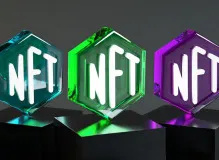 Productivity
 Productivity