For over long years, we have diligently conducted independent research and product testing. When you make a purchase through our links, we may earn a commission.
Discover the Mind-Blowing World of NFT Art!

Created: 3 weeks ago
119 min Read
Introduction: Understanding NFT Art
In recent years, there has been a buzz around a new form of digital art that has taken the world by storm - NFT art, or Non-Fungible Token art. This innovative concept has revolutionized the art industry, allowing artists to tokenize and sell their digital creations in a way that ensures uniqueness, scarcity, and ownership. In this blog post, we will delve deeper into the world of NFT art, exploring what it is, how it works, and why it has become such a sensation in the art world. So, let's embark on this exciting journey and unravel the mysteries behind NFT art!
What is NFT Art?
NFT, short for Non-Fungible Token, is a type of digital asset that represents ownership or proof of authenticity of a unique item or piece of content. Unlike cryptocurrencies such as Bitcoin or Ethereum, which are fungible and can be exchanged on a one-to-one basis, NFTs are one-of-a-kind and cannot be replicated or replaced. These digital tokens are stored on a blockchain, typically on the Ethereum network, which provides transparency, security, and immutability.
NFT art, therefore, refers to digital artworks that are minted and sold as NFTs. These artworks can take various forms, including digital illustrations, animations, virtual reality experiences, and even music albums. Each NFT art piece is associated with a specific token that contains metadata, such as the artist's information, a description of the artwork, and the transaction history.
How Does NFT Art Work?
To understand how NFT art works, it's crucial to grasp the underlying technology - blockchain. Blockchain is a decentralized ledger that records and verifies transactions across a network of computers. When an artist creates an NFT artwork, it is minted onto the blockchain using a process known as "smart contracts". These smart contracts are self-executing agreements that automate the entire lifecycle of the NFT, from creation and sale to royalties and licensing.
Once an NFT artwork is minted, it can be listed for sale on various online platforms called NFT marketplaces. These marketplaces provide a venue for artists and collectors to engage in buying and selling NFT art. When a buyer purchases an NFT artwork, they receive a unique token that serves as proof of ownership, recorded on the blockchain. This token can then be stored in a digital wallet and transferred or displayed as desired.
Why has NFT Art Become So Popular?
The rise of NFT art can be attributed to several factors. Firstly, it gives artists a new way to monetize their digital creations. In the past, digital art could easily be copied and shared without the creators receiving proper recognition or compensation. NFTs provide a solution to this problem by enabling artists to sell their work as unique digital assets, allowing them to retain ownership and receive royalties on any subsequent sales.
Furthermore, NFT art appeals to collectors and enthusiasts who value digital ownership and exclusivity. Owning an NFT artwork grants a sense of authenticity and rarity that cannot be replicated in the physical art world. Additionally, NFTs allow for creative experimentation and new ways of artistic expression, pushing the boundaries of traditional art forms.
Conclusion
NFT art has undoubtedly made a significant impact on the art industry, offering artists new opportunities and collectors a novel way to engage with digital art. As the technology continues to evolve and gain wider adoption, it is essential for artists, collectors, and enthusiasts to understand the potential and implications of NFT art. Whether you are an artist looking to explore this exciting medium or an art enthusiast eager to discover unique digital creations, NFT art opens up a world of possibilities that is worth exploring.
What are NFTs and How Do They Work?
NFTs, or Non-Fungible Tokens, have become a hot topic in the art world, especially in the realm of digital art. But what exactly are NFTs, and how do they work? Let's dive into the fascinating world of NFTs and explore their inner workings.
Understanding NFTs
NFTs are unique digital assets that represent ownership or proof of authenticity of a specific item or piece of content, such as artwork, music, collectibles, or even virtual real estate. Unlike traditional cryptocurrencies like Bitcoin or Ethereum, which are fungible and can be exchanged on a one-to-one basis, NFTs are indivisible and cannot be exchanged on an equal basis.
How NFTs are Created
NFTs are created using blockchain technology, which is a decentralized and transparent digital ledger. Most NFTs are minted on the Ethereum blockchain, utilizing smart contracts. Smart contracts are self-executing contracts with the terms of the agreement directly written into the code. These contracts automatically facilitate, verify, and enforce the transactions and ownership of the NFT.
Buying and Selling NFTs
NFTs can be bought and sold on various online marketplaces, with each marketplace having its own set of rules and fees. These marketplaces provide a platform for artists, creators, and collectors to connect and transact in the NFT space. Buyers can browse through a wide range of NFTs, often categorized by genre, artist, or type.
Artists or creators mint their digital artwork and set a price for their NFT. Once a buyer purchases an NFT, the ownership is transferred to them, recorded on the blockchain. This ownership is represented by a unique token associated with the NFT, which contains important metadata such as the creator's information, a description of the artwork, and the transaction history.
The Value and Appeal of NFTs
The value of NFTs lies in their uniqueness and scarcity. Each NFT is one-of-a-kind, making it a prized digital asset. Additionally, NFTs offer artists and creators new ways to monetize their work. By selling their creations as NFTs, artists can retain ownership and receive royalties on any subsequent sales.
NFTs also provide a new level of connection between creators and collectors. Owning an NFT allows collectors to support their favorite artists directly, forging a more personal and symbiotic relationship.
Potential Challenges and Future of NFTs
While NFTs have gained immense popularity, they are not without their challenges. Some concerns include the environmental impact of blockchain technology and the potential for copyright infringement.
However, it's undeniable that NFTs have opened up new avenues in the art world, democratizing access to digital art and offering new channels for creativity. With ongoing innovations and advancements in blockchain technology and the growing adoption of NFTs by mainstream industries, the future of NFTs and their impact on the art world looks promising.
In conclusion, NFTs have revolutionized the way digital art is bought, sold, and appreciated. These unique digital assets enable artists to monetize their creations and give collectors the opportunity to own and support their favorite works of art. As the NFT market continues to evolve and mature, it's an exciting time for artists, collectors, and enthusiasts to explore the endless possibilities of NFT kunst.
In recent years, the art world has witnessed a significant growth in the popularity of NFT (Non-Fungible Token) art. NFTs have become a hot topic within the art community, with artists and collectors alike embracing this new digital frontier. Let's delve deeper into the reasons behind the rise of NFT art and why it has captivated the attention of art enthusiasts worldwide.
The Evolution of Art: From Traditional to Digital
Art has always been a reflection of the times and the evolution of technology. With the advent of the internet and the digital age, traditional art forms have started to embrace digital mediums. NFT art represents the further evolution of art in the digital realm, offering artists new opportunities to create, showcase, and sell their artworks online.
Authenticity, Ownership, and Scarcity
One of the key factors driving the popularity of NFT art is the concept of authenticity, ownership, and scarcity. Unlike traditional art, where reproductions and copies can dilute the value and uniqueness of an artwork, NFTs guarantee the authenticity and originality of digital creations. Each NFT art piece is uniquely identified on the blockchain, ensuring that it cannot be duplicated or tampered with. This gives collectors the confidence that they own a true and exclusive piece of digital art.
Empowering Artists and Providing New Revenue Streams
NFT art has opened up new avenues for artists to showcase their talent, reach a broader audience, and monetize their work. In the past, digital artists often struggled to receive recognition and compensation for their creations. NFTs have provided a solution to this problem by allowing artists to mint and sell their artworks directly to collectors, cutting out intermediaries and empowering artists to retain ownership and control over their creations. Additionally, artists can earn royalties from secondary sales of their NFT art, ensuring a continuous revenue stream even after the initial sale.
Accessible and Inclusive Art Market
Another reason behind the growth of NFT art is its accessibility and inclusivity. The traditional art market can be exclusive and limited to a select few. NFT art, on the other hand, allows artists from all backgrounds and geographical locations to participate in the art market. It provides an opportunity for emerging artists to gain exposure, connect with collectors, and establish their own unique brand in the digital art world.
Cultural Impact and Digital Collectibles
NFT art has also made a significant cultural impact by introducing the concept of digital collectibles. Collecting digital assets and NFTs has become a popular trend, especially among younger generations who value digital experiences. NFT art pieces can be seen as unique digital collectibles, representing a new form of self-expression and cultural significance.
Conclusion
The growth and popularity of NFT art have revolutionized the way we perceive and experience art in the digital age. The authenticity, ownership, and scarcity provided by NFTs have empowered artists, created new revenue streams, and opened up an inclusive and accessible art market. This trend shows no signs of slowing down, and we can expect NFT art to continue pushing the boundaries of creativity and innovation in the art world. So, buckle up and join the exciting journey of NFT art, where digital meets creativity and passion.
With the growing popularity of NFT art, several notable examples have emerged, making waves in the art world. Let's explore some of these famous NFT artworks and understand the impact they have had.
-
Beeple's "Everydays: The First 5000 Days"
- 🌟 NFT Kunst: Beeple's "Everydays: The First 5000 Days" is a groundbreaking piece of NFT art that fetched a staggering $69 million in a historic auction. This artwork consists of a digital collage compiled from Beeple's daily digital creations over a span of 13 years.
- 🌐 The impact: This sale brought NFT art into the mainstream and showcased its immense value and potential. It put Beeple and NFT art at the forefront of digital art conversations.
-
CryptoPunks
- 🌟 NFT Kunst: CryptoPunks are a collection of 10,000 unique 24x24 pixel art characters, each with its distinct characteristics and traits. These NFT artworks became a sensation, with some of them selling for millions of dollars.
- 🌐 The impact: CryptoPunks became early pioneers in the NFT space, paving the way for other collectible NFT projects. They demonstrated the concept of rare and unique digital assets, leading to a surge in interest and investment in NFT art.
-
Art Blocks Curated
- 🌟 NFT Kunst: Art Blocks Curated is a platform that showcases generative art projects, where artists create algorithms to produce unique and evolving artworks. Each generative art piece is minted as an NFT and sold to collectors.
- 🌐 The impact: Art Blocks Curated has revolutionized the idea of algorithmic art and brought it to the forefront of NFT art. It has enabled artists to create diverse and dynamic artworks, captivating audiences with their ever-changing nature.
-
"Crossroads" by Beeple
- 🌟 NFT Kunst: "Crossroads" is another prominent NFT artwork by Beeple that sold for a staggering $6.6 million. This piece features a representation of Donald Trump lying on the grass, accompanied by a chaotic and dystopian landscape.
- 🌐 The impact: "Crossroads" raised discussions about the intersection of politics and digital art. It sparked conversations about the social commentary within NFT art and showcased its ability to capture cultural and political moments.
These famous examples of NFT art illustrate the diversity, creativity, and value that the medium brings to the art world. NFT kunst has opened up new avenues for artists to showcase their talent, provided collectors with unique and exclusive digital assets, and propelled the digital art movement into the mainstream. As the NFT art space continues to evolve, we can expect even more innovative and groundbreaking artworks to emerge, captivating audiences around the globe.
The Benefits of NFT Art for Artists
NFT art has opened up a world of opportunities for artists, providing them with a range of benefits that traditional art forms often fall short of. Here are some of the key advantages of NFT art for artists:
-
Direct Sales and Revenue Generation: By utilizing NFTs, artists can sell their digital artwork directly to collectors without the need for intermediaries such as galleries or agents. This allows artists to retain a larger portion of the revenue generated from each sale.
-
Increased Exposure: NFT art has gained significant traction in the digital world, attracting a global audience of art enthusiasts and collectors. Artists can leverage this growing interest to gain exposure and recognition for their work on various online platforms and social media channels.
-
Immutable Ownership and Royalties: NFTs provide a reliable method for tracking and verifying ownership of digital art. Artists can include smart contracts that automatically enforce royalties, ensuring that they receive a percentage of future sales of their artwork.
-
Exclusivity and Scarcity: NFT art allows artists to create limited editions or even one-of-a-kind pieces that cannot be replicated. This aspect of exclusivity and scarcity adds value to their artwork and can drive increased demand and higher prices.
-
Global Accessibility: Unlike physical artworks that may be restricted by geographical boundaries, NFT art can be accessed and purchased by anyone with an internet connection. This opens up new markets and audiences for artists, breaking down traditional barriers to entry.
The Challenges of NFT Art for Artists
While NFT art presents exciting opportunities, it also comes with its own set of challenges that artists need to navigate. Here are a few key challenges faced by artists in the NFT art space:
-
Environmental Concerns: NFTs are currently primarily built on blockchain technology that relies on energy-intensive proof-of-work algorithms. This has raised concerns about the environmental impact of NFT art and its contribution to carbon emissions. Artists need to consider the sustainability aspect of their NFT artwork.
-
Marketplace Saturation and Competition: With the increasing popularity of NFT art, the marketplace is becoming more saturated, making it harder for artists to stand out and gain visibility. Artists need to develop unique and compelling artwork while leveraging effective marketing strategies to differentiate themselves from the competition.
-
Digital Theft and Copyright Infringement: Given the digital nature of NFT art, there is a risk of unauthorized copying or distribution of artists' work. Artists need to be vigilant in protecting their intellectual property and exploring legal avenues to combat theft and infringement.
-
Technical Barriers and Learning Curve: NFT art involves navigating various platforms, wallets, and blockchain technologies, which can be daunting for artists who are new to the digital space. Artists may need to invest time and effort in understanding the technical aspects and staying updated with the evolving landscape.
Despite these challenges, NFT art continues to offer a promising avenue for artists to explore and monetize their digital creations. By embracing the benefits, addressing the challenges, and staying adaptable to the evolving landscape, artists can leverage NFT art to broaden their horizons and connect with a global audience like never before.
Blockchain Technology and Its Impact on NFT Art
The role of blockchain technology in NFT art cannot be overstated. Blockchain, the underlying technology behind cryptocurrencies like Bitcoin and Ethereum, has revolutionized the art world by providing a decentralized and transparent platform for the creation and trading of NFTs. Let's explore how blockchain technology enhances the NFT art ecosystem and why it has become an integral part of this digital revolution.
🔎 Keyword: NFT-Kunst
Immutability and Authenticity
One of the key advantages of using blockchain technology in NFT art is the immutability it offers. Once an NFT artwork is minted and recorded on the blockchain, the transaction history and ownership details cannot be altered or tampered with. This guarantees the authenticity and provenance of the artwork, providing collectors and buyers with confidence in their purchases. By incorporating blockchain technology, NFT-Kunst gains an additional layer of trust and reliability in the art market.
Transparency and Traceability
Blockchain technology brings transparency and traceability to the world of NFT art. Every transaction and transfer of ownership is recorded and visible on the blockchain, providing a public and auditable ledger. This transparency allows artists and collectors to trace the history of an artwork, ensuring its legitimacy and preventing fraudulent activities. NFT-Kunst, when built on the blockchain, offers a verifiable and transparent art ecosystem for all stakeholders involved.
Smart Contracts and Royalties
Smart contracts play a significant role in NFT-Kunst by providing automatic execution of agreements and rules. These self-executing contracts are embedded within the NFT, allowing artists to define their terms and conditions, including royalty rights. When an NFT artwork is resold, the smart contract automatically triggers a royalty payment to the artist, ensuring that they continue to benefit from the increasing value of their creation. This innovative feature of blockchain-based NFT-Kunst creates a fair and sustainable revenue stream for artists.
Decentralization and Accessibility
Blockchain technology enables decentralization and removes the need for intermediaries in the NFT-Kunst market. Traditional art markets are often controlled by galleries, auction houses, and brokers, limiting access for artists and collectors. However, with blockchain-enabled NFT-Kunst, artists can directly connect with their audience and sell their artworks on various online marketplaces. This decentralization democratizes the art world, allowing artists from all backgrounds to showcase and monetize their talent.
Environmental Concerns
Although blockchain technology has numerous benefits for NFT-Kunst, it is important to address the environmental concerns associated with certain blockchain networks, such as Ethereum, which is primarily used for NFT art. Ethereum currently operates on a proof-of-work consensus mechanism, which consumes a significant amount of energy. However, the Ethereum network is transitioning to a more sustainable and energy-efficient proof-of-stake mechanism, which will mitigate these concerns in the future.
In conclusion, the integration of blockchain technology has revolutionized the world of NFT-Kunst, offering immutability, authenticity, transparency, and traceability. With the use of smart contracts, the revenue sharing model has become more equitable, benefiting artists in the long run. Additionally, decentralization has made it easier for artists to showcase their artwork and for collectors to engage in NFT-Kunst. Although environmental concerns exist, efforts are being made to address them and ensure a sustainable future for blockchain-based NFT-Kunst.
The emergence of NFT art has sparked a significant shift in the traditional art market, challenging long-held notions of value, ownership, and authenticity. As the popularity of NFTs continues to grow, established artists and collectors are exploring this new frontier of digital art, opening up exciting possibilities and reshaping the landscape of the art world.
NFT kunst, or NFT art in German, has gained traction in the international art scene, with artists from various countries embracing this innovative medium to showcase their creative talents. The decentralized nature of NFTs allows artists to reach a global audience, eliminating the need for physical galleries and creating a direct connection between artists and collectors.
One of the most significant advantages of NFT kunst is the ability to prove the authenticity and provenance of digital artworks. The blockchain technology used in NFTs ensures that each piece of art is uniquely attributed to the artist and securely recorded on the blockchain. This transparency and traceability provide collectors with a level of trust and confidence in their acquisitions, which can be particularly valuable in the realm of digital art.
Additionally, NFT kunst offers new opportunities for artists to monetize their work. Through the sale of NFTs, artists can receive direct compensation for their digital creations, eliminating the need for intermediaries like galleries or auction houses. This democratization of the art market allows artists to retain more control over their artistic expressions and generate income from their passion.
Collectors, too, are drawn to the world of NFT kunst. Owning an NFT artwork grants collectors a sense of exclusivity and uniqueness. The scarcity and indivisibility of NFTs make them highly coveted by art enthusiasts and collectors who crave the thrill of owning a one-of-a-kind piece.
Compared to traditional art forms, NFT kunst offers a more immersive and interactive experience. With the advent of virtual reality (VR) and augmented reality (AR), artists can create dynamic and engaging digital art experiences. Collectors can now not only admire and appreciate art but also step into virtual galleries or interact with the artworks through AR applications.
As with any emerging market, there are challenges and considerations to be aware of in the realm of NFT kunst. Environmental concerns have arisen due to the energy consumption associated with blockchain technology. However, efforts are being made to develop more sustainable solutions and reduce the carbon footprint of NFT transactions.
Furthermore, there is a need for greater education and awareness surrounding NFT kunst. Understanding the intricacies of blockchain technology, navigating NFT marketplaces, and discerning the value and authenticity of digital artworks can be daunting for newcomers. Establishing standards and best practices within the NFT art community will be essential for its continued growth and legitimacy.
In conclusion, NFT kunst represents a groundbreaking evolution in the art market. It offers artists new avenues to showcase their creativity, allows collectors to own unique digital assets, and challenges traditional notions of art consumption. While the world of NFT art is still evolving, it undoubtedly holds great promise for artists, collectors, and the art community as a whole.
Exploring the World of NFT Kunst
If you're an artist or a collector interested in diving into the exciting world of NFT Kunst, there are a few key steps you can take to get started. Whether you're looking to mint and sell your own digital artworks or acquire unique NFT pieces, this guide will provide you with the essential information you need.
1. Educate Yourself on NFTs and Blockchain
Before embarking on your NFT Kunst journey, it's crucial to familiarize yourself with the concept of NFTs and how they are powered by blockchain technology. 🎓 NFTs represent ownership or proof of authenticity of digital assets, including artworks, and are stored on a decentralized ledger called the blockchain. By understanding the foundations, you'll be better equipped to navigate the world of NFT Kunst.
2. Choose the Right Platform
To get started in the NFT Kunst space, you'll need to select a reliable and reputable NFT marketplace platform. 💻 Platforms like OpenSea, SuperRare, and Rarible are popular choices for both artists and collectors. These platforms provide user-friendly interfaces, wide market reach, and secure transaction processes, making them ideal for beginners.
3. Create or Select Your NFT Artwork
If you're an artist ready to mint your own NFT Kunst, it's time to create your digital masterpiece. Utilize your artistic skills to produce an eye-catching and unique artwork that will captivate potential buyers. For collectors, exploring existing NFT artworks on various platforms is the next step. 🔎 Browse through the collections, find artists that resonate with you, and select the pieces that speak to your aesthetic preferences.
4. Minting and Uploading Your NFT
When you've finalized your artwork or selected the NFT pieces you wish to acquire, it's time to mint and upload them onto the chosen NFT marketplace. Minting involves attaching your artwork with a digital token that represents its authenticity and ownership. Some marketplaces require you to pay a fee, while others operate on a gas fee model, utilizing the Ethereum blockchain.
5. Selling and Collecting NFT Kunst
For artists, selling your NFT Kunst can be an exciting endeavor. Set a price for your artwork, create an engaging description, and promote your piece across social media platforms and art communities. As a collector, you can either buy already minted NFT artworks directly from the marketplace or participate in auctions and bidding to secure coveted pieces.
6. Engage with the NFT Kunst Community
Community engagement is vital for artists and collectors alike to establish connections, gain exposure, and stay updated on the latest trends. Join online forums, social media groups, and attend virtual exhibitions, where you can interact with fellow NFT Kunst enthusiasts, share your work, and gain inspiration.
Conclusion: Unleash Your Creativity in the NFT Kunst Realm
Now that you have a step-by-step guide to getting started with NFT Kunst, it's time to unleash your creativity and explore the exciting possibilities within this innovative art movement. Whether you're an artist minting your own NFT artworks or a collector acquiring unique pieces, the world of NFT Kunst offers a new way to appreciate, collect, and showcase digital art like never before. Embrace the digital revolution and embark on an extraordinary journey in the realm of NFT Kunst! 🎨💫
As we delve into the exciting world of NFT art, it's important to consider the future potential of this groundbreaking form of expression. 🎨 With the growing popularity of NFTs, many artists and industry experts are exploring the endless possibilities and opportunities that lie ahead for NFT kunst.
One aspect that sets NFT kunst apart is its ability to transcend geographical boundaries and connect artists with a global audience. 🌍 Traditional art forms often rely on physical galleries or exhibitions to showcase and sell artworks, limiting the reach and accessibility of artists. However, NFT kunst allows creators to showcase their digital artworks to a worldwide audience on various online platforms.
The potential for revenue generation is another significant aspect of NFT kunst. 🔥 Unlike traditional art, NFTs provide artists with a direct path to monetization. By selling their digital artworks as NFTs, artists can receive instant and transparent payments for their creations. Additionally, as NFTs can be resold on secondary markets, artists can continue to earn royalties whenever their artworks are bought or sold again.
Furthermore, NFT kunst opens up new avenues for collaborations and partnerships within the art community. Artists can collaborate with musicians, filmmakers, and other creative individuals to create immersive and multidimensional experiences. By combining different art forms, NFT kunst has the potential to redefine the boundaries of artistic expression and create truly unique and captivating experiences for viewers.
The inclusivity and accessibility of NFT kunst should not be overlooked. In the traditional art world, barriers such as high costs, elitism, and gatekeeping can limit participation and opportunities for emerging artists. However, NFT kunst provides a platform where artists from diverse backgrounds and experiences can showcase their talents and gain recognition on a global scale. This democratization of the art industry allows for a more diverse and inclusive art landscape.
As blockchain technology continues to evolve, we can expect to see even more innovative applications for NFT kunst. From virtual reality exhibitions to interactive art experiences, the possibilities are limitless. Additionally, the integration of blockchain with other emerging technologies, such as artificial intelligence and augmented reality, can result in completely new and immersive artistic experiences.
In conclusion, NFT kunst has the potential to reshape the art industry as we know it. With its global reach, revenue potential, collaborative nature, inclusivity, and innovative possibilities, NFT kunst is poised to revolutionize how we create, experience, and collect art. Embrace the future of art with NFTs and discover the endless horizons of creativity that await. 🌌✨
In conclusion, NFT art has emerged as a revolutionary force in the art world, providing artists and collectors with new opportunities and experiences. The concept of owning digital assets through the use of NFTs, such as NFT Kunst, has sparked excitement and controversy alike. The ability to tokenize and sell digital artworks as unique assets has opened up a whole new market for artists to showcase their talent and for collectors to own exclusive pieces.
By leveraging blockchain technology and the power of smart contracts, NFT art has introduced a level of authenticity, scarcity, and transparency that was previously unheard of in the digital art space. Artists can now receive recognition and compensation for their creations, while collectors can own and trade unique artworks in a secure and decentralized manner.
While NFT art has faced some criticism due to environmental concerns and the potential for fraud or copyright infringement, it is important to recognize the potential it holds for the art industry. It has created a space for artists to explore new mediums, experiment with digital creativity, and reach a global audience. Moreover, NFT art has sparked a dialogue about the value and perception of art in the digital age.
Whether you are an artist looking to tap into this new market, a collector seeking unique pieces to add to your collection, or simply an enthusiast curious about the world of NFT art, embracing this revolutionary concept can be an exciting and rewarding journey. So, dive into the world of NFT Kunst and explore the limitless possibilities that await you. Open your mind to the fusion of art and technology, and witness the transformation of the art world as we know it.
🎨🌐✨ In the realm of NFT art, the boundaries of creativity are pushed, the definition of ownership is reimagined, and the digital revolution collides with traditional artistic expression. Embrace this new era, embrace NFT art, and witness the power of innovation in the world of Kunst. 🚀💥
What are NFTs and why are they revolutionizing the art world?
In recent years, a new phenomenon called NFTs (Non-Fungible Tokens) has taken over the art world, causing a revolution in the way we perceive and trade digital art. But what exactly are NFTs and why have they become such a game-changer? Let's dive in and explore this exciting new trend.
Understanding NFTs
NFTs, or Non-Fungible Tokens, are unique digital assets that represent ownership or proof of authenticity of a specific item, artwork, or piece of content. Unlike cryptocurrencies such as Bitcoin or Ethereum, which are fungible and can be exchanged on a one-to-one basis, NFTs are one-of-a-kind and cannot be replicated or replaced. Each NFT has its own distinct value, characteristics, and digital identity.
The Emergence of NFT Kunst
With the rise of NFTs, the art world has witnessed a paradigm shift, enabling artists to tokenize and sell their digital artworks as NFTs. This has given birth to a new genre of art - NFT Kunst. NFT Kunst refers to digital art that is created, minted, bought, and sold as NFTs. This innovative approach to art ownership and distribution has opened up a world of possibilities for artists and collectors alike.
The Benefits of NFT Kunst
The NFT Kunst movement offers several benefits that have contributed to its rapid adoption and success. Firstly, it provides artists with a platform to create and monetize their digital creations in a more secure and transparent manner. By using blockchain technology, NFTs ensure authenticity, provenance, and traceability of artworks, overcoming the challenges of art forgery and piracy.
Moreover, NFT Kunst allows artists to retain ownership and control over their creations. Through the use of smart contracts, artists can embed specific terms and conditions that govern the resale and royalties of their NFT artworks. This means that artists can continue to earn income from the future sales of their artworks, even after the initial purchase.
The Appeal of NFT Kunst
NFT Kunst has captivated collectors and art enthusiasts worldwide due to its unique qualities and experiences. Owning an NFT artwork grants a sense of exclusivity and status, as each piece is truly one-of-a-kind. Collectors can showcase their digital art collections in virtual galleries, share them on social media, or even display them in augmented reality. NFT Kunst opens up new avenues for the exploration and enjoyment of art, connecting artists and collectors in a new and exciting way.
Conclusion
In conclusion, NFTs and the emergence of NFT Kunst have revolutionized the art world, offering a new era of digital ownership and creativity. The unique characteristics of NFTs, combined with the transparency and security of blockchain technology, have propelled this new form of art to unprecedented heights. As more artists and collectors embrace NFT Kunst, we can expect to see further innovation and possibilities emerge in the intersection of art and technology.
Art has always been a medium of expression and a way for artists to share their vision with the world. With the advent of technology, the art world has undergone a significant transformation, paving the way for the emergence of NFT art. NFT art, or NFT Kunst as it is referred to in German, has gained immense popularity in recent years. So, let us delve deeper into this fascinating world and understand the concept of digital ownership with NFTs.
NFTs have revolutionized the art industry by allowing artists to tokenize their digital artworks. By minting their creations as NFTs, artists can establish ownership, uniqueness, and scarcity within the digital realm. The term NFT Kunst encompasses not only the German translation of NFT art but also highlights the vibrant and diverse artworks created by German artists.
The concept of digital ownership is at the core of NFT art. By utilizing blockchain technology, such as the Ethereum network, NFTs provide a transparent and secure method for artists and collectors to verify ownership of digital assets. Each NFT represents a one-of-a-kind piece of art and is associated with specific metadata that includes details about the artwork, the artist, and the transaction history.
Unlike traditional art forms, NFT Kunst exists solely in the digital space. It can take various forms, including digital illustrations, animations, virtual reality experiences, and even interactive installations. Through NFT art platforms and marketplaces, artists can showcase and sell their creations, allowing collectors to own a piece of this digital art revolution.
When collectors purchase an NFT artwork, they receive a unique token that serves as proof of ownership. This token is stored in a digital wallet, allowing collectors to showcase their NFT collection and trade or sell their NFTs as desired. The ownership of NFT artworks provides a tangible digital asset that can be passed down, displayed, or even loaned to virtual galleries or exhibitions.
The allure of NFT art lies in its ability to bridge the gap between the physical and digital worlds. With traditional physical artworks, there are limitations on ownership and transferability. NFTs break these barriers by allowing artists and collectors to directly engage in a global marketplace for digital art, transcending geographical boundaries.
The emergence of NFT Kunst has sparked a new era of creativity and ownership in the art world. Artists are now empowered to explore digital mediums and reach a wider audience, while collectors have the opportunity to own unique and highly sought-after digital artworks. The concept of digital ownership with NFTs has created a paradigm shift, challenging traditional notions of art and expanding the boundaries of artistic expression.
In conclusion, NFT art, or NFT Kunst, is a groundbreaking concept that has brought digital ownership to the forefront of the art world. Through the utilization of blockchain technology and the creation of unique tokens, artists can tokenize and sell their digital artworks, while collectors can own and trade these one-of-a-kind pieces. As the world continues to embrace the digital revolution, NFT Kunst paves the way for a new era of art and digital ownership.
Exploring the Unique Features of NFT Art
NFT kunst, or NFT art, boasts several unique features that set it apart from traditional art forms. Let's take a closer look at these features and understand why NFT kunst has gained such popularity in recent years.
1. Authenticity and Ownership: One of the key aspects of NFT kunst is the ability to establish and prove authenticity and ownership. Each NFT artwork is attributed to a specific token on the blockchain, providing an immutable record of its origin and ownership history. This transparency ensures that collectors can confidently verify the authenticity of the artwork they are purchasing.
2. Scarcity and Exclusivity: NFT kunst thrives on the concept of scarcity and exclusivity. Unlike traditional art forms where copies can be made and circulated, NFTs are designed to be one-of-a-kind. This scarcity adds value to the artwork and creates a sense of exclusivity for collectors. By owning an NFT kunst piece, collectors can possess a digital asset that is truly unique and cannot be replicated.
3. Royalties and Revenue Generation: NFT kunst offers artists the opportunity to generate ongoing revenue through royalties. When an NFT artwork is resold on the secondary market, artists can receive a percentage of the sale price as royalties. This provides artists with a sustainable income stream, even after the initial sale of their artwork. This revenue-sharing model incentivizes artists to continue creating and contributing to the NFT kunst ecosystem.
4. Interactivity and Immersion: NFT kunst goes beyond traditional static artworks by incorporating interactivity and immersion. Artists can experiment with various digital mediums, including animations, virtual reality experiences, and interactive elements. This interactive aspect allows collectors to engage with the artwork on a deeper level, creating a more immersive and dynamic experience.
5. Global Accessibility and Community: NFT kunst has a global reach, transcending geographical boundaries. Artists can connect with collectors and enthusiasts from around the world, eliminating the limitations of physical galleries or exhibitions. NFT marketplaces serve as platforms for artists to showcase their work to a vast audience, fostering a vibrant and diverse community of creators and collectors.
In conclusion, NFT kunst offers a range of unique features that have contributed to its growing popularity. From establishing authenticity and ownership to leveraging scarcity and exclusivity, NFT kunst has revolutionized the art industry. By embracing interactivity, enabling revenue generation through royalties, and fostering a global community, NFT kunst continues to shape the future of digital art. Whether you are an artist or a collector, exploring the world of NFT kunst opens up exciting possibilities for creativity, ownership, and collaboration.
Traditional art market norms have long been established, with physical artworks being bought and sold through galleries and auctions. However, the advent of NFT art has disrupted these norms and introduced a new paradigm for artists and collectors. NFT kunst, or NFT art in German, is at the forefront of this revolution, challenging traditional notions of art ownership, provenance, and value.
🔥 NFT kunst represents a paradigm shift in the art world, as it breaks away from the constraints of physical mediums and embraces the digital realm. Artists can now create and sell their artwork directly to collectors across the globe, without the need for intermediaries or geographical limitations. This has opened up a vast new market for artists, empowering them to reach a global audience and establish their brand in unprecedented ways.
👩🎨 One way in which NFT kunst challenges traditional art market norms is through its emphasis on ownership and provenance. In the traditional art market, physical artworks can change hands multiple times, but verifying the authenticity and history of a piece can be complex and time-consuming. With NFT art, digital ownership is recorded on the blockchain, providing an immutable and transparent record of provenance. Collectors can easily verify the authenticity and ownership of an NFT kunst piece, providing a level of trust and confidence that traditional art market lacks.
✨ The value of NFT kunst is also redefining the art market. Historically, the value of a physical artwork is primarily determined by factors such as the artist's reputation, scarcity, and demand. NFT art introduces a new dimension to this equation, as the uniqueness and limited supply of NFTs inherently make them scarce. Additionally, the ability to incorporate smart contracts into NFT kunst allows artists to receive royalties on subsequent sales, further adding value to their work.
💻 The digital nature of NFT kunst also enables artists to experiment with new mediums and forms of expression. Digital artists can create immersive virtual reality experiences, interactive installations, and generative art that evolves over time. These innovative approaches to art would be challenging to reproduce in the physical realm, but NFT art provides a platform for artists to push the boundaries of creativity and invite viewers to engage in a whole new way.
🔍 While NFT kunst may be challenging traditional art market norms, it is important to recognize that both traditional and digital art forms have their own merits and place in the art world. The rise of NFTs does not diminish the value or significance of traditional art, but rather offers a complementary and alternative space for artists and collectors to explore.
In conclusion, NFT kunst is revolutionizing the art world by challenging traditional art market norms. It provides artists with new opportunities for monetization and global exposure, while collectors benefit from increased transparency and provenance. The value and creativity of NFT kunst are reshaping the art market landscape, inviting both artists and enthusiasts to explore the uncharted territories of digital art ownership and expression.
The rise of NFT marketplaces: Where can you buy and sell NFT art?
With the increasing popularity of NFT art, the demand for platforms to buy and sell these unique digital assets has skyrocketed. Nowadays, there are several prominent NFT marketplaces where artists and collectors can engage in trading NFT artworks. Let's take a closer look at some of the leading platforms in the NFT art space.
-
OpenSea: OpenSea is one of the largest decentralized NFT marketplaces and offers a wide range of digital assets, including NFT art, virtual land, gaming items, and more. Artists can easily create and list their NFT artworks on OpenSea, and collectors can browse through a vast selection of unique pieces.
-
SuperRare: SuperRare prides itself on being a curated platform that showcases limited-edition NFT art. Each artwork on SuperRare is carefully selected, ensuring a high standard of quality and exclusivity. Collectors can bid on or purchase these limited-edition pieces, supporting the artists directly.
-
Rarible: Rarible is a decentralized platform that allows artists to create, sell, and trade NFT art. It also provides a unique feature called "minting," allowing users to easily create their own NFTs without technical knowledge. Rarible strives to promote inclusivity and accessibility in the NFT art space.
-
Nifty Gateway: Nifty Gateway sets itself apart by providing a user-friendly interface for purchasing NFT art. It collaborates with renowned artists and brands to showcase exclusive drops and collections. Nifty Gateway also allows collectors to purchase NFTs using credit cards, making it more accessible to a wider audience.
-
Foundation: Foundation is an invitation-only NFT marketplace that focuses on supporting and promoting emerging artists. It aims to provide a platform for creators to showcase their unique perspectives and connects them with passionate collectors who appreciate their work.
Aside from these leading NFT marketplaces, there are also other platforms emerging in the NFT art space, such as KnownOrigin, hic et nunc, and Mintable. Each platform offers its own unique features, user experience, and community of artists and collectors.
Whether you are an artist looking to showcase your NFT artwork or a collector seeking to own unique digital assets, these NFT marketplaces provide the platform and infrastructure to facilitate the buying and selling of NFT art. Exploring these platforms can open doors to an exciting world of creativity, innovation, and community in the realm of NFT kunst. So, dive in, explore the possibilities, and seize the opportunities that the NFT art marketplaces have to offer!
NFT kunst or NFT art has had a significant impact on artists, sparking a debate about whether it is truly empowering creators or exacerbating inequality within the art world. Let's explore both sides of this argument and understand the complexities surrounding the emergence of NFTs in the art industry.
Empowering Creators
One of the key aspects of NFT kunst is that it provides artists with a new revenue stream and greater control over their work. Artists can mint their digital artworks as NFTs and directly sell them to collectors, bypassing traditional gatekeepers such as galleries or auction houses. This democratizes the art market, allowing artists from diverse backgrounds and identities to gain exposure and earn income from their creations.
NFTs also introduce the concept of "smart contracts," which can automatically enforce royalties for artists. Every time an NFT is resold, the artist can receive a percentage of the sale, ensuring ongoing revenue streams even after the initial purchase. This creates a more sustainable model for artists, especially those who have historically struggled to make a living solely from their art.
Furthermore, NFT kunst provides a unique opportunity for artists working in digital mediums. Previously, digital art was often undervalued or dismissed due to challenges surrounding ownership and authenticity. NFTs address these concerns by utilizing blockchain technology to establish provenance and ownership, giving digital artists a platform to showcase and sell their work on equal footing with traditional mediums.
Exacerbating Inequality
While NFT kunst has the potential to empower creators, there are valid concerns about its impact on inequality within the art world. Critics argue that the high costs associated with minting and trading NFTs create financial barriers that favor artists who are already established or financially privileged. The fees for minting NFTs and transaction costs on blockchain networks like Ethereum can be prohibitive for emerging artists or those from marginalized communities.
Additionally, the environmental impact of NFTs has come under scrutiny. The energy consumption required for minting and trading NFTs has raised concerns about the carbon footprint associated with these digital assets. Artists who are passionate about environmental sustainability may be hesitant to participate in NFT kunst due to these environmental concerns, further contributing to the divide between artists in the NFT space.
Striking a Balance
To address the critique and concerns surrounding NFT kunst, it is essential to strive for a more inclusive and sustainable approach. Platforms and marketplaces that support NFTs can take steps to reduce fees for artists, especially those in underrepresented communities, and explore alternative blockchain networks with lower energy consumption. Additionally, establishing initiatives and grants that support emerging and marginalized artists in navigating the NFT space can help level the playing field.
In conclusion, the impact of NFT kunst on artists is multifaceted. While it presents exciting opportunities for artists to gain control, visibility, and financial benefits, there are also concerns about inequality and environmental implications. Striking a balance between empowering creators and addressing the challenges associated with NFTs is crucial for the long-term sustainability and equitable growth of the NFT art movement.
Unveiling the environmental concerns associated with NFT art
While NFT art has garnered significant attention and excitement in the art world, it is essential to acknowledge and address the environmental concerns that have emerged alongside its popularity. The process of minting and trading NFTs requires considerable energy consumption, predominantly due to the underlying blockchain technology. Let's explore these concerns and consider the potential solutions for a more sustainable NFT art ecosystem.
The Energy Impact of NFT Art
Due to the decentralized nature of blockchain technology, NFT art relies on a network of computers, known as nodes, to validate and record transactions. This process requires a substantial amount of computational power, leading to high energy consumption. In particular, the Ethereum blockchain, which is the most widely used for NFT art, utilizes a consensus mechanism called Proof-of-Work (PoW), which demands immense computational resources and, consequently, substantial energy consumption.
Carbon Footprint Considerations
The energy consumption associated with PoW blockchain networks leads to concerns about carbon emissions. As more artists and collectors engage with NFT art, the carbon footprint associated with its operations becomes more significant. This has raised questions about the sustainability and environmental responsibility of the NFT art space.
Seeking Sustainable Solutions
Recognizing these concerns, the blockchain community is actively exploring alternative consensus mechanisms for improved sustainability. One such mechanism is Proof-of-Stake (PoS), which requires users to hold and "stake" a certain amount of cryptocurrency to validate transactions. PoS consumes significantly less energy compared to PoW, making it a more eco-friendly option. Some blockchains, like Ethereum, are transitioning from PoW to PoS, aiming to reduce their environmental impact.
Another approach to mitigating the environmental impact of NFT art is the use of renewable energy sources for blockchain mining and transaction validation. By powering these energy-intensive processes with renewable energy, the carbon emissions associated with NFT art can be greatly reduced.
Responsible NFT Art Practices
Artists and collectors can also contribute to a more environmentally responsible NFT art ecosystem by being mindful of their choices. Artists may consider creating digital art with a lower carbon footprint, such as using alternative blockchain platforms that employ energy-efficient consensus mechanisms or exploring art forms that require fewer computational resources. Collectors can focus on supporting artists who actively promote sustainability and environmental responsibility within the NFT art space.
Conclusion: Striving for Sustainable NFT Art
As the NFT art market continues to evolve, it is vital to address and mitigate the environmental concerns associated with its operations. By leveraging sustainable technologies, embracing renewable energy sources, and fostering responsible practices, the NFT art community can work together to create a more eco-friendly and sustainable ecosystem. Through collaborative efforts and conscious choices, we can ensure that NFT art continues to thrive while minimizing its environmental impact.
NFT (Non-Fungible Token) art is swiftly emerging as a groundbreaking phenomenon in the world of digital creativity. With its potential for transforming the way we perceive and consume art, NFT art has captured the attention of artists, collectors, and investors alike. In this section, we will explore the impact of NFT art on the art industry and how it opens up new possibilities for artists to showcase their talent and for art enthusiasts to engage with unique and valuable artworks.
Breaking the Boundaries: NFT Art Goes Beyond Traditional Constraints
NFT art challenges the traditional boundaries that have defined the art world for centuries. With NFTs, artists can create and sell digital artworks without the constraints of physical mediums or traditional gallery spaces. This freedom allows artists to explore new creative avenues, experiment with different art forms, and reach a global audience instantaneously.
⭐️Moreover, NFT art provides artists with unprecedented control and ownership over their works. By minting their art as NFTs, artists can prove the authenticity and originality of their creations, effectively protecting their intellectual property rights. This assurance of ownership not only benefits artists but also gives collectors peace of mind knowing they own a legitimate and unique piece of art.
NFT Art as a Gateway to the Digital Art Market
One of the most exciting aspects of NFT art is its ability to unlock the potential of the digital art market. Traditionally, digital art has faced challenges due to its easily replicable nature. However, by tokenizing digital artworks as NFTs, these unique creations can now be bought, sold, and collected with a tangible sense of ownership.
🔥Investors and art enthusiasts are eagerly embracing NFT art as a new investment opportunity. The value of NFT art can appreciate based on factors such as the reputation and popularity of the artist, the uniqueness and scarcity of the artwork, and the demand within the NFT market. This opens up a whole new world of possibilities for artists to monetize their creations and for collectors to diversify their portfolios with digital assets.
Redefining Artistic Collaboration and Inclusivity
NFT art also revolutionizes the concept of artistic collaboration and inclusivity. It enables artists from different corners of the world to connect and collaborate on digital art projects without the need for physical proximity. This decentralization of creative collaboration not only breaks down geographical barriers but also fosters diversity and inclusivity within the art community.
💫Furthermore, NFT art has the potential to empower emerging artists by democratizing the art market. By leveraging the transparent nature of the blockchain, artists can bypass intermediaries and directly connect with their audience, gaining recognition and support for their talent on a global scale.
The Future of NFT Art
As NFT art continues to gain momentum, it is shaping the future of the art industry. This innovative technology opens up endless possibilities for artists to redefine the notion of ownership, engagement, and creativity. With the potential to revolutionize the art market, democratize access to art, and create new revenue streams for artists, NFT art is here to stay.
🚀Whether you are an artist seeking new avenues for expression, a collector looking to diversify your art collection, or simply an art enthusiast curious about the evolving landscape of digital creativity, NFT art offers a thrilling journey into the world of limitless possibilities. Embrace the revolution and explore the vast realm of NFT art!
In addition to its impact in the digital realm, NFT art has also started to blur the line between the virtual and physical worlds. Artists and collectors are finding unique ways to merge the two, creating an immersive experience that goes beyond the confines of a screen.
🔑 NFT kunst artists are exploring the concept of "phygital" art, combining physical elements with digital tokens. For example, an artist might create a traditional painting and then tokenize it as an NFT. The physical artwork becomes a tangible representation of the digital ownership, enhancing the value and collectability.
Another exciting development is the integration of augmented reality (AR) and virtual reality (VR) technologies with NFT art. Artists can create AR or VR experiences that are attached to NFTs, allowing collectors to immerse themselves in unique virtual worlds inspired by the artwork. This brings a new level of interactivity and engagement to traditional art forms.
🔑 NFT kunst collectors are also pushing the boundaries by using digital frames or screens to display their NFT art. These displays can be programmed to showcase different artworks at different times, giving collectors the ability to curate their own virtual galleries. This enables them to enjoy and share their collections in a dynamic and ever-changing way.
Moreover, NFT art has opened up new possibilities for collaboration and crossovers between artists from different fields. Musicians can collaborate with visual artists to create immersive music videos, exclusive album covers, or even tokenized music tracks. Fashion designers can create limited-edition digital clothing items, which collectors can then showcase on their avatars in virtual worlds.
🔑 NFT kunst has transformed the art landscape, challenging traditional notions of ownership, value, and artistic expression. It has democratized the art market by providing a platform for emerging artists to showcase their work and gain recognition.
In conclusion, NFT art is not limited to the digital realm. It is breaking new ground by bringing the virtual and physical worlds together in innovative and immersive ways. By leveraging technologies like AR, VR, and phygital art, artists and collectors are creating a new art landscape that is dynamic, interactive, and deeply personal. The possibilities for NFT kunst are limitless, and we are only beginning to scratch the surface of its potential.
The Future of NFT Art: Predictions and Possibilities
As the popularity of NFT art continues to soar, many are curious about what the future holds for this exciting digital medium. Let's explore some predictions and possibilities that await the world of NFT art.
Mainstream Recognition and Acceptance
One prediction is that NFT art will achieve mainstream recognition and acceptance. While the concept of owning digital assets may still be new to some, as more artists and collectors embrace NFTs, they are likely to become more widely acknowledged. This increased awareness and acceptance could pave the way for NFT art to be exhibited in traditional galleries, museums, and even incorporated into mainstream media and entertainment.
Opportunities for Artists and Creatives
NFT art presents exciting opportunities for artists and creatives. By leveraging blockchain technology, artists can have greater control over the sale and distribution of their work. This direct relationship between the artist and the collector eliminates the need for intermediaries and provides artists with a platform to showcase and monetize their creations. It is expected that more artists will experiment and innovate within the realm of NFT art, pushing the boundaries of what is possible in the digital art space.
Advancements in Technology and Interactivity
As technology continues to advance, we can expect to see more innovative and interactive forms of NFT art. Virtual reality (VR) experiences, augmented reality (AR) integrations, and immersive digital installations are just a few possibilities. These advancements will enhance the viewer's engagement and elevate the overall NFT art experience, blurring the lines between the physical and digital worlds.
NFT Art in the Gaming Industry
The gaming industry is well-positioned to embrace NFT art. With the rise of play-to-earn games and the increasing demand for in-game digital assets, NFT art can find a natural home within the gaming ecosystem. NFTs could be used to represent unique in-game items, character skins, or even virtual real estate. This integration of NFT art with gaming will not only provide new revenue streams for artists but also enable gamers to truly own and trade their digital possessions.
Environmental Concerns and Sustainable Solutions
While the potential of NFT art is promising, the environmental impact of blockchain technology cannot be ignored. Currently, the energy consumption associated with minting and trading NFTs is a source of concern. However, it is hoped that as awareness grows, sustainable solutions will be developed to mitigate these environmental effects. Already, alternative blockchains with lower energy requirements, such as Proof-of-Stake (PoS), are being explored.
In conclusion, the future of NFT art is full of possibilities. With increasing recognition and acceptance, exciting technological advancements, and opportunities for artists, the world of NFT art is poised for continued growth and innovation. As we navigate this uncharted territory, it is crucial to address environmental concerns and strive for sustainable solutions. The future of NFT art is bright, and it holds the potential to reshape the art industry as we know it.
Introduction: A Glimpse into the World of NFTs
In the rapidly evolving landscape of digital art, one term has been making waves - NFTs. Short for Non-Fungible Tokens, NFTs have become a hot topic of conversation, revolutionizing the way we perceive and trade digital artworks. 🎨🌟
What are NFTs?
NFTs are unique digital assets that exist on a blockchain, typically built upon the Ethereum network. Unlike cryptocurrencies, NFTs cannot be exchanged on a like-for-like basis, as each token represents a distinct, one-of-a-kind item. NFTs hold a variety of information, including ownership, provenance, and metadata related to the artwork itself. This means that artists can now securely tokenize their work and sell it as a unique digital asset.
The Rise of NFT Kunst
"NFT Kunst" refers specifically to NFT art in German. The concept of NFT Kunst has gained considerable popularity, captivating both artists and collectors alike. With the advent of NFTs, artists now have a novel platform to showcase their creativity and generate income from their digital artworks. 🖼️💰
How do NFTs Impact the Art World?
NFTs have introduced groundbreaking possibilities for artists, collectors, and enthusiasts in the art world. Here's how NFTs have made an impact:
-
Democratization of Art: NFTs allow artists to directly connect with their audience and bypass traditional gatekeepers, creating a more inclusive and accessible art market.
-
Authenticity and Ownership: NFTs provide a verifiable way to prove ownership and establish the authenticity of digital artworks. The blockchain technology underlying NFTs ensures transparency and immutability.
-
Royalties and Residual Income: Artists can embed royalties into their NFTs, ensuring they receive a portion of future sales and establishing a long-term revenue stream.
-
Licensing and Collecting: NFTs enable artists to license their work for various purposes, offering collectors the opportunity to own unique digital assets that can be displayed, traded, or curated in virtual art galleries.
-
Creative Possibilities: The digital nature of NFTs opens up endless possibilities for artistic experimentation, including interactive artworks, virtual reality experiences, and augmented reality installations.
Exploring NFT Platforms and Marketplaces
NFT platforms and marketplaces have emerged as the go-to destinations for buying, selling, and trading NFTs. Some notable platforms, each with a unique offering, include:
- OpenSea: The largest NFT marketplace with a wide range of digital collectibles and artworks.
- Rarible: A decentralized marketplace that allows artists to create, sell, and trade their NFTs directly.
- SuperRare: A curated platform focused on showcasing and supporting high-quality digital artworks.
- KnownOrigin: A platform that champions digital creativity and offers limited-edition digital artworks.
The Future of NFTs in the Art World
As the NFT market continues to gain momentum, its impact on the art world is just beginning to unfold. NFTs have the potential to reshape how artists create, sell, and display their work. With increased accessibility and possibilities for artists and collectors, it's an exciting time to be a part of the NFT Kunst revolution. 🎨💥
Disclaimer: Please note that while NFTs have attracted widespread attention, investing in NFTs carries risks and potential volatility. It's essential to conduct thorough research and exercise caution when participating in the NFT market.
What are NFTs?
NFTs, or Non-Fungible Tokens, have emerged as a groundbreaking innovation in the world of digital assets and ownership. They have gained significant attention and popularity, particularly in the realm of art and collectibles. But what exactly are NFTs, and how do they work?
NFTs are unique digital tokens that represent ownership or proof of authenticity of a specific item or piece of content, such as artwork, music, videos, or even virtual real estate. Unlike cryptocurrencies like Bitcoin, which are fungible and can be exchanged on a one-to-one basis, NFTs are indivisible and impossible to replicate. Each NFT has distinct characteristics and metadata, making it different from any other token.
How Do NFTs Work?
NFTs are built on blockchain technology, typically the Ethereum blockchain. Blockchain is a decentralized network of computers that records and verifies transactions. When an artist or creator mints an NFT, they essentially tokenize their work by creating a special token on the blockchain.
This token contains unique information about the asset, such as its creator, its description, and its transaction history. The blockchain serves as an open and transparent ledger that ensures the authenticity and ownership of the NFT. Once an NFT is minted, it can be bought, sold, and traded on various digital marketplaces.
NFTs in the World of Art
NFTs have had a significant impact on the art world, revolutionizing how artists create, sell, and monetize their work. With NFTs, artists can digitally sign and authenticate their creations, ensuring that each piece is one-of-a-kind and protected from duplication or forgery.
NFTs also provide artists with a new revenue stream. When an artist sells their NFT art, they can earn royalties on future sales. This allows artists to benefit from the increasing value and demand for their work, even after the initial sale.
Furthermore, NFTs offer collectors and art enthusiasts the opportunity to own and showcase digital artworks in a way that was not possible before. With NFT art, individuals can own and display their favorite pieces on digital screens or through virtual reality experiences. This opens up a whole new world of possibilities for art appreciation and engagement.
The Future of NFTs and Art
As NFTs continue to gain traction and evolve, they have the potential to significantly impact the art world and creative industries. The ability to prove ownership, ensure authenticity, and provide artists with a direct revenue stream has transformed the way people view and experience art.
While NFTs still face challenges, such as environmental concerns due to the energy consumption of blockchain networks, the potential for growth and innovation in the NFT art space is vast. Artists and collectors alike are embracing this new digital frontier, where creativity meets technology, and the possibilities are limitless. So, whether you're an artist, collector, or simply curious about the future of art, keep an eye on the exciting developments in the world of NFT Kunst.
NFT Kunst has gained significant popularity among artists and collectors alike due to the numerous benefits it offers. In this section, we will dive deeper into the advantages of NFT art for both creators and art enthusiasts.
Empowering Artists with Ownership and Royalties
NFT Kunst provides a unique opportunity for artists to exercise greater control over their digital creations. By minting their artwork as NFTs, artists can establish a clear and verifiable proof of ownership on the blockchain. This ownership not only protects their intellectual property but also allows them to monetize their work in a whole new way.
In addition to ownership, NFT art enables artists to receive royalties whenever their artwork is resold in the future. This is made possible through the use of smart contracts, which are programmed to automatically distribute a percentage of the resale value back to the original artist. This royalty feature is a game-changer for artists who previously struggled to earn ongoing income from their digital creations.
Authenticity and Scarcity in the Digital Realm
One of the key advantages of NFT Kunst is the ability to establish authenticity and scarcity in the digital art world. Each NFT represents a distinct, one-of-a-kind piece of artwork that cannot be replicated or reproduced. This uniqueness is embedded in the blockchain, providing a transparent and immutable record of the artwork's origin and ownership.
The scarcity factor is particularly appealing to collectors who value exclusivity and rarity. With NFT art, collectors can own a piece of digital art that holds inherent value, as its authenticity and limited availability are guaranteed by the blockchain. This adds a level of prestige and uniqueness to their art collection, setting NFT Kunst apart from traditional digital art forms.
Accessible and Global Marketplace
NFT art has opened up doors to a global marketplace, connecting artists with a diverse community of collectors from around the world. Online NFT marketplaces provide a platform for artists to showcase and sell their artwork directly to a global audience, eliminating the need for intermediaries and reducing barriers to entry.
For collectors, this means easier access to a wide range of NFT Kunst from artists across different cultures and backgrounds. The online nature of NFT marketplaces allows collectors to browse, discover, and purchase artwork at their convenience, making the art-buying process more inclusive and accessible.
A New Era for Digital Art
NFT Kunst represents a paradigm shift in the art industry, ushering in a new era for digital art. It provides artists with unprecedented opportunities for monetization and ownership, while collectors enjoy the benefits of authenticity and exclusivity. As the popularity of NFT art continues to grow, it is reshaping the way we perceive and value digital art, creating a vibrant and thriving ecosystem for artists and art enthusiasts alike.
So, whether you're an artist looking to explore new avenues for creativity and monetization or a collector seeking unique and valuable digital artworks, NFT Kunst holds immense potential and exciting possibilities. Embrace this digital art revolution and immerse yourself in the captivating world of NFT art!
When it comes to buying and selling NFT kunst, there are several NFT marketplaces available where artists and collectors can engage in transactions. These platforms provide a convenient and secure way to explore, discover, and trade digital masterpieces. Let's take a closer look at some popular NFT art marketplaces:
1. OpenSea:
OpenSea is one of the largest and most well-known NFT marketplaces. It offers a wide range of digital assets, including NFT kunst pieces. Artists can easily create and list their artworks, while collectors have access to a vast selection of unique and rare pieces. The platform also supports auctions and secondary sales, allowing artists to earn royalties on resales.
2. Rarible:
Rarible is a decentralized marketplace that enables artists to create, buy, and sell NFTs without the need for intermediaries. This platform empowers artists by giving them full control over their creations and allowing them to set their own prices and royalties. Collectors can browse through a diverse collection of NFT kunst pieces and support their favorite artists directly.
3. SuperRare:
SuperRare differentiates itself by focusing on high-quality digital art. The platform curates a collection of exclusive NFT kunst pieces created by select artists, ensuring a level of rarity and prestige. Collectors can explore unique artworks and purchase them using the platform's native cryptocurrency, ETH.
4. Nifty Gateway:
Nifty Gateway aims to make NFT art accessible to a wider audience by offering limited edition releases and drops from popular artists. The platform provides an easy-to-use interface and accepts payments in both fiat currency and cryptocurrency. Artists can leverage the platform's reach and exposure to showcase their NFT kunst to a large and diverse community.
5. Foundation:
Foundation is known for its curated selection of NFT artworks from emerging and established artists. The platform focuses on fostering a creative community and encourages artists to share their creative process and inspirations. Collectors can discover unique and upcoming talent while supporting artists directly through purchases.
Conclusion: Explore the Vibrant World of NFT Kunst
With the growing popularity of NFTs, the NFT kunst market is flourishing, offering artists and collectors new possibilities in the digital art landscape. Whether you're an artist looking to monetize your digital creations or a collector seeking unique and exclusive artworks, these NFT marketplaces provide a platform for you to buy, sell, and appreciate the beauty of NFT kunst. So dive into this vibrant world and immerse yourself in the incredible digital masterpieces that await you!
When it comes to NFT art, one of the key factors that contributes to its value is rarity. The concept of scarcity has long been associated with traditional art, where limited editions or one-of-a-kind pieces fetch higher prices due to their exclusivity. NFT art takes this concept of rarity to the digital realm.
By tokenizing digital artworks as NFTs, artists can create a limited supply of their pieces, ensuring that each one is unique and cannot be replicated. This scarcity adds to the perceived value of the artwork, as collectors are willing to pay a premium for something that is truly one-of-a-kind.
The authenticity of NFT art also plays a crucial role in its appeal. With traditional digital artworks, it can be challenging to prove the originality and ownership of a piece. However, NFTs solve this problem by utilizing blockchain technology.
Each NFT is assigned a specific token that contains metadata, including information about the artist, a description of the artwork, and its transaction history. This transparent and immutable record provides a verifiable proof of the artwork's authenticity and ownership. Collectors can be confident that the NFT art they purchase is the genuine creation of the artist, further enhancing its value.
By embracing NFT art, collectors can not only own a unique piece of digital artwork but also support and connect with their favorite artists directly. The decentralized nature of NFT marketplaces allows artists to reach a global audience without the need for intermediaries, granting them greater control over the sale and distribution of their art.
Moreover, the potential for additional revenue streams through royalties is an attractive feature for artists. With traditional art sales, artists often receive a one-time payment and do not benefit from any future resale of their works. However, NFTs enable artists to earn ongoing royalties, typically a percentage of the sale price, each time their artwork is sold in the secondary market. This incentivizes artists to continue creating and engaging with their collectors.
In conclusion, the value of NFT art lies in its rarity and authenticity, offering collectors a unique ownership experience in the digital realm. The combination of limited supply, verifiable ownership, direct artist support, and potential for royalties has propelled NFT art into the mainstream and captured the imagination of art enthusiasts worldwide. Whether you are an artist looking to monetize your digital creations or a collector seeking to own a piece of digital history, NFT art provides an exciting and innovative avenue to explore. Embrace the world of NFT kunst and discover the limitless possibilities that await you.
NFT art, or Non-Fungible Token art, has skyrocketed in popularity, captivating artists, collectors, and investors alike. As the digital art world embraces this innovative concept, numerous success stories have emerged, showcasing the immense potential and lucrative opportunities that NFT art offers. Let's explore some captivating case studies that highlight the rise of NFT art and its impact on the art market.
1. Beeple's Digital Masterpiece:
One of the most iconic examples of NFT art success is the sale of Beeple's artwork titled "Everydays: The First 5000 Days." This digital collage, consisting of 5,000 unique images created each day over a span of 13 years, was auctioned as an NFT at Christie's, a renowned auction house. The artwork fetched a staggering $69 million, catapulting Beeple into the spotlight and setting a record for the most expensive NFT ever sold. This groundbreaking sale underscored the growing demand and value of NFT art.
2. Kings of Leon's NFT Album:
Kings of Leon, an American rock band, made history by becoming the first music group to release an album as an NFT. Titled "When You See Yourself," the NFT album offered fans exclusive content, including limited edition vinyl records, concert tickets, and digital artwork. By leveraging the unique features of NFTs, Kings of Leon created a new revenue stream and established a direct connection with their fans. This pioneering move demonstrated the potential of NFTs to revolutionize the music industry by providing artists with alternative ways to engage audiences and generate income.
3. CryptoPunks' Digital Collectibles:
CryptoPunks, a collection of 10,000 unique digital characters, has become a phenomenon in the NFT art world. These pixelated avatars, created by Larva Labs, gained immense popularity and attracted a dedicated community of collectors. Each CryptoPunk is distinct, with its own combination of attributes, such as hairstyles, accessories, and expressions. The rarity and uniqueness of these digital collectibles have sparked a frenzied market, with individual CryptoPunks selling for millions of dollars. This case study exemplifies the allure of owning and trading NFT art as a form of digital investment.
4. NFT Art Galleries:
Beyond individual artists, NFT art galleries have also emerged as pioneers in the space. These virtual galleries provide a platform for artists to showcase and sell their NFT artworks, bridging the gap between the physical and digital art worlds. With immersive virtual environments and cutting-edge technologies, NFT art galleries create a unique and engaging experience for collectors and art enthusiasts. Some notable examples of NFT art galleries include SuperRare, Foundation, and Rarible, which have witnessed rapid growth and attracted both established and up-and-coming artists.
In conclusion, NFT art has ushered in a new era of digital creativity, revolutionizing the art industry and captivating audiences worldwide. Through these captivating case studies and success stories, we can witness the transformative power of NFTs in empowering artists, rewarding collectors, and reshaping the way we perceive and interact with art. This innovative fusion of technology and creativity has opened up exciting possibilities for artists and collectors alike, making NFT art a phenomenon that is here to stay.
Challenges and Criticisms of the NFT Art Industry
While the NFT art industry has gained popularity and sparked enthusiasm among artists and collectors alike, it has also faced its fair share of challenges and criticisms. Let's explore some of the main concerns surrounding NFT art.
1. Environmental Impact
The environmental impact of NFT art has been a major point of contention. Since most NFTs are created and traded on the Ethereum blockchain, which relies on the energy-intensive proof-of-work consensus mechanism, critics argue that the carbon footprint associated with NFTs is significant. The energy consumption of blockchain technology has raised concerns about its contribution to climate change, especially when the popularity of NFT art continues to grow.
2. Market Speculation and Bubble
As with any emerging trend, there is a concern about market speculation and the potential for a bubble in the NFT art industry. Some critics argue that the skyrocketing prices of certain NFT artworks are driven by speculative investments rather than genuine artistic value. The volatile nature of the market has triggered fears of a bubble burst, leaving both artists and collectors vulnerable to potential financial losses.
3. Intellectual Property and Copyright Issues
With the ease of creating and selling digital art as NFTs, there have been instances of intellectual property infringements and copyright violations. Artists may find their original works duplicated or stolen and minted as NFTs without their consent. This lack of regulation and protection poses challenges for artists seeking to maintain ownership and control over their creations in the digital landscape.
4. Exclusivity and Accessibility
While NFT art offers a new avenue for artists to monetize their work, the exclusive nature of ownership can also limit accessibility. High prices and limited editions create barriers for many art enthusiasts who may be unable to afford or obtain their favorite NFT artworks. Critics argue that this exclusivity goes against the principles of art as a form of cultural expression and public accessibility.
5. Lack of Sustainability and Long-Term Value
The longevity and long-term value of NFT art is another area of concern. With the digital landscape evolving rapidly, there are uncertainties surrounding the permanence and future compatibility of NFT platforms and file formats. Additionally, the question of whether NFT art will retain its value or become obsolete over time remains unanswered.
Conclusion
While NFT art has captivated the art world with its unique approach to digital ownership and monetization, it is not without its challenges and criticisms. The industry must address concerns related to environmental impact, market speculation, intellectual property rights, accessibility, and long-term sustainability to ensure its continued success and acceptance. As the NFT art landscape continues to evolve, it is crucial for artists, collectors, and industry stakeholders to navigate these challenges and promote a responsible and inclusive ecosystem for the future of NFT art.
The world of art is constantly evolving, and NFT art is at the forefront of this rapid transformation. In this section, we will explore the future of NFT art and the impact it is likely to have on the traditional art market. Let's dive in and explore the exciting trends and predictions for NFT kunst!
1. Mainstream Acceptance and Integration
NFT kunst is gaining mainstream acceptance and recognition. As more artists and collectors embrace this new form of digital art, we can expect to see increased integration between NFT marketplaces and traditional art platforms. Galleries and museums may start showcasing NFT art alongside physical pieces, blurring the boundaries between the digital and physical art worlds.
2. Expansion into Virtual Reality
The immersive nature of virtual reality (VR) presents a unique opportunity for NFT kunst. Artists can create interactive and multi-dimensional experiences that extend beyond traditional 2D or 3D artworks. We anticipate a surge in NFT art created specifically for VR platforms, allowing collectors to step into a virtual gallery and explore artworks in a whole new way.
3. Collaboration and Crossover with Traditional Artists
As NFT art gains traction, we predict an increased collaboration and crossover between NFT kunst and traditional artists. Established artists from various disciplines, such as painting or sculpture, may venture into the world of digital art and tokenize their works as NFTs. This collaboration will enrich the NFT art landscape and provide exciting opportunities for collectors and enthusiasts.
4. Environmental Sustainability Concerns
One aspect that has garnered criticism is the environmental impact of NFT art due to its association with blockchain technology, particularly Ethereum. As awareness about climate change and sustainability grows, artists and platforms may explore alternative blockchain solutions or adopt greener practices to mitigate the carbon footprint of NFT art. It is vital for the NFT kunst community to address these concerns and develop eco-friendly approaches.
5. Evolving Market Dynamics
The NFT art market is experiencing rapid growth and evolving dynamics. Prices of NFT artworks can vary significantly, from a few dollars to millions of dollars. Market trends and demand for certain artists or themes can heavily influence the value of NFT kunst. Collectors and investors must stay informed and adapt to this dynamic market to make informed decisions.
In conclusion, the future of NFT kunst is bright and promising. It is a transformative force that challenges traditional notions of art ownership, uniqueness, and value. As the art industry adapts to this digital revolution, we will witness the integration of NFT art alongside physical artworks, an expansion into virtual reality experiences, collaborations between traditional and digital artists, sustainability initiatives, and evolving market dynamics. The world of art is entering a new era, and NFT kunst is here to stay!
As an artist interested in exploring the world of NFT kunst, there are a few key tips and strategies that can help you create and market your artworks effectively. Let's dive in and discover how you can navigate this exciting realm successfully.
1. Embrace Your Unique Style
One of the most crucial aspects of creating NFT kunst is to develop and showcase your unique artistic style. With an abundance of artists and artworks in the digital space, having a distinctive visual voice will make your creations stand out. Experiment with different techniques, color palettes, and subject matters to find your artistic identity. Art collectors are often drawn to artists with a recognizable style, so let your creativity shine through.
2. Choose the Right Platforms
When it comes to showcasing and selling your NFT kunst, choosing the right platforms is essential. Research and explore various NFT marketplaces to find ones that align with your artistic goals and values. Some popular platforms include OpenSea, Rarible, and SuperRare. Each marketplace has its own unique features, community, and fee structures. Consider factors such as user interface, buyer base, and the platform's reputation before deciding where to list your artworks.
3. Create High-Quality Artwork
To attract buyers and collectors, it's crucial to create high-quality NFT kunst that showcases your skills and attention to detail. Invest in high-resolution equipment and software tools to ensure your digital artworks are visually stunning. Pay attention to composition, lighting, and overall presentation. Remember, NFT buyers are not only purchasing the token but the actual artwork itself, so strive for excellence in every aspect of your creation.
4. Utilize Social Media and Online Communities
Building a strong online presence is essential for promoting and marketing your NFT kunst. Leverage the power of social media platforms like Instagram, Twitter, and TikTok to share your artwork, engage with your audience, and attract potential buyers. Join NFT-focused communities, follow fellow artists, and participate in discussions to expand your network and gain valuable insights. Collaboration and networking play a significant role in the success of NFT artists.
5. Engage with Your Buyers and Collectors
Once you start selling your NFT kunst, it's crucial to engage with your buyers and collectors. Respond to their queries, express gratitude for their support, and create a sense of community around your artworks. Offer exclusive perks or incentives to repeat buyers to foster loyalty. Building strong relationships with your audience creates a positive reputation and increases the likelihood of future sales and collaborations.
6. Stay Informed and Adapt
The NFT kunst market is dynamic and ever-evolving. Stay informed about the latest trends, developments, and changes in the industry. Be open to learning and adapting your strategies as needed. As new opportunities arise, seize them and explore new creative possibilities. Remaining flexible and proactive will help you navigate the competitive landscape of NFT art effectively.
Conclusion
Creating and marketing NFT kunst is an exciting journey that offers artists new opportunities for recognition and financial success. By embracing your unique style, choosing the right platforms, creating high-quality artwork, utilizing social media, engaging with your audience, and staying informed, you can position yourself for success in the world of NFT art. So, unleash your creativity, dive into the digital realm, and let your NFT kunst shine!
In conclusion, the revolutionary potential of NFT art is something that cannot be ignored. The integration of blockchain technology and the art industry has opened up endless possibilities for artists, collectors, and enthusiasts alike. The ability to tokenize and sell digital artworks as NFTs provides a new avenue for creators to monetize their work and establish ownership in the digital realm.
NFT art has also allowed for the democratization of the art market. Artists who may have struggled to break into traditional art galleries and institutions now have the opportunity to showcase their work on online NFT marketplaces, reaching a global audience without the need for intermediaries. This has resulted in a more inclusive and diverse art community, with a multitude of styles and voices being represented.
Furthermore, owning NFT artwork offers a unique and immersive experience for collectors. The digital nature of these artworks allows for interactive elements, virtual reality experiences, and even unlockable content. Collectors can truly engage with the artwork in a way that traditional physical art cannot provide.
However, it is important to note that the world of NFT art is still evolving, and there are challenges and criticisms that need to be addressed. Environmental concerns regarding the energy consumption of blockchain networks, the potential for copyright infringement, and the volatility of the market are all valid considerations.
As with any burgeoning industry, it is vital for artists, collectors, and marketplaces to approach NFT art with a sense of responsibility and ethics. Transparency in transactions, ensuring fair compensation for artists, and promoting sustainability within the blockchain network are all crucial aspects to consider moving forward.
In conclusion, NFT art is a groundbreaking development in the art world that has the potential to reshape the industry as we know it. Its ability to provide artists with new opportunities, offer collectors unique experiences, and foster a more inclusive art community is truly remarkable. By embracing the power of NFTs, we can unlock a digital art revolution that embraces innovation, creativity, and authenticity.
So, whether you're an artist looking to explore new avenues for your creations or a collector eager to own a piece of digital history, NFT art is a fascinating realm that shouldn't be overlooked. Embrace the future of art and dive into the world of NFT Kunst today!
What are NFTs and why are they revolutionizing the art world?
NFTs, or Non-Fungible Tokens, are rapidly gaining popularity in the art world, revolutionizing the way digital art is bought, sold, and appreciated. But what exactly are NFTs, and why have they become such a game-changer?
The Concept of NFTs
NFTs are unique digital tokens that are minted onto the blockchain, typically on the Ethereum network. Unlike cryptocurrencies like Bitcoin or Ethereum, which are fungible and can be exchanged on a one-to-one basis, NFTs represent ownership or proof of authenticity for a specific digital asset. This can include artwork, music, videos, virtual real estate, and even virtual goods in gaming.
NFTs and the Art Market
One area where NFTs have had a particularly profound impact is in the art market. NFT art, also known as NFT Kunst in German, has opened up new avenues for artists to showcase and monetize their digital creations. By tokenizing their artwork as NFTs, artists can ensure the uniqueness, scarcity, and ownership of their pieces, providing a level of authenticity that was previously difficult to achieve in the digital realm.
The Benefits of NFT Art
NFT art offers several benefits for both artists and art enthusiasts. For artists, NFTs provide new opportunities for exposure, as they can reach a global audience and sell their work directly to collectors without the need for intermediaries. Additionally, artists can earn ongoing royalties from secondary sales of their NFT artwork, ensuring a continuous stream of income from their creations.
Art enthusiasts, on the other hand, are drawn to NFT art for its collectibility and exclusivity. Owning an NFT artwork grants a sense of ownership and authenticity, as the ownership information is securely recorded on the blockchain. Furthermore, the immutability of the blockchain ensures that the digital artwork's provenance can be traced back to its original creator, validating its value.
NFTs and Digital Ownership
The concept of digital ownership is at the core of NFTs. Unlike traditional digital files that can be easily copied and shared, NFTs establish a sense of true ownership by utilizing blockchain technology. Each NFT represents a unique digital asset and is associated with specific metadata that provides information about the artwork, including the artist, description, and transaction history.
In conclusion, NFTs have revolutionized the art world by introducing a new paradigm for buying, selling, and experiencing digital art. Through the concept of NFTs, artists can showcase their work with authenticity, while art enthusiasts can enjoy true ownership and exclusivity. As NFT art continues to gain traction, it will be fascinating to see how this groundbreaking technology shapes the future of the art industry.
The Popularity of NFT Kunst
In recent years, the world of art has witnessed a remarkable rise in the popularity of NFT Kunst. But what exactly is NFT Kunst, and why has it captured the attention of artists and collectors alike? In this section, we will explore the unique qualities of NFT Kunst and examine the reasons behind its surge in popularity.
Understanding NFT Kunst
NFT Kunst, also known as NFT art in the German language, refers to the creation and sale of non-fungible token art. Similar to its English counterpart, NFT Kunst utilizes blockchain technology to tokenize and authenticate digital artworks, ensuring their uniqueness and scarcity. This innovative approach has opened up new opportunities for artists in the German-speaking world to showcase and monetize their digital creations.
The Appeal of NFT Kunst
There are several reasons why NFT Kunst has gained traction, becoming a sought-after form of digital art. Authenticity is one key factor. With NFT Kunst, artists can establish the authenticity and provenance of their digital artworks, eliminating the risk of plagiarism or unauthorized copying. The tokenized nature of NFTs ensures that each piece of NFT Kunst is one-of-a-kind, making it highly desirable for collectors.
Exclusivity is another significant aspect of NFT Kunst. By creating limited editions or unique digital artworks, artists can tap into the collectors' desire for exclusivity and rarity. Collectors can acquire NFT Kunst pieces that are not accessible in any other format, adding value to their collections.
Furthermore, NFT Kunst provides artists with an opportunity for direct engagement with their audience. Traditional art markets often involve intermediaries such as galleries or auction houses, which can limit the artist's control over their work. With NFT Kunst, artists can directly sell their artworks through online marketplaces, connecting with collectors on a more personal level and establishing their own pricing and royalty structures.
The Future of NFT Kunst
As the popularity of NFTs continues to grow, so does the potential for NFT Kunst. Emerging artists in the German art scene can leverage this technology to gain exposure and recognition, bypassing the traditional hierarchies and gatekeepers of the art world. NFT Kunst also presents opportunities for collaborations between artists, collectors, and even brands, exploring new ways to bring digital art to a wider audience.
In conclusion, NFT Kunst has revolutionized the art scene, providing artists with a unique avenue to showcase and monetize their digital creations. With its emphasis on authenticity, exclusivity, and direct engagement, NFT Kunst has captured the imagination of artists and collectors alike. As the future unfolds, we can expect NFT Kunst to further shape the landscape of digital art in the German-speaking world and beyond.
The Rise of NFT Art: From Digital Assets to Unique Collectibles
In recent years, there has been a surge of interest in NFT art, also known as "NFT Kunst" in German. This emerging art form has gained popularity among artists and collectors alike, revolutionizing the traditional art market. But what exactly is NFT Kunst, and why has it become such a sensation? Let's delve into the world of NFT art and explore its rise from digital assets to unique collectibles.
Understanding NFT Kunst
NFT Kunst refers to digital artworks that are tokenized as non-fungible tokens (NFTs). These tokens represent ownership and authenticity of a specific piece of art, ensuring its uniqueness and scarcity in the digital realm. Artists create and mint their artworks as NFTs, leveraging blockchain technology, most commonly on the Ethereum network. By doing so, they establish provenance and traceability, enhancing the value and collectability of their creations.
Uniqueness and Scarcity in NFT Kunst
One of the key characteristics that sets NFT Kunst apart is its uniqueness. Each NFT artwork is minted as a singular token, making it one-of-a-kind in the digital space. This uniqueness is ensured by the blockchain, which stores the metadata and transaction history associated with each NFT. As a result, artists have the ability to create limited editions or even one-off pieces, adding value and exclusivity to their artworks.
The Power of Digital Ownership
NFT Kunst offers a new concept of ownership in the digital age. Unlike traditional art, which is often physically owned and displayed, NFT art provides digital ownership. Owning an NFT artwork means having proof of ownership recorded on the blockchain, granting collectors a unique digital asset that can be stored in a digital wallet. This digital ownership appeals to a new generation of collectors who embrace the digital realm and value the convenience and accessibility it offers.
The Impact on the Art Market
The rise of NFT Kunst has disrupted the traditional art market in several ways. Firstly, it has democratized the art world, providing opportunities for emerging artists to showcase and monetize their work without the need for traditional gatekeepers. Additionally, NFT art has introduced new revenue streams, such as royalties, for artists. When an NFT artwork is resold, artists can receive a percentage of the sale price, ensuring ongoing support and recognition for their creations.
The Future of NFT Kunst
As NFT art continues to capture the attention of artists, collectors, and enthusiasts, its future appears promising. The technology behind NFTs continues to evolve, bringing improvements in scalability and sustainability. We can expect to see further innovation in the NFT Kunst space, with advancements in augmented reality (AR), virtual reality (VR), and interactive experiences, pushing the boundaries of digital art.
In conclusion, NFT Kunst has emerged as a groundbreaking form of art, transforming digital assets into unique collectibles. With its emphasis on uniqueness, digital ownership, and innovation, NFT art is reshaping the art market and providing new opportunities for artists and collectors alike. Whether you're an artist looking to showcase your work or a collector seeking rare and exclusive pieces, NFT Kunst offers a dynamic and exciting space to explore and engage with the world of digital art. So, jump in, embrace the future, and immerse yourself in the world of NFT Kunst!
The Rise of NFT Kunst: Exploring the World of Digital Art
In recent years, there has been a surge of interest in a new form of digital art known as NFT Kunst. NFT stands for Non-Fungible Token, while "Kunst" is the German word for art. This innovative concept has captivated artists, collectors, and enthusiasts alike, reshaping the art landscape in remarkable ways. In this blog post, we will delve into the world of NFT Kunst, exploring its origins, impact, and why it has become a sensation in the art world.
Origins of NFT Kunst
The origins of NFT Kunst can be traced back to the emergence of blockchain technology in the early 2010s. Blockchain, most notably popularized by cryptocurrencies like Bitcoin, is a decentralized ledger that ensures transparency, security, and immutability. It provides a foundation for NFTs, which have revolutionized the way digital art is created, sold, and owned.
Creating and Selling NFT Kunst
Artists have eagerly embraced the opportunities that NFT Kunst offers. To create NFT Kunst, artists mint their digital artworks onto a blockchain using smart contracts. These self-executing agreements automatically enforce the terms of the sale, ensuring the uniqueness and ownership of each piece. The artist's information, description of the artwork, and transaction history are embedded within the NFT token.
Once created, NFT Kunst can be listed for sale on various NFT marketplaces, such as OpenSea, Rarible, or Foundation. These platforms provide a global marketplace for artists to showcase and sell their artwork directly to collectors. The bids and sales are recorded on the blockchain, ensuring transparency and provenance.
The Appeal of NFT Kunst
NFT Kunst has garnered tremendous appeal for artists, collectors, and enthusiasts alike. For artists, it presents new opportunities for monetization and exposure. The sale of NFT Kunst allows artists to receive direct compensation for their creations, often providing a more sustainable income stream than traditional art markets.
Collectors are drawn to NFT Kunst for several reasons. First and foremost, owning an NFT artwork grants a sense of authenticity and uniqueness. Being able to demonstrate ownership of a one-of-a-kind digital artwork is a powerful draw for collectors. Additionally, NFTs can be easily stored, displayed, and transferred in digital wallets, eliminating the need for physical storage and transportation.
Enthusiasts of NFT Kunst appreciate its boundary-pushing nature and the possibilities it presents for artists to experiment with new mediums and forms of expression. Digital art has traditionally faced challenges in terms of provenance and authenticity, but NFTs provide a solution to these issues, fostering trust and credibility within the digital art community.
The Future of NFT Kunst
As NFT Kunst continues to gain momentum, its future looks promising. The intersection of art, technology, and blockchain has opened up a whole new world of possibilities for artists and collectors alike. We can expect to see further innovations in the creation and distribution of NFT Kunst, with new marketplaces, collaborations, and artistic endeavors emerging.
In conclusion, NFT Kunst has brought about a paradigm shift in the art world, allowing artists to monetize their digital creations and collectors to engage with unique, digitally-native pieces of art. Its rise signifies a new era in the appreciation and consumption of art, combining technology and creativity in ways never seen before. Whether you're an artist, collector, or enthusiast, NFT Kunst offers a thrilling journey into the realm of digital art.
The concept of ownership in the digital realm is being revolutionized by NFTs. With NFT art, artists have found a new way to showcase their talent and gain recognition for their work. By tokenizing their art through NFTs, they can ensure that their creations cannot be duplicated or replicated, providing a level of exclusivity and uniqueness.
NFT kunst, as it is known in German, has gained significant attention in recent times. Artists and collectors alike are embracing this new form of art ownership, as it allows for a direct connection between the creator and the buyer. By purchasing an NFT artwork, collectors have tangible proof of ownership and a digital asset that can be displayed, transferred, or sold as desired.
But what sets NFT kunst apart from traditional art forms? Firstly, NFT art addresses the issue of authenticity. In the physical art world, provenance and authentication are essential aspects of determining the value of a piece. NFTs provide a transparent and immutable record of the artwork's origin, ownership, and transaction history. This ensures that the artwork's authenticity is maintained and that the artist is recognized as the creator.
Additionally, NFT kunst brings a new level of transparency and fairness to the art market. With NFTs, artists have the ability to receive a percentage of royalties with each subsequent sale of their artwork. This means that even if an artwork appreciates in value and is resold in the future, the artist can continue to benefit financially. This feature has been a game-changer for artists, especially those who struggled to make a living solely from their art.
NFTs have also made art accessible to a wider audience. Through online NFT marketplaces, collectors can discover and purchase NFT kunst from artists around the world. This virtual gallery space allows for greater exposure and opportunities for artists, expanding their reach beyond the confines of physical galleries.
However, it is important to note that there are debates and discussions surrounding the environmental impact of NFTs. The energy consumption associated with minting and trading NFTs on blockchain networks, such as Ethereum, has raised concerns about sustainability. It is an aspect that both artists and collectors should be mindful of and consider as the technology evolves.
In conclusion, NFT kunst represents a paradigm shift in the art world, transforming the way we buy, sell, and own art in the digital realm. By leveraging blockchain technology, NFTs provide a secure and transparent platform for artists to tokenize their work and collectors to own unique digital assets. While it has its challenges, the potential of NFTs to democratize art ownership and empower artists is undeniable. The future of NFT kunst is brimming with possibilities, and it will be fascinating to see how this innovative form of art continues to shape the industry.
Exploring the World of NFT Kunst
What is NFT Kunst?
NFT Kunst, or NFT art, is the German term for Non-Fungible Token art. NFTs are unique digital assets that represent ownership or proof of authenticity for a piece of artwork. NFT Kunst has gained significant popularity in the art world as it allows artists to tokenize and sell their digital creations securely and transparently.
How Does NFT Kunst Work?
NFT Kunst works through the use of blockchain technology. Artists mint their artwork as NFTs using smart contracts, which are self-executing agreements that automate the process. These NFTs are then listed on NFT marketplaces for collectors to purchase. When a collector buys an NFT Kunst, they receive a unique token that serves as proof of ownership. This token is stored in a digital wallet and can be transferred or displayed as desired.
The Appeal of NFT Kunst
NFT Kunst has become incredibly popular due to several reasons. Firstly, it gives artists a new way to monetize their digital creations, offering them a platform to sell their work and receive recognition and compensation. Additionally, NFT Kunst appeals to collectors who value ownership, rarity, and exclusivity. Owning an NFT Kunst artwork grants a sense of authenticity and uniqueness that traditional digital art lacks.
The Future of NFT Kunst
As the popularity of NFTs continues to grow, the future of NFT Kunst looks bright. Artists are exploring new and innovative ways to create and market their NFT Kunst, pushing the boundaries of digital art. The ability to verify ownership and prove authenticity through the blockchain will likely attract more artists and collectors to this emerging art form.
In conclusion, NFT Kunst has revolutionized the art world, providing artists with a new avenue to showcase and sell their digital creations. With the use of blockchain technology, NFT Kunst ensures transparency, security, and ownership for both artists and collectors. As this exciting art movement continues to gain momentum, the future of NFT Kunst holds endless possibilities.
The impact of blockchain technology on NFT art marketplaces
Blockchain technology has had a revolutionary impact on the world of NFT art marketplaces. By utilizing blockchain, these marketplaces are able to provide a transparent, secure, and decentralized platform for artists and collectors to buy and sell NFT art.
Increased Transparency
One of the key benefits of using blockchain technology in NFT art marketplaces is the increased transparency it provides. Every transaction and ownership record is recorded on the blockchain, making it accessible to anyone who wants to verify the authenticity and history of an NFT artwork. This transparency helps combat issues like art fraud and ensures that buyers can trust the validity of the artworks they are purchasing.
Enhanced Security
Blockchain technology also brings enhanced security to NFT art marketplaces. By leveraging the decentralized nature of blockchain, the risk of hacking or tampering with an NFT artwork's ownership record is significantly reduced. Each token representing an NFT artwork is cryptographically signed and stored on the blockchain, making it virtually impossible to counterfeit or manipulate. This level of security instills confidence in collectors and encourages more participation in the NFT art market.
Decentralized Ownership
Traditionally, ownership and sales of artwork involved intermediaries such as art galleries or auction houses. However, NFT art marketplaces powered by blockchain technology eliminate the need for centralized intermediaries. Artists can directly showcase their work and sell it to collectors without the need for a middleman. This decentralized ownership structure enables artists to have more control over their art and receive a higher percentage of the sales proceeds.
Improved Royalty Tracking
With the implementation of blockchain technology, NFT art marketplaces can track and automate royalty payments to artists. Smart contracts embedded within the NFT tokens can set specific terms for royalty payments, ensuring that artists continue to receive a percentage of the sales even when the artwork is resold. This feature of blockchain technology provides artists with a continued revenue stream and incentivizes them to create more NFT art.
Overall, the impact of blockchain technology on NFT art marketplaces has been profound. It has fundamentally changed the way art is bought, sold, and owned. With increased transparency, enhanced security, decentralized ownership, and improved royalty tracking, blockchain technology has opened up new opportunities for artists and collectors alike in the world of NFT art.
🔒 Blockchain technology has had a revolutionary impact on the world of NFT art marketplaces. By utilizing blockchain, these marketplaces are able to provide a transparent, secure, and decentralized platform for artists and collectors to buy and sell NFT art.
🔍 One of the key benefits of using blockchain technology in NFT art marketplaces is the increased transparency it provides. Every transaction and ownership record is recorded on the blockchain, making it accessible to anyone who wants to verify the authenticity and history of an NFT artwork.
🔒 Blockchain technology also brings enhanced security to NFT art marketplaces. By leveraging the decentralized nature of blockchain, the risk of hacking or tampering with an NFT artwork's ownership record is significantly reduced.
💼 Traditionally, ownership and sales of artwork involved intermediaries such as art galleries or auction houses. However, NFT art marketplaces powered by blockchain technology eliminate the need for centralized intermediaries. Artists can directly showcase their work and sell it to collectors without the need for a middleman.
💰 With the implementation of blockchain technology, NFT art marketplaces can track and automate royalty payments to artists. Smart contracts embedded within the NFT tokens can set specific terms for royalty payments, ensuring that artists continue to receive a percentage of the sales even when the artwork is resold.
The Rise of NFT Kunst: Revolutionizing the Art World
NFT art, or NFT Kunst in German, has taken the art world by storm, revolutionizing the way artists create and sell their digital artworks. NFTs have become a hot topic, with collectors and enthusiasts flocking to NFT marketplaces to purchase and own unique digital assets. In this blog post, we will explore the phenomenon of NFT Kunst, its impact on the art industry, and why it has become such a sensation.
What is NFT Kunst?
NFT Kunst refers to NFT art specifically in the German-speaking world. It encompasses the same principles as NFT art globally, involving the creation and sale of digital artworks as non-fungible tokens. Non-Fungible Tokens are unique digital assets that are stored on a blockchain, providing proof of ownership and authenticity. NFT Kunst can encompass various forms of digital art, including illustrations, animations, virtual reality experiences, and more.
How Does NFT Kunst Work?
The process of creating and selling NFT Kunst follows the same underlying principles as NFT art in general. Artists mint their digital artworks as NFTs using blockchain technology and smart contracts. These smart contracts contain information about the artwork, including the artist's details, a description, and the transaction history. Once minted, NFT Kunst can be listed for sale on NFT marketplaces, where collectors can purchase them using cryptocurrency. The ownership and transaction history of NFT Kunst are recorded securely on the blockchain, ensuring transparency and authenticity.
The Impact of NFT Kunst on the Art Industry
NFT Kunst has brought significant changes to the art industry, offering new opportunities for artists and collectors alike. Artists can now monetize their digital creations more effectively, as NFTs provide them with a means to sell their artwork as unique digital assets. Collectors, on the other hand, can own and trade digital art in a way that was previously impossible. NFT Kunst has also brought attention to previously underrepresented artists, allowing them to gain recognition and financial success in the digital art world.
The Popularity of NFT Kunst
The popularity of NFT Kunst stems from several factors. Firstly, it offers a new and exciting way to collect and own art. NFTs provide a sense of exclusivity and rarity, as each artwork is unique and cannot be replicated. This scarcity mentality appeals to collectors who value owning something truly one-of-a-kind. Additionally, NFT Kunst provides a means for artists to gain exposure and recognition in the global art community. The ease of sharing and discovering NFT Kunst online has opened doors for artists to reach a wider audience and build their brand.
In conclusion, NFT Kunst has reshaped the art industry, providing artists with new avenues for monetization and collectors with unique digital assets to own. This digital revolution has sparked excitement and controversy, but there's no denying the impact it has had on the way we perceive and engage with art. As NFT Kunst continues to evolve, it will be fascinating to see how it shapes the future of the art world.
Unveiling the Process Behind Creating and Owning an NFT Artwork
Creating and owning an NFT artwork is a straightforward yet fascinating process that merges artistry with blockchain technology. Let's walk through the steps involved in bringing an NFT artwork to life and acquiring it as a prized possession.
Step 1: Conceptualizing and Creating the NFT Artwork
The first step in the journey of NFT art begins with the artist's creative vision. From digital illustrations to mesmerizing animations, the possibilities are endless when it comes to NFT art. Artists harness their skills and imagination to produce captivating digital artworks that will soon become unique tokenized assets.
Step 2: Minting the NFT Artwork on the Blockchain
Once the artwork is complete, it's time to mint it as an NFT. This process involves utilizing smart contracts on a blockchain platform, such as Ethereum. The artist uploads the artwork file and includes essential metadata, such as the title, description, and edition information. The artwork and associated data are then encrypted, ensuring their immutability and authenticity.
Step 3: Showcasing and Listing the NFT Artwork on Marketplaces
With the NFT artwork minted, it's ready to be showcased and listed on NFT marketplaces. These online platforms serve as digital galleries where artists can exhibit their creations and collectors can explore the diverse range of available NFT art. Marketplaces like SuperRare, OpenSea, and Rarible provide a convenient space for artists to connect with collectors and enthusiasts.
Step 4: Owning and Transferring NFT Artworks
As an admirer of NFT art, you might be eager to acquire your favorite pieces. Owning an NFT artwork typically involves purchasing it using cryptocurrency, such as Ethereum. When you make a successful purchase, the ownership of the unique token associated with the artwork is transferred to your digital wallet. This transaction is logged on the blockchain, affirming your ownership rights.
Step 5: Showcasing and Enjoying Your NFT Art Collection
Once you have acquired NFT artworks, you can display and enjoy them through various means. Some collectors opt to showcase their digital art collections in virtual galleries or through augmented reality applications. Others appreciate the ability to privately enjoy their NFT art within their digital wallets. The beauty of NFT art lies in its flexibility and the unique ways it can be experienced and shared.
Step 6: Embracing the Evolution of NFT Art
NFT art continues to evolve and push artistic boundaries, offering new possibilities for both artists and collectors. Whether it's the exploration of new mediums or collaborations between artists and musicians, the world of NFT art is a dynamic and ever-changing landscape. By staying engaged with the latest trends and developments, you can further immerse yourself in the exciting realm of NFT art.
In conclusion, creating and owning an NFT artwork involves a seamless process that combines artistic creativity with the technology of blockchain. From conception to acquisition, each step contributes to the uniqueness and value of the NFT art ecosystem. By appreciating the artistry and innovation behind NFT art, you can be part of this revolutionary journey in the world of digital art.
The Rise of NFT Kunst in the Art World
In recent years, there has been a significant surge in the popularity and recognition of NFT Kunst. This German term translates to "NFT art" in English and refers to the growing trend of artists using non-fungible tokens to tokenize and sell their artwork. NFTs have provided a unique opportunity for artists to showcase their creations in the digital realm, opening up new avenues for creativity, ownership, and revenue generation.
Understanding NFT Kunst
NFT Kunst encompasses various forms of digital artwork, including illustrations, animations, virtual reality experiences, and even music albums. Artists who specialize in NFT Kunst leverage blockchain technology, particularly the Ethereum network, to mint and sell their creations as NFTs. Each NFT Kunst piece is associated with a specific token that contains essential metadata, such as the artist's information, description, and transaction history. This metadata adds value to the artwork and ensures its authenticity and uniqueness.
The Fascination with NFT Kunst
The fascination with NFT Kunst stems from several factors. Firstly, it provides a revolutionary approach to art ownership. Unlike traditional artworks, which are physical and susceptible to damage or loss, NFT Kunst exists solely in the digital realm. This digital nature ensures the longevity and preservation of the artwork, making it more accessible to a global audience.
Secondly, NFT Kunst offers artists a new stream of revenue. By selling their artwork as NFTs, artists have the opportunity to gain direct financial support from collectors and enthusiasts. Furthermore, NFTs enable artists to receive royalties on subsequent sales, ensuring long-term financial benefits from their creations.
Lastly, NFT Kunst fosters a sense of community and collaboration within the art world. With NFT marketplaces acting as digital galleries, artists can connect with a diverse audience and build relationships with collectors and fellow artists. This vibrant ecosystem encourages interaction, appreciation, and the discovery of new artistic talents.
Embracing the Potential of NFT Kunst
As the art world continues to evolve, it is essential for artists and enthusiasts to embrace the potential of NFT Kunst. This innovative form of digital art provides avenues for creativity, ownership rights, and financial opportunities like never before. Artists can express themselves in new ways, while collectors can acquire unique and valuable digital assets.
To fully leverage the potential of NFT Kunst, artists should explore different platforms and marketplaces that cater specifically to NFT art. These platforms provide exposure, visibility, and networking opportunities with like-minded individuals. Additionally, staying informed about the latest trends and developments in the NFT art space helps artists navigate this exciting and rapidly evolving landscape.
In conclusion, NFT Kunst has emerged as a significant force in the art world, revolutionizing the way artists create, sell, and appreciate art. Through the power of blockchain technology and the uniqueness of NFTs, artists can bring their digital creations to life, attracting a global audience and creating new opportunities for artistic expression and financial success. So, embrace the world of NFT Kunst and embark on a journey filled with endless possibilities and creative freedom.
In the fast-paced world of technology and art, NFT kunst has emerged as a groundbreaking concept that is reshaping the way we experience and exhibit artworks. With the rise of NFT art, traditional galleries and museums are no longer the only venues for showcasing and appreciating art. Instead, virtual galleries and digital museums have become popular platforms for artists, collectors, and enthusiasts to connect and engage with NFT kunst.
🌐 Virtual Galleries: Immersive Art Spaces
Virtual galleries provide a digital environment where artists can display their NFT artworks in a visually captivating and immersive manner. Leveraging augmented reality (AR) and virtual reality (VR) technologies, these galleries offer an interactive and dynamic experience for viewers. Visitors can explore virtual exhibition spaces, interact with the artworks, and even simulate the feeling of walking through a physical gallery.
These virtual spaces not only break geographical boundaries but also enable artists to experiment with new forms of presentation and storytelling. Artists can curate their collections, create thematic exhibitions, and provide contextual information about their NFT kunst. By offering a unique blend of technology and art, virtual galleries are revolutionizing the exhibition experience and opening doors to a global audience.
❣️ Digital Museums: Preserving the Legacy of NFT Art
Just as traditional museums preserve and showcase physical art, digital museums are emerging as institutions dedicated to preserving and archiving NFT art for future generations. These digital museums function as curated collections of NFT artworks, documenting the evolution and diversity of NFT kunst. They provide a platform for artists to showcase their work, and they also educate and inform visitors about the significance and cultural impact of NFT art in the digital age.
Digital museums not only serve as repositories for NFT artwork but also aim to ensure the longevity and authenticity of these digital assets. Through innovative technologies like blockchain and decentralized storage, these museums ensure the security, provenance, and immutability of NFT kunst. This adds another layer of value and trust for collectors and enthusiasts, knowing that the artworks they own or admire are carefully preserved and validated.
🎨 The Future of Exhibition: NFT Art and Traditional Spaces
While virtual galleries and digital museums offer exciting new avenues for showcasing NFT kunst, traditional physical spaces also have a role to play in the exhibition of NFT artworks. Some galleries and museums are embracing NFT art by incorporating it into their existing programs or dedicating specific areas for displaying digital artworks. These physical spaces recognize the importance of interacting with art in a tangible and communal setting, complementing the digital experience.
Additionally, the integration of NFT art in traditional spaces allows for the convergence of different art forms, blending digital and physical mediums and sparking new conversations around the boundaries of art. This hybrid approach presents opportunities for collaboration between artists, curators, and institutions, further enriching the exhibition experience and fostering dialogue within the art community.
✨ Conclusion: NFT Kunst and the Evolution of Exhibition
NFT art has not only revolutionized the way we create, buy, and sell art but also transformed the exhibition experience as a whole. The emergence of virtual galleries and digital museums has created new opportunities for artists to showcase their NFT kunst in dynamic, immersive, and global settings. Simultaneously, traditional physical spaces embracing NFT art offer a tangible and communal environment for appreciating and engaging with digital artworks.
As technology continues to advance and the art world expands its horizons, the fusion of NFT art and exhibition spaces will undoubtedly shape the future of art experiences. Whether exploring virtual galleries from the comfort of our homes or visiting physical museums to engage with NFT artworks, we are witnessing a remarkable evolution that breaks the boundaries of traditional exhibition methods and embraces the boundless possibilities of the digital era.
🎨 The Emergence of NFT Kunst: Exploring the Intersection of Technology and Art 🌟
Introduction:
In recent years, there has been a seismic shift in the art world with the emergence of NFT Kunst. With the growing popularity of non-fungible tokens (NFTs) and the integration of blockchain technology, artists and collectors are exploring new avenues to create, showcase, and own digital art. In this blog post, we will delve into the world of NFT Kunst, highlighting its significance, impact, and the opportunities it offers to artists and art enthusiasts alike. So, let's embark on this captivating journey through the realms of NFT Kunst!
🖌️ What is NFT Kunst?
NFT Kunst is a term that encompasses the marriage of NFTs and art, specifically referring to digital artworks created and traded as non-fungible tokens. NFTs are unique digital assets that represent ownership or proof of authenticity of a particular piece of art or content. In the context of NFT Kunst, artists employ their creativity and technical skills to deliver captivating and visually stunning digital art pieces that exist solely in the digital realm.
💡 The Process and Importance of NFT Kunst:
The creation and trade of NFT Kunst involve several key steps. First and foremost, an artist conceptualizes and brings their artistic vision to life using various digital tools and techniques. Once the artwork is complete, it is minted as an NFT, which essentially means that it is encoded and recorded on a blockchain, typically on the Ethereum network. This process ensures the uniqueness and immutability of the artwork, allowing artists and collectors to verify its authenticity and ownership.
NFT Kunst holds immense importance for artists as it presents a paradigm shift in how they can monetize and showcase their digital creations. Unlike traditional art forms, NFT Kunst provides artists with a direct avenue to sell their work, bypassing the traditional gatekeepers of the art world. By leveraging NFTs, artists can gain recognition, retain ownership rights, and receive royalties from subsequent sales, revolutionizing the way art industry operates.
🚀 The Impact of NFT Kunst:
The emergence of NFT Kunst has had a profound impact on the art world, transforming the way we perceive and value art. For artists, NFTs provide an unprecedented opportunity to reach a global audience, irrespective of geographical boundaries. This democratization of art allows artists to connect directly with collectors, fostering a vibrant and inclusive art community.
Furthermore, NFT Kunst has challenged conventional notions of art ownership and provenance. With NFTs, buyers receive a unique token that verifies their ownership and establishes a transparent record of the artwork's transaction history. This increased transparency instills confidence in collectors, eliminates concerns of counterfeit art, and opens up endless possibilities for the future of art authentication.
🌈 Embracing the Potential of NFT Kunst:
Artists and collectors alike are embracing the potential of NFT Kunst and exploring new realms of creativity and expression. The digital nature of NFTs allows for dynamic and interactive art forms, where artworks can evolve or respond to user input in real-time. This fusion of technology and art opens doors to immersive experiences, virtual galleries, augmented reality installations, and much more.
As NFT Kunst continues to evolve and captivate audiences worldwide, it is without a doubt that its impact on the art world will be enduring. Artists are empowered to take control of their artistic journey and connect directly with their audience, while collectors have access to a diverse array of digital art that transcends traditional boundaries. With its potential to reshape the art industry, NFT Kunst is undoubtedly an exciting and transformative force in the realm of art.
In conclusion, NFT Kunst represents a powerful convergence of technology and art, charting new territories and redefining the art landscape. This innovative form of digital art opens doors to creativity, accessibility, and new opportunities for artists and art enthusiasts alike. As we witness the rise of NFT Kunst, it is clear that the future of art is intricately intertwined with technology, paving the way for a bold and captivating new era in the world of art.
One of the key concerns surrounding NFT art is the issue of copyright and intellectual property rights. As the digital art market continues to gain traction, artists and collectors alike have raised questions about the protection and ownership of these unique creations.
Copyright laws vary from country to country, but they generally grant the artist exclusive rights to reproduce, distribute, display, and modify their original works. With NFT art, the digital nature of the medium presents new challenges in terms of proving ownership and establishing authenticity.
However, the blockchain technology that underpins NFTs offers a potential solution to these concerns. By using a decentralized ledger, NFTs provide a transparent and immutable record of ownership. When an artist mints their artwork as an NFT, the associated token contains metadata that includes the artist's information and the transaction history. This information can serve as proof of ownership and can be verified by anyone on the blockchain.
Additionally, artists can choose to include licensing terms within the smart contracts of their NFTs. These terms can outline how the artwork can be used, whether it can be reproduced, and if it can be resold. This helps to protect the artist's rights and ensures that they receive appropriate compensation for their creations.
In the world of NFT art, the concept of provenance is crucial. Provenance refers to the historical record of ownership, custody, and transfer of an artwork. With traditional physical art, provenance can be established through thorough documentation and verification by experts. In the digital realm, blockchain technology provides a similar level of provenance by creating an unalterable chain of ownership records.
Artists, collectors, and platforms can also take additional steps to establish the authenticity and legitimacy of NFT art. This can include conducting due diligence on the artist and their previous works, verifying the authenticity of the digital files, and ensuring that the NFT marketplace has a reliable reputation.
As the NFT art market continues to evolve, it is essential for artists and collectors to understand the copyright implications and take necessary measures to protect their rights. Likewise, platforms and marketplaces should establish robust policies and guidelines to address copyright concerns and foster a trustworthy environment for creators and collectors.
In conclusion, while concerns around copyright and authenticity exist in the realm of NFT art, the underlying blockchain technology and additional measures can help address these concerns and establish a system that ensures the protection of artistic creations. By leveraging the transparency and immutability of the blockchain, artists can establish ownership, protect their rights, and enable collectors to confidently engage in the world of NFT kunst.
NFT Kunst: Revolutionizing the Art World
Introduction: Understanding NFT Kunst
In den letzten Jahren hat sich im Kunstbereich eine Revolution vollzogen - die NFT Kunst, oder Non-Fungible Token Kunst. Diese innovative Art der digitalen Kunst hat die Kunstwelt im Sturm erobert, indem sie Künstlern ermöglicht, ihre digitalen Werke zu tokenisieren und zu verkaufen, wodurch Einzigartigkeit, Knappheit und Eigentumsrechte gewährleistet werden. In diesem Blogbeitrag werden wir uns intensiver mit der Welt der NFT Kunst auseinandersetzen und erforschen, was sie ist, wie sie funktioniert und warum sie in der Kunstwelt für so viel Aufsehen sorgt. Machen wir uns also auf den Weg und lüften wir die Geheimnisse hinter der NFT Kunst!
Was ist NFT Kunst?
NFT, kurz für Non-Fungible Token, ist ein Typ digitaler Vermögenswerte, der den Besitz oder den Nachweis der Authentizität eines einzigartigen Gegenstands oder einer einzigartigen Inhalts von digitalen Werken darstellt. Im Gegensatz zu Kryptowährungen wie Bitcoin oder Ethereum, die fungibel sind und im Verhältnis eins-zu-eins ausgetauscht werden können, sind NFTs einzigartig und können nicht repliziert oder ersetzt werden. Diese digitalen Tokens werden auf einer Blockchain gespeichert, in der Regel auf dem Ethereum-Netzwerk, wodurch Transparenz, Sicherheit und Unveränderlichkeit gewährleistet werden.
NFT Kunst bezieht sich daher auf digitale Kunstwerke, die als NFTs geprägt und verkauft werden. Diese Kunstwerke können verschiedene Formen annehmen, darunter digitale Illustrationen, Animationen, Virtual-Reality-Erlebnisse und sogar Musikalben. Jedes NFT Kunstwerk ist mit einem spezifischen Token verbunden, das Metadaten enthält, wie Informationen über den Künstler, eine Beschreibung des Kunstwerks und die Transaktionshistorie.
Wie funktioniert NFT Kunst?
Um zu verstehen, wie NFT Kunst funktioniert, ist es wichtig, die zugrunde liegende Technologie - die Blockchain - zu verstehen. Die Blockchain ist ein dezentrales Hauptbuch, das Transaktionen über ein Netzwerk von Computern aufzeichnet und verifiziert. Wenn ein Künstler ein NFT Kunstwerk erstellt, wird es mithilfe von "Smart Contracts" auf die Blockchain geprägt. Diese Smart Contracts sind selbstausführende Verträge, die den gesamten Lebenszyklus des NFTs automatisieren, von der Erstellung und dem Verkauf bis hin zu Lizenzgebühren und Lizenzen.
Sobald ein NFT Kunstwerk geprägt ist, kann es zum Verkauf auf verschiedenen Online-Plattformen, sogenannten NFT-Marktplätzen, angeboten werden. Diese Marktplätze bieten Künstlern und Sammlern die Möglichkeit, NFT Kunstwerke zu kaufen und zu verkaufen. Wenn ein Käufer ein NFT Kunstwerk erwirbt, erhält er ein einzigartiges Token, das den Besitz nachweist und auf der Blockchain verzeichnet wird. Dieses Token kann dann in einer digitalen Geldbörse gespeichert und nach Belieben übertragen oder angezeigt werden.
Warum ist NFT Kunst so beliebt geworden?
Der Erfolg von NFT Kunst lässt sich auf mehrere Faktoren zurückführen. Erstens bietet sie Künstlern eine neue Möglichkeit, ihre digitalen Werke zu monetarisieren. In der Vergangenheit konnten digitale Kunstwerke leicht kopiert und geteilt werden, ohne dass die Schöpfer dafür angemessene Anerkennung oder Vergütung erhielten. NFTs bieten eine Lösung für dieses Problem, indem sie Künstlern ermöglichen, ihre Werke als einzigartige digitale Vermögenswerte zu verkaufen, wodurch sie Eigentumsrechte behalten und an allen nachfolgenden Verkäufen Tantiemen erhalten.
Darüber hinaus spricht NFT Kunst Sammler und Enthusiasten an, die den Wert digitalen Eigentums und Exklusivität schätzen. Der Besitz eines NFT Kunstwerks gewährt eine Authentizität und Seltenheit, die in der digitalen Welt bisher fehlten.
NFT Art as an Investment: Understanding the Potential Risks and Rewards
In recent years, NFT art has emerged as not only a form of creative expression but also a potential investment opportunity. With skyrocketing sales and high-profile auctions, many individuals are wondering if NFT art could be a lucrative investment venture. However, like any investment, there are risks and rewards that should be carefully considered. In this section, we will explore the potential risks and rewards of investing in NFT art, providing you with valuable insights to make informed decisions.
🚩 Risks of Investing in NFT Art
-
Market Volatility: The NFT market is known for its volatility, with prices fluctuating rapidly. This volatility can make it challenging to predict the value of an NFT artwork accurately. It is essential to understand that the value of NFT art can drastically change over time.
-
Lack of Regulation: Unlike traditional investment markets, the NFT art market is relatively unregulated. This lack of regulation can expose investors to potential scams, counterfeit artworks, or even disputes over ownership rights. Conducting thorough research and due diligence is crucial when considering investing in NFT art.
-
Technological Risks: NFT art relies on blockchain technology, which although secure, is not immune to technological vulnerabilities. Issues such as hacking, network congestion, or blockchain failures could impact the value and accessibility of NFT art investments.
💰 Rewards of Investing in NFT Art
-
Potential for High Returns: NFT art has witnessed significant price appreciation, with some artworks selling for millions of dollars. If an NFT artwork gains popularity or becomes culturally significant, its value can soar dramatically, offering investors the potential for substantial returns on their initial investment.
-
Direct Support for Artists: One of the unique aspects of NFT art is that it allows investors to directly support artists. By purchasing an artist's NFT artwork, investors contribute to the artist's success and receive a sense of satisfaction from supporting creative endeavors.
-
Liquidity and Ownership: NFT art provides investors with liquidity and ownership rights. Unlike traditional artwork that can be challenging to sell or divide ownership, NFTs can be easily bought, sold, or traded on various online marketplaces, providing investors with flexibility.
📝 Conclusion
Investing in NFT art can be an exciting and potentially profitable venture. However, it is essential to tread cautiously and be aware of the risks associated with this nascent market. Conduct thorough research, seek expert advice, and carefully evaluate the potential rewards against the risks before making any investment decisions. Remember that the value of NFT art is subjective and can change rapidly, so it's important to approach these investments with caution and a long-term perspective.
Exploring NFT Kunst: The New Frontier of Digital Art
Understanding NFT Kunst
In recent years, there has been a significant rise in the popularity of NFT Kunst. NFT, or Non-Fungible Token, Kunst refers to digital artworks that are created, sold, and owned using blockchain technology. This new form of digital art has captured the attention of artists, collectors, and art enthusiasts worldwide. In this blog post, we will explore the world of NFT Kunst, understanding its significance, benefits, and impact on the art industry. Join us as we dive into the exciting realm of NFT Kunst!
What is NFT Kunst?
NFT Kunst, also known as NFT Art, represents a groundbreaking development in the art world. It refers to digital artworks that are tokenized using Non-Fungible Tokens (NFTs). These NFTs are unique digital assets that are stored on a blockchain, ensuring authenticity, scarcity, and provenance of the artwork. NFT Kunst can encompass a wide range of creative expressions, including digital illustrations, animations, virtual reality experiences, and more. The use of blockchain technology provides artists with a secure and transparent platform to sell their digital creations.
The Significance of NFT Kunst
NFT Kunst has brought about a paradigm shift in the art industry, revolutionizing the way artists create and sell their works. One of the key aspects of NFT Kunst is the concept of digital ownership. With NFTs, artists can create unique digital assets that cannot be duplicated or replicated. This allows artists to protect their intellectual property rights and ensures that each artwork retains its originality and value, even in the digital realm. Additionally, the use of blockchain technology provides a transparent and immutable record of ownership, eliminating the need for intermediaries and ensuring trust among buyers and sellers.
The Benefits of NFT Kunst
The emergence of NFT Kunst has opened up a world of opportunities for artists, collectors, and art enthusiasts. For artists, NFT Kunst provides a new avenue for monetizing their digital creations. By tokenizing their artworks as NFTs, artists can sell them directly to collectors, bypassing traditional gatekeepers and establishing a direct connection with their audience. Furthermore, artists can also earn royalties whenever their NFT artworks are resold, ensuring ongoing financial rewards for their creative endeavors.
For collectors, NFT Kunst offers a unique and immersive art experience. Owning an NFT artwork not only grants ownership of a one-of-a-kind digital asset but also provides access to exclusive benefits and perks. Collectors can display their NFT Kunst in virtual galleries, trade or sell them on NFT marketplaces, and interact with the artist and other collectors within the digital art community.
The Future of NFT Kunst
As NFT Kunst continues to gain traction and recognition, its impact on the art industry is becoming increasingly prominent. This new form of digital art has the potential to democratize the art market, fostering a more inclusive and accessible environment for artists and art enthusiasts alike. Additionally, NFT Kunst can bridge the gap between the physical and digital art worlds, creating new possibilities for collaboration, interaction, and innovation.
In conclusion, NFT Kunst represents a groundbreaking development in the art world, providing artists with a new way to create, monetize, and showcase their digital artworks. With its unique combination of blockchain technology, digital ownership, and artistic expression, NFT Kunst is shaping the future of the art industry. So, whether you're an artist looking to explore new avenues, a collector seeking innovative art experiences, or an art enthusiast intrigued by the digital art revolution, NFT Kunst is undoubtedly an exciting frontier to explore and embrace.
NFT Art and Its Impact on Traditional Art Forms and Industries
The emergence of NFT art has marked a significant shift in the art world, impacting not only digital art but also traditional art forms and industries. Let's explore how NFT art has influenced various aspects of the art world.
Disrupting the Art Market
NFT art has caused a disruption in the traditional art market by challenging the established norms of art ownership and sales. With the introduction of NFTs, artists now have the opportunity to directly connect with their audience and bypass traditional art galleries and intermediaries. This decentralization has led to a democratization of the art market, allowing artists to retain control over their creations and pricing.
Authenticity and Provenance
One of the key advantages of NFT art is its ability to establish and verify authenticity and provenance. Traditional art forms often suffer from issues of forgery and counterfeit, but with NFTs, each artwork is uniquely identified and recorded on the blockchain. This creates an indelible digital certificate of ownership, offering collectors peace of mind and ensuring the long-term value of the artwork.
Expanding Audience and Accessibility
NFT art has opened up new avenues for artists to reach a global audience. The digital nature of NFTs allows artworks to be easily shared and discovered online, transcending geographical boundaries. This increased accessibility has also attracted a new generation of art enthusiasts, who may have been previously disengaged from traditional art forms.
Revenue Streams and Royalties
For artists, NFTs have opened up alternative revenue streams. Through the sale of NFT art, artists can earn not only from the initial purchase but also from subsequent sales on the secondary market. This is made possible through smart contracts, which allow artists to receive royalties automatically each time their artwork is resold. This innovative approach provides artists with ongoing financial support and recognition for their work.
Challenges and Opportunities for Traditional Art
While NFT art presents exciting opportunities, it also poses challenges to the traditional art industry. Galleries and auction houses may need to adapt their business models to incorporate NFTs into their offerings. Additionally, traditional artists may need to explore ways to leverage digital mediums and blockchain technology to remain relevant and competitive in the evolving art landscape.
In conclusion, NFT art has undoubtedly made a significant impact on traditional art forms and industries. Its disruptive nature has revolutionized the art market, enabling artists to forge new paths and connect directly with their audience. As we continue to navigate this digital artistic revolution, it is clear that NFTs have the potential to reshape the art world in profound and exciting ways.
*[NFT kunst]: NFT art
The Rise of NFT Kunst: A New Era in Digital Art
NFT Kunst, or Non-Fungible Token art in German, has gained significant popularity in recent years as a groundbreaking form of digital artistic expression. With its ability to revolutionize the art industry, NFT Kunst has captivated artists, collectors, and enthusiasts alike. In this section, we will explore the unique characteristics of NFT Kunst and its impact on the art world.
Understanding NFT Kunst
NFT Kunst refers to digital artworks that are tokenized using non-fungible tokens. These tokens are created and stored on a blockchain, ensuring transparency and authenticity. Similar to other forms of NFT art, NFT Kunst pieces are one-of-a-kind and cannot be replicated or replaced. This uniqueness is what makes NFT Kunst so appealing to art enthusiasts looking for exclusive digital artwork.
The Benefits of NFT Kunst
NFT Kunst offers several benefits to both artists and collectors. For artists, NFT Kunst provides an opportunity to showcase their creative talents in the digital realm and monetize their work more effectively. By minting their artworks as NFTs, artists can sell them directly to buyers without the need for intermediaries, galleries, or auction houses. Additionally, NFT Kunst allows artists to earn royalties on secondary sales, providing a sustainable source of income.
Collectors, on the other hand, are drawn to NFT Kunst for its unique ownership experience. Owning an NFT Kunst piece means having a digital asset that is verifiably scarce and cannot be duplicated. The blockchain technology used in NFT Kunst ensures that the ownership history of each piece is transparent and immutable, adding to its value and desirability.
NFT Kunst and Digital Revolution
NFT Kunst has become a symbol of the ongoing digital revolution in the art world. It challenges traditional notions of physical artwork and offers a new way to appreciate and collect art in the digital age. With NFT Kunst, artists can explore innovative mediums such as virtual reality, augmented reality, and interactive installations, pushing the boundaries of artistic expression.
The Future of NFT Kunst
As NFT art continues to evolve, the future of NFT Kunst looks promising. The technology behind NFTs allows for endless possibilities in the creation and exhibition of digital art. Artists can collaborate across borders, reach a global audience, and experiment with new forms of storytelling. Collectors can diversify their collections with unique digital assets that hold both artistic and monetary value.
In conclusion, NFT Kunst has emerged as a revolutionary force in the art world, offering artists new opportunities for monetization and collectors a fresh way to engage with digital art. As we embrace the digital age, NFT Kunst stands at the forefront, shaping the future of artistic expression. So, let's celebrate this exciting era of NFT Kunst and appreciate the boundless creativity it brings to the world of digital art.
The Future of NFT Art: Predictions and Trends to Watch Out For
As NFT art continues to capture the attention of artists, collectors, and investors around the world, it is essential to explore the future of this exciting industry. What trends can we expect to see? How will NFT art evolve and shape the art world? In this section, we will dive into some predictions and trends that will shape the future of NFT art.
1. Expansion into Different Art Forms
While NFT art has primarily been associated with digital illustrations and animations, we anticipate an expansion into various art forms. NFT kunst has the potential to encompass a wide range of creative expressions, including virtual reality experiences, augmented reality installations, and even interactive art exhibitions. As technology advances and artists push the boundaries of what is possible, the world of NFT art will continue to diversify and innovate.
2. Increased Participation of Established Artists
In recent months, we have witnessed established artists entering the NFT art space, attracted by the potential to reach a global audience and experiment with new mediums. As more recognized artists embrace NFT kunst, we can expect increased interest and validation in the space. This influx of talent will further fuel the growth of NFT art, attracting collectors and art enthusiasts who value the work of these celebrated artists.
3. Integration of Physical and Digital Art
One intriguing trend that we anticipate is the integration of physical and digital art through NFTs. Artists may tokenize physical artwork by creating a complementary digital representation or by attaching an exclusive NFT to the physical piece. This integration bridges the gap between traditional art and the digital realm, adding a new layer of value and ownership to physical artworks.
4. Enhanced Sustainability and Environmental Awareness
Environmental concerns surrounding the energy consumption of blockchain technology have been raised in relation to NFTs. However, we predict that the future of NFT art will see increased emphasis on sustainability and environmental awareness. Artists, platforms, and collectors will actively seek ways to reduce the carbon footprint associated with NFT transactions, exploring alternative blockchain networks and implementing eco-friendly solutions.
5. Evolution of NFT Marketplaces
Currently, NFT marketplaces serve as primary platforms for buying and selling NFT art. However, we expect these marketplaces to evolve and introduce curated collections, artist collaborations, and enhanced discovery features. These developments will enhance the browsing and purchasing experience for collectors, making it easier to navigate the vast world of NFT kunst and discover new artists and artworks.
Conclusion
As we look towards the future, it is clear that NFT kunst has the potential to redefine the art industry. With its unique blend of digital ownership, exclusivity, and creative possibilities, NFT art offers a new frontier for artists and collectors alike. By staying informed about the latest trends and predictions, we can embrace this exciting journey and witness the unfolding of the future of NFT art.
Content You May Be Interested In
 Productivity
 Productivity
 Productivity
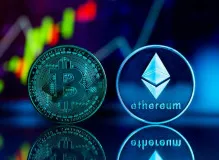
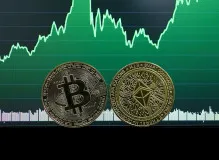 Productivity