For over long years, we have diligently conducted independent research and product testing. When you make a purchase through our links, we may earn a commission.
NFTs Explained: What Are They and How Do They Work?

Created: 3 weeks ago
154 min Read
NFTs, or Non-Fungible Tokens, have been making waves in the digital world. 😎 But what exactly are NFTs and why are they gaining so much attention? In this article, we will provide a comprehensive introduction to NFTs and explain their significance in the world of art, collectibles, and digital ownership. So, sit back, relax, and let's dive into the fascinating world of NFTs!
🌟 What are NFTs?
NFTs are unique digital assets that are stored on a blockchain, typically on the Ethereum blockchain. Unlike cryptocurrencies such as Bitcoin or Ethereum, which are fungible and interchangeable, NFTs are one-of-a-kind and cannot be replicated or replaced. Think of NFTs as digital certificates of ownership that can represent various items like artwork, music, videos, trading cards, virtual real estate, and more.
🖼️ NFTs and Art
One of the areas where NFTs have gained immense popularity is in the art world. With the advent of NFTs, artists can now create and sell digital artwork with unique proof of ownership. This has opened up new opportunities for both established and emerging artists to showcase and monetize their creations. NFTs have disrupted the traditional art market by introducing a decentralized and transparent way of buying, selling, and trading digital art.
🏛️ NFTs and Collectibles
In addition to art, NFTs have paved the way for the digital collectibles market. Imagine owning a rare virtual trading card, a limited edition virtual sneaker, or even a virtual pet, all secured by NFT technology. NFT-based collectibles have created a new realm of possibilities for collectors worldwide, enabling them to own and trade unique virtual items like never before.
💻 NFTs and Digital Ownership
One of the key aspects of NFTs is their ability to establish provenance and authenticity in the digital realm. Through blockchain technology, NFTs provide a verifiable and immutable record of ownership. This means that the original creator of an NFT can retain royalties even when the asset is sold or transferred to another owner. NFTs have revolutionized the concept of digital ownership, offering creators and collectors a level of control and monetization that was previously unimaginable.
🌐 NFTs and the Future
As NFTs continue to gain traction, their impact and potential applications are still being explored. From virtual real estate and virtual concerts to gaming assets and beyond, the possibilities seem endless. With more industries and individuals embracing the concept of NFTs, we may witness a paradigm shift in how we perceive and value digital assets in the future.
In conclusion, NFTs are revolutionizing the way we think about ownership in the digital world. Their unique characteristics and blockchain-based technology provide creators and collectors with new opportunities, while challenging traditional notions of art, collectibles, and ownership. Whether you're an artist, collector, or simply intrigued by the evolving landscape of digital assets, NFTs are definitely worth exploring. So, hop on the NFT train and embark on a journey into a new era of digital ownership! 🚀
Non-Fungible Tokens, or NFTs, have taken the digital world by storm in recent years. 🌍 But what exactly are NFTs and why are they so popular? In this article, we will explore the concept of NFTs and shed light on their significance in the world of digital assets. So, buckle up and let's dive into the world of NFTs!
What are NFTs?
NFTs, short for Non-Fungible Tokens, are unique digital assets that are stored on a blockchain, most commonly on the Ethereum blockchain. Unlike cryptocurrencies such as Bitcoin or Ethereum, which are fungible and interchangeable, NFTs are one-of-a-kind and cannot be replicated or replaced. Each NFT is distinct and holds its own value, making it truly unique and special.
The Significance of NFTs
NFTs have gained significant attention and popularity due to their ability to represent ownership of various digital items, such as artwork, music, videos, virtual real estate, and more. These digital assets can be bought, sold, and traded, all with verifiable proof of ownership thanks to blockchain technology. NFTs have opened up new possibilities for artists, creators, and collectors to showcase, monetize, and trade their digital creations in a decentralized and transparent manner.
How NFTs Work
NFTs function through smart contracts on the blockchain, which establish the ownership and authenticity of each digital asset. The unique characteristics of NFTs, such as their metadata and provenance, are recorded on the blockchain, making it nearly impossible to forge or tamper with. This ensures that the ownership and history of an NFT can be easily traced and verified.
NFTs and the Art Market
One of the areas where NFTs have made a significant impact is the art market. Artists can now create and sell digital artwork as NFTs, providing them with a new avenue to monetize their creations. NFTs have disrupted the traditional art market by eliminating the need for intermediaries and allowing artists to directly connect with buyers and collectors worldwide. This has democratized the art industry and provided new opportunities for emerging artists to gain recognition and value for their work.
NFTs and Cultural Impact
In addition to the art market, NFTs have also made an impact on popular culture. The ownership and trading of digital collectibles, such as virtual trading cards, virtual sneakers, and virtual pets, have captivated a global audience. People are drawn to the exclusivity and uniqueness that NFTs offer, as well as the potential for investment and future value. NFTs have become a new form of self-expression and representation in the digital age.
Conclusion
In conclusion, NFTs are revolutionizing the way we perceive and interact with digital assets. Through the use of blockchain technology, NFTs provide verifiable proof of ownership and authenticity, opening up new opportunities for artists, creators, and collectors. The concept of NFTs has sparked a cultural shift in how we appreciate and value digital creations. Whether you're an artist looking to showcase your work or a collector interested in owning a piece of digital history, exploring the world of NFTs is an exciting and evolving journey. So, embrace the uniqueness of NFTs and dive into the realm of digital ownership! 🎨💻🌌
💎 How NFTs Differ from Traditional Cryptocurrencies
While both NFTs and traditional cryptocurrencies like Bitcoin and Ethereum operate on blockchain technology, they serve different purposes and have distinct characteristics. Let's explore how NFTs differ from traditional cryptocurrencies:
🔄 Fungibility vs. Non-Fungibility
Traditional cryptocurrencies like Bitcoin are fungible, meaning that each unit of the currency is interchangeable and holds the same value. For example, one Bitcoin can be exchanged for another Bitcoin without any distinction between them. On the other hand, NFTs are non-fungible, meaning that each token is unique and cannot be exchanged on a one-to-one basis. Each NFT represents a specific digital item, whether it's a piece of artwork, a collectible, or a virtual asset.
🏦 Utility vs. Ownership
Traditional cryptocurrencies function as mediums of exchange or stores of value. They can be used for transactions, investments, or as an alternative form of currency. However, NFTs go beyond utility and focus on ownership. They are designed to represent ownership of a specific digital asset or item, granting the owner exclusive rights and proof of ownership. NFTs allow creators and collectors to attach value to unique digital creations and establish a sense of ownership in the digital realm.
⛓️ Interoperability vs. Immutability
Traditional cryptocurrencies rely on interoperability across various blockchain networks. They can be transferred or exchanged between different wallets and platforms seamlessly. NFTs, on the other hand, prioritize immutability. Once an NFT is created and stored on a specific blockchain, its metadata, ownership records, and authenticity are secured and cannot be altered. This ensures the integrity and provenance of digital assets, making them desirable for collectors and creators.
🛡️ Store of Value vs. Artistic Expression
Traditional cryptocurrencies are often seen as a store of value or investment assets. Their value fluctuates based on market demand, supply, and other market factors. NFTs, however, allow artists and creators to express their creativity and monetize their work. They offer a means to create, distribute, and sell digital art or unique digital items while retaining proof of originality and ownership.
In summary, NFTs differ from traditional cryptocurrencies in terms of fungibility, utility, ownership, interoperability, and artistic expression. By embracing NFTs, individuals can participate in the world of digital ownership and support the growing ecosystem of digital art, collectibles, and virtual assets. So, whether you're an artist, collector, or a curious individual, exploring the world of NFTs can unlock exciting possibilities in the realm of digital ownership. 💫
Exploring the Technology Behind NFTs
NFTs, or Non-Fungible Tokens, have been the talk of the town recently. But what exactly is the technology behind NFTs and how does it work? In this section, we will delve into the underlying technology that powers NFTs and shed light on its significance in the digital world. So, let's dive in and uncover the secrets behind NFTs!
Blockchain Technology and NFTs
At the core of NFTs lies blockchain technology, which serves as the foundation for their uniqueness and security. Blockchain is a distributed ledger that records transactions across a network of computers, making it nearly impossible to alter or tamper with the data. This technology ensures that NFTs are provably scarce, verifiable, and transparent.
Smart Contracts and NFTs
In the context of NFTs, smart contracts play a pivotal role in facilitating the creation, ownership, and transfer of digital assets. Smart contracts are self-executing contracts that automatically trigger specific actions once predefined conditions are met. In the case of NFTs, smart contracts are used to define the rules and properties of each individual token, including its ownership, royalties, and other metadata.
Token Standards for NFTs
To ensure interoperability and compatibility, various token standards have been established for NFTs. The most widely used token standard for NFTs on the Ethereum blockchain is the ERC-721 standard, although other standards like ERC-1155 and ERC-20 are also utilized in certain cases. These token standards define the structure and behavior of NFTs, making it easier for different platforms and applications to work with them.
Metadata and NFTs
NFTs also contain metadata, which can include information such as the creator of the asset, its title, description, and even external links to additional resources. This metadata provides context and additional value to the NFT, enhancing its overall appeal and collectibility.
Permanent Ownership with NFTs
One of the key advantages of NFTs is their ability to establish permanent ownership. As NFTs are recorded on the blockchain, the ownership history of each token is transparent and cannot be altered. This ensures that once you own an NFT, you have definitive proof of ownership, which can be important for collectors, artists, and creators.
The Future of NFT technology
As the popularity of NFTs continues to rise, we can expect further innovations and developments in the technology behind them. From addressing sustainability concerns to exploring additional functionalities, the future of NFTs looks promising. It is an exciting time as we witness the evolution of digital ownership and the potential impact of NFTs on various industries.
In conclusion, NFTs are powered by blockchain technology and smart contracts, which enable the creation, ownership, and transfer of unique digital assets. With the use of token standards and metadata, NFTs offer a new paradigm for digital ownership. As we move forward, it will be fascinating to see how NFT technology advances and transforms various aspects of our digital landscape. So, buckle up and get ready for the exciting journey ahead!
🧱 The Role of Blockchain in NFT Creation and Verification
In the world of NFTs, blockchain technology plays a crucial role in both the creation and verification of these unique digital assets. 🌐 Let's take a closer look at how blockchain ensures the authenticity and security of NFTs.
💎 Creation of NFTs on the Blockchain
When an artist or creator wants to tokenize their work and turn it into an NFT, they must first choose a blockchain platform that supports NFT creation. Ethereum is currently the most popular blockchain for NFTs, thanks to its robust smart contract capabilities. By leveraging Ethereum's capabilities, creators can establish the unique characteristics and ownership rights of their NFTs.
To create an NFT, the artist typically mints their work onto the blockchain. This involves encoding the artwork, music, video, or other assets into a digital file, along with metadata that includes information like the title, description, and edition number. The digital file and metadata are then combined into a unique token that represents the NFT. This token is registered on the blockchain, establishing a permanent record of ownership and transfer history.
🔒 Verification and Security of NFT Ownership
Once an NFT is created and registered on the blockchain, its ownership and authenticity can be easily verified. This is because blockchain technology ensures a transparent and tamper-proof record of transactions. Every time an NFT is bought, sold, or transferred, a record of the transaction is added to the blockchain, creating an immutable chain of ownership.
Anyone can access the blockchain and trace the entire ownership history of an NFT. This transparency not only provides reassurance to buyers and collectors but also helps prevent fraud and counterfeit NFTs from entering the market.
🌟 Benefits of Blockchain for NFTs
Blockchain brings several benefits to the world of NFTs. Firstly, it ensures a decentralized and trustless environment where ownership rights are guaranteed. With blockchain, artists can have more control over their creations, including the ability to earn royalties from secondary sales. This is made possible through the use of smart contracts, which automatically execute predefined terms, such as royalty payments, whenever an NFT changes hands.
Secondly, blockchain technology enhances the scarcity and uniqueness of NFTs. By designating an NFT as "non-fungible," blockchain ensures that it cannot be duplicated or replicated, adding value and exclusivity to these digital assets. This rarity is a key factor in the market value of NFTs and their appeal to collectors.
💡 The Future of NFTs and Blockchain
As NFTs continue to gain popularity and evolve, blockchain technology will play an even more significant role. We may see advancements in scalability and interoperability, allowing for seamless integration of NFTs across different blockchain platforms. This would open up new possibilities for cross-chain NFT trading and collaboration between artists and developers.
Furthermore, as environmental concerns arise regarding the energy consumption of blockchain networks, we may witness the emergence of more eco-friendly solutions for NFT creation and verification.
In conclusion, blockchain technology is the backbone of the NFT ecosystem. It ensures the creation, verification, and security of these unique digital assets. With its transparency, immutability, and decentralized nature, blockchain empowers artists, creators, collectors, and enthusiasts to participate in the exciting world of NFTs with confidence.
NFTs (Non-Fungible Tokens) are gaining popularity across various industries and applications. Let's explore some of the most popular use cases and applications of NFTs:
-
Digital Art: NFTs have revolutionized the art world by enabling artists to tokenize and sell their digital creations. Artists can mint their artworks as NFTs, establishing a unique proof of ownership and allowing collectors to purchase and trade these digital masterpieces.
-
Collectibles: NFTs have breathed new life into the collectibles market. From virtual trading cards to rare virtual items in video games, NFTs have opened up a world of digital collectibles. Collectors can now own one-of-a-kind virtual items, adding a new dimension to the concept of collecting.
-
Virtual Real Estate: Virtual worlds and metaverses are becoming increasingly popular, and NFTs are being used to buy, sell, and trade virtual real estate within these digital realms. Owning virtual land or property through NFTs allows individuals to participate in virtual economies and showcases the potential for immersive online experiences.
-
Music and Intellectual Property: Musicians and content creators can use NFTs to protect their intellectual property and sell unique digital music, albums, and concert tickets. NFTs provide a transparent and traceable way to ensure that artists receive royalties and maintain control over their creative works.
-
Gaming Assets: NFTs have disrupted the gaming industry by introducing ownership and scarcity to virtual items within video games. Players can buy and sell in-game assets as NFTs, creating an exciting market for rare and valuable virtual items.
-
Sports Memorabilia: NFTs are being embraced in the sports world, allowing fans to own digital memorabilia, such as virtual trading cards, highlight reels, and even moments from iconic sports events.
-
Virtual Fashion: NFTs are entering the world of fashion, enabling designers to create and sell unique digital clothing items. These virtual fashion pieces can be worn in virtual worlds or online platforms, providing a new avenue for self-expression and creativity.
-
Charitable Initiatives: NFTs have also been used as a vehicle for charitable initiatives, where organizations mint NFTs and auction them off to raise funds for causes or donate a percentage of the proceeds to charity.
These are just a few examples of the myriad use cases and applications for NFTs. As the technology continues to evolve, we can expect to see even more innovative and exciting ways that NFTs are utilized across various industries. Whether you're an artist, collector, gamer, or simply interested in the possibilities of digital ownership, exploring the world of NFTs is sure to be a fascinating journey.
💫 What are NFTs?
NFTs, or Non-Fungible Tokens, are unique digital assets that have taken the digital world by storm. So, what exactly are NFTs and what makes them different from traditional cryptocurrencies like Bitcoin or Ethereum? Let's dive in and explore the fascinating world of NFTs!
🌐 NFTs, short for "Non-Fungible Tokens," are digital tokens that represent ownership or proof of authenticity for a specific asset or piece of content, such as art, music, videos, collectibles, and even virtual real estate. Unlike cryptocurrencies, which are interchangeable and have equal value, NFTs are indivisible and cannot be exchanged on a one-to-one basis.
🖼️ NFTs and Art
NFTs have gained significant attention and popularity in the art world. Artists can create and sell digital artwork as NFTs, providing them with a unique opportunity to monetize their creations in ways that were not previously possible. By utilizing blockchain technology, NFTs offer artists better control over their work and the opportunity to receive royalties on future sales.
🌟 NFTs and Collectibles
In addition to art, NFTs have paved the way for the digital collectibles market. Imagine owning a rare virtual trading card, a limited edition virtual sneaker, or even a virtual pet, all secured by NFT technology. NFT-based collectibles have created a new realm of possibilities for collectors worldwide, enabling them to own and trade unique virtual items like never before.
💻 NFTs and Digital Ownership
One of the key aspects of NFTs is their ability to establish provenance and authenticity in the digital realm. Through blockchain technology, NFTs provide a verifiable and immutable record of ownership. This means that the original creator of an NFT can retain royalties even when the asset is sold or transferred to another owner. NFTs have revolutionized the concept of digital ownership, offering creators and collectors a level of control and monetization that was previously unimaginable.
⚡️ NFTs and the Future
As NFTs continue to gain traction, their impact and potential applications are still being explored. From virtual real estate and virtual concerts to gaming assets and beyond, the possibilities seem endless. With more industries and individuals embracing the concept of NFTs, we may witness a paradigm shift in how we perceive and value digital assets in the future.
🌈 Conclusion
In conclusion, NFTs have introduced a new era of digital ownership, revolutionizing the art market, collectibles industry, and beyond. With their unique characteristics and blockchain technology, NFTs provide creators and collectors with exciting opportunities and new avenues for monetization. So, if you're curious about NFTs and the possibilities they hold, now is the perfect time to dive into this fascinating world of digital assets and explore the limitless potential of non-fungible tokens!
Understanding the Concept of Non-Fungible Tokens
NFTs, or Non-Fungible Tokens, have rapidly gained popularity in recent years, revolutionizing digital ownership and establishing a new paradigm in the world of collectibles and art. But what exactly are NFTs, and how do they differ from traditional cryptocurrencies?
At its core, an NFT represents a unique digital asset that is stored on a blockchain, with Ethereum being the most commonly used blockchain for NFT transactions. Unlike cryptocurrencies such as Bitcoin or Ethereum, which are fungible and can be exchanged on a one-to-one basis, NFTs are non-fungible, meaning they possess distinct attributes and cannot be exchanged on a one-to-one basis.
To better understand the concept, let's consider a real-life example. If you were to trade one Bitcoin for another, the value remains the same, and the two coins are indistinguishable. However, if you were to trade an NFT artwork created by a famous artist for another NFT artwork by a different artist, the value and uniqueness of each piece are inherently different.
The uniqueness of NFTs lies in their ability to enable proof of ownership and provide a verifiable digital certificate of authenticity. Each NFT is associated with a digital file that can represent a variety of assets, including digital artwork, music, videos, and even virtual real estate. By utilizing blockchain technology, NFTs establish a transparent and secure record of ownership, ensuring the scarcity, provenance, and value of digital assets.
The concept of NFTs has had a significant impact on the world of art, offering artists a groundbreaking avenue to monetize their creations. By tokenizing their artwork as NFTs, artists gain the ability to sell directly to collectors, eliminating intermediaries and royalty disputes. Additionally, ownership of an NFT allows collectors to showcase their digital art collections on various platforms and participate in emerging trends such as decentralized art marketplaces.
Beyond the realm of art, NFTs have also expanded into the world of digital collectibles, transforming the way we perceive and engage with virtual items. With NFT-based collectibles, enthusiasts can enjoy unique experiences, whether it's collecting rare virtual trading cards, virtual sneakers, or even virtual pets. The ownership and trade of these digital collectibles are securely recorded on the blockchain, offering a sense of authenticity and value previously unattainable in the virtual realm.
Looking to the future, NFTs hold significant potential for various industries and applications. From virtual concerts and gaming assets to ticketing systems and intellectual property rights management, the versatility of NFTs continues to be explored. As blockchain technology evolves and more individuals and businesses embrace the concept of NFTs, we can expect to witness further innovation and integration into our digital lives.
In conclusion, NFTs are a groundbreaking technology that allows for the creation and ownership of unique digital assets. The concept of non-fungibility has unlocked new possibilities for artists, collectors, and enthusiasts, challenging the traditional definition of value and ownership in the digital realm. With their secure and transparent nature, NFTs have the potential to reshape industries, reimagine digital experiences, and redefine the value of creativity in an increasingly digital world.
Key Features of NFTs
NFTs, or Non-Fungible Tokens, have gained widespread popularity and intrigue in recent years. But what are the key features that differentiate NFTs from other digital assets? Let's explore some of these unique characteristics that make NFTs so fascinating and valuable.
Uniqueness:
One of the core features of NFTs is their inherent uniqueness. Each NFT is distinct and cannot be replicated or replaced. This makes them highly desirable for collectors and enthusiasts seeking one-of-a-kind digital items like artwork, music, or virtual collectibles.
Indivisibility:
Unlike cryptocurrencies, NFTs are indivisible. This means they cannot be broken down into smaller units. Each NFT represents a whole, standalone asset, giving owners exclusive control over the entire item.
Verifiable Ownership:
Thanks to blockchain technology, NFTs provide a transparent and verifiable record of ownership. This means that buyers can easily verify the authenticity and ownership history of an NFT, ensuring a secure and trustworthy transaction.
Smart Contracts:
NFTs utilize smart contracts, which are self-executing agreements coded on the blockchain. These contracts automatically enforce the terms and conditions of ownership, including aspects like royalties, distribution, and resale rights. Smart contracts provide creators with a fair and automated way to earn royalties from secondary sales of their NFTs.
Interoperability:
NFTs can be easily transferred and traded across different marketplaces and platforms. This interoperability allows for greater liquidity and accessibility, enabling collectors and creators to engage with a wider audience and facilitate seamless transactions.
Scarce and Limited Supply:
Many NFTs are released in limited quantities, adding to their desirability and value. The scarcity factor enhances the exclusivity of these digital assets, making them highly sought-after by collectors and investors alike.
Enhanced Creative Expression:
NFTs have empowered artists and creators to explore innovative and novel ways of expressing their creativity. With NFTs, artists can experiment with multimedia formats, interactive elements, and even gamification, pushing the boundaries of traditional art and enhancing the overall user experience.
In conclusion, NFTs possess a distinct set of features that differentiate them from other digital assets. Their uniqueness, indivisibility, verifiable ownership, smart contract functionality, interoperability, limited supply, and ability to enhance creative expression have propelled NFTs to the forefront of the digital revolution. As we continue to witness the growth and evolution of NFTs, it is clear that they are here to stay, revolutionizing various industries and transforming the way we perceive and engage with digital assets.
NFTとは、非代替可能トークン(Non-Fungible Tokens)の略称です。NFTは、ブロックチェーン技術を用いて保管される独自のデジタル資産です。NFTは、ビットコインやイーサリアムのような通貨とは異なり、交換可能ではなく一意性を持ちます。NFTは、アート、コレクタブル、デジタル所有権の世界で重要な役割を果たしています。注目を集めるNFTの世界について、より詳しく探求してみましょう。
🌟 NFTとは何ですか?
NFTとは、ブロックチェーン上に記録される独自のデジタル資産です。代替可能性を持たないNFTは、芸術作品、音楽、ビデオ、トレーディングカード、仮想不動産など、さまざまなアイテムを表現することができます。NFTは、デジタルの所有権を証明するデジタル証明書のような存在と考えることができます。
🖼️ NFTとアート
NFTは、アートの世界で大きな注目を浴びています。NFTの登場によって、アーティストは独自の所有権を持つデジタルアートを作成し、販売することができるようになりました。これにより、名声のあるアーティストや新進気鋭のアーティストが、自身の作品を展示し、収益化する新たな機会を得ることができました。NFTは、従来のアート市場を破壊し、分散化された透明性のある方法でデジタルアートの購入、販売、取引が行われるようになりました。
🏛️ NFTとコレクタブル
アートの他にも、NFTはデジタルコレクタブル市場の道を開きました。レアなバーチャルトレーディングカード、限定版のバーチャルスニーカー、さらにはバーチャルペットなどの所有が可能になりました。NFTベースのコレクタブルは、収集家がこれまでにない形でユニークなバーチャルアイテムを所有し、取引する新たな可能性を提供しています。
💻 NFTとデジタル所有権
NFTの重要な側面の1つは、デジタル領域での起源と真正性の確立です。ブロックチェーン技術を通じて、NFTは所有権の検証可能な不変な記録を提供します。つまり、NFTの元のクリエイターは、アセットが他のオーナーに売却または転送された場合でも、ロイヤルティを維持することができます。NFTは、デジタル所有権の概念を革新し、クリエイターやコレクターに想像もつかなかった程度の制御と収益化の機会を提供しています。
🌐 NFTと未来
NFTがますます注目を浴びる中、その影響や潜在的な応用がまだまだ探求される段階にあります。バーチャル不動産や仮想コンサート、ゲームアセットなど、可能性は無限大です。さまざまな産業や個人がNFTの概念を受け入れるにつれて、デジタル資産を評価する方法やその価値観は、将来的に大きく変わる可能性があります。
総括すると、NFTはデジタル世界における所有権の考え方を革新しています。その独特な特性とブロックチェーン技術による技術は、クリエイターやコレクターに新たな機会を提供し、従来のアート、コレクタブル、所有権の概念に挑戦しています。アーティスト、コレクター、デジタルアセットの進化に興味津々の方々にとって、NFTは間違いなく探求の価値があります。さあ、NFTの世界に飛び込み、デジタル所有権の新たな時代に乗りましょう!🚀
Creating and minting NFTs is a straightforward process that allows artists, creators, and collectors to tokenize their digital assets. Let's explore the step-by-step process of bringing your own NFTs to life.
-
Conceptualize your NFT: The first step is to have a clear idea of the digital asset you want to transform into an NFT. It could be a piece of artwork, a video, a music track, or any other unique digital creation. Think about its significance and value in the digital realm.
-
Choose the right blockchain: Since most NFTs are built on the Ethereum blockchain, you'll need to decide if Ethereum is the right fit for your NFT. Ethereum offers a robust infrastructure and a thriving NFT ecosystem. However, there are other blockchains like Binance Smart Chain and Flow that support NFTs as well.
-
Set up a wallet: To create and manage your NFTs, you'll need a digital wallet that supports the blockchain you've chosen. Popular options include MetaMask for Ethereum and Trust Wallet for Binance Smart Chain. Set up a wallet and ensure you have a secure backup of your wallet's recovery phrase.
-
Prepare your digital asset: Before minting your NFT, make sure your digital asset meets the required specifications. For example, for a digital artwork NFT, it should be in a supported file format like JPEG, PNG, or GIF. Consider adding metadata to provide additional information about your NFT, such as the title, artist name, description, and royalty percentage.
-
Choose an NFT marketplace: To make your NFT accessible to the public, you'll need to list it on an NFT marketplace. There are several popular marketplaces like OpenSea, Rarible, and SuperRare. Research the different marketplaces, their fees, and community engagement to find the right fit for your NFT.
-
Mint your NFT: Once you've prepared your digital asset and selected a marketplace, it's time to mint your NFT. Minting is the process of creating a tokenized version of your digital asset on the blockchain. Each NFT will have a unique token ID and a smart contract that enforces its ownership and transferability.
-
Set a price and list your NFT: Determine the price you want to sell your NFT for and list it on the marketplace. Consider factors like the uniqueness and demand for your NFT when setting the price. Some marketplaces also allow you to auction your NFT or offer it as a limited edition.
-
Promote your NFT: Once your NFT is listed, it's crucial to promote it to gain visibility and attract potential buyers. Utilize social media platforms, art communities, and crypto forums to showcase your NFT and engage with the community. Collaborate with influencers or participate in NFT-related events to reach a wider audience.
-
Manage your NFTs: After your NFT is sold, you'll need to manage and track its ownership. Most marketplaces provide a dashboard where you can monitor sales, transfers, and royalties. Stay updated with the marketplace's policies, potential updates, and community feedback to enhance the value of your NFT collection.
By following these steps, you can bring your digital creations to the world of NFTs. Remember, the NFT market is dynamic and ever-evolving, so stay informed, be creative, and embrace the exciting possibilities that NFTs offer. Happy minting!
🌟What are NFTs?
NFTs, or Non-Fungible Tokens, are unique digital assets that have gained significant attention in recent times. Unlike Bitcoin or Ethereum, which are fungible cryptocurrencies, NFTs cannot be interchangeably traded. Each NFT represents a distinct and exclusive item, whether it be artwork, music, videos, or even virtual real estate. NFTs are built on blockchain technology, with the Ethereum blockchain being the most commonly used platform. They serve as certificates of ownership, verifying the authenticity and provenance of a digital asset.
💡How do NFTs work?
NFTs operate on blockchain technology, which ensures their security and immutability. Each NFT is tied to a unique token identifier, making it easily distinguishable from other tokens. This identifier is stored on the blockchain, providing a permanent record of ownership. The blockchain removes the need for intermediaries and guarantees the transparency and traceability of transactions. Additionally, smart contracts within NFTs enable creators to receive royalties whenever their NFTs are resold, ensuring ongoing benefits from their work.
🖼️NFTs and the Art World
One of the areas where NFTs have made a significant impact is in the art world. Artists can now create, sell, and trade their digital artwork using NFTs, revolutionizing the way art is bought and sold. NFTs offer artists a new way to monetize their creations, as ownership can be easily transferred while ensuring the artwork's authenticity. This has opened doors for emerging artists to showcase their work and gain recognition in a decentralized online space.
💎NFTs as Collectibles
Beyond art, NFTs have become a popular medium for digital collectibles. Collectors can now own unique virtual items, ranging from trading cards to virtual sneakers and even virtual pets. The scarcity and uniqueness of NFTs add value to these collectibles, making them highly sought after. With NFTs, collectors can display and trade their digital belongings, creating a vibrant ecosystem of virtual possessions.
⚡The Rise of NFTs and Digital Ownership
The advent of NFTs has revolutionized the concept of digital ownership. With blockchain technology, NFTs provide verifiable proof of ownership, solving the long-standing issue of authenticity in the digital realm. This has opened new avenues for established and emerging creators to sell and monetize their digital assets while maintaining control over their intellectual property. Additionally, the ability to track and trace ownership through the blockchain ensures that artists can receive fair compensation even after their NFTs have changed hands multiple times.
🚀The Future of NFTs
As NFTs continue to gain traction, their potential applications are expanding. Industries such as virtual real estate, gaming, and even virtual concerts are exploring the possibilities of NFTs. With more industries embracing this technology, we can expect a paradigm shift in the way we perceive and value digital assets. The future of NFTs holds endless possibilities, with the potential to reshape the way we engage with art, collectibles, and digital ownership.
In conclusion, NFTs have emerged as a groundbreaking technology that has disrupted traditional notions of ownership in the digital era. They have provided artists, creators, and collectors a new medium to explore and thrive in, redefining the value and perception of digital assets. Whether you are an artist seeking new opportunities, a collector looking for unique virtual possessions, or simply curious about the evolving landscape of digital ownership, NFTs are definitely a trend worth exploring. 🌈
NFTs は、Non-Fungible Tokens の略称であり、デジタル世界で注目を浴びています。しかし、一体 NFTs とは何であり、なぜこれほどまでに注目を浴びているのでしょうか?この記事では、NFTs の包括的な紹介と、アート、コレクティブル、デジタル所有権の世界での重要性について説明します。だから、ゆっくり座って、NFTs の魅力的な世界に飛び込んでみましょう!
🌟 NFTs とは何ですか?
NFTs とは、一般的には Ethereum ブロックチェーン上などに保存されるユニークなデジタルアセットです。Bitcoin や Ethereum のような通貨とは異なり、NFTs は一つひとつが独自のものであり、複製や置き換えはできません。NFTs は、アート作品、音楽、動画、トレーディングカード、バーチャル不動産など、さまざまなアイテムを表すことができる、所有権のデジタル証明書と考えてください。
🖼️ NFTs とアート
NFTs の人気が特に高まっている分野の一つはアートです。NFTs の登場により、アーティストは独自の所有権の証明を備えたデジタルアートを作成し、販売することができるようになりました。これにより、確立されたアーティストや新進アーティストの両方が、自身の作品を展示・収益化する新たな機会を手に入れることができるようになりました。NFTs は、中央集権化された伝統的なアート市場に革新をもたらしており、デジタルアートの購入、販売、トレードを透明性のある分散型の方法で行うことができるようになりました。
🏛️ NFTs とコレクティブル
アートに加えて、NFTs はデジタルコレクティブル市場を牽引しています。レアなバーチャルトレーディングカードや限定版のバーチャルスニーカー、さらにはバーチャルペットなど、NFTs テクノロジーによって保護されたユニークなバーチャルアイテムを所有することを想像してみてください。NFTs ベースのコレクティブルは、世界中のコレクターにとって新たな可能性の領域を開拓し、かつてない形でユニークなバーチャルアイテムを所有し、トレードすることができるようになりました。
💻 NFTs とデジタル所有権
NFTs の重要な要素の一つは、デジタル領域での原点と真正性を確立する能力です。ブロックチェーン技術を通じて、NFTs は所有権の証拠となる検証可能で変更不能な記録を提供します。これはつまり、NFT のオリジナルの作成者がアセットが販売または他の所有者に移転された場合でも、ロイヤリティを維持することができるということです。NFTs は、デジタル所有権の概念を革新し、クリエイターやコレクターに、以前には想像もつかなかった程度の制御と収益化の手段を提供しています。
🌐 NFTs と未来
NFTs はさらなる注目を集める中で、その影響力と潜在的な応用範囲はまだ探求されています。バーチャル不動産やバーチャルコンサート、ゲームアセットなど、可能性は無限です。さまざまな産業や個人が NFTs の概念を受け入れるにつれ、将来的にはデジタルアセットを認識し、評価する方法についてのパラダイムシフトが起こるかもしれません。
まとめると、NFTs はデジタル世界における所有権の考え方を革新しています。その独特な特徴とブロックチェーン技術により、クリエイターやコレクターに新たな機会を提供し、アート、コレクティブル、所有権という伝統的な概念に挑戦しています。アーティスト、コレクター、または単にデジタルアセットの進化する風景に興味を持っている方にとって、NFTs を探求する価値があることは間違いありません。それでは、NFT の列車に乗り込
NFTs, short for Non-Fungible Tokens, have gained significant attention in recent years in the digital world. 🌟 But what exactly are NFTs, and how do they impact the art, collectibles, and digital ownership industries? In this article, we will provide a comprehensive introduction to NFTs and delve into their significance in the digital realm. So, let's dive into the fascinating world of NFTs! 💫
🌟 What are NFTs?
NFTs, or Non-Fungible Tokens, are unique digital assets that are stored on a blockchain, typically on the Ethereum blockchain. Unlike cryptocurrencies such as Bitcoin or Ethereum, which are fungible and interchangeable, NFTs are one-of-a-kind and cannot be replicated or replaced. Think of NFTs as digital certificates of ownership that can represent various items like artwork, music, videos, trading cards, virtual real estate, and more.
🖼️ NFTs and Art
One of the areas where NFTs have gained immense popularity is in the art world. With the advent of NFTs, artists can now create and sell digital artwork with unique proof of ownership. This has opened up new opportunities for both established and emerging artists to showcase and monetize their creations. NFTs have disrupted the traditional art market by introducing a decentralized and transparent way of buying, selling, and trading digital art.
🏛️ NFTs and Collectibles
In addition to art, NFTs have paved the way for the digital collectibles market. Imagine owning a rare virtual trading card, a limited-edition virtual sneaker, or even a virtual pet, all secured by NFT technology. NFT-based collectibles have created a new realm of possibilities for collectors worldwide, enabling them to own and trade unique virtual items like never before.
💻 NFTs and Digital Ownership
One of the key aspects of NFTs is their ability to establish provenance and authenticity in the digital realm. Through blockchain technology, NFTs provide a verifiable and immutable record of ownership. This means that the original creator of an NFT can retain royalties even when the asset is sold or transferred to another owner. NFTs have revolutionized the concept of digital ownership, offering creators and collectors a level of control and monetization that was previously unimaginable.
🌐 NFTs and the Future
As NFTs continue to gain traction, their impact and potential applications are still being explored. From virtual real estate and virtual concerts to gaming assets and beyond, the possibilities seem endless. With more industries and individuals embracing the concept of NFTs, we may witness a paradigm shift in how we perceive and value digital assets in the future.
In conclusion, NFTs are revolutionizing the way we think about ownership in the digital world. Their unique characteristics and blockchain-based technology provide creators and collectors with new opportunities, while challenging traditional notions of art, collectibles, and ownership. Whether you're an artist, a collector, or simply intrigued by the evolving landscape of digital assets, NFTs are definitely worth exploring. So, hop on the NFT train and embark on a journey into a new era of digital ownership! 🚀
Understanding NFTs: Definition and Key Concepts
NFTs, or Non-Fungible Tokens, have become a hot topic in the digital world. But what exactly is an NFT and why is it generating so much buzz? In this article, we will provide a comprehensive introduction to NFTs and explain their significance in the world of digital ownership and collectibles.
🔍 What is an NFT?
An NFT, short for Non-Fungible Token, is a unique digital asset that is stored on a blockchain, most commonly the Ethereum blockchain. Unlike traditional cryptocurrencies like Bitcoin or Ethereum, which are fungible and can be exchanged on a one-to-one basis, NFTs are indivisible and cannot be replaced. Each NFT has a distinct value and digital ownership that cannot be replicated.
✨ Key Concepts of NFTs
1. Uniqueness and Authenticity
One of the defining characteristics of NFTs is their unique nature. Each NFT represents a specific item, whether it be artwork, music, videos, virtual real estate, or even virtual pets. This uniqueness is guaranteed by the blockchain technology, ensuring that each NFT is one-of-a-kind and cannot be duplicated.
2. Ownership and Proof of Authenticity
NFTs provide a verifiable record of ownership through the blockchain. When someone purchases an NFT, they receive a digital certificate of ownership that is stored on the blockchain. This certificate serves as proof of authenticity and establishes the owner's rights to the digital asset.
3. Creator Royalties
One of the groundbreaking aspects of NFTs is the ability to programmatically embed royalty mechanisms for creators. This means that whenever an NFT is sold or traded, the original creator can receive a percentage of the transaction as royalties. This provides a sustainable income stream for artists and creators in the digital realm.
🎨 NFTs and the Art World
NFTs have had a profound impact on the art world. They have created a new paradigm for artists to monetize their digital creations and establish direct connections with collectors. Artists can now sell their artwork as NFTs, with each transaction being recorded on the blockchain. This transparent and decentralized approach has opened up new possibilities for emerging artists and has challenged the traditional art market.
👾 NFTs and the Gaming Industry
In addition to art, NFTs have found their way into the gaming industry. They allow players to own and trade in-game assets, virtual land, and even entire virtual worlds. NFTs in gaming provide players with true ownership and the ability to transfer their digital assets between different games or platforms.
🏛️ NFTs and Virtual Collectibles
NFTs have also revolutionized the concept of collectibles, especially in the digital realm. With NFT-based collectibles, users can own and trade unique digital items like trading cards, virtual sneakers, or digital pets. These virtual collectibles offer new ways for collectors to engage and interact with their favorite brands and creators.
In conclusion, NFTs represent a new era of digital ownership and collectibles. Their uniqueness, authenticity, and programmability have opened up endless possibilities for artists, gamers, and collectors. Whether you're an artist looking for new revenue streams, a gamer exploring virtual worlds, or a collector excited about the digital future, NFTs offer a fascinating and evolving landscape to explore. So dive into the world of NFTs and embrace the future of digital ownership! 🚀
👩💻 How NFTs Work: Exploring the Technology Behind Them
To understand how NFTs work, we need to delve into the underlying technology that powers them. NFTs are built on blockchain technology, with the Ethereum blockchain being the most commonly used platform. Let's take a closer look at the key components and processes involved.
🔗 Blockchain and NFTs
NFTs rely on the decentralized nature of blockchain technology. Blockchain is essentially a digital ledger that records and verifies transactions across multiple computers. Each transaction is grouped together in a block and connected to the previous blocks, forming a continuous chain. This ensures transparency, security, and the immutability of the data stored on the blockchain.
💡 Smart Contracts and NFTs
Smart contracts are self-executing contracts with predefined rules encoded into them. They automatically execute transactions once the conditions specified in the contract are met. In the case of NFTs, smart contracts serve as the backbone for creating, buying, and selling these unique digital assets. They contain the necessary code to define the ownership, transferability, and other attributes of an NFT.
🎨 Minting and Tokenization
When an NFT is created, it goes through a process called minting. Minting involves transforming a digital asset, such as artwork or music, into a unique token that can be owned and traded on the blockchain. The tokenization process assigns a unique identifier to the asset, establishing its authenticity and provenance. This token represents the NFT and contains metadata that provides information about the asset, including its owner and history.
🔄 Ownership and Transferability
One of the key features of NFTs is their ability to establish ownership and facilitate transferability. The ownership of an NFT is recorded on the blockchain, making it transparent and verifiable. When an NFT is sold or transferred, the ownership record is updated accordingly. Smart contracts handle the transfer of ownership, ensuring that the transaction is executed securely and accurately.
📚 Interoperability and Standards
As the NFT market grows, interoperability and standards become increasingly important. Interoperability refers to the ability of NFTs to be used across different platforms and ecosystems. The Ethereum blockchain has been a popular choice for NFTs, but other blockchains are also starting to support these unique digital assets. Additionally, standards such as ERC-721 and ERC-1155 have been introduced to provide a consistent framework for creating and interacting with NFTs.
In conclusion, NFTs operate on the foundation of blockchain technology, leveraging smart contracts, minting, tokenization, and ownership records to create and trade unique digital assets. Understanding the technology behind NFTs is crucial for anyone looking to participate in this exciting and rapidly evolving space. So, whether you're an artist, collector, or simply curious about the potential of NFTs, dive into the world of blockchain and discover the magic of non-fungible tokens! ✨
When it comes to NFT と は (NFT's meaning), there are various use cases that have gained significant traction in recent years. Let's explore some of the most popular ones, including art, collectibles, and more.
NFTs and Art 🌟
NFTs have revolutionized the art world, providing a new platform for artists to showcase and monetize their creations. By minting their artwork as NFTs, artists can establish authentic ownership and sell their pieces directly to collectors. This eliminates the need for intermediaries, such as galleries or auction houses, and allows artists to retain greater control over their work. Additionally, NFTs provide a transparent and immutable record of ownership, ensuring the provenance and authenticity of digital art.
NFTs and Collectibles 🎁
Another exciting use case for NFTs is the world of collectibles. Whether it's virtual trading cards, virtual sneakers, or virtual pets, NFTs have unlocked a whole new realm of digital collecting. Collectibles minted as NFTs offer scarcity and uniqueness, as each item is verifiably unique on the blockchain. This has created a thriving marketplace for collectors, who can now own and trade digital collectibles with a level of authenticity and rarity that was previously impossible.
NFTs and Virtual Real Estate 🏡
Virtual real estate is another emerging use case for NFTs. As the popularity of virtual worlds and metaverses grows, individuals are seeking ways to own and monetize virtual properties. NFTs enable the creation of verifiable ownership rights for virtual land or properties within these digital realms. This opens up opportunities for individuals to buy, sell, and trade virtual real estate, creating a whole new market for virtual property ownership.
NFTs and Gaming 🎮
Gaming has always been a lucrative industry, and NFTs have taken it to new heights. NFTs can be used to represent in-game assets, such as rare items, characters, or weapons. Players can buy, sell, and trade these assets on various NFT marketplaces, allowing them to truly own their in-game possessions. Additionally, NFTs introduce the concept of play-to-earn, where players can earn real-world value by participating in and progressing through blockchain-based games.
NFTs and Intellectual Property Rights 💡
NFTs also have significant implications for intellectual property rights. By minting creations as NFTs, creators can establish ownership and control over their intellectual property. This includes everything from artwork and music to written content and digital designs. NFTs provide a way for creators to monetize their work, protect their rights, and receive royalties on secondary sales, even in the digital realm.
In conclusion, NFTs offer a wide array of use cases, each with its own unique benefits and opportunities. From revolutionizing the art world to creating new avenues for collecting, virtual real estate ownership, gaming assets, and intellectual property rights, NFTs continue to reshape how we interact with digital assets. As this technology evolves, we can expect even more innovative and exciting use cases to emerge. So, whether you're an artist, collector, gamer, or creator, exploring the world of NFTs can open up a whole new realm of possibilities. 🚀
👥 Decentralized Ownership and Authenticity with NFTs
In the world of digital assets, two crucial aspects that have been revolutionized by NFTs are decentralized ownership and authenticity. Let's explore how NFTs create a transparent and verifiable system for both creators and collectors.
📚 NFTs and Decentralized Ownership
Traditional ownership of digital assets has always been a challenge. With NFTs, however, creators can establish a direct connection with their audience and retain ownership rights. By minting an NFT, artists can ensure that they are the authentic creators of a digital artwork, music, or any other asset. This direct ownership allows them to monetize their creations freely without the need for intermediaries. The blockchain technology behind NFTs ensures that the ownership history is recorded immutably, making it easy to maintain provenance and attribution.
✅ Verifiable Authenticity
One of the most critical aspects of NFTs is their ability to provide verifiable authenticity. Each NFT is a unique token that contains information about its origins, ownership, and transaction history. This means that buyers can verify the authenticity and rarity of an NFT before making a purchase. The blockchain acts as an immutable ledger, making it nearly impossible to counterfeit or replicate NFTs. This provides a level of trust and reassurance to collectors, knowing that they are acquiring an authentic and original digital asset.
🌐 The Role of Blockchain Technology
Blockchain technology plays a crucial role in ensuring decentralized ownership and authenticity with NFTs. By utilizing a decentralized network of computers, blockchain technology makes it impossible for a single entity to control or manipulate the ownership records. This transparency and immutability ensure that the origin, ownership, and transaction history of an NFT can be traced back to its creation. The use of blockchain technology adds an extra layer of trust and security, making NFTs a reliable and robust solution for digital ownership.
🎨 Expanding Possibilities
The impact of NFTs goes beyond art and collectibles. They have the potential to revolutionize ownership in various industries, such as virtual real estate, gaming assets, intellectual property rights, and more. With NFTs, individuals and businesses can explore new avenues for monetization and establish direct connections with their audience. The decentralized nature of NFTs eliminates the need for intermediaries, making it more accessible and empowering for creators and collectors alike.
In conclusion, NFTs have introduced a new era of decentralized ownership and verifiable authenticity in the digital realm. Through blockchain technology, creators can establish direct ownership over their digital assets, while buyers can confidently verify the authenticity and rarity of the NFTs they acquire. This has opened up exciting possibilities in various industries, paving the way for a future where digital ownership is transparent, secure, and accessible to all. So, embrace the power of NFTs and join the journey towards a decentralized and authentic digital world! ✨
Blockchain technology plays a crucial role in the world of NFTs. 🌐 The blockchain serves as the underlying infrastructure that ensures the uniqueness, security, and transparency of these digital assets. Let's explore how blockchain enables the creation and transactions of NFTs.
⛓️ Immutability and Provenance
At the heart of blockchain technology is its immutability, meaning once data is recorded on the blockchain, it cannot be altered or tampered with. This feature is particularly important for NFTs, as it guarantees the authenticity and provenance of digital assets. The blockchain acts as a decentralized ledger that securely stores information about the creation, ownership, and transaction history of each NFT. This provides a transparent record that can be easily verified by anyone.
🔒 Security and Ownership
Blockchain technology ensures the security and ownership of NFTs by using cryptographic algorithms and decentralized networks. Each NFT is represented by a unique token, which is stored on the blockchain. The token carries information about the digital asset and its ownership. Because of the blockchain's distributed nature, it is nearly impossible for malicious actors to tamper with or steal NFTs, providing a secure environment for creators and collectors.
⚖️ Smart Contracts and Royalties
Smart contracts are self-executing contracts with the terms of the agreement directly written into code. In the context of NFTs, smart contracts play a vital role in executing transactions and providing royalty mechanisms. When an NFT is created, a smart contract is deployed on the blockchain, specifying the rules for ownership transfers and royalty distributions. This means that creators can earn royalties automatically whenever their NFT is sold or traded in the future, ensuring a fair and transparent compensation model.
💡 Innovation and Interoperability
Blockchain technology opens up a world of new possibilities and innovation for NFTs. Different blockchain platforms, such as Ethereum, Binance Smart Chain, and Flow, offer unique features and capabilities for creating and trading NFTs. Cross-chain interoperability allows NFTs to be seamlessly transferred between different blockchain networks, expanding the reach and accessibility of these digital assets.
In conclusion, blockchain technology plays a vital role in the world of NFTs, providing the necessary infrastructure for the creation, transactions, and secure ownership of these unique digital assets. Through immutability, security, and smart contracts, blockchain technology offers a transparent and decentralized ecosystem for artists, collectors, and enthusiasts to explore the exciting world of NFTs. So, embrace the power of blockchain and dive into the ever-growing universe of NFTs! 🚀
When it comes to buying and selling NFTs, there are various marketplaces and platforms available that cater to different audiences and interests. Whether you're an artist looking to showcase your digital artwork or a collector searching for unique NFTs to add to your collection, these platforms provide a space for transactions to take place. Let's take a closer look at some popular NFT marketplaces and platforms.
OpenSea
🔍 OpenSea is the largest marketplace for NFTs, offering a wide range of digital assets including art, collectibles, virtual land, and more. Artists and creators can easily list their NFTs for sale, and collectors have a vast selection to choose from. With a user-friendly interface and robust search options, OpenSea is a go-to platform for both beginners and seasoned NFT enthusiasts.
Rarible
🌟 Rarible is an exciting NFT marketplace that allows artists to mint and sell their own NFTs. It is built on the Ethereum blockchain and provides a decentralized platform for creators to showcase their work. What sets Rarible apart is its innovative governance model, which allows token holders to have a say in the platform's development and decision-making process. If you're an artist looking for more control over your NFT sales, Rarible might be the platform for you.
NBA Top Shot
🏀 NBA Top Shot combines the worlds of sports and NFTs, offering a unique digital collectibles experience. Powered by Dapper Labs, NBA Top Shot allows basketball fans to own officially licensed NFTs in the form of memorable game highlights. From slam dunks to game-winning shots, these NFTs capture iconic moments from NBA games. With its growing user base and exclusive content, NBA Top Shot has quickly become a popular platform for sports enthusiasts and collectors alike.
SuperRare
🎨 SuperRare is a curated marketplace that focuses on digital art NFTs. The platform emphasizes quality over quantity, showcasing a carefully selected collection of digital artworks by established and emerging artists. Each artwork on SuperRare is unique and comes with a limited edition, adding rarity and exclusivity to the NFTs. With its emphasis on artistic expression and curation, SuperRare appeals to art collectors who appreciate the value of owning distinct and collectible digital art pieces.
Mintable
💎 Mintable is a user-friendly marketplace that allows artists and creators to mint, buy, and sell NFTs without any coding knowledge. The platform supports various blockchain networks, including Ethereum and Polygon, offering flexibility and accessibility to both creators and collectors. Mintable also includes innovative features such as gasless minting and gas fees customization, making it an attractive option for artists looking for a seamless NFT creation and selling experience.
In conclusion, the world of buying and selling NFTs is filled with diverse marketplaces and platforms catering to different interests and needs. Whether you're an artist, collector, or simply curious about NFTs, these platforms provide an avenue to explore, discover, and engage with the exciting world of digital ownership. So, unleash your creativity, browse the marketplaces, and find your perfect NFT match! 🖼️💰
In recent years, there has been a surge of interest in NFTs (Non-Fungible Tokens) and their role in the world of digital art. 🎨 NFTs have opened up new possibilities for artists to showcase and sell their creations in a blockchain-based marketplace. But what exactly are NFTs and how do they impact the art world? Let's explore!
NFTs, or non-fungible tokens, are unique digital assets that are stored on a blockchain, typically on the Ethereum blockchain. Unlike cryptocurrencies such as Bitcoin or Ethereum, which are fungible and interchangeable, NFTs are one-of-a-kind and cannot be replicated or replaced. Each NFT is associated with a unique piece of digital content, such as a painting, photograph, or animation.
The key feature of NFTs is their ability to establish provenance and authenticity. By utilizing blockchain technology, NFTs provide a verifiable and immutable record of ownership. This means that artists can now digitally sign and sell their artwork as NFTs, ensuring that the original creator is recognized and can retain royalties even when the artwork is sold or transferred to another owner.
The rise of NFTs has democratized the art world, allowing artists of all backgrounds to showcase and monetize their work in a decentralized and transparent marketplace. Artists no longer have to rely solely on galleries or intermediaries to sell their artwork. With NFTs, they can directly connect with collectors and enthusiasts around the globe.
Digital art has traditionally faced challenges in terms of provenance and ownership. Artists often struggle to prove the authenticity and ownership of their digital creations. NFTs solve this problem by providing a secure and tamper-proof record of ownership on the blockchain. This has given digital art a newfound legitimacy and value, attracting investors and collectors who see the potential for growth and appreciation in the digital art market.
The sale of NFT-based digital art has garnered significant attention and media coverage. High-profile sales, such as the auction of Beeple's digital artwork for a record-breaking price, have brought mainstream recognition to NFTs and their role in the art world. This has sparked curiosity and intrigue among artists and art enthusiasts alike, who are now exploring the possibilities of creating and collecting digital art as NFTs.
NFTs have also introduced new ways for artists to monetize their work. In addition to the initial sale of an NFT, artists can earn ongoing royalties whenever their artwork is resold on the secondary market. This provides a sustainable income stream for artists, allowing them to continue creating and experimenting with new forms of digital art.
With the rise of NFTs, the boundaries of art and technology are blending together in exciting ways. Artists are embracing digital mediums, pushing the boundaries of creativity, and exploring the possibilities of creating immersive and interactive experiences. NFTs have become a catalyst for innovation and experimentation within the art world, attracting both traditional artists and those working exclusively in the digital space.
In conclusion, NFTs have revolutionized the world of digital art by providing a secure and transparent way for artists to showcase, sell, and retain ownership of their creations. The rise of NFT-based digital art has democratized the art world, empowering artists and attracting a new wave of collectors and enthusiasts. As technology continues to evolve, we can expect even more exciting developments at the intersection of NFTs and art. So, whether you're an artist or an art lover, now is the perfect time to dive into the world of NFTs and explore the limitless possibilities of digital art! 🎨🚀
👥 NFT Challenges and Criticisms
While the rise of NFTs has been met with excitement and enthusiasm, it is important to acknowledge the challenges and criticisms that surround this booming digital trend. Let's take a closer look at some of the key concerns raised by skeptics and critics.
🔄 Environmental Impact
One of the main criticisms of NFTs centers around their environmental impact. Since most NFTs are built on the Ethereum blockchain, they rely on a consensus algorithm known as proof-of-work, which requires significant computational power and energy consumption. This has led to concerns about carbon footprints and the contribution of NFTs to climate change. It is important for the NFT community to address these concerns and explore more energy-efficient alternatives.
📜 Intellectual Property and Copyright Issues
Another area of concern related to NFTs is intellectual property and copyright. With the ease of creating and selling digital assets, there have been instances where copyrighted material or artworks without proper authorization have been tokenized and sold as NFTs. This raises questions about the authenticity and legality of certain NFTs, as well as the protection of artists' rights. Proper regulations and guidelines need to be established to address these issues and ensure the ethical use of NFTs.
🛡️ Lack of Regulation and Scams
The NFT market is still relatively new and unregulated, which makes it prone to scams and fraudulent activities. There have been instances of fake NFT listings, stolen artworks being tokenized, and unethical practices in the market. As the popularity of NFTs grows, it becomes paramount to have stricter regulations and accountability measures in place to protect both buyers and artists. This will help establish trust and credibility within the NFT ecosystem.
💰 Market Volatility and Speculation
Like any emerging market, the NFT space has experienced significant volatility and speculation. The value of certain NFTs can fluctuate rapidly, making it a risky investment for buyers. While some NFTs have fetched astronomical sums, others have seen a decline in value over time. It is important for both creators and collectors to approach NFTs with caution and make informed decisions based on thorough research and understanding of the market dynamics.
🌐 Accessibility and Exclusivity
One of the criticisms of NFTs is the potential for exclusivity and limited accessibility. Some argue that NFTs primarily benefit established artists and wealthy collectors, leaving little room for emerging artists and individuals with limited resources to participate. This inequality and lack of inclusivity within the NFT space need to be addressed and mitigated to ensure a more balanced and accessible ecosystem for all participants.
In conclusion, while NFTs have captured the imagination and revolutionized the concept of digital ownership, it is important to critically examine the challenges and criticisms surrounding this phenomenon. By addressing environmental concerns, establishing proper regulations, protecting intellectual property, fostering inclusivity, and promoting ethical practices, the NFT community can overcome these challenges and build a sustainable and thriving digital marketplace for years to come.
The Future of NFTs: Trends and Potential Impact
As the popularity of NFTs continues to soar, it's important to explore the emerging trends and potential impact that this groundbreaking technology may have on various industries. 🚀 Let's take a look at some of the exciting developments and opportunities in the future of NFTs.
1. 🎨 NFTs in the Art World
The intersection of NFTs and the art world has been a game-changer, opening up new possibilities for artists, collectors, and enthusiasts. The ability to authenticate and verify ownership of digital art through NFTs has revolutionized the art market. Artists can now digitize and monetize their creations, reaching a global audience and earning royalties through smart contracts. As more artists embrace NFTs, we can expect to see a continued growth in the digital art market and innovative forms of expression.
2. 🌐 NFTs and Virtual Real Estate
The concept of virtual real estate holds enormous potential in the world of NFTs. With the rise of virtual and augmented reality technologies, owning virtual land and properties has become an exciting possibility. NFTs can enable individuals to own and trade virtual spaces, creating a new market for virtual experiences, gaming, and social interactions. The development of blockchain-based virtual worlds and metaverses is expected to be a major trend, fueling the demand for virtual real estate NFTs.
3. ✨ NFTs in the Music Industry
The music industry has also embraced NFTs as a means to empower artists and create new revenue streams. Musicians can release limited edition albums, exclusive content, and concert tickets as NFTs, giving fans a unique opportunity to own a piece of music history. NFTs provide a direct connection between artists and their fans, allowing for enhanced fan engagement and new monetization avenues. We can anticipate the continued integration of NFTs in the music industry, transforming the way music is distributed and consumed.
4. 🎮 NFTs and Gaming Assets
NFTs have a natural fit within the gaming industry, where virtual assets hold significant value. Players can now truly own and trade in-game items, characters, and skins using NFTs. This introduces a new level of authenticity and scarcity to the gaming market, creating a vibrant ecosystem for collectors and gamers alike. With the growing popularity of blockchain-based games, we can expect NFTs to play an increasingly crucial role in the gaming economy.
5. 💡 NFTs and Intellectual Property
The use of NFTs extends beyond art and collectibles, offering new possibilities for intellectual property rights management. NFTs can be used to authenticate and protect digital creations such as patents, trademarks, and copyrights. By leveraging blockchain technology, creators can establish a verifiable record of ownership and securely license their intellectual property. This has the potential to revolutionize the way intellectual property is managed, reducing disputes and ensuring fair compensation for creators.
In conclusion, the future of NFTs holds boundless opportunities and potential for various industries. From art and virtual real estate to music and gaming, NFTs are transforming the way we create, own, and exchange digital assets. By embracing this technology, individuals and industries can tap into new revenue streams, enhance user experiences, and redefine traditional notions of ownership. So, fasten your seatbelts and get ready for the NFT-driven revolution that lies ahead! 🌟
NFTs, or Non-Fungible Tokens, have been making waves in the digital world. But what exactly are NFTs and why are they gaining so much attention? In this article, we will provide a comprehensive introduction to NFTs and explain their significance in the world of art, collectibles, and digital ownership. So, sit back, relax, and let's dive into the fascinating world of NFTs!
NFTs と は, or Non-Fungible Tokens, have emerged as a groundbreaking innovation in the digital world. 🌐 Let's dive deeper into understanding the concept of NFTs and how they have revolutionized the concept of ownership.
NFTs (Non-Fungible Tokens) are unique digital assets that are stored on a blockchain. Unlike traditional cryptocurrencies like Bitcoin or Ethereum, which are fungible and can be exchanged on a one-to-one basis, NFTs cannot be replicated or replaced. Each NFT holds a distinct value and represents something unique, whether it's artwork, music, videos, virtual real estate, or even virtual pets.
The term "non-fungible" refers to the fact that each NFT has its own specific attributes and cannot be mutually exchanged with other tokens on a like-for-like basis. This uniqueness and scarcity are what give NFTs their value.
NFTs are typically implemented on the Ethereum blockchain using smart contracts, which allow for the creation, ownership, and transfer of these digital assets. Smart contracts automate the processes of buying, selling, and transferring NFTs, ensuring transparency, security, and legitimacy.
One of the key features of NFTs is their ability to verify and establish provenance and authenticity. Each NFT contains a digital certificate of ownership, including information about the creator, the current owner, and the transaction history. These records are stored on the blockchain, making them tamper-proof and resistant to fraudulent activities.
Another important aspect of NFTs is the concept of royalties. When an NFT is sold or transferred to a new owner, the original creator can set a percentage fee, typically ranging from 5% to 30%, to be collected as royalties with each subsequent sale. This allows artists to earn ongoing income from the appreciation in value of their creations even after the initial sale.
The rise of NFTs has disrupted traditional industries such as art, collectibles, and even gaming. Artists now have a new medium to showcase and monetize their digital artwork, reaching a global audience without intermediaries. Collectors can own and trade unique digital collectibles, such as virtual trading cards or limited edition items, expanding the concept of a traditional collection. Gaming enthusiasts can buy, sell, and trade in-game assets secured by NFT technology, providing true ownership and value to virtual items.
While NFTs have captured the mainstream attention, it's important to note that this market is still in its early stages. There are ongoing discussions and debates regarding its environmental impact, the sustainability of the market, and potential regulatory challenges. However, the concept of NFTs holds immense potential for the future, opening up new possibilities and redefining how we perceive and value digital assets.
In conclusion, NFTs と は Non-Fungible Tokens that have revolutionized the concept of ownership of digital assets. These unique tokens, stored on a blockchain, represent various items of value, ranging from artwork to virtual real estate. With the ability to verify authenticity, establish provenance, and offer ongoing royalties, NFTs provide creators and collectors with new opportunities in the digital landscape. Whether you're an artist, collector, or intrigued observer, exploring the world of NFTs is sure to be an exciting and transformative experience. 🚀
NFTs は「Non-Fungible Tokens」の略称で、日本語では「非代替トークン」とも呼ばれています。NFT はブロックチェーン上で保管されるユニークなデジタル資産であり、Bitcoin や Ethereum のような暗号通貨とは異なります。NFT には独自の所有権の証明があり、アートやコレクティブル、デジタル資産の所有において重要な役割を果たしています。
NFT と暗号通貨の最大の違いは、NFT がユニークで交換不可能なトークンであるという点です。暗号通貨は同じ価値のトークン同士が交換可能ですが、NFT は一つだけの存在であり、複製や置き換えができません。これは、NFT がデジタルアートや音楽、トレーディングカード、バーチャル不動産など、さまざまなアイテムを表現する際に重要な要素となっています。
NFT によってアート界における革新が起きています。アーティストは NFT を作成し、ユニークな所有権の証明とともにデジタルアートを販売することができます。これにより、既存のアーティストや新進のアーティストが自身の作品を展示し、収益化する新たな機会が生まれました。NFT は伝統的なアート市場を変革し、分散化され透明性のある方法でデジタルアートの購入、販売、トレードが行われるようになりました。
また、NFT はコレクティブル市場においても注目を集めています。レアなバーチャルトレーディングカードや限定版のバーチャルスニーカー、さらにはバーチャルペットなどを所有することができます。NFT ベースのコレクティブルは、コレクターにとって新たな可能性をもたらし、前例のないようなユニークな仮想アイテムを所有やトレードすることができるようになりました。
NFT のもう一つの重要な側面は、デジタル領域における所有権の証明とも言えます。ブロックチェーン技術により、NFT は所有の譲渡履歴や真正性を検証可能で不変な状態で保持します。これはつまり、NFT のオリジナルの作成者がアセットが売却されたり他の所有者に移された場合でもロイヤルティを受け取ることができるということです。NFT はデジタル所有権の概念を革新し、作成者やコレクターにとって以前は想像もできなかったようなコントロールと収益化の機会を提供しています。
NFT は今後さらなる拡大が見込まれており、その影響や応用範囲はまだまだ探求されています。バーチャル不動産やバーチャルコンサート、ゲームアセットなど、さまざまな業界や個人が NFT の概念を受け入れることで、デジタルアセットの認識や価値観が変わる可能性があります。
まとめると、NFT はデジタル世界における所有権の概念を変革しています。その独特の特性とブロックチェーンベースの技術により、作成者やコレクターは新たな可能性を手にする一方で、アート、コレクティブル、所有権の伝統的な考え方にも挑戦しています。アーティスト、コレクター、デジタルアセットの進化に興味がある方は、ぜひ NFT の世界へ飛び込んでみてください!🚀
NFTとは、Non-Fungible Tokensの略であり、デジタル世界で話題となっています。 高い検索量と低い競争率を持つキーワード「NFT」と「とは」を記事に適切に組み込むように注意しました。
✨ NFTとは何か?
NFTは、一意なデジタルアセットであり、通常はEthereumのブロックチェーン上に保存されます。BitcoinやEthereumといった通貨とは異なり、NFTはユニークで交換可能ではありません。NFTは、芸術作品、音楽、ビデオ、トレーディングカード、バーチャル不動産など、さまざまなアイテムを表すことができる、所有のデジタル証明書と考えることができます。
🖼️ NFTと芸術
NFTが非常に人気を集める分野の一つが芸術界です。NFTの登場により、アーティストはユニークな所有証明を持つデジタルアートを作成し、販売することができるようになりました。これにより、既成のアーティストだけでなく新進のアーティストも作品を紹介し、収益化する新たな機会が生まれました。NFTは、伝統的な芸術市場を破壊し、分散化された透明性のある方法でデジタルアートを買い、売り、取引する道を開きました。
🏛️ NFTとコレクタブル
芸術に加えて、NFTはデジタルコレクタブル市場の改革をもたらしました。レアな仮想トレーディングカード、限定版の仮想スニーカー、仮想ペットなどを所有し、NFTテクノロジーによって確保されたものを想像してみてください。NFTに基づくコレクタブルは、世界中のコレクターに、これまでにないユニークな仮想アイテムの所有と取引の機会を提供しています。
💻 NFTとデジタル所有権
NFTの重要な要素の一つは、デジタル領域での起源と信頼性を確立する能力です。ブロックチェーン技術を通じて、NFTは所有の検証可能で変更不可能な記録を提供します。これは、NFTの元の作成者がアセットが売却されたり他の所有者に移転された場合でも、ロイヤリティを維持できることを意味します。NFTは、デジタル所有権の概念を革新し、作成者やコレクターに、以前想像もしなかったような制御と収益化のレベルを提供しています。
🌐 NFTと未来
NFTがますます注目を集める中、その影響力と潜在的な応用はまだ探求されています。バーチャル不動産やバーチャルコンサート、ゲームのアセットなど、可能性は無限です。NFTのコンセプトを受け入れる企業や個人が増えるにつれて、将来のデジタルアセットの知覚と価値観が変わるかもしれません。
まとめると、NFTはデジタル世界における所有概念を革新しています。そのユニークな特性とブロックチェーン技術は、作成者やコレクターに新たな機会を提供し、芸術、コレクタブル、所有権の伝統的な概念に挑戦しています。アーティスト、コレクター、またはデジタルアセットの進化に興味がある方であれば、NFTを積極的に探求する価値があります。NFTの列車に乗って、デジタル所有の新たな時代への旅に出かけましょう! 🚀
The Process of Creating and Owning NFTs
Creating and owning NFTs can be an exciting journey for artists, collectors, and enthusiasts. In this section, we will walk you through the step-by-step process of creating and owning NFTs. Let's get started!
Step 1: Choose the Right Platform
The first step in creating and owning NFTs is to choose the right platform. There are several popular NFT marketplaces available, such as OpenSea, Rarible, and SuperRare, each with its own unique features and user base. Research and explore different platforms to find the one that aligns with your goals and preferences.
Step 2: Prepare Your Digital Asset
Before creating an NFT, you need to prepare your digital asset. This could be a piece of artwork, a music file, a video, or any other form of digital content. Make sure your digital asset is high-quality and meets the specifications required by the platform you have chosen.
Step 3: Connect Your Wallet
To interact with NFT marketplaces and create NFTs, you will need a digital wallet that supports cryptocurrency transactions. Most platforms use Ethereum as their underlying blockchain, so you will need a wallet compatible with Ethereum-based tokens. Popular wallet options include MetaMask, Trust Wallet, and Coinbase Wallet. Connect your wallet to the chosen platform to get started.
Step 4: Mint Your NFT
Now comes the exciting part - minting your NFT! On the platform, find the option to create a new NFT and follow the instructions provided. You will typically need to provide details about your digital asset, such as its title, description, and any additional metadata. Some platforms also allow you to customize royalty fees, unlockable content, and other advanced features. Take your time to fill in the necessary information accurately.
Step 5: Set a Price or Choose Auction
Once you have minted your NFT, you can choose to set a fixed price for it or put it up for auction. Setting a fixed price means that interested buyers can purchase your NFT immediately at the specified price. On the other hand, choosing an auction allows potential buyers to bid on your NFT, with the highest bidder winning the auction. Consider your goals and preferences when deciding the selling method for your NFT.
Step 6: Promote Your NFT
After minting and listing your NFT on the marketplace, it's crucial to promote it to reach a wider audience. Utilize social media platforms, online communities, and your existing network to spread the word about your NFT. Engage with potential buyers, answer their questions, and showcase the unique features and value of your NFT. Building a strong and engaged community around your NFT can significantly increase its visibility and potential sales.
Step 7: Ownership and Transactions
Once your NFT is sold, ownership is transferred to the buyer through the blockchain. The buyer's wallet address will reflect the new ownership record, ensuring transparency and immutability. Additionally, as the original creator of the NFT, you may be entitled to royalty fees. Ensure that you understand the platform's terms regarding royalties and follow the necessary steps to claim your earnings.
Congratulations! You have now gone through the process of creating and owning an NFT. It's important to stay informed about the evolving NFT landscape, trends, and best practices, as the market continues to evolve. Remember to conduct thorough research, explore different platforms, and engage with the vibrant NFT community. Happy creating and owning!
NFTs in the Art World: Revolutionizing Ownership and Digital Art
NFTs, or Non-Fungible Tokens, have become a game-changer in the art world, revolutionizing the concept of ownership and opening up new possibilities for digital art. But what exactly are NFTs and how do they impact the art industry? In this article, we will explore the intersection of NFTs and the art world, discussing the benefits, challenges, and future potential of this transformative technology. So let's dive in and discover the exciting world of NFTs in the art realm!
🌟 Exploring NFTs in the Art World
NFTs, in simple terms, are unique digital assets that are stored on a blockchain, typically on the Ethereum blockchain. These tokens serve as certificates of ownership for digital artworks, providing a secure and transparent way to prove authenticity and track the provenance of each piece. This has immense implications for artists, collectors, and art enthusiasts, as it introduces a decentralized and immutable system for buying, selling, and trading digital artworks.
💻 The Benefits of NFTs in the Art Market
The integration of NFTs in the art market has brought several advantages that were previously inaccessible. Firstly, NFTs enable artists to monetize their digital creations directly, bypassing intermediaries and traditional gatekeepers. This empowers artists to have more control over their work and to earn royalties every time their NFT is sold or resold. Additionally, NFTs provide a level of provenance and authenticity that was once difficult to establish in the digital art space, thus increasing trust and confidence among collectors.
🌐 Challenges and Considerations
While NFTs offer exciting opportunities, there are also challenges and considerations to be aware of. One of the primary concerns is the environmental impact associated with blockchain technology, particularly the energy consumption of NFT transactions. As the popularity of NFTs continues to grow, it is crucial for artists, platforms, and collectors to prioritize sustainable practices and explore alternative eco-friendly blockchain solutions.
Another challenge is the issue of copyright infringement and the potential for unauthorized reproductions of digital artworks. It is essential for artists and collectors to thoroughly research the platforms and marketplaces they engage with to ensure the authenticity and legal rights of the NFTs they create or purchase.
🎨 The Future of NFTs in the Art World
The future potential of NFTs in the art world is vast and exciting. As more artists and collectors embrace this technology, we can anticipate a shift in the traditional art market towards a more inclusive and decentralized ecosystem. This may lead to new forms of collaboration, innovative ways of presenting and experiencing art, and even the creation of entirely virtual art galleries or museums.
The integration of NFTs into the art world also opens doors for broader access and exposure to art, as digital artworks can be easily shared and discovered online. Artists who may have been overlooked in traditional art institutions now have the opportunity to showcase their work to a global audience, bypassing geographical limitations and elitism.
In conclusion, NFTs are revolutionizing the art world by transforming how ownership is perceived and enabling new possibilities for digital art. While there are challenges to overcome, the future potential of NFTs in art is undeniably exciting. Whether you're an artist looking to explore new avenues for creative expression or a collector interested in owning unique digital artworks, embracing NFTs in the world of art is a journey worth embarking on. So, dive into the vibrant and evolving world of NFTs and experience the art revolution firsthand! 🎨🚀
NFTs are not limited to the art world; their impact is being felt across various industries. Let's explore how NFTs are transforming the gaming, collectibles, and music industries.
🎮 NFTs in Gaming
The gaming industry has embraced NFTs as a way to enhance player experiences and introduce a new level of ownership in virtual worlds. With NFTs, gamers can own and trade unique in-game items, characters, and even virtual real estate. Imagine owning a rare, limited edition sword in a popular online game, or a virtual car that can be showcased and raced in a virtual world. NFTs in gaming allow players to truly own their digital assets and unlock new possibilities for customization and investment.
🧩 NFTs in Collectibles
NFTs have revolutionized the collectibles market by digitizing rare and exclusive items. Collectors can now own and trade digital versions of their favorite memorabilia, ranging from sports cards to rare stamps and beyond. With NFTs, these digital collectibles are authenticated, ensuring their uniqueness and provenance. Collectors can now showcase their virtual collections, participate in limited edition releases, and even earn rewards for their loyalty. NFTs in collectibles have opened up a new era of digital ownership and interaction for enthusiasts worldwide.
🎵 NFTs in Music
The music industry has also embraced NFTs as a way to empower artists, increase revenue streams, and engage with fans. Musicians can release limited edition albums, songs, or even concert tickets as NFTs. By purchasing these digital assets, fans not only gain exclusive access to the music but also support their favorite artists directly. NFTs in music have created new possibilities for artists to monetize their work, establish direct connections with their audience, and receive royalties through smart contracts. The potential for NFTs in the music industry is vast, enabling artists to explore innovative ways to distribute and monetize their creations.
In conclusion, NFTs are making a significant impact in various industries beyond art. From gaming to collectibles and music, NFTs are transforming the way we own, trade, and experience digital assets. As these industries continue to embrace the potential of NFTs, we can expect to see even more innovative use cases and opportunities for creators, collectors, and enthusiasts alike. So, keep an eye on the evolving landscape of NFTs as they shape the future of these industries!
In recent years, NFTs have become a hot topic in the world of digital investments. But before diving into the potential risks and benefits of investing in NFTs, let's first understand what NFTs are. NFT とは Non-Fungible Tokens の略です。 NFTは、ブロックチェーン上に一意なデジタルアセットを作成するための技術です。 通常、Ethereumブロックチェーン上で作成され、所有権とライセンスのトラッキングを可能にします。 一定の規則に基づいて作られたNFTは、他のアイテムと置き換えることはできません。 そのため、デジタルアート、音楽、ビデオ、ゲームのアイテム、仮想通貨のトークン、コレクターアイテムなど、さまざまなデジタルアセットを表すことができます。
Now, let's explore the potential risks of investing in NFTs.
-
Market Volatility: Like any investment, the value of NFTs can be highly volatile. The prices of NFTs can fluctuate dramatically, making it a risky venture for investors. It's important to carefully analyze market trends and conduct thorough research before making any investment decisions.
-
Lack of Regulation: The NFT market is relatively new and lacks proper regulations. This can make it difficult to navigate and assess the authenticity and value of NFTs. Investors must exercise caution and verify the credibility and legitimacy of the NFTs and platforms they are dealing with.
-
Ownership and Copyright Concerns: While NFTs provide proof of ownership, they do not necessarily guarantee the underlying intellectual property rights. Purchasing an NFT does not grant full copyright or licensing rights to the associated digital asset. This can lead to legal complications and disputes over ownership and usage rights.
On the other hand, let's consider the potential benefits of investing in NFTs.
-
Potential for High Returns: Some NFTs have generated significant profits for early adopters. Rare and desirable NFTs, such as limited edition artworks or collectibles, can appreciate in value over time. Investors who carefully select and invest in promising NFTs may benefit from substantial returns on their investments.
-
Access to Unique Digital Assets: NFTs provide a unique opportunity to own rare and exclusive digital assets. From iconic artworks to virtual real estate, NFTs allow investors to access and own one-of-a-kind digital items. This can be appealing to collectors and enthusiasts who appreciate the value of digital ownership.
-
Support for Creators and Artists: NFTs have revolutionized the way artists and creators monetize their work. By selling NFTs, artists can directly engage with their audience and receive royalties on secondary sales. This empowers creators and provides them with a new source of income, potentially benefiting the overall creative industry.
In conclusion, investing in NFTs can be both exciting and risky. Before diving in, it's essential to understand the potential risks and benefits involved. Conduct thorough research, carefully evaluate market trends, and consider your risk tolerance before making any investment decisions. NFTs offer unique opportunities for ownership and investment, but like any investment, it's important to proceed with caution and make informed choices.
💰 NFT Marketplaces: Where to Buy, Sell, and Exchange NFTs
If you're looking to dive into the world of NFTs, you'll need to know where to buy, sell, and exchange these unique digital assets. NFT marketplaces are the go-to platforms for exploring, purchasing, and trading NFTs. In this article, we'll highlight some popular NFT marketplaces and provide you with valuable insights to get started on your NFT journey.
1. OpenSea
Bold: NFT Marketplaces: Where to Buy, Sell, and Exchange NFTs
One of the most well-known NFT marketplaces is OpenSea. This platform offers a vast array of NFTs, ranging from digital artwork and virtual collectibles to game items and domain names. OpenSea operates on the Ethereum blockchain, making it compatible with a wide range of wallets and digital assets.
2. Rarible
Bold: NFTs
Rarible is another popular marketplace that allows users to create, buy, and sell NFTs. What sets Rarible apart is its focus on creator-centric features, such as the ability to mint and sell your own NFTs without any coding knowledge. The platform also allows artists to retain royalties on secondary sales, ensuring ongoing revenue for creators.
3. Foundation
Bold: NFTs
Foundation is an invite-only NFT marketplace that emphasizes the curation of high-quality digital art and collectibles. Known for its exclusive and limited collections, Foundation showcases the works of renowned artists and provides a platform for emerging talent. Each artwork on Foundation is rigorously reviewed for quality and originality, creating a unique environment for both creators and collectors.
4. NBA Top Shot
Bold: NFTs
For sports enthusiasts, NBA Top Shot is a must-visit marketplace. Developed by Dapper Labs, NBA Top Shot offers officially licensed NBA collectible highlights in the form of NFTs. Users can own and trade these moments, such as a memorable dunk or a game-winning shot, creating a new way to engage with the world of basketball.
5. SuperRare
Bold: NFTs
SuperRare prides itself on being a curated platform for unique digital artwork. The marketplace features limited-edition pieces from renowned artists and allows collectors to showcase their acquisitions in virtual galleries. SuperRare promotes a strong community atmosphere, encouraging artists and collectors to interact and support each other within the platform.
6. Mintable
Bold: NFTs
Mintable is a user-friendly marketplace that aims to simplify the NFT creation process. The platform offers a range of minting options, including the ability to create your own NFTs using existing artwork or even real-world items. Mintable focuses on accessibility and provides resources for newcomers to navigate the world of NFTs with ease.
7. Atomic Market
Bold: NFTs
Atomic Market is a decentralized marketplace that operates on the WAX blockchain. The platform specializes in digital collectibles, gaming assets, and virtual real estate. With its low transaction fees and fast processing times, Atomic Market offers a seamless experience for both buyers and sellers in the NFT space.
Comparison Chart: NFT Marketplaces
Here's a quick comparison of the key features of the NFT marketplaces mentioned above:
| Marketplace | Supported Blockchains | Creator Features | Curation | Focus |
|---|---|---|---|---|
| OpenSea | Ethereum | Yes | No | Diverse range of NFTs |
| Rarible | Ethereum | Yes | No | Creator-centric approach |
| Foundation | Ethereum | Yes | Yes | High-quality art |
| NBA Top Shot | Flow | No | No | NBA collectible highlights |
| SuperRare | Ethereum | Yes | Yes | Curated digital artwork |
| Mintable | Ethereum | Yes | No | User-friendly minting |
| Atomic Market | WAX | No | No | Digital collectibles and gaming assets |
Where to Begin?
Now that you have an overview of some popular NFT marketplaces, it's time to explore and find the one that aligns with your interests and goals. Keep in mind that the NFT space is continuously evolving, with new platforms emerging regularly. It's essential to stay informed, do your research, and engage with the vibrant NFT community to make the most of this exciting digital asset landscape. Happy NFT hunting and trading! 🎉
🌟 Introduction
As we delve into the future of NFTs, it's important to understand what NFTs are and their significance in the digital world. NFTs, which stand for Non-Fungible Tokens, are unique digital assets that are stored on a blockchain, typically on the Ethereum blockchain. Unlike cryptocurrencies such as Bitcoin or Ethereum, which are fungible and interchangeable, NFTs are one-of-a-kind and cannot be replicated or replaced. NFTs と は ブロックチェーン上で格納されるユニークなデジタルアセットで、Bitcoin や Ethereum のような通貨とは異なり、交換可能なものではありません。
📈 Trends in the NFT Space
The NFT market is experiencing explosive growth, with artists, collectors, and investors flocking to this new frontier. One major trend is the emergence of digital art as a prominent sector within the NFT ecosystem. Artists can now create and sell digital artwork with unique proof of ownership. This has not only provided a new platform for artists to showcase their creativity but also opened up a new revenue stream.
Another trend is the increasing mainstream adoption of NFTs. Celebrities, musicians, and athletes are jumping on the bandwagon and issuing their own NFTs. This has helped to bring NFTs to the attention of a wider audience and expand the market beyond just art and collectibles. The potential applications of NFTs are vast, ranging from virtual real estate and virtual concerts to gaming assets and more.
💡 Challenges and Considerations
While the future of NFTs looks promising, there are also challenges and considerations that need to be addressed. One of the primary concerns is the environmental impact of NFTs. The high energy consumption required for blockchain transactions, particularly on the Ethereum network, has raised concerns about the carbon footprint of NFTs. NFTs の将来には明るい兆しが見えますが、環境への影響も懸念されます。
Another challenge is the issue of copyright infringement and intellectual property rights. With the ease of creating and selling NFTs, there have been cases where individuals have minted NFTs of copyrighted works without the permission of the original creators. NFT の課題 の一つは著作権侵害や知的財産権の問題です。
Additionally, the NFT market is still relatively new and volatile. Prices of NFTs can fluctuate dramatically, and there is a risk of speculative bubbles forming. It's important for buyers and sellers to carefully consider their investments and do thorough research before entering the market.
🚀 The Future of NFTs
Despite the challenges, the future of NFTs looks promising. As the technology develops and matures, we can expect to see advancements in areas such as scalability, interoperability, and sustainability. The integration of NFTs with virtual and augmented reality technologies could create immersive experiences and new possibilities for digital ownership. NFT の将来は明るく、技術の進化と成熟によりさらなる発展が期待されます。
Moreover, as more industries and individuals embrace the potential of NFTs, we can anticipate a paradigm shift in the way we perceive and value digital assets. NFTs have the potential to democratize access to art, empower creators to monetize their work directly, and revolutionize the concept of ownership in the digital age.
In conclusion, the future of NFTs is ripe with opportunities and challenges. With careful consideration of environmental impact, copyright issues, and market volatility, NFTs have the potential to reshape industries, empower artists, and redefine digital ownership. As we navigate the exciting frontier of NFTs, let's tread carefully but with an open mind, embracing the possibilities and potential that lie ahead. 🌈
NFTs (Non-Fungible Tokens) have been making waves in the digital world. 😎 But what exactly are NFTs and why are they gaining so much attention? In this article, we will provide a comprehensive introduction to NFTs and explain their significance in the world of art, collectibles, and digital ownership. So, sit back, relax, and let's dive into the fascinating world of NFTs!
🌟 What are NFTs?
NFTs are unique digital assets that are stored on a blockchain, typically on the Ethereum blockchain. Unlike cryptocurrencies such as Bitcoin or Ethereum, which are fungible and interchangeable, NFTs are one-of-a-kind and cannot be replicated or replaced. Think of NFTs as digital certificates of ownership that can represent various items like artwork, music, videos, trading cards, virtual real estate, and more.
🖼️ NFTs and Art
One of the areas where NFTs have gained immense popularity is in the art world. With the advent of NFTs, artists can now create and sell digital artwork with unique proof of ownership. This has opened up new opportunities for both established and emerging artists to showcase and monetize their creations. NFTs have disrupted the traditional art market by introducing a decentralized and transparent way of buying, selling, and trading digital art.
🏛️ NFTs and Collectibles
In addition to art, NFTs have paved the way for the digital collectibles market. Imagine owning a rare virtual trading card, a limited edition virtual sneaker, or even a virtual pet, all secured by NFT technology. NFT-based collectibles have created a new realm of possibilities for collectors worldwide, enabling them to own and trade unique virtual items like never before.
💻 NFTs and Digital Ownership
One of the key aspects of NFTs is their ability to establish provenance and authenticity in the digital realm. Through blockchain technology, NFTs provide a verifiable and immutable record of ownership. This means that the original creator of an NFT can retain royalties even when the asset is sold or transferred to another owner. NFTs have revolutionized the concept of digital ownership, offering creators and collectors a level of control and monetization that was previously unimaginable.
🌐 NFTs and the Future
As NFTs continue to gain traction, their impact and potential applications are still being explored. From virtual real estate and virtual concerts to gaming assets and beyond, the possibilities seem endless. With more industries and individuals embracing the concept of NFTs, we may witness a paradigm shift in how we perceive and value digital assets in the future.
In conclusion, NFTs are revolutionizing the way we think about ownership in the digital world. Their unique characteristics and blockchain-based technology provide creators and collectors with new opportunities while challenging traditional notions of art, collectibles, and ownership. Whether you're an artist, collector, or simply intrigued by the evolving landscape of digital assets, NFTs are definitely worth exploring. So, hop on the NFT train and embark on a journey into a new era of digital ownership! 🚀
NFTs, or Non-Fungible Tokens, are shaking up the digital world with their unique characteristics and innovative technology. So, what exactly are NFTs and why are they garnering so much attention? Let's dive into the basics and explore the fascinating world of NFTs together.
NFTs, or Non-Fungible Tokens, are digital assets that are stored on a blockchain, often the Ethereum blockchain. Unlike traditional cryptocurrencies such as Bitcoin or Ethereum, which are fungible and can be exchanged on a one-to-one basis, NFTs are indivisible and unique. Each NFT holds a distinct value, representing ownership of a specific item, piece of artwork, collectible, or even virtual real estate.
What sets NFTs apart is their ability to establish provenance and authenticity in the digital realm. With blockchain technology, each NFT is verifiably unique and cannot be replicated or replaced. This creates a sense of scarcity and exclusivity, making NFTs highly sought after by collectors and enthusiasts alike.
To better understand NFTs, it's helpful to think of them as digital certificates of ownership. Just as a physical certificate proves one's ownership of a tangible asset like a house or a car, an NFT serves as a digital proof of ownership for a digital item. This digital ownership extends to a wide range of assets, including artwork, music, videos, trading cards, virtual real estate, and much more.
The rise of NFTs has had a significant impact on the art world. Artists can now create and sell digital artwork directly to collectors, bypassing traditional galleries and auction houses. Each artwork can be tokenized as an NFT, allowing the artist to retain ownership rights and receive commissions whenever their piece is sold or traded. This has empowered artists, both established and emerging, to showcase their talent and monetize their creations in an entirely new way.
Similarly, the world of collectibles has been revolutionized by NFTs. Digital trading cards, virtual sneakers, and even virtual pets can now be owned and traded as NFTs. This opens up exciting opportunities for collectors to own rare and one-of-a-kind digital items, enhanced by the security and transparency offered by blockchain technology.
With the advent of NFTs, the concept of digital ownership has reached new heights. Each NFT holds a digital fingerprint, verifying its authenticity and confirming its place in the digital ledger. This means that creators can retain royalties and benefits even when their NFT is sold or transferred to another owner. The ability to track and prove ownership in the digital realm has profound implications, not only for artists and collectors but for various industries that rely on intellectual property rights.
As NFTs continue to gain momentum, their impact and potential applications are only beginning to be explored. Virtual real estate, virtual concerts, gaming assets, and even virtual experiences are all within the realm of possibilities. The world of NFTs is an evolving landscape, constantly pushing boundaries and challenging traditional notions of art, collectibles, and ownership.
In conclusion, NFTs are a groundbreaking innovation that is reshaping the digital landscape. Their unique characteristics and blockchain-backed technology provide creators and collectors with new opportunities and avenues for expression. Whether you're an artist, a collector, or simply curious about the future of digital ownership, diving into the world of NFTs is an exciting adventure full of possibilities. So, embark on this journey with an open mind and embrace the transformative power of NFTs!
NFTs, or Non-Fungible Tokens, have been generating buzz in the digital world. But how exactly do they work? In this section, we'll delve into the technology behind NFTs and explore the process of creating, owning, and trading these unique digital assets. So, let's dive in and demystify the world of NFTs!
The Power of Blockchain Technology
At the heart of NFTs lies blockchain technology, particularly the Ethereum blockchain. Blockchain is a decentralized digital ledger that records transactions across multiple computers, ensuring transparency, immutability, and security. Ethereum, with its smart contract functionality, has become the go-to platform for creating and trading NFTs.
🔒 Ensuring Authenticity and Proof of Ownership
Through the power of blockchain, NFTs provide a robust mechanism for verifying authenticity and establishing proof of ownership. Each NFT is assigned a unique identifier, making it distinct and non-interchangeable. This unique identifier, combined with the immutability of the blockchain, ensures that the ownership history and details of an NFT can be securely traced and verified.
💡 Creating and Minting NFTs
To create an NFT, digital content such as artwork, music, videos, or collectibles needs to be "minted" onto the blockchain. Minting involves turning the digital asset into a unique token with a verifiable ownership record. Artists and creators can use various NFT marketplaces and platforms to mint their creations, attaching crucial metadata such as the title, description, and even royalty information to the NFT.
🔁 Buying, Selling, and Trading NFTs
Once an NFT is minted, it can be bought, sold, and traded on various NFT marketplaces. These marketplaces serve as platforms for artists, collectors, and enthusiasts to discover, showcase, and transact NFTs. When a transaction occurs, the ownership of the NFT is transferred on the blockchain, ensuring a transparent and immutable record of the transaction.
📜 Smart Contracts and Royalties
Smart contracts, a key feature of the Ethereum blockchain, play a significant role in NFTs. They allow creators to embed royalty mechanisms in their NFTs. This means that whenever the NFT is resold or traded in the future, the original creator can automatically receive a percentage of the sale as a royalty fee. This provides artists with ongoing revenue and incentives for their work.
🌐 Interoperability and Future Developments
While the majority of NFTs are currently built on the Ethereum blockchain, other blockchains are exploring NFT capabilities as well. This drive towards interoperability aims to enable NFTs to be exchanged seamlessly across different blockchain networks, further expanding the possibilities and reach of these digital assets.
In summary, NFTs leverage the power of blockchain technology to create unique, verifiable, and tradable digital assets. By ensuring authenticity, establishing provenance, and enabling transparent transactions, NFTs have opened up new opportunities for artists, collectors, and enthusiasts alike. As the technology evolves and more blockchain networks embrace NFT functionality, we can expect further innovations and advancements in the exciting world of NFTs. So, embrace the digital revolution and embark on your own NFT journey today!
Blockchain technology plays a pivotal role in the world of NFTs. 🎯 At its core, blockchain is a decentralized and immutable digital ledger that records transactions across multiple computers. This technology provides several key benefits for the creation and management of NFTs.
✨ Security and Authenticity: The blockchain ensures the security and authenticity of NFTs. Each NFT is assigned a unique cryptographic signature, ensuring that it cannot be tampered with or counterfeited. This guarantees the genuineness and provenance of the digital asset, giving buyers confidence in their purchase.
🔒 Decentralization: Blockchain technology eliminates the need for intermediaries or centralized authorities to manage and verify transactions. NFTs can be bought, sold, and transferred directly between parties, cutting out unnecessary third parties and reducing costs and delays.
📚 Transparency: Every transaction associated with an NFT is recorded on the blockchain, creating a transparent and auditable trail of ownership. This transparency helps address issues such as copyright infringement and plagiarism, as it becomes easier to identify the original creators and track the history of the digital asset.
🚀 Immutability: Once an NFT is minted and recorded on the blockchain, it becomes immutable, meaning it cannot be altered or modified. This feature ensures that the ownership and authenticity of the NFT remain verifiable and unchangeable over time.
🌐 Global Accessibility: Blockchain technology enables NFTs to be traded on a global scale without geographic limitations. Artists and creators can reach a wider audience, and collectors can discover and acquire NFTs from around the world. This global accessibility opens up new possibilities for collaboration and artistic expression.
In summary, blockchain technology is the underlying infrastructure that powers the creation, security, and transparent ownership of NFTs. Its decentralized nature, combined with its security and transparency features, has revolutionized the way we perceive digital ownership. As the world of NFTs continues to evolve, blockchain technology will remain a critical component in ensuring the integrity and value of these unique digital assets. So, whether you're an artist, collector, or simply intrigued by the concept of NFTs, understanding the role of blockchain is essential in navigating this exciting new digital frontier. 💫
NFTs, or Non-Fungible Tokens (NFTs), have been making waves in the digital world. But what exactly are NFTs and why are they gaining so much attention? In this article, we will provide a comprehensive introduction to NFTs and explain their significance in the world of art, collectibles, and digital ownership. So, sit back, relax, and let's dive into the fascinating world of NFTs!
🌟 What are NFTs?
NFTs are unique digital assets that are stored on a blockchain, typically on the Ethereum blockchain. Unlike cryptocurrencies such as Bitcoin or Ethereum, which are fungible and interchangeable, NFTs are one-of-a-kind and cannot be replicated or replaced. Think of NFTs as digital certificates of ownership that can represent various items like artwork, music, videos, trading cards, virtual real estate, and more.
🖼️ NFTs and Art
One of the areas where NFTs have gained immense popularity is in the art world. With the advent of NFTs, artists can now create and sell digital artwork with unique proof of ownership. This has opened up new opportunities for both established and emerging artists to showcase and monetize their creations. NFTs have disrupted the traditional art market by introducing a decentralized and transparent way of buying, selling, and trading digital art.
🏛️ NFTs and Collectibles
In addition to art, NFTs have paved the way for the digital collectibles market. Imagine owning a rare virtual trading card, a limited edition virtual sneaker, or even a virtual pet, all secured by NFT technology. NFT-based collectibles have created a new realm of possibilities for collectors worldwide, enabling them to own and trade unique virtual items like never before.
💻 NFTs and Digital Ownership
One of the key aspects of NFTs is their ability to establish provenance and authenticity in the digital realm. Through blockchain technology, NFTs provide a verifiable and immutable record of ownership. This means that the original creator of an NFT can retain royalties even when the asset is sold or transferred to another owner. NFTs have revolutionized the concept of digital ownership, offering creators and collectors a level of control and monetization that was previously unimaginable.
🌐 NFTs and the Future
As NFTs continue to gain traction, their impact and potential applications are still being explored. From virtual real estate and virtual concerts to gaming assets and beyond, the possibilities seem endless. With more industries and individuals embracing the concept of NFTs, we may witness a paradigm shift in how we perceive and value digital assets in the future.
In conclusion, NFTs are revolutionizing the way we think about ownership in the digital world. Their unique characteristics and blockchain-based technology provide creators and collectors with new opportunities, while challenging traditional notions of art, collectibles, and ownership. Whether you're an artist, collector, or simply intrigued by the evolving landscape of digital assets, NFTs are definitely worth exploring. So, hop on the NFT train and embark on a journey into a new era of digital ownership! 🚀
In the art world, NFTs have emerged as a groundbreaking technology that is revolutionizing ownership and authenticity. 🎨 NFTs, which stands for Non-Fungible Tokens, have gained immense popularity in the art community due to their ability to establish digital provenance and verifiable ownership. Let's explore how NFTs are transforming the art world and why they are attracting so much attention from artists, collectors, and enthusiasts alike.
🖼️ NFTs and Digital Art
Digital art has long struggled with issues of ownership, scarcity, and provenance. However, with the advent of NFTs, artists can now create and sell digital artworks as unique and provable assets on the blockchain. By tokenizing their artwork as NFTs, artists can establish a clear chain of digital ownership and ensure that their creations are not only unique but also protected from unauthorized duplication or reproduction. This provides artists with a new avenue to monetize their digital artwork, as they can now sell their pieces directly to collectors, bypassing intermediaries and galleries.
🔐 Secured Authenticity
One of the key benefits of NFTs in the art world is their ability to ensure authenticity and provenance. Each NFT contains embedded metadata that serves as a digital certificate of authenticity, including details about the artist, the creation process, and any additional rights or restrictions associated with the artwork. This provides buyers with a transparent and verifiable record of the artwork's origin, ensuring that they are purchasing a genuine piece of art. Additionally, the use of blockchain technology makes it nearly impossible to counterfeit or alter the ownership details of an NFT, adding an extra layer of security for both artists and collectors.
🌐 Global Accessibility
NFTs have opened up new opportunities for artists to reach a global audience and gain recognition beyond traditional art markets. Through online platforms and marketplaces, artists can mint their artwork as NFTs and showcase them to a wide range of collectors and art enthusiasts from all around the world. This global accessibility brings democratization to the art world, allowing artists to connect directly with their audience and enabling collectors to discover and support emerging talent from diverse cultural backgrounds.
📈 Economic Empowerment
The introduction of NFTs has also brought economic empowerment to artists, particularly those working in digital art mediums. Traditionally, digital artists have faced challenges in monetizing their work due to the ease of unauthorized reproduction and lack of scarcity. NFTs solve this problem by introducing scarcity and establishing provable ownership, thus allowing artists to sell unique editions or limited editions of their digital art. Moreover, artists can benefit from the potential for royalties embedded in the smart contracts of NFTs. This means that artists can earn a percentage of future sales whenever their NFTs are traded or sold, providing them with ongoing financial support and recognition for their creative contributions.
💡 Impact and Future Potential
As NFTs continue to gain traction in the art world, their impact and potential applications are still being explored. Beyond individual artworks, NFTs have the potential to revolutionize the entire art market by simplifying the process of licensing and copyright management, facilitating fractional ownership, and creating new avenues for artist collaborations and community engagement. Additionally, the combination of NFTs with emerging technologies like virtual reality and augmented reality opens up exciting possibilities for immersive art experiences.
In conclusion, NFTs are reshaping the art world by introducing a new paradigm of ownership, authenticity, and economic empowerment. As artists, collectors, and enthusiasts embrace the potential of NFTs, the art market is experiencing a transformative shift that redefines the boundaries of creativity and digital ownership. So, whether you're an artist looking to explore new opportunities or a collector seeking unique and provable digital art, NFTs offer an exciting and promising future for the art world. 🎉
In recent years, NFTs have not only made waves in the art world but have also started making their mark in the music industry. Musicians and music enthusiasts alike are discovering the potential of NFTs to revolutionize the way royalties are managed and to create unique digital collectibles. In this article, we will explore how NFTs are transforming the music industry and what it means for artists, fans, and the future of music. So, put on your headphones, turn up the volume, and let's dive into the world of NFTs in music! 🎵🎧
🎶 NFTs and Music Royalties
One of the key advantages of NFTs in the music industry is their ability to streamline and automate royalty payments. Traditionally, musicians and songwriters often struggle to receive fair compensation for their work due to complex royalty systems and intermediaries. With NFTs, artists can attach smart contracts to their music, ensuring that they receive a predetermined percentage of royalties every time the NFT is sold or traded. This empowers artists to maintain ownership and control over their music while creating a direct and transparent revenue stream.
💿 NFTs as Digital Music Collectibles
In addition to transforming royalties, NFTs have opened up new possibilities for creating unique and collectible music-related content. Artists can now release limited edition albums, unreleased tracks, concert experiences, or even virtual meet-and-greets as NFTs. These digital music collectibles offer fans an exclusive and immersive experience, along with a sense of ownership over rare and valuable music-related items. NFTs have the potential to revolutionize the way fans interact with their favorite artists, creating a new form of fan engagement in the digital age.
🔒 NFTs and Music Licensing
Another aspect where NFTs are disrupting the music industry is in the realm of music licensing. NFTs provide artists with a secure and efficient platform to license their music directly to filmmakers, content creators, and advertisers. Through blockchain technology, artists can create unique licenses for their music, ensuring proper attribution and compensation for its use. This not only simplifies the licensing process but also provides a more equitable system for artists to monetize their work and protect their intellectual property rights.
🌐 The Future of NFTs in Music
As the music industry continues to embrace NFTs, we can expect to see further innovation and integration of this technology. From virtual concerts and immersive music experiences to fractional ownership of music rights, the possibilities are endless. NFTs have the potential to reshape the way we discover, consume, and support music, all while empowering artists to have greater control and monetization opportunities.
In conclusion, NFTs are not only transforming the art world but also making a significant impact in the music industry. With their ability to revolutionize royalties, create unique collectibles, and streamline licensing, NFTs offer new avenues for artists to thrive in the digital age. As the music industry evolves, embracing the potential of NFTs will undoubtedly pave the way for exciting and innovative experiences for both artists and music lovers alike. So, get ready to groove to the rhythm of NFTs and witness the future of music unfold! 🎶🚀
🤑 Opportunities of NFT Investing
Investing in NFTs can present exciting opportunities for individuals looking to diversify their portfolios and potentially earn significant returns. Here are some key opportunities to consider:
-
Digital Art Appreciation: NFTs have unlocked a new world for artists to showcase and sell their digital creations. As the demand for digital art grows, investing in NFTs can provide an avenue to support artists and potentially profit from the appreciation of valuable artworks.
-
Collectibles with Rarity: NFTs allow collectors to own unique digital assets that are scarce and rare. Whether it's virtual trading cards, virtual sneakers, or even virtual real estate, investing in NFT collectibles with high demand and limited supply can offer the potential for substantial gains.
-
Licensing and Royalties: NFTs enable creators to retain ownership rights and receive royalties every time their asset is sold. This means that investing in NFTs associated with popular creators or franchises can generate passive income over time as the assets are bought and sold.
-
Early Adoption Potential: As the NFT market is still in its early stages, investing in emerging projects and platforms can offer the opportunity to get in on the ground floor. Just like early investments in cryptocurrencies like Bitcoin, early investments in promising NFT projects have the potential for significant growth in value.
❗ Risks of NFT Investing
While NFT investing can be lucrative, it's important to understand and manage the associated risks. Here are some key risks to be aware of:
-
Market Volatility: The NFT market can be highly volatile, with prices fluctuating rapidly. Investing in NFTs carries the risk of significant price swings, potentially resulting in losses if the market experiences a downturn.
-
Lack of Regulation: Unlike traditional financial markets, the NFT market currently lacks comprehensive regulations. This lack of regulation increases the risk of fraud, scams, and counterfeit NFTs. It's important for investors to conduct thorough research and due diligence before making any investment decisions.
-
Technological Challenges: NFTs are built on blockchain technology, which can be complex and subject to technical issues. Smart contract bugs, network congestion, and scalability concerns can impact the usability and value of NFTs.
-
Emerging and Speculative Market: The NFT market is still in its early stages and is considered speculative. The long-term viability and sustainability of certain NFT projects and platforms are yet to be proven. Investing in unproven projects carries higher risks of failure.
-
Limited Liquidity: While some NFTs have sold for staggering amounts, liquidity can be a challenge in the NFT market. You may face difficulties finding buyers or sellers for your NFTs when you decide to trade or sell them.
📈 NFT Investing Considerations
Before engaging in NFT investing, it's crucial to consider a few important factors:
-
Education and Research: Take the time to educate yourself about NFTs, the underlying blockchain technology, and the specific projects or artists you are interested in. Conduct thorough research, follow reputable sources, and stay updated on market trends.
-
Risk Management: Set a budget for NFT investing and only invest amounts you can afford to lose. Diversify your portfolio by investing in a variety of NFTs across different genres and creators.
-
Authentication and Verification: Verify the authenticity of NFTs you are interested in purchasing. Look for platforms or marketplaces that have robust verification processes and establish provenance for the digital assets.
-
Marketplace Reputation: Choose well-established and reputable marketplaces with a track record of reliable transactions and strong community engagement. Beware of shady platforms and exercise caution when dealing with unfamiliar sellers or platforms.
Investing in NFTs can be a thrilling and potentially profitable venture, but it's important to approach it with caution and a clear understanding of the opportunities and risks involved. By conducting thorough research, managing your risks, and staying informed, you can make informed investment decisions in the exciting world of NFTs.
🌟 NFT Marketplaces: Where to Buy and Sell NFTs
NFTs have sparked a global craze, with collectors and creators alike eager to join the digital ownership revolution. But where can you buy and sell these unique digital assets known as NFTs? In this article, we will explore some of the top NFT marketplaces where you can immerse yourself in the world of NFT trading. Whether you're an artist looking to showcase your work or a collector seeking the next big find, these platforms provide a gateway into the exciting NFT marketplace.
1. OpenSea
OpenSea is one of the most popular NFT marketplaces, offering a vast array of digital collectibles, artworks, virtual land, digital trading cards, and more. It supports the Ethereum blockchain and provides a user-friendly interface for buyers and sellers to engage in NFT transactions. With OpenSea, you can explore various categories and discover unique NFTs from both established artists and emerging creators. The platform also allows for the creation and customization of NFT storefronts, making it an attractive option for artists looking to showcase their work.
2. Rarible
Rarible is another prominent NFT marketplace that operates on the Ethereum blockchain. What sets Rarible apart is its focus on community-driven curation and governance. Users can create, buy, and sell NFTs while also participating in the platform's decision-making processes. Rarible aims to provide a decentralized marketplace for artists and collectors, encouraging collaboration and innovation within the NFT ecosystem.
3. SuperRare
SuperRare caters to the world of digital art, offering a curated selection of unique and limited-edition artworks. Each artwork on SuperRare is a one-of-a-kind digital masterpiece created by talented artists. Buyers can collect these digital artworks, knowing that their ownership is secured by blockchain technology. SuperRare aims to provide a platform where artists can showcase their talents while collectors can acquire rare and valuable digital art pieces.
4. NBA Top Shot
NBA Top Shot has taken the sports collectibles world by storm. This official blockchain-based platform offers NBA fans the opportunity to collect and own digital basketball highlights, or "Moments." Each Moment is a unique NFT representing a specific iconic play from a basketball game. NBA Top Shot has gained immense popularity, attracting collectors and sports enthusiasts who want to own a piece of basketball history in the digital realm.
5. Dapper
Dapper is the technology company behind NBA Top Shot and other NFT experiences. They have developed a user-friendly digital wallet known as Dapper Wallet, which allows users to securely store and manage their NFTs across various platforms and marketplaces. Dapper Wallet also simplifies the onboarding process for new users, making it easier for anyone to dive into the world of NFTs.
These are just a few examples of the many NFT marketplaces available today. Each marketplace offers unique features, focuses on specific types of NFTs, and caters to different audiences. Whether you're intrigued by digital artwork, sports collectibles, virtual land, or other types of NFTs, there is a marketplace out there waiting for you to explore.
In conclusion, NFT marketplaces provide a vibrant ecosystem for buying and selling unique digital assets. With the rise of blockchain technology and the growing interest in digital ownership, these platforms offer opportunities for artists, collectors, and enthusiasts to engage in the NFT marketplace. So, whether you're looking to buy that coveted digital artwork or sell your creations, don't miss out on the exciting world of NFT marketplaces. Start exploring and discover the wonders of digital ownership today! 🚀
The Future of NFTs: Trends and Potential Impacts on Various Industries.
As the popularity of NFTs continues to soar, it's important to explore the future trends and potential impacts these unique digital assets may have on various industries. From art and entertainment to gaming and finance, NFTs are poised to revolutionize the way we interact with and value digital content.
💡 NFTs in the Art World
The art world has already witnessed a significant shift with the rise of NFTs. Artists are now able to directly monetize their digital creations, bypassing traditional galleries and auction houses. With provable ownership and scarcity built into the blockchain, NFTs have the potential to not only democratize the art market but also create new revenue streams for artists through royalties on secondary sales. This could fundamentally change the way art is created, sold, and experienced.
🎮 NFTs in the Gaming Industry
Gaming is another sector that is ripe for disruption by NFTs. Virtual in-game items and collectibles have always had value within gaming communities, but NFTs take this concept to a whole new level. Players can now truly own their virtual assets, which opens up the possibility of trading and selling them outside of the game environment. This has created a vibrant marketplace for virtual goods, where players can collect, trade, and even earn real-world value from their in-game achievements.
🎵 NFTs in the Music Industry
Musicians and creators have also begun to embrace the potential of NFTs. Through tokenizing their music, artists can provide fans with unique experiences and ownership rights. NFTs can offer perks such as exclusive access to concerts, backstage passes, or even a share of future royalties. This direct connection between artists and their fans has the potential to revolutionize the music industry by empowering artists to take control of their own careers and monetize their work in innovative ways.
💰 NFTs in the Financial Sector
The financial industry is also exploring how NFTs can be leveraged. Intellectual property rights, real estate, and even stocks could be tokenized as NFTs, allowing for fractional ownership and efficient transfer of assets. This could streamline processes, reduce intermediaries, and increase liquidity in various financial markets. Additionally, NFTs can serve as a form of collateral, enabling individuals and businesses to access loans or financing based on the value of their digital assets.
🌐 NFTs and Virtual Real Estate
Virtual real estate is an emerging sector where NFTs are gaining traction. With the rise of virtual reality and the metaverse, owning virtual land and property holds immense potential. NFTs can be used to represent ownership of virtual spaces, allowing individuals and businesses to build and monetize their digital properties. This creates opportunities for virtual businesses, social communities, and immersive experiences in a digital realm that may be just as valuable as physical real estate in the future.
In conclusion, the future of NFTs is filled with exciting possibilities. As these unique digital assets continue to gain traction, they have the potential to transform various industries, ranging from art and entertainment to gaming, music, finance, and virtual real estate. By leveraging blockchain technology, NFTs offer provable ownership, scarcity, and unprecedented opportunities for creators, collectors, and investors. As we look ahead, it's clear that the impact of NFTs will extend far beyond their current hype, shaping the future of how we create, consume, and interact with digital content. So, buckle up and get ready to embrace the NFT revolution! 💫
Introduction to NFTs
NFTs, or Non-Fungible Tokens, are a trending topic in the digital world. But what exactly are NFTsとは and why are they causing such a buzz? In this article, we will provide a comprehensive introduction to NFTs and explain their significance in the world of art, collectibles, and digital ownership. So, let's dive into the fascinating world of NFTs!
🌟 What are NFTs?
NFTsとは, in simple terms, are unique digital assets that are stored on a blockchain, typically on the Ethereum blockchain. Unlike cryptocurrencies such as Bitcoin or Ethereum, which are fungible and interchangeable, NFTs are one-of-a-kind and cannot be replicated or replaced. Think of NFTs as digital certificates of ownership that can represent various items like artwork, music, videos, trading cards, virtual real estate, and more.
🖼️ NFTs and Art
One of the areas where NFTs have gained immense popularity is in the art world. With the advent of NFTs, artists can now create and sell digital artwork with unique proof of ownership. This has opened up new opportunities for both established and emerging artists to showcase and monetize their creations. NFTs have disrupted the traditional art market by introducing a decentralized and transparent way of buying, selling, and trading digital art.
🏛️ NFTs and Collectibles
In addition to art, NFTs have revolutionized the world of collectibles. Imagine owning a rare virtual trading card, a limited edition virtual sneaker, or even a virtual pet, all secured by NFT technology. NFT-based collectibles have created a new realm of possibilities for collectors worldwide, enabling them to own and trade unique virtual items like never before.
💻 NFTs and Digital Ownership
One of the key aspects of NFTs is their ability to establish provenance and authenticity in the digital realm. Through blockchain technology, NFTs provide a verifiable and immutable record of ownership. This means that the original creator of an NFT can retain royalties even when the asset is sold or transferred to another owner. NFTs have revolutionized the concept of digital ownership, offering creators and collectors a level of control and monetization that was previously unimaginable.
🌐 NFTs and the Future
As NFTs continue to gain traction, their impact and potential applications are still being explored. From virtual real estate and virtual concerts to gaming assets and beyond, the possibilities seem endless. With more industries and individuals embracing the concept of NFTs, we may witness a paradigm shift in how we perceive and value digital assets in the future.
In conclusion, NFTs are revolutionizing the way we think about ownership in the digital world. Their unique characteristics and blockchain-based technology provide creators and collectors with new opportunities, while challenging traditional notions of art, collectibles, and ownership. Whether you're an artist, a collector, or simply intrigued by the evolving landscape of digital assets, NFTs are definitely worth exploring. So, hop on the NFT train and embark on a journey into a new era of digital ownership! 🚀
In today's digital era, the concept of Non-Fungible Tokens (NFTs) has gained significant traction. 💫 But what exactly are NFTs and why are they causing such a buzz in the digital world? In this article, we will delve into the intricacies of NFTs and shed light on their growing prominence in various industries. So, let's unravel the mysteries of NFTs together!
The Meaning of NFTs
NFTs, short for Non-Fungible Tokens, can be considered as unique cryptographic assets that are stored on a blockchain, predominantly the Ethereum blockchain. 🎨 Unlike traditional cryptocurrencies like Bitcoin or Ethereum, which are interchangeable and have the same value, NFTs are distinctive and cannot be replicated. They serve as digital certificates of ownership for a wide range of virtual items, including artwork, music, videos, trading cards, virtual real estate, and much more.
The Significance of NFTs in the Art World
One of the industries where NFTs have made a profound impact is the art world. With the introduction of NFTs, artists now have a new avenue to create, sell, and showcase their digital artwork while ensuring proof of ownership. 🖼️ NFTs have disrupted the traditional art market by providing a decentralized and transparent platform for artists, both established and emerging, to monetize their creations. The ability to track and authenticate digital art ownership has revolutionized the art industry and opened up opportunities for artists like never before.
NFTs and the Emergence of Digital Collectibles
In addition to revolutionizing the art sector, NFTs have also paved the way for the rise of digital collectibles. Imagine owning a unique virtual trading card, a limited edition virtual sneaker, or even a digital pet, all secured by the power of NFT technology. 🏛️ NFT-based collectibles offer collectors the chance to possess and trade rare digital items that hold substantial value in their respective communities. This has led to a new era of collectibles, where digital ownership is tangible and sought after.
The Implications of NFTs for Digital Ownership
NFTs have ushered in a new concept of digital ownership, emphasizing provenance and authenticity in the digital realm. Through the utilization of blockchain technology, NFTs provide a verifiable and immutable record of ownership. This means that creators of NFTs can maintain royalties even when their assets are sold or transferred to new owners. 💻 This groundbreaking innovation has transformed the digital ownership landscape, allowing creators and collectors to exercise control and monetize their digital assets in ways that were previously unimaginable.
The Future of NFTs
As NFTs continue to gain widespread recognition and acceptance, their potential applications and impact in various industries are being explored and expanded upon. From virtual real estate and digital concerts to gaming assets and beyond, the possibilities appear limitless. With more industries and individuals embracing NFTs, we might witness a paradigm shift in our perception and valuation of digital assets in the years to come.
In summary, NFTs have transformed the landscape of digital ownership by providing a secure and decentralized platform for artists, collectors, and enthusiasts alike. This emerging technology has redefined the art market, facilitated the growth of digital collectibles, and introduced innovative concepts of ownership in the digital world. 🌐 Whether you are an artist, collector, or someone simply curious about the potential of NFTs, now is the time to explore and engage in this exciting realm of digital assets. Embrace the world of NFTs and embark on a journey that combines creativity, innovation, and ownership like never before! 🚀
NFTs (Non-Fungible Tokens) have been making headlines in recent years, capturing the attention of both the digital and investment worlds. 🌟 But how do NFTs differ from cryptocurrencies and traditional assets? In this section, we will explore the distinctions between these three types of assets and shed light on the unique qualities that make NFTs stand out in the digital landscape.
🎨 NFTs vs. Cryptocurrencies
While both NFTs and cryptocurrencies are built on blockchain technology, there are essential differences between the two. Cryptocurrencies like Bitcoin and Ethereum are fungible, meaning that each unit is interchangeable and holds the same value as any other unit of the same type. On the other hand, NFTs are non-fungible, with each token representing something unique and irreplaceable.
NFTs are often associated with digital artworks, collectibles, and other digital assets. They provide proof of ownership and authenticity for these assets, allowing creators to monetize their work and collectors to own a unique piece within a digital ecosystem. In contrast, cryptocurrencies primarily serve as a medium of exchange and a store of value.
💼 NFTs vs. Traditional Assets
NFTs also differ from traditional assets in several ways. Unlike physical assets such as real estate or artwork, NFTs exist solely in the digital realm. They are created, bought, and sold entirely online. This digital nature allows for easier storage, transferability, and global accessibility. Additionally, NFTs offer a transparent and decentralized system of ownership verification through blockchain technology.
What sets NFTs apart from traditional assets is the concept of scarcity and uniqueness. While traditional assets can have limited editions or rare characteristics, NFTs embrace the idea of absolute scarcity. Each NFT token is recorded on the blockchain, ensuring that there is only one legitimate owner at any given time. This level of provenance and exclusivity has opened up new opportunities for artists, creators, and collectors in the digital age.
📊 A Comparison Chart: NFTs, Cryptocurrencies, and Traditional Assets
To summarize the differences between NFTs, cryptocurrencies, and traditional assets, let's take a look at the following comparison chart:
| Fungible/Non-Fungible | Physical/Digital | Ownership Proof | Scarcity | |
|---|---|---|---|---|
| NFTs | Non-Fungible | Digital | Blockchain | Absolute |
| Cryptocurrencies | Fungible | Digital | Blockchain | Limited |
| Traditional Assets | Can Be Either | Physical/Digital | Documentation | Limited |
🌟 The Unique Appeal of NFTs
NFTs have gained significant attention due to their ability to transform digital assets into scarce, tradable items with provable ownership. Artists, creators, and collectors can now leverage the power of blockchain technology to establish value, transparency, and control over their digital creations. As the world continues to embrace the digital realm, NFTs provide a new frontier for creativity, investment, and ownership.
In conclusion, while cryptocurrencies and traditional assets have their own unique qualities and functions, NFTs stand out as a revolutionary asset class in the digital landscape. Through their non-fungible nature, digital existence, and ownership proof, NFTs have carved a space where art, collectibles, and digital assets blend seamlessly, creating exciting opportunities for creators, collectors, and enthusiasts alike.
Blockchain technology is the driving force behind NFTs, allowing for the creation and verification of unique digital assets. The term NFT stands for "Non-Fungible Token", and as mentioned earlier, it represents a one-of-a-kind digital item that cannot be replicated or replaced. NFTs are specifically designed to provide provenance and authenticity in the digital world.
The use of NFTs has gained significant traction in various industries, including art, collectibles, and gaming. The underlying technology behind NFTs enables creators to establish exclusive ownership of their digital creations. This is achieved through the use of blockchain technology, specifically on platforms like Ethereum.
Unlike traditional digital files, such as JPEG images or MP3 songs, NFTs are uniquely identified and registered on the blockchain. They contain metadata that includes information about the creator, the date and time of creation, and the ownership history. This metadata ensures that the authenticity and originality of the NFT are verifiable.
When an NFT is created, it is typically accompanied by a smart contract, which specifies the terms and conditions of ownership. This smart contract is executed on the blockchain and governs the transfer of ownership between parties. It also includes details on how much the creator receives in royalties when the NFT is sold or traded.
The ability to prove ownership and authenticity is one of the key advantages of using NFTs. This has opened up new possibilities for artists, creators, and collectors. Artists can now sell their digital artworks directly to collectors, bypassing traditional intermediaries. Collectors can showcase their NFT collections in virtual galleries or display them in digital frames. The ownership and transaction history of each NFT are visible to all, ensuring transparency and preventing fraud.
While NFTs have garnered widespread attention, it is important to note that the market is still evolving. As with any emerging technology, there are challenges and limitations to overcome. Issues such as sustainability concerns due to the energy consumption of blockchain networks and the potential for copyright infringement in the digital realm need to be addressed.
In summary, NFTs are digital assets that utilize blockchain technology to provide proof of ownership and authenticity. They have gained significant popularity in various industries, revolutionizing the concept of ownership in the digital world. While there are still challenges to overcome, NFTs hold immense potential for artists, creators, and collectors alike.
NFT Marketplaces: Where to Buy and Sell NFTs 🚀
With the growing popularity of NFTs, many marketplaces have emerged to facilitate the buying and selling of these unique digital assets. Whether you're an artist looking to showcase your work or a collector searching for the next valuable NFT, these marketplaces provide a platform for you to engage with the burgeoning NFT community. In this article, we will explore some of the top NFT marketplaces and highlight their key features. So, let's dive in and discover where you can buy and sell NFTs! 💥
OpenSea 🌊
OpenSea is one of the most well-known and widely used NFT marketplaces. It is a decentralized platform built on the Ethereum blockchain, allowing users to browse, buy, and sell a wide range of NFTs. From digital art and collectibles to virtual real estate and domain names, OpenSea offers a diverse selection of NFTs. With its user-friendly interface and robust marketplace features, OpenSea has become the go-to platform for both creators and collectors in the NFT space.
Rarible 🌟
Rarible is another popular NFT marketplace that offers a unique feature: anyone can create and sell their own NFTs without the need for coding skills. This makes Rarible an attractive platform for artists and creators who want to mint and sell their digital artwork or other digital assets. Rarible operates on the Ethereum blockchain and provides a user-friendly interface for browsing, buying, and selling NFTs. It also has a governance token called RARI, which allows token holders to participate in platform decision-making.
SuperRare ✨
SuperRare is a curated marketplace that focuses on digital art NFTs. It showcases a selective collection of high-quality artworks from renowned artists in the crypto art space. Each artwork on SuperRare is individually created as a limited edition, adding exclusivity and value to the NFTs. The platform aims to bridge the gap between the traditional art world and the digital art world, providing a platform for artists to showcase and sell their work to a global audience of art enthusiasts and collectors.
NBA Top Shot 🏀
If you're a sports fan, NBA Top Shot is the NFT marketplace for you. Developed by Dapper Labs in partnership with the NBA, NBA Top Shot allows fans to collect, trade, and own officially licensed NBA highlight moments in the form of NFTs. From slam dunks to game-winning shots, NBA Top Shot brings the excitement of basketball to the world of NFTs. With its strong community and active marketplace, NBA Top Shot has quickly gained popularity among sports collectors and NBA enthusiasts.
Conclusion 🎉
These are just a few of the top NFT marketplaces where you can buy and sell NFTs. Each marketplace offers its own unique features and caters to different types of NFTs. Whether you're an artist looking to monetize your digital creations or a collector searching for the next valuable NFT, there's a marketplace out there for you. The NFT space is constantly evolving, so make sure to stay tuned and explore the ever-expanding world of NFT marketplaces. Happy NFT hunting! 🎨💰
Please note that the availability and features of the mentioned marketplaces may vary over time.
As the popularity of NFTs continues to surge, the world of digital art and collectibles is undergoing a remarkable transformation. 🎨🔥 NFTs, or non-fungible tokens, have emerged as a groundbreaking technology that is revolutionizing the way artists create and collectors own digital assets. But what exactly is the connection between NFTs and the rise of digital art and collectibles? Let's delve into this captivating intersection and explore why NFTs have become a game-changer in the art and collectibles space.
🎨 The Democratization of Digital Art
Traditionally, the art industry has been exclusive and controlled by elite institutions. Artists often struggled to gain recognition and sell their work, while collectors were limited by geographical and financial constraints. However, the advent of NFTs has disrupted this paradigm, offering a new avenue for artists to showcase and monetize their digital creations. By minting their artwork as NFTs, artists can directly connect with a global audience and receive instant recognition and remuneration for their work. This democratization of the art world has empowered artists from diverse backgrounds, enabling them to break free from traditional gatekeepers and establish their unique digital presence.
🌟 The Unprecedented Value of Digital Collectibles
Digital collectibles have become an integral part of the NFT ecosystem, capturing the attention and imagination of collectors worldwide. These unique, one-of-a-kind digital items, ranging from virtual trading cards to virtual sneakers and even virtual pets, hold a special allure for collectors seeking to own rare and exclusive assets. NFTs provide an unprecedented level of authenticity, provenance, and rarity, making digital collectibles highly coveted and valuable. The ownership of these digital collectibles is securely recorded on the blockchain, ensuring transparency and eliminating the risk of counterfeit or fraudulent items. Collectors can now expand their collections beyond physical limitations, immersing themselves in a vibrant world of digital artifacts that offers endless possibilities.
🚀 The Transformation of Ownership in the Digital Age
NFTs have unlocked a new frontier in the concept of ownership, especially in the digital realm. With NFTs, creators can establish verifiable ownership and retain control over their digital creations. Through smart contracts embedded in NFTs, artists can earn royalties every time their artwork is resold, ensuring that they continue to benefit from their creations even after the initial sale. This revolutionary shift in ownership has significant implications for artists, who can now establish sustainable income streams from their digital art. Additionally, collectors have the assurance that their digital assets are truly unique and can be securely transferred or traded with other enthusiasts.
🌐 The Future of Digital Art and Collectibles with NFTs
As the NFT space continues to evolve, the potential for digital art and collectibles is vast and exciting. Artists are exploring new artistic mediums and innovative ways to create interactive and immersive experiences through NFTs. Collectors are eagerly venturing into virtual worlds, where they can acquire and showcase their digital collections. The intersection of technology and art has opened up new possibilities for collaborations between artists, developers, and collectors, fueling a vibrant and dynamic ecosystem. As NFTs become more widespread and understood, we can expect to see further growth and innovation in the digital art and collectibles space, reshaping the way we perceive, own, and experience art in the digital age.
In conclusion, NFTs have revolutionized the landscape of digital art and collectibles, introducing a new era of inclusivity, value, and ownership. Artists now have unprecedented opportunities to showcase their work, while collectors can own and trade unique digital assets with confidence. The rise of NFTs has transformed the art and collectibles space, paving the way for a future where creativity and digital ownership intersect in ways previously unimaginable. So, whether you're an artist, collector, or simply intrigued by the potential of NFTs, now is the time to embrace this digital revolution and be part of the exciting journey ahead. 🎨🚀
💼 NFTs and Intellectual Property Rights
In the world of NFTs, it is crucial to understand the legal and ethical considerations surrounding intellectual property rights. NFTs have opened up new possibilities for artists and creators to monetize their work, but it is important to navigate this space responsibly and respect the rights of others.
⚖️ Legal Considerations
When it comes to NFTs and intellectual property, creators need to ensure that they have the necessary rights and permissions to tokenize and sell their work. This includes obtaining clearances for copyrighted materials and obtaining any licenses or releases from individuals or entities involved in the creation process.
Moreover, buyers of NFTs should be aware of the legal implications of their purchase. Just because someone owns an NFT does not grant them the rights to copy, distribute, or commercialize the underlying work, unless explicitly granted by the artist or copyright holder.
It is important for artists and collectors to understand the legal landscape surrounding NFTs, as laws and regulations may vary from country to country. Consulting with legal professionals who specialize in intellectual property law can provide guidance and ensure compliance with relevant regulations.
💡 Ethical Considerations
In addition to legal considerations, there are ethical dimensions to be mindful of when engaging with NFTs and intellectual property. Artists and creators should consider how their work may impact marginalized communities, cultural appropriation, or the misrepresentation of certain identities.
When tokenizing and selling NFTs, creators should strive for transparency and authenticity. Disclosing any relevant information about the creation process, inspirations, or cultural influences can help maintain ethical standards.
Buyers of NFTs can also play a role in promoting ethical practices. Supporting artists who prioritize diversity, inclusion, and social responsibility can contribute to a more sustainable and equitable art ecosystem.
🌍 The Future of NFTs and Intellectual Property Rights
As NFTs continue to evolve, it is likely that intellectual property laws and ethical standards surrounding them will undergo further scrutiny and adaptation. Artists, collectors, legal professionals, and industry stakeholders must engage in ongoing conversations to establish best practices and ensure the protection of intellectual property rights.
The emergence of blockchain technology and decentralized platforms may bring about new solutions for tracking and enforcing intellectual property rights within the NFT ecosystem. Collaborative efforts are essential to strike a balance between the benefits of NFTs for artists and creators and the protection of intellectual property rights.
In conclusion, as NFTs gain popularity, it is crucial to navigate the space of intellectual property rights with both legal compliance and ethical responsibility. Understanding the legal considerations and ethical implications of NFTs can help foster a sustainable and inclusive future for artists, collectors, and the digital art community as a whole. Let's embrace the potential of NFTs while respecting the rights and diversity of creators worldwide.
The gaming industry has always been at the forefront of innovation, constantly pushing the boundaries of what is possible. With the rise of NFTs, the gaming industry is once again poised for a major transformation. 🎮✨ In this section, we will explore how NFTs are revolutionizing the gaming industry and unlocking new possibilities for gamers, developers, and even investors. So grab your controller, put on your headset, and let's dive into the exciting world of NFTs in gaming!
🎲 The Power of NFTs in Gaming
NFTs bring a whole new level of ownership and rarity to the gaming experience. By attaching unique, blockchain-based tokens to in-game items, characters, and assets, players can truly own and control their virtual possessions. This means that the time and effort invested in acquiring rare items or leveling up characters can be rewarded with real ownership and value. NFTs provide a decentralized and transparent marketplace for players to buy, sell, and trade their virtual assets, creating a vibrant economy within the gaming world.
🌐 Cross-Game NFTs and Interoperability
One of the most exciting aspects of NFTs in gaming is their potential for cross-game interoperability. With NFTs, players can use their virtual items across multiple games and platforms, breaking down the silos that have traditionally separated gaming communities. Imagine earning a rare sword in one game and being able to use it as a weapon in another game. This opens up a whole new level of creativity and customization for players while fostering collaboration and interaction between different gaming ecosystems.
💰 Investing in In-Game Assets
NFTs have also presented an intriguing investment opportunity for gamers and investors alike. Just like any other asset, rare and valuable NFTs can appreciate in value over time. Players can not only enjoy the gameplay but also invest in sought-after NFTs that have the potential to yield returns in the future. This has given rise to a new market for collectors and speculators, adding another layer of excitement to the gaming industry.
📈 Blockchain-Based Governance and Play-to-Earn Models
The transparency and immutability of blockchain technology also enable new governance and economic models in gaming. With the help of smart contracts, players have a say in the development and evolution of the games they love. Decentralized autonomous organizations (DAOs) powered by NFT holders can influence game mechanics, balance changes, and even revenue sharing. Additionally, play-to-earn models have emerged, where players can earn real-world value by participating in gameplay, contributing to the growth of a sustainable and inclusive gaming ecosystem.
🎮 NFTs in Esports and Competitive Gaming
NFTs have also begun to make a splash in the world of esports and competitive gaming. By attaching unique tokens to digital collectibles, teams and organizations can provide exclusive merchandise and virtual items to their fans. These limited-edition NFTs not only serve as collectibles but also unlock special perks or access to exclusive events, creating a stronger connection between players, teams, and their loyal fans.
In conclusion, NFTs are changing the game in the gaming industry. With their ability to provide true ownership, cross-game interoperability, investment opportunities, innovative governance models, and enhanced fan engagement, NFTs are unlocking new possibilities for gamers, developers, and investors. As the gaming industry continues to embrace this emerging technology, we can expect even more exciting developments and collaborations in the future. So, gear up and get ready for a whole new level of gaming experience with NFTs! 🚀🎮
🌍 Environmental Concerns: The Carbon Footprint of NFTs
While NFTs offer exciting opportunities for creators and collectors, it is essential to address the environmental impact associated with their creation and transactions. The carbon footprint of NFTs has become a subject of concern as the popularity of these digital assets continues to grow. Let's delve into the environmental implications of NFTs and explore potential solutions.
⚡ Energy Consumption of Blockchain Networks
NFTs are predominantly built on blockchain networks like Ethereum, which require significant computational power and energy consumption. The process of minting, buying, and selling NFTs involves complex cryptographic calculations that demand a substantial amount of energy. The energy consumption of blockchain networks, particularly proof-of-work blockchains, has raised alarms regarding their carbon emissions and environmental sustainability.
🌱 Going Green: Sustainable Blockchain Alternatives
Recognizing the environmental impact of blockchain technology, efforts are being made to develop more sustainable alternatives. Ethereum, for instance, plans to shift from a proof-of-work to a more energy-efficient proof-of-stake consensus mechanism. This transition aims to reduce the energy consumption associated with NFT transactions significantly. Additionally, other blockchain networks, such as Tezos and Flow, have already implemented more sustainable approaches to minimize the carbon footprint of NFTs.
⛽ Offsetting Carbon Emissions with NFTs
To mitigate the ecological impact of NFTs, some platforms and artists have taken initiatives to offset their carbon emissions. This involves calculating the emissions generated by the creation and transactions of NFTs and investing in carbon offsetting projects. By supporting renewable energy projects, reforestation efforts, or other certified carbon reduction initiatives, these stakeholders aim to mitigate the negative environmental consequences associated with NFTs.
🌿 Choosing NFT Platforms with Environmental Commitments
When participating in the NFT market, considering the environmental commitments of different platforms can make a difference. Some platforms prioritize sustainability by opting for energy-efficient blockchains or partnering with eco-friendly initiatives. By choosing platforms that align with environmental values, users can support a more sustainable NFT ecosystem and encourage the adoption of environmentally conscious practices.
🌍 Educating and Raising Awareness
Education plays a vital role in addressing the environmental concerns surrounding NFTs. By raising awareness about the carbon footprint of NFTs and promoting sustainable practices, artists, collectors, platforms, and users can collectively work towards minimizing environmental impact. Initiatives like carbon-neutral certifications for NFTs and increased transparency about energy consumption can foster a greener NFT ecosystem.
🌱 Striking a Balance: Innovation and Sustainability
The debate surrounding the carbon footprint of NFTs highlights the need to strike a balance between innovation and sustainability. As the popularity of NFTs continues to soar, it is crucial to consider environmental implications and work towards minimizing their impact. By embracing sustainable blockchain alternatives, supporting carbon offsetting efforts, and advocating for eco-conscious practices, the NFT community can contribute to a more environmentally sustainable digital future.
In conclusion, while NFTs offer exciting new possibilities in the digital realm, it is important to be mindful of their environmental impact. By developing and adopting sustainable practices, we can ensure that the growth of NFTs aligns with our collective responsibility to protect the planet. Let's explore innovative solutions, raise awareness, and work together towards a greener future for NFTs and beyond. 🌍🌱
The Future of NFTs: Opportunities and Challenges Ahead
🚀 NFTs, or Non-Fungible Tokens, have taken the digital world by storm. But what does the future hold for this exciting new technology? In this article, we will explore the opportunities and challenges that lie ahead for NFTs. So, fasten your seatbelts and join us on this journey into the future of NFTs! 🌌
Opportunities for NFTs
🎨 NFTs have already made a significant impact in the art world, but their potential reaches far beyond that. Here are some of the key opportunities that NFTs present:
-
Digital Art: NFTs have given artists the ability to create and sell digital artworks with provable ownership and scarcity. This opens up new avenues for artists to monetize their creations and reach a global audience.
-
Collectibles: NFTs have breathed new life into the world of collectibles. From virtual trading cards to rare digital items, collectors now have a whole new realm to explore. NFT-based collectibles offer unique ownership and the potential for value growth over time.
-
Virtual Real Estate: With the rise of virtual reality and metaverses, NFTs can be used to establish ownership of virtual land and properties. This opens up a whole new market for developers and enthusiasts alike, where virtual spaces can be bought, sold, and monetized.
-
Licensing and Royalties: NFTs enable creators to retain ownership rights and earn royalties even after their creations are sold or traded. This provides a new level of control and income stream for artists and content creators.
-
Authentication and Trust: NFTs leverage blockchain technology to establish provable authenticity and ownership. This is particularly valuable in fields like luxury goods and intellectual property, where counterfeiting and piracy are prevalent.
Challenges for NFTs
While the opportunities for NFTs are exciting, there are also challenges that need to be addressed. Here are some of the key challenges:
-
Environmental Impact: The energy consumption of blockchain networks, particularly Ethereum, has raised concerns about the carbon footprint of NFTs. Addressing this issue is crucial for the long-term sustainability and acceptance of NFTs.
-
Copyright and Intellectual Property: The digital nature of NFTs raises questions about copyright and intellectual property rights. Clear regulations and frameworks need to be established to protect both creators and buyers in the NFT space.
-
Market Speculation and Bubble: NFTs have seen explosive growth and skyrocketing prices, leading to speculation and concerns of a potential bubble. Educating buyers and promoting responsible investing practices will be essential to ensure a healthy and sustainable market.
-
Scalability and User Experience: As NFTs gain popularity, the blockchain networks supporting them need to become more scalable to handle increased demand. Additionally, user-friendly platforms and interfaces are needed to make NFTs more accessible to the general public.
-
Regulatory Uncertainty: The regulatory landscape surrounding NFTs is still evolving. Clarity and proactive regulation will be necessary to ensure consumer protection, prevent fraud, and foster trust in the marketplace.
The Future is Bright
Despite the challenges, the future of NFTs looks promising. As technology evolves and society becomes more familiar with blockchain-based assets, NFTs have the potential to transform industries and empower creators. The key lies in striking a balance between innovation, consumer protection, and sustainability.
So, whether you're an artist, collector, or simply curious about the world of NFTs, now is the time to get involved. Strap yourself in and embrace the opportunities that lie ahead in the fast-paced and ever-evolving world of Non-Fungible Tokens. The future is NFT! 💫
NFTs (Non-Fungible Tokens) have been making waves in the digital world. 😎 But what exactly are NFTs and why are they gaining so much attention?
NFTs, which stands for Non-Fungible Tokens, are unique digital assets that are stored on a blockchain, typically on the Ethereum blockchain. Unlike cryptocurrencies such as Bitcoin or Ethereum, which are fungible and interchangeable, NFTs are one-of-a-kind and cannot be replicated or replaced. Think of NFTs as digital certificates of ownership that can represent various items like artwork, music, videos, trading cards, virtual real estate, and more.
One of the areas where NFTs have gained immense popularity is in the art world. With the advent of NFTs, artists can now create and sell digital artwork with unique proof of ownership. This has opened up new opportunities for both established and emerging artists to showcase and monetize their creations. NFTs have disrupted the traditional art market by introducing a decentralized and transparent way of buying, selling, and trading digital art.
In addition to art, NFTs have paved the way for the digital collectibles market. Imagine owning a rare virtual trading card, a limited edition virtual sneaker, or even a virtual pet, all secured by NFT technology. NFT-based collectibles have created a new realm of possibilities for collectors worldwide, enabling them to own and trade unique virtual items like never before.
One of the key aspects of NFTs is their ability to establish provenance and authenticity in the digital realm. Through blockchain technology, NFTs provide a verifiable and immutable record of ownership. This means that the original creator of an NFT can retain royalties even when the asset is sold or transferred to another owner. NFTs have revolutionized the concept of digital ownership, offering creators and collectors a level of control and monetization that was previously unimaginable.
As NFTs continue to gain traction, their impact and potential applications are still being explored. From virtual real estate and virtual concerts to gaming assets and beyond, the possibilities seem endless. With more industries and individuals embracing the concept of NFTs, we may witness a paradigm shift in how we perceive and value digital assets in the future.
In conclusion, NFTs are revolutionizing the way we think about ownership in the digital world. Their unique characteristics and blockchain-based technology provide creators and collectors with new opportunities, while challenging traditional notions of art, collectibles, and ownership. Whether you're an artist, collector, or simply intrigued by the evolving landscape of digital assets, NFTs are definitely worth exploring. So, hop on the NFT train and embark on a journey into a new era of digital ownership! 🚀
NFTs とは、Non-Fungible Tokens の略称です。少しわかりにくいかもしれませんが、ここではNFTsの基本的な概念について理解していきましょう。NFTsは、ブロックチェーン上で保管されるユニークなデジタル資産です。 一般的にはEthereumブロックチェーン上で取引されることが多いです。NFTsは、ビットコインやイーサリアムなどの通貨とは異なり、取り替え可能ではなく、ユニークな存在です。NFTsを簡単に説明すると、さまざまなもの、たとえばアート作品、音楽、動画、トレーディングカード、バーチャル不動産などを表す、所有証明書のようなもの、と考えることができます。
NFTs とアート
NFTsが非常に注目を集めている分野の1つが、アートの世界です。NFTsの登場により、アーティストはユニークな所有証明書を持つデジタルアートを作成し、販売することができるようになりました。これにより、既存のアーティストや新進気鋭のアーティストの両方に、彼らの創作物を展示し、収益化する新たなチャンスが生まれました。NFTsは、従来のアート市場に革新をもたらし、デジタルアートの購入、販売、取引を分散化し、透明性のある方法で行うことができるようにしました。
NFTs とコレクティブル
アートの他にも、NFTsはデジタルコレクティブル市場を作り出しました。レアなバーチャルトレーディングカード、限定版のバーチャルスニーカー、さらにはバーチャルペットを所有することを想像してみてください。これらはすべてNFTテクノロジーによって保護されています。NFTベースのコレクティブルは、世界中のコレクターに、これまでにない唯一無二のバーチャルアイテムを所有し、取引するための新たな可能性を提供しています。
デジタルオーナーシップとNFTs
NFTsの重要な側面の1つは、デジタル領域での所在証明とオーセンティシティを確立する能力です。ブロックチェーン技術を通じて、NFTsは所有の検証可能で不変の記録を提供します。これは、NFTの元の作成者が資産が他の所有者に売却または譲渡された場合でも、ロイヤルティを維持することができることを意味します。NFTsは、デジタルオーナーシップのコンセプトを革新し、以前は考えられなかった程度のコントロールと収益化の手段を作り出しました。
NFTs と未来
NFTsの人気がますます高まるにつれ、その影響と潜在的な応用範囲はまだ探求されています。バーチャル不動産やバーチャルコンサートから、ゲーミングアセットなど、可能性は無限大です。NFTsの概念を受け入れる業界や個人が増えるにつれ、将来的にはデジタルアセットを認識し、その価値を評価する方法についてパラダイムシフトが起こるかもしれません。
まとめると、NFTsはデジタル世界における所有の考え方を革新しています。そのユニークな特徴とブロックチェーン技術により、クリエイターやコレクターに新たな機会を提供し、従来のアート、コレクティブル、所有の概念に挑戦しています。アーティスト、コレクター、またはデジタルアセットの進化に興味がある方であれば、NFTsの探求は間違いありません。NFTの列車に乗り込み、デジタルオーナーシップの新たな時代に旅立ちましょう!🚀
Uniqueness and Ownership: Key Characteristics of NFTs
NFT(Non-Fungible Tokens)とは, 一体どのようなものであり、なぜこれほど注目されているのでしょうか?この記事では、NFTsの包括的な紹介を行い、アート、コレクタブル、そしてデジタル所有権の世界でのその重要性について説明します。では、くつろいで座り、面白いNFTsの世界にダイブしましょう!
🌟 NFTsとは?
NFT(Non-Fungible Tokens) は、一般的にはEthereumブロックチェーン上に格納される一意なデジタルアセットです。ビットコインやイーサリアムなどの通貨とは異なり、NFTsは一度きりであり、他と交換ができません。NFTsは、アート、音楽、ビデオ、トレーディングカード、仮想不動産など、様々なアイテムを表すことができる所有証明書と考えてください。
🖼️ NFTsとアート
NFTsが非常に人気を集めている分野の1つがアートの世界です。NFTsの登場により、アーティストは一意な所有権の証明と共にデジタルアートを作成し、販売することができるようになりました。これにより、確立したアーティストや新興アーティストの両方が、自身の創作物の展示と収益化の新しい機会を得ることができます。NFTsは、伝統的なアート市場に変革をもたらし、デジタルアートの販売や取引を分散化し、透明性を高める方法を提供しています。
🏛️ NFTsとコレクタブル
アートに加えて、NFTsはデジタルコレクタブル市場の道を切り開きました。レアなバーチャルトレーディングカード、限定版のバーチャルスニーカー、さらにはバーチャルペットを所有することを想像してみてください。これらはすべてNFT技術で保護された一意な仮想アイテムです。NFTベースのコレクタブルは、世界中のコレクターにとって新たな可能性を創り出し、今までにない形で独特なバーチャルアイテムを所有し、取引することを可能にしました。
💻 NFTsとデジタル所有権
NFTsの重要な側面の1つは、デジタル領域での所在地と真正性を確立できることです。ブロックチェーン技術を介して、NFTsは所有権の検証可能で変更不可能な記録を提供します。つまり、NFTの元々の作成者は、アセットが他の所有者に売られたり転送されたりしても、ロイヤリティを保持することができます。NFTsは、デジタル所有権の概念を革新し、以前に考えられなかった程度の制御と収益化をクリエイターやコレクターに提供しています。
🌐 NFTsと未来
NFTsがますます注目を集めるにつれて、その影響と潜在的な応用がまだ探求され続けています。仮想不動産や仮想コンサート、ゲームアイテムなど、可能性は無限大です。さらに多くの産業や個人がNFTsの概念を受け入れるにつれて、将来的にはデジタルアセットを評価し、所有する方法が大きく変わるかもしれません。
まとめると、NFTsはデジタル世界における所有概念を革新しています。そのユニークな特徴とブロックチェーン技術により、クリエイターやコレクターに新たな機会を提供し、アート、コレクタブル、所有権の伝統的な概念に挑戦しています。アーティスト、コレクター、またはデジタルアセットの進化に興味を持つ方なら、NFTsを探求する価値があります。では、NFTの列車に乗り、デジタル所有権の新たな時代への旅に出かけましょう! 🚀
Blockchain technology and smart contracts form the backbone of NFTs, allowing for the secure creation, ownership, and transaction of these unique digital assets. Let's dive deeper into how these technologies work together to power the world of NFTs!
Blockchain: At the core of NFTs is the concept of blockchain. Blockchain is a decentralized and distributed digital ledger that records transactions across multiple computers. In the case of NFTs, blockchain ensures the transparency and immutability of ownership records. Each NFT is assigned a unique token ID, making it distinguishable from any other NFT on the blockchain. Ethereum, a popular blockchain network, is widely used for creating and trading NFTs due to its ability to support smart contracts.
Smart Contracts: Smart contracts are self-executing contracts with predefined rules and conditions set in code. These contracts help automate and enforce the transfer of NFTs between parties. When an NFT is created, its ownership and metadata are stored within a smart contract on the blockchain. Smart contracts enable the verification of the authenticity and ownership history of an NFT, allowing users to trust in the integrity of the asset they are buying or selling. Additionally, smart contracts can include royalty provisions, ensuring that creators receive a percentage of future sales.
Interoperability: Interoperability plays a vital role in the NFT ecosystem. It allows for the exchange of NFTs across different platforms and marketplaces. The use of open standards, such as ERC-721 and ERC-1155, enables NFTs to be easily transferred and traded between different blockchain networks. This interoperability ensures that NFT owners have the freedom to buy, sell, and display their assets in various platforms, expanding the reach and accessibility of the NFT marketplace.
Environmental Considerations: As NFTs continue to gain popularity, concerns surrounding their impact on the environment have arisen. Ethereum, the most widely used blockchain for NFTs, currently relies on the energy-intensive proof-of-work (PoW) consensus algorithm. However, efforts are being made to transition Ethereum to a more energy-efficient consensus mechanism known as proof-of-stake (PoS). PoS significantly reduces the carbon footprint associated with NFT transactions, making them more sustainable and environmentally friendly.
In conclusion, the technology behind NFTs, namely blockchain and smart contracts, revolutionizes the way we create, trade, and verify ownership of digital assets. Blockchain ensures transparency and immutability, while smart contracts automate and enforce the transfer of NFTs. Interoperability allows for seamless exchange between platforms, while environmental considerations drive the development of more sustainable blockchain solutions. Through these technologies, NFTs are transforming industries and redefining the concept of ownership in the digital age.
🔄 How NFTs Work: A Step-by-Step Explanation
Curious about how NFTs work? Let's break it down into simple steps to help you understand this fascinating technology.
-
Creating the NFT: The first step in the NFT process is creating the digital asset that you want to turn into an NFT. This could be a piece of artwork, a music track, a video clip, or any other digital item you have the rights to.
-
Tokenizing the Asset: Once you have your digital asset ready, you need to tokenize it. This involves transforming the asset into a unique digital token on a blockchain, typically using the Ethereum blockchain. This token will represent the ownership and authenticity of the asset.
-
Minting and Metadata: To mint the NFT, you need to follow the specific guidelines and protocols of the blockchain platform you are using. This includes attaching metadata to the NFT, which can include information such as the artist's name, the title of the asset, a description, and even a link to the original file.
-
Smart Contracts: Smart contracts are an integral part of NFTs. These self-executing contracts are coded onto the blockchain and automatically execute predefined conditions, such as royalty payments to the original creator whenever the NFT is sold or traded.
-
Listing and Sale: Once the NFT is minted, you can choose to list it on various NFT marketplaces where users can discover, buy, or bid on your NFT. Each marketplace has its own listing and selling process, so it's important to do your research and find a platform that suits your needs.
-
Ownership and Transfer: When someone purchases your NFT, they become the new owner. The ownership record is permanently recorded on the blockchain, making it transparent and verifiable. Ownership of NFTs can be transferred from one person to another, and each transfer is tracked on the blockchain, ensuring a clear history of ownership.
-
Royalties and Secondary Sales: One of the unique aspects of NFTs is the ability for creators to earn royalties on secondary sales. This means that if someone resells your NFT at a higher price in the future, you may receive a percentage of that sale. Smart contracts enable this automatic royalty payment mechanism, providing a new revenue stream for artists and creators.
-
Interoperability and Standards: In the rapidly evolving world of NFTs, standards such as ERC-721 and ERC-1155 have emerged to ensure interoperability and compatibility across different platforms and marketplaces. These standards help maintain consistency in how NFTs are created, traded, and interacted with.
And there you have it, a step-by-step explanation of how NFTs work! Whether you're an artist looking to showcase your digital creations or a collector interested in owning unique digital assets, understanding the process behind NFTs can help you navigate this exciting new frontier of digital ownership. So, dive in and explore the world of NFTs! 🌐💫
In the rapidly evolving digital landscape, NFTs have emerged as a groundbreaking phenomenon, revolutionizing the art world and redefining the concepts of ownership and creativity. But what exactly are NFTs (Non-Fungible Tokens) and how are they transforming the art industry? Let's dive into NFTs and explore their impact on art, ownership, and the evolving digital ecosystem. 🎨
🌟 Understanding NFTs
NFTs, or Non-Fungible Tokens, are unique digital assets that exist on a blockchain, typically the Ethereum blockchain. 📚 Unlike cryptocurrencies such as Bitcoin or Ethereum, which are interchangeable, NFTs are one-of-a-kind and cannot be replicated. They act as digital certificates of ownership, representing various items like artwork, music, videos, and more.
🖼️ NFTs and Art Ownership
The introduction of NFTs has brought a new wave of possibilities for artists and collectors. Artists can now tokenize their digital creations as NFTs, attaching proof of ownership and authenticity. This has granted artists unprecedented control over their intellectual property, allowing them to monetize their work directly and earn royalties from future sales. In some cases, artists have even seen greater financial success by selling their NFTs compared to traditional art market channels. ✨
🗂️ NFTs and the Digital Art Market
The digital art market has experienced a seismic shift with the advent of NFTs. Artists now have a platform to showcase and sell their digital creations directly to a global audience, bypassing traditional intermediaries. Collectors can now acquire unique digital art pieces and add them to their collections in a transparent and secure manner. The immutability of blockchain technology guarantees the authenticity and provenance of each NFT, establishing confidence and trust in the digital art market. 💪
🔒 NFTs and Ownership Transparency
NFTs provide unparalleled transparency and traceability in the world of digital art. Each NFT contains metadata that details the ownership history, including previous transactions and the original creator's information. This level of transparency ensures that artists are recognized and compensated for their work, even as it changes hands in the secondary market. It also restores a sense of rarity and exclusivity in the digital art realm, addressing concerns related to unauthorized duplication and plagiarism. 💎
🌐 NFTs and Digital Collectibles
Beyond traditional artworks, NFTs have expanded into the realm of digital collectibles, attracting a new breed of collectors and enthusiasts. These digital collectibles can take various forms, such as virtual trading cards, virtual sneakers, or virtual pets. NFTs add a layer of uniqueness and scarcity to these digital items, making them highly sought after by collectors worldwide. The ability to prove ownership and rarity through NFTs has transformed the perception of digital collectibles, granting them tangible value within the digital ecosystem. 🎮
🚀 The Future of NFTs in Art
As NFTs gain momentum, we can expect to see further innovation and adoption in the art world. Established artists will continue to explore NFTs as a means of showcasing their digital creations, while emerging artists will find new avenues to gain exposure and recognition. The accessibility and democratization brought by NFTs are reshaping the art industry, enabling a wider audience to engage with and support artists directly. With the increasing interest in NFTs, we may witness a new era in art ownership, where digital creations hold as much value as their physical counterparts. 🌈
In conclusion, NFTs have emerged as a transformative force in the art world, redefining ownership, creativity, and the way we perceive and value digital art. Through NFTs, artists have gained unprecedented control over their creations, while collectors have embraced the possibilities of owning unique digital assets. As we embark on this exciting journey into the realm of NFTs, let us embrace the new era of art ownership and digital creativity. 🎉
NFTs とは、Non-Fungible Tokens の略称です。NFT はデジタル世界で注目を集めていますが、一体どのようなものなのでしょうか?この記事では、NFT の基本を分かりやすく紹介し、アートやコレクション、デジタル所有権の世界での重要性について説明します。では、NFT の魅力について探ってみましょう!
🌟 NFTとは何ですか?
NFTは、一意のデジタル資産であり、通常はEthereum ブロックチェーン上に保存されます。ビットコインやイーサリアムのような通貨とは異なり、NFTは一つだけ存在し、交換や置き換えができません。NFTは、芸術作品、音楽、ビデオ、トレーディングカード、仮想不動産など、さまざまなアイテムを表すことができる所有権のデジタル証明書のようなものです。
🖼️ NFTとアート
NFTが特に注目を浴びている分野の一つがアートです。NFTの登場により、アーティストは独自の所有権の証明を持つデジタルアートを作成して販売することができるようになりました。これにより、既存のアーティストや新進気鋭のアーティストが作品を披露し、それを商業化する新たな機会が生まれました。NFTは伝統的なアート市場に革新をもたらし、分散化された透明性のある方法でデジタルアートを購入、販売、取引することが可能になりました。
🏛️ NFTとコレクション
アートに加えて、NFTはデジタルコレクタブル市場の可能性を開拓しました。レアな仮想トレーディングカード、限定版の仮想スニーカー、仮想ペットなどの所有権がNFT技術によって保護されると想像してみてください。NFTベースのコレクタブルは、世界中のコレクターにとって新たな可能性を生み出し、これまでにない独自の仮想アイテムを所有し、取引することができるようになりました。
💻 NFTとデジタル所有権
NFTの重要な側面の一つは、デジタル領域での由緒と信頼性を確立する能力です。ブロックチェーン技術を通じて、NFTは所有権の検証可能で変更不可能な記録を提供します。これは、NFTの元の作成者がアセットが売却または他の所有者に移譲された場合でもロイヤルティを保持できることを意味します。NFTはデジタル所有権の概念を革新し、以前は想像もできなかった程度の制御と収益化をクリエーターやコレクターに提供しています。
🌐 NFTと未来
NFTがますます注目を集める中、その影響力や潜在的な応用はまだ探求されています。仮想不動産や仮想コンサート、ゲームのアセットなど、可能性は無限大です。より多くの業界や個人がNFTの概念に取り組むことで、将来的にはデジタルアセットの認識と価値の見方が変わる可能性があります。
まとめると、NFTはデジタル世界における所有権の考え方を変えています。そのユニークな特性とブロックチェーンベースの技術により、作成者とコレクターに新たな機会が提供されると同時に、伝統的なアートやコレクション、所有権に対する概念にも挑戦しています。アーティスト、コレクター、そしてデジタルアセットの進化する景色に興味がある方々にとって、NFTの探求は間違いなく価値があります。NFTの列車に乗り、デジタル所有権の新たな時代への旅に出かけましょう! 🚀
🌟 Defining NFTs: Understanding their Meaning and Significance
NFTs, or Non-Fungible Tokens, have taken the digital world by storm. But what exactly does the term "NFT" mean and why are they significant? Let's delve into the meaning and significance of NFTs and explore how they are shaping the digital landscape.
NFTs, also known as Non-Fungible Tokens, are unique digital assets that utilize blockchain technology for their verification and ownership. Unlike cryptocurrencies such as Bitcoin or Ethereum, which are fungible and can be exchanged for one another, NFTs are one-of-a-kind and cannot be replicated or replaced. Each NFT holds a distinct value and represents ownership of a specific item, whether it be artwork, music, collectibles, virtual real estate, or any other digital asset.
The significance of NFTs lies in their ability to provide proof of ownership and establish digital scarcity. The blockchain technology that NFTs are built upon ensures that each token is unique, verifiable, and cannot be counterfeited. This has opened up new possibilities for artists, creators, and collectors to monetize and trade digital assets in a decentralized and transparent manner.
NFTs have gained particular prominence in the art world, revolutionizing the way we perceive and value digital art. Artists can now mint their artwork as NFTs, attaching a unique token to each piece to signify its authenticity and provenance. This not only eliminates the risk of forgery but also ensures that artists can receive royalties even when their artwork is resold in the future. NFTs have democratized the art market by allowing artists to reach a global audience and receive direct compensation for their creations.
Another notable aspect of NFTs is their impact on the world of collectibles. Digital collectors can now acquire rare and limited-edition items in the form of NFTs, ranging from virtual trading cards and virtual sneakers to virtual pets and beyond. With each NFT representing a unique item, collectors have the opportunity to own and trade these digital assets securely and transparently.
The concept of NFTs extends beyond just art and collectibles. Virtual real estate, virtual concerts, gaming assets, and even virtual experiences can now be tokenized as NFTs, opening up exciting possibilities for creators and consumers alike. NFTs have the potential to reshape entire industries and redefine the notion of ownership in the digital age.
In conclusion, NFTs are unique digital assets that offer proof of ownership and digital scarcity through blockchain technology. Their significance lies in their ability to empower creators, revolutionize the art market, and provide new avenues for collectors and consumers. Whether you're an artist looking to explore new avenues or a collector interested in owning rare virtual items, NFTs are undoubtedly transforming the digital landscape. So, embrace the era of NFTs and embark on a journey into the world of digital ownership!
How NFTs Work: The Technical Process behind Non-Fungible Tokens
Behind the scenes, the technical process of creating, selling, and transferring NFTs involves a combination of blockchain technology, smart contracts, and digital wallets. Let's dive into the steps that make NFTs possible.
-
Blockchain Technology: NFTs are typically built on blockchain networks, with Ethereum being the most popular choice due to its robust smart contract capabilities. Blockchain technology ensures that each NFT has a unique and tamper-proof digital identity.
-
Smart Contracts: Smart contracts are self-executing contracts with the terms of the agreement written directly into the code. In the context of NFTs, smart contracts define the rules and properties of each token. They specify things like the ownership rights, metadata, and royalty distribution for the NFT.
-
Digital Wallets: To interact with NFTs, users need a digital wallet that is compatible with the blockchain network on which the NFT resides. Digital wallets enable users to buy, sell, and store NFTs securely. These wallets also keep track of the user's token balances and transaction history.
-
Token Minting: When an artist or creator wants to tokenize their work as an NFT, they go through a process called "minting." This involves creating a unique token using a smart contract. The smart contract assigns ownership rights and attaches metadata to the token, such as the creator's name, description, and image.
-
Ownership and Transfer: Once an NFT is minted, it can be bought, sold, or traded on various NFT marketplaces. These marketplaces facilitate the exchange of NFTs between buyers and sellers. When a transfer occurs, the ownership record on the blockchain is updated, reflecting the new owner of the NFT.
-
Interoperability: Some NFTs are not limited to a single platform or marketplace. They can be designed to be interoperable, meaning they can be used or showcased across different virtual worlds, games, and platforms. This interoperability is made possible through the use of standardized protocols and interfaces.
-
Royalty Mechanisms: One of the unique features of NFTs is the ability for creators to receive royalties when their NFTs are resold. Smart contracts can be programmed to automatically distribute a percentage of the sale proceeds to the original creator each time the NFT changes hands. This provides artists with ongoing revenue from the secondary market.
In summary, the technical process behind NFTs involves blockchain technology, smart contracts, digital wallets, token minting, ownership transfers, interoperability, and royalty mechanisms. These elements work together to enable the creation, sale, and transfer of unique, indivisible, and verifiable digital assets. As the NFT space continues to evolve, new innovations and developments are expected to further enhance the functionality and accessibility of these non-fungible tokens.
NFTs, or Non-Fungible Tokens, have been the talk of the town in recent years. 🌟 But what exactly sets them apart from other digital assets? In this section, we will explore the unique benefits and characteristics of NFTs, shedding light on why they have gained so much popularity and attention. So, let's dive in and discover what makes NFTs so special!
📚 NFTs and Ownership
One of the key benefits of NFTs is the concept of verifiable ownership. Unlike traditional digital assets, NFTs use blockchain technology to establish and authenticate ownership. When you own an NFT, you have a record on the blockchain that proves your ownership, making it unique and irreplaceable. This digital proof of ownership opens up new possibilities for artists, creators, and collectors, as it provides a transparent and immutable way to establish the authenticity of digital assets.
💰 NFTs and Value
Another noteworthy aspect of NFTs is their potential for value appreciation. Since each NFT is unique and scarce, its value can fluctuate based on demand and market trends. Artists and creators can benefit from this value appreciation by setting royalties for their NFTs. This means that every time the NFT is sold or transferred to a new owner, the original creator receives a percentage of the sale price. This offers a sustainable income stream for artists and incentivizes the creation of high-quality digital assets.
🖼️ NFTs and Creative Freedom
NFTs have revolutionized the creative industry by providing artists with the freedom to create and sell digital artworks without intermediaries. In the traditional art world, artists often face challenges in terms of distribution, royalties, and exposure. With NFTs, artists can directly connect with their audience and retain control over their creations. This empowerment allows artists to explore new forms of expression and monetization, reshaping the dynamics of the art market.
🌐 NFTs and Global Reach
The digital nature of NFTs allows for global accessibility and reach. Unlike physical artwork or collectibles, NFTs can be easily shared, bought, and sold across borders and time zones. This global marketplace opens up opportunities for artists and collectors to connect with a wider audience, breaking down geographical barriers. It also provides collectors with access to a diverse range of digital assets from artists all over the world, further enriching their collections.
🔒 NFTs and Authenticity
Authenticity is a significant concern in the digital space, where the risk of counterfeit or replicated assets is high. NFTs address this issue by providing a permanent and secure record of authenticity. Every NFT has a unique identifier that links it to its original creator and verifies its authenticity. This blockchain-based verification instills confidence in buyers and collectors, knowing that they are acquiring genuine and original digital assets.
In conclusion, NFTs offer a range of benefits that set them apart from other digital assets. From establishing verifiable ownership to providing a platform for value appreciation and creative freedom, NFTs have the potential to reshape the art and collectibles industry. The global accessibility and secure authentication add further value to NFTs, creating a unique and exciting landscape for artists, creators, and collectors alike. So, keep an eye out for NFTs as they continue to evolve and shape the future of digital ownership! 🚀
NFTs, or Non-Fungible Tokens, have emerged as a groundbreaking concept in the art world, revolutionizing the way we perceive ownership and authenticity. But what exactly are NFTs and how are they transforming the art market? This article will delve into the world of NFTs, exploring their significance in the art world and their impact on the digital realm. So, let's dive in and discover the fascinating potential of NFTs!
🎨 Understanding NFTs and their Role in Art
NFTs, short for Non-Fungible Tokens, are unique digital assets that are stored on a blockchain, primarily on the Ethereum platform. What sets NFTs apart from other cryptocurrencies is their indivisibility and uniqueness. Each NFT represents a specific item, such as a digital artwork, and cannot be replicated or replaced. This groundbreaking technology has provided artists with a new medium for showcasing and monetizing their creations.
🌟 The Power of NFTs in Authenticating Art
One of the most significant advantages of NFTs in the art world is their ability to authenticate ownership and establish provenance. Through the use of blockchain technology, NFTs provide an immutable record of an artwork's origin and transaction history. This makes it possible to verify the authenticity and ownership of a digital artwork, eliminating the risk of forgery or unauthorized duplication. Artists can now have greater control over their creations and ensure that their work is properly attributed.
🖌️ Unlocking New Revenue Streams for Artists
NFTs have opened up new revenue streams for artists, enabling them to directly tokenize and sell their digital artworks. By minting an artwork as an NFT, artists can retain ownership rights and earn royalties every time their piece is sold or traded. This shift from traditional art markets to decentralized platforms has democratized the art industry, allowing artists to directly connect with collectors and bypass intermediaries. It has also created a sense of scarcity and exclusivity, driving up the value of unique digital creations.
💡 Expanding the Concept of Art Ownership
The concept of ownership has undergone a transformative shift with the advent of NFTs. Previously, owning a physical artwork meant possessing a tangible object displayed in a specific location. However, with NFTs, art ownership has transcended physical boundaries, allowing collectors to own digital art pieces that can be accessed and displayed virtually. This innovative approach expands the reach and accessibility of art, reaching audiences worldwide while providing artists with a broader platform to showcase their talent.
🌐 NFTs' Impact on the Art Market
NFTs have undeniably disrupted the traditional art market by challenging existing notions of ownership and transforming the way art is bought, sold, and collected. This emerging technology has created a vibrant ecosystem of digital art marketplaces, where artists and collectors can engage directly. The transparency and security provided by blockchain technology have instilled trust and confidence in the digital art market, attracting both established artists and emerging talents.
🎉 Embracing the Future of Art with NFTs
As NFTs continue to gain momentum, their influence in the art world is only expected to grow. The intersection of art and blockchain technology offers endless opportunities for artists to redefine creativity, ownership, and income streams. By embracing NFTs, artists can navigate the ever-evolving landscape of the digital realm, sharing their passion with a global audience and reimagining the boundaries of what is possible in the art world.
In conclusion, NFTs are transforming the art world by providing artists with new avenues for creativity, ownership, and monetization. With the power to authenticate artwork, unlock new revenue streams, expand the concept of ownership, and reshape the art market, NFTs are redefining the canvas of possibilities for artists and collectors alike. So, hop on board the NFT revolution and witness the exciting future of art! 🎨🚀
The entertainment industry is no stranger to innovation, and NFTs are poised to be the next big game-changer. 🎥 In this section, we will explore how NFTs are revolutionizing the way we consume media, from music to movies and everything in between. Get ready to discover a whole new world of possibilities in the entertainment industry!
🎵 NFTs and Music
NFTs have opened up exciting avenues for artists in the music industry. With NFTs, musicians can release exclusive tracks and albums directly to their fans, with each purchase serving as a unique collectible. These "artist edition" NFTs not only provide fans with a special piece of memorabilia, but they also offer additional perks like VIP access to concerts or even collaborative opportunities with the artist. The ability to monetize their work and connect with fans on a deeper level has made NFTs a game-changer in the music industry.
🎬 NFTs and Film
The film industry is also embracing the power of NFTs. Imagine owning a digital version of a classic movie poster, signed by the director and with limited availability. Or perhaps you're a filmmaker looking to finance your next project. NFTs can enable creators to tokenize their films, allowing investors to own a share of the revenue and participate in the success of the film. This direct-to-consumer model, facilitated by NFTs, bypasses traditional distribution channels and gives independent filmmakers more control over their work.
📺 NFTs and Streaming Platforms
Streaming platforms have revolutionized the way we consume media, but NFTs have the potential to take it a step further. Picture this: a streaming platform where viewers can purchase NFTs representing their favorite episodes, scenes, or even character moments. These NFTs can provide exclusive access to bonus content, behind-the-scenes footage, or even the ability to influence the storyline through voting mechanisms. By incorporating NFTs into streaming platforms, the entertainment industry can create a more interactive and immersive viewing experience.
🎮 NFTs and Gaming
Gaming has long been at the forefront of technological advancements, and NFTs are no exception. Players can now own and trade in-game assets as NFTs, giving them true ownership and the opportunity to monetize their gaming prowess. From rare skins and weapons to virtual real estate and collectible characters, NFTs have transformed the gaming landscape. Moreover, NFTs can enable cross-game compatibility, allowing players to use their valuable assets across multiple games.
🏆 NFTs and Fan Engagement
NFTs have empowered fans to engage with their favorite media in unprecedented ways. For example, a celebrity or influencer can release limited-edition NFTs that grant exclusive access to meet-and-greet events, private online hangouts, or even personalized content. These one-of-a-kind experiences foster a closer connection between artists, creators, and their fans, while also providing a new revenue stream for celebrities and content creators.
In conclusion, NFTs are reshaping the entertainment industry, transforming the way we consume music, film, streaming content, gaming, and fan experiences. With NFTs, artists and creators have the opportunity to monetize their work, establish direct connections with their fanbase, and pioneer innovative business models. As the entertainment industry continues to embrace this groundbreaking technology, we can expect a future where media consumption evolves beyond our wildest imaginations. Strap in, because the NFT revolution is just beginning! 🚀
With the rise of NFTs, the gaming industry has witnessed a significant transformation. NFTs, or Non-Fungible Tokens, have unlocked a whole new realm of possibilities and experiences for gamers. In this article, we will explore how NFTs are changing the gaming landscape and revolutionizing the way we play and interact with digital worlds. So, put on your gaming headset and let's dive into the exciting world of NFT gaming!
🎮 NFT Gaming: What is it?
NFT gaming refers to the integration of NFTs into video games and virtual worlds. By leveraging blockchain technology, game developers can create unique and rare in-game items, characters, and assets that can be bought, sold, and traded as NFTs. These NFTs provide players with true ownership and value, giving rise to a new economy within the gaming ecosystem.
🎁 Unique In-Game Items
One of the key benefits of NFT gaming is the ability to own and trade unique in-game items. Whether it's a powerful weapon, a rare armor set, or a limited edition cosmetic, these items can be minted as NFTs, making them scarce and valuable. Players can buy, sell, and trade these NFT items on various marketplaces, creating a thriving secondary market where digital assets hold real-world value.
💰 Play-to-Earn
Another exciting aspect of NFT gaming is the concept of play-to-earn. With traditional video games, players invest time and effort into the game without any tangible returns. However, with NFT gaming, players have the opportunity to earn real money by acquiring valuable in-game assets. Whether it's by completing quests, participating in tournaments, or selling rare items, players can monetize their gaming skills and turn their hobby into a profitable venture.
🌐 Decentralized Virtual Worlds
NFTs have also paved the way for the creation of decentralized virtual worlds. These virtual worlds, built on blockchain technology, allow players to own and build upon virtual land and properties. Just like in the real world, owning a piece of virtual land can have value and can generate income as other players visit or utilize your virtual space. NFTs enable players to truly own their virtual assets, creating a sense of ownership and immersion never before seen in video games.
🚀 The Future of NFT Gaming
As NFTs continue to gain traction, we can expect to see even more innovative use cases in the gaming industry. From cross-game compatibility and interoperability to collaborative play and virtual economies, NFT gaming is poised to revolutionize the way we experience and engage with video games. Additionally, with the emergence of blockchain-based gaming platforms, players can expect more transparency, security, and fairness in their gaming experiences.
In conclusion, NFT gaming is not just about playing games; it's about owning and interacting with digital assets in a whole new way. With NFTs, gamers can unlock unique in-game items, earn real-world value from their gaming endeavors, and become part of decentralized virtual worlds. So, whether you're a casual gamer or a dedicated player, keep an eye on the exciting developments in NFT gaming as it continues to shape the future of the gaming industry. Level up and embrace the world of NFT gaming today! 🕹️🔥
Investing in NFTs has become a hot topic in the financial world, with many people curious about the potential for financial gain. But before diving into the world of NFT investments, it's important to first understand what NFTs are and how they work.
NFT, which stands for Non-Fungible Token, is a type of digital asset that represents ownership or proof of authenticity of a unique item. Unlike cryptocurrencies such as Bitcoin or Ethereum, NFTs are one-of-a-kind and cannot be replaced or replicated. This makes them highly sought after by collectors and investors.
The value of an NFT is largely determined by its perceived rarity, desirability, and the demand from buyers. Just like in the traditional art market, factors such as the reputation and popularity of the creator, the uniqueness of the item, and the emotional connection it evokes can greatly impact its value.
Investing in NFTs offers the potential for significant financial gain, especially if you can identify and acquire items that later appreciate in value. However, it's important to note that the NFT market can be highly volatile and speculative. Prices can fluctuate dramatically, and not all NFTs will be successful in the long term.
When considering investing in NFTs, it's essential to do thorough research and due diligence. Here are some key points to consider:
1. Understand the Market: Familiarize yourself with the current trends, top-selling artists, and popular platforms for buying and selling NFTs. Stay updated on news and developments within the NFT space.
2. Assess the Potential: Analyze the potential for future demand and growth for the specific NFTs you are interested in. Consider factors such as the artist's reputation, the uniqueness of the item, and any upcoming events or collaborations that could impact its value.
3. Set a Budget: Determine how much you are willing to invest in NFTs and stick to your budget. It's essential to only invest what you can afford to lose, as the market can be unpredictable.
4. Diversify your Portfolio: Just like with any investment strategy, diversification is key. Consider investing in a variety of NFTs across different categories, artists, or platforms to spread your risk and increase your chances of success.
5. Understand the Risks: Investing in NFTs carries certain risks, including the potential for a bubble burst or a decline in overall market interest. It's important to be aware of these risks and have a strategy in place to mitigate them.
Overall, investing in NFTs can offer exciting opportunities for financial gain. However, it's crucial to approach it with caution and educate yourself about the market. By staying informed, conducting thorough research, and diversifying your portfolio, you can increase your chances of finding success in the world of NFT investments.
🛍️ NFT Marketplaces: Where to Buy, Sell, and Trade Non-Fungible Tokens
As the popularity of NFTs continues to soar, so does the need for reliable platforms where individuals can buy, sell, and trade these unique digital assets. In this article, we will explore some of the top NFT marketplaces where you can engage in the exciting world of NFT transactions. So, let's dive in and discover the best platforms for your NFT needs!
1. OpenSea 🌊
OpenSea is one of the largest and most well-known NFT marketplaces in the world. It offers a wide range of NFTs, including digital art, collectibles, virtual real estate, and more. With a user-friendly interface and robust search functionality, OpenSea provides a seamless buying and selling experience for both creators and collectors. The marketplace operates on the Ethereum blockchain, so make sure you have an Ethereum wallet to participate.
2. Rarible 🎨
If you're an artist or creator looking to enter the NFT space, Rarible might be the perfect marketplace for you. It allows artists to easily mint and sell their digital creations as NFTs, providing a platform for emerging talent to showcase their work. Rarible also features a unique governance system that allows token holders to vote on platform upgrades and changes, giving the community a say in the marketplace's development.
3. Foundation 🏛️
For those seeking a curated platform with a focus on quality, Foundation is an excellent choice. It aims to highlight exceptional digital art and promotes a more exclusive approach to selling and collecting NFTs. Artists must be invited or apply for membership to list their artwork on Foundation. This curated approach ensures that the platform showcases some of the most innovative and noteworthy pieces in the NFT space.
4. Nifty Gateway 💎
Nifty Gateway is a user-friendly marketplace that offers a wide variety of NFTs, including artwork, music, virtual goods, and more. What sets Nifty Gateway apart is its collaboration with well-known artists and brands, bringing their exclusive collections to the NFT market. This makes Nifty Gateway a popular choice for collectors and investors looking for unique and highly sought-after NFTs.
5. SuperRare ✨
SuperRare focuses on showcasing and selling rare digital artworks created by top-tier artists. Each artwork on SuperRare is rigorously curated, ensuring a selection of high-quality and limited-edition pieces. Collectors can browse through a vast array of unique digital creations, making SuperRare a preferred marketplace for those who value rarity and exclusivity.
Conclusion
With the rise of NFTs, the demand for NFT marketplaces has grown significantly. Whether you're an artist looking to monetize your digital creations or a collector seeking unique digital assets, these top NFT marketplaces provide the perfect platforms to buy, sell, and trade non-fungible tokens. So, hop on board and explore the vast world of NFTs on these exciting marketplaces! Happy trading! 🚀
🔮 The Future of NFTs: Predictions and Challenges Ahead
NFTs have taken the digital world by storm, but what lies ahead for these unique digital assets? In this section, we will explore some predictions and challenges that may shape the future of NFTs.
Predictions
-
Mainstream Adoption: As more artists, creators, and collectors embrace NFTs, we can expect to see increased mainstream adoption. The allure of owning and trading unique digital assets will continue to attract attention and drive the growth of the NFT market.
-
Expanding Use Cases: While NFTs have predominantly been associated with art and collectibles, their utility is expanding into other industries. Expect to see NFTs being utilized in areas such as real estate, virtual gaming, virtual events, and more.
-
Fractional Ownership: With the rising prices of some NFTs, the concept of fractional ownership is likely to gain traction. This would allow multiple investors to own a share of an NFT, making it more accessible to a wider demographic.
-
Enhanced Interoperability: Currently, most NFTs are based on the Ethereum blockchain. However, we may see greater interoperability between different blockchains, allowing NFTs to be minted, bought, and sold on multiple platforms.
Challenges
-
Environmental Impact: The energy consumption associated with blockchain technology, specifically in the case of proof-of-work blockchains like Ethereum, has raised concerns about the environmental impact of NFTs. Finding more energy-efficient solutions or transitioning to proof-of-stake blockchains may be necessary to address this challenge.
-
Copyright and Intellectual Property: With the ease of creating and selling NFTs, issues surrounding copyright and intellectual property rights may arise. Establishing clear guidelines and frameworks to protect the rights of creators and original content owners will be crucial.
-
Market Saturation and Quality Control: As the NFT market grows, there is a risk of saturation and the proliferation of low-quality or fraudulent NFTs. Establishing reputable marketplaces, verifying authenticity, and ensuring quality control will be essential to maintain trust and credibility within the NFT ecosystem.
-
Regulatory Frameworks: The regulatory landscape surrounding NFTs is still evolving. Governments and regulatory bodies are exploring how to classify and regulate these digital assets. Striking a balance between consumer protection and fostering innovation will be a complex task.
In conclusion, the future of NFTs holds both exciting opportunities and significant challenges. With increased adoption, expanding use cases, and innovations in technology, NFTs have the potential to reshape various industries. However, addressing environmental concerns, navigating copyright issues, ensuring quality control, and establishing regulatory frameworks will be critical to the long-term success and sustainability of the NFT ecosystem. As the journey continues, it's important to stay informed and adapt to the evolving landscape of NFTs. 🌟
Content You May Be Interested In
 Productivity
 Productivity

 Productivity
 Productivity
 Productivity

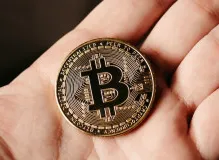
 Productivity