For over long years, we have diligently conducted independent research and product testing. When you make a purchase through our links, we may earn a commission.
Discover the Fascinating World of NFTs: All You Need to Know!

Created: 3 weeks ago

65 min Read
Introduction to NFTs: What are they and why are they gaining popularity?
NFTs, or Non-Fungible Tokens, have been creating a buzz in the digital world recently. 🚀 In this blog post, we will explore what NFTs are, delve into their rising popularity, and discover why they have become a hot topic in the art and digital asset space.
Understanding NFTs 🎨
An NFT is a unique digital asset that represents ownership or proof of authenticity of a particular item, whether it's a piece of artwork, a video clip, a GIF, or even a tweet. Unlike cryptocurrencies such as Bitcoin or Ethereum, which are fungible and can be exchanged on a one-to-one basis, NFTs are indivisible and cannot be exchanged on a like-for-like basis.
The Rarity Factor 🔑
One of the key aspects that make NFTs stand out is the concept of rarity. Each NFT is created with distinct characteristics, making it unique from any other token. This rarity factor adds value and exclusivity to the digital asset, much like owning an original piece of art.
Ownership and Authenticity 🛡️
NFTs are powered by blockchain technology, specifically on Ethereum, which ensures transparency, security, and immutability. Every transaction made with an NFT is recorded on the blockchain, guaranteeing proof of ownership and authenticity. This feature has revolutionized the art industry, allowing artists to protect their intellectual property and monetize their creations.
Exploring the Popularity of NFTs 🌟
NFTs have gained significant traction and popularity in recent months, with high-profile artists, musicians, athletes, and even celebrities embracing this new form of digital ownership. Here are a few reasons why NFTs are capturing the attention of the masses:
-
Unique Digital Collectibles: Collectibles have always held value, and NFTs provide a new digital avenue for collectors. From trading cards to virtual real estate, the possibilities for collecting digital assets are endless.
-
Digital Art Revolution: NFTs have opened up a whole new world for artists, allowing them to showcase and sell their digital creations directly to buyers, without the need for intermediaries. This has created opportunities for budding artists to gain recognition and monetize their work.
-
Authenticity and Transparency: NFTs provide a solution to one of the longstanding issues in the digital world: verifying the authenticity and ownership of digital assets. With NFTs, buyers can have confidence that they are purchasing an original, authenticated piece.
-
Investment Potential: As with any market, there is potential for NFTs to appreciate in value over time. Investors are jumping on the NFT bandwagon, hoping to acquire rare and unique assets that may increase in value in the future.
In conclusion, NFTs have taken the digital world by storm, offering a new way to own, trade, and collect digital assets. With their unique attributes and growing popularity, NFTs signal a revolution in art, ownership, and digital creativity. Whether you are an artist, collector, or simply curious about this digital phenomenon, NFTs are definitely worth exploring. 🌈✨
Understanding the Blockchain Technology Behind NFTs: A Brief Overview
In order to fully grasp the concept of NFTs, it is crucial to understand the underlying technology that powers them: blockchain. 🧱🔗
What is Blockchain? 📚
Blockchain is a decentralized digital ledger that records transactions across multiple computers, ensuring transparency, security, and immutability. It operates on a peer-to-peer network, eliminating the need for intermediaries and providing a trustless system.
How Does Blockchain Work? ⚙️
Blockchain works by creating a chain of interconnected blocks, each containing a set of transactions. These blocks are linked together using cryptographic hashes, forming a secure and tamper-resistant ledger. Once a block is added to the chain, it cannot be altered without consensus from the network participants.
The Role of Blockchain in NFTs 🎯
When it comes to NFTs, blockchain serves as the foundation for establishing ownership, verifying authenticity, and facilitating seamless transactions. Here's how it works:
-
Ownership: Each NFT is assigned a unique identifier, known as a token ID, which is stored on the blockchain. This token ID acts as a digital certificate of ownership, allowing buyers to prove that they are the true owners of the NFT.
-
Authentication: The blockchain records the history of every NFT, including its creation, ownership transfers, and any associated metadata. This provides a transparent and verifiable way to authenticate the origin and history of the digital asset.
-
Transactions: NFTs are bought, sold, and traded using cryptocurrencies, typically Ethereum. These transactions are executed directly on the blockchain, eliminating the need for intermediaries and providing a secure and efficient way to transfer ownership.
Benefits of Blockchain in NFTs 🌟
The utilization of blockchain technology in NFTs brings several advantages to creators, buyers, and enthusiasts alike:
-
Security: Blockchain's decentralized nature and cryptographic security measures safeguard NFTs from fraud, theft, and unauthorized modifications.
-
Transparency: The blockchain provides an auditable and transparent record of NFT ownership and transaction history, ensuring a high level of trust and accountability.
-
Accessibility: Blockchain technology allows for global, borderless transactions, enabling artists to reach a wider audience and buyers to easily acquire digital assets.
-
Scarcity and Rarity: The immutability of blockchain ensures the scarcity and uniqueness of NFTs, adding value and exclusivity to digital creations.
In summary, blockchain technology plays a vital role in the world of NFTs, facilitating secure ownership, authentication, and transactions for these unique digital assets. As NFTs continue to grow in popularity, understanding the underlying blockchain technology becomes increasingly important for creators, collectors, and enthusiasts. ✨🔐
How NFTs are Revolutionizing the Art Industry: Exploring the Benefits and Challenges
NFTs, or Non-Fungible Tokens, have had a profound impact on the art industry, transforming the way artists create, sell, and distribute their work. In this blog post, we will delve into the benefits and challenges that NFTs bring to the art world.
Benefits of NFTs in the Art Industry ✨
-
Increased Revenue Opportunities: NFTs provide artists with an entirely new revenue stream by allowing them to sell their digital creations directly to buyers, without the need for intermediaries such as galleries or auction houses. This enables artists to retain a larger portion of the sales proceeds.
-
Ownership and Authenticity: One of the primary advantages of NFTs is the ability to establish proof of ownership and authenticity. Through blockchain technology, NFTs provide an immutable record of ownership, ensuring that artists' work is protected from plagiarism and fraud.
-
Easier Access for Artists: NFTs have made it easier for artists to enter the art market and gain recognition for their work. By removing barriers to entry, such as the need for a physical presence in galleries, emerging artists can showcase their creations to a global audience.
-
Global Reach and Exposure: The digital nature of NFTs allows artists to reach a global audience. With just a few clicks, buyers from around the world can discover and purchase digital artworks, increasing exposure and potential sales opportunities for artists.
Challenges of NFTs in the Art Industry 🛠️
-
Environmental Impact: One of the main criticisms of NFTs is their environmental footprint. The blockchain technology that powers NFTs, particularly on the Ethereum network, consumes a significant amount of energy. Efforts are being made to address this issue and find more sustainable solutions.
-
Market Saturation and Hype: The NFT market has experienced explosive growth, resulting in a saturation of digital artworks. With the influx of new artists and artworks, it can be challenging for individual artists to stand out and attract buyers.
-
Lack of Regulation and Consumer Protection: The NFT market is currently unregulated, which raises concerns about consumer protection and the potential for scams or fraudulent activities. Buyers need to exercise caution and conduct thorough research before purchasing NFTs.
-
Digital Ownership Conundrum: While NFTs provide proof of ownership for digital assets, it does not grant physical ownership or control over the underlying artwork. This raises questions around the value and long-term viability of digital-only assets.
In conclusion, NFTs have undoubtedly revolutionized the art industry by providing new opportunities for artists and collectors alike. The benefits of increased revenue, ownership, and global reach are significant advantages for artists in the digital age. However, challenges related to environmental impact, market saturation, and regulatory concerns must be acknowledged and addressed for the sustainable growth of the NFT ecosystem.
Collecting NFTs: Tips for Finding and Evaluating Authentic and Valuable Pieces
Collecting NFTs can be an exciting and rewarding experience, but with the increasing popularity of these digital assets, it's important to know how to find and evaluate authentic and valuable pieces. Whether you're a seasoned collector or just starting out, here are some tips to help you navigate the world of NFTs.
-
Do Your Research: Before diving into the world of NFTs, take the time to educate yourself about the artists, platforms, and marketplaces. Familiarize yourself with popular artists and their work, as well as the different platforms and marketplaces where NFTs are bought and sold.
-
Verify the Artist: When considering an NFT, verify the authenticity of the artist behind the piece. Look for artists with a strong reputation and a track record of creating high-quality works. You can also check if the artist has a social media presence or a website showcasing their portfolio.
-
Check the Minting Process: Minting is the process of creating and issuing an NFT. Look for information about how the NFT was minted, such as the date and time of creation, the platform used, and any additional details provided by the artist. This information can help establish the authenticity and provenance of the NFT.
-
Evaluate Scarcity: Scarcity plays a significant role in the value of an NFT. Consider the rarity of the piece you're interested in. Is it a limited edition or a one-of-a-kind artwork? The more scarce an NFT is, the more valuable it may become over time.
-
Consider the Blockchain: Pay attention to the blockchain on which the NFT is built. Ethereum is currently the most widely used blockchain for NFTs, but there are other emerging platforms as well. Understand the benefits and limitations of the blockchain technology behind the NFT you're considering.
-
Read the Smart Contract: Each NFT is accompanied by a smart contract, which outlines the terms and conditions of ownership. Take the time to read and understand the smart contract before making a purchase. Look for details about royalties, licensing rights, and any additional perks that may come with owning the NFT.
-
Engage with the Community: Join communities and forums dedicated to NFT collectors and artists. Engaging with the community can help you learn from experienced collectors, discover new artists, and stay updated on the latest trends and opportunities in the NFT space.
-
Stay Vigilant: As with any booming market, there may be risks involved. Be cautious of scams, counterfeit NFTs, and misleading information. Use reputable platforms and marketplaces, and double-check the authenticity of the NFT and seller before making a purchase.
By following these tips, you can enhance your chances of finding and collecting authentic and valuable NFTs. Remember, NFTs are not just digital assets, but also pieces of art and cultural significance. Enjoy the journey of exploring this exciting new world and discovering unique digital treasures.🌌✨
Investing in NFTs: Understanding the Potential Risks and Rewards 💸
NFTs have been making waves in the investment world, attracting both seasoned investors and newcomers to the digital asset space. While the potential rewards can be enticing, it's important to understand the risks involved when investing in NFTs. In this section, we will explore the potential risks and rewards associated with NFT investments.
Rewards of Investing in NFTs 🚀📈
Investing in NFTs offers unique opportunities and potential rewards for investors. Here are some of the potential benefits of diving into the world of NFT investments:
-
High Returns on Investment: Just like any investment, successful NFT purchases can lead to significant returns on investment. Some NFTs have seen tremendous price appreciation, attracting attention from investors looking for lucrative opportunities.
-
Exposure to Rare and Unique Assets: NFTs provide investors with access to rare and unique digital assets that hold value and exclusivity. Owning a one-of-a-kind piece of digital art or a limited edition collectible can be a source of pride and potentially increase in value over time.
-
Diverse Investment Portfolio: Adding NFTs to your investment portfolio can diversify your holdings and provide exposure to a different asset class. This diversification can help spread the risk and potentially enhance overall returns.
-
Supporting Artists and Creators: Investing in NFTs allows you to directly support artists and creators. By purchasing their digital creations, you contribute to their success and enable them to continue producing innovative work.
Risks Involved in NFT Investments 🛑📉
While there are potential rewards, it's crucial to consider the risks associated with investing in NFTs. Here are some factors to be aware of before diving in:
-
Volatility and Speculative Nature: The NFT market can be highly volatile, with prices fluctuating rapidly. The inherent speculative nature of NFT investments means that prices can rise or fall drastically, potentially resulting in losses.
-
Lack of Regulation: The NFT market is still in its infancy, and regulations surrounding NFTs are evolving. This lack of regulation and oversight can make the market susceptible to scams, fraud, and other risks that investors need to be cautious about.
-
Market Saturation and Bubble Potential: The rapid growth and popularity of NFTs have led to a proliferation of new projects and digital assets. With the influx of NFTs, there is a risk of market saturation and the potential for a bubble burst, which could lead to a decline in overall NFT values.
-
Technological Challenges: NFTs are built on blockchain technology, which, like any technology, can face technical challenges, including scalability issues, network congestion, and security vulnerabilities. These challenges can impact the functioning and value of NFTs.
Conclusion: Making Informed NFT Investments ✅❗
Investing in NFTs can be an exciting and potentially lucrative endeavor, but it's crucial to approach it with caution and an understanding of the risks involved. As with any investment, thorough research, diversification, and a long-term perspective are key to making informed decisions. By staying updated on the evolving NFT landscape and assessing the risks and rewards, you can navigate the world of NFT investments with confidence. Happy investing! 💰🚀
Introduction to NFTs: Understanding the Basics 💡
En este artículo, vamos a explorar qué son los NFTs y comprender los conceptos básicos de esta tecnología revolucionaria. Los NFTs, o Tokens No Fungibles en español, están capturando la atención de personas de todo el mundo debido a sus características únicas y su potencial para cambiar la forma en que interactuamos con los activos digitales.
¿Qué son los NFTs? 🎨
Los NFTs son tokens digitales que representan la propiedad o autenticidad de un artículo específico, como una obra de arte, un video, un GIF o incluso un tweet. Cada NFT es único y no puede ser intercambiado de manera equivalente, a diferencia de las criptomonedas como Bitcoin o Ethereum.
¿Cómo funcionan los NFTs? 🔑
Los NFTs se basan en la tecnología de blockchain, específicamente en Ethereum. Cada NFT es registrado en la cadena de bloques, lo que garantiza su autenticidad y permite rastrear su historial completo de transacciones. Esta característica brinda seguridad y transparencia a los propietarios de los NFTs y garantiza que no puedan ser duplicados o falsificados.
¿Por qué los NFTs están ganando popularidad? 🚀
Los NFTs se han vuelto increíblemente populares en los últimos tiempos por varias razones:
-
Posibilidad de propiedad digital exclusiva: Los NFTs permiten a los usuarios poseer de forma exclusiva activos digitales únicos, como obras de arte digitales, momentos destacados de videojuegos o incluso propiedades virtuales. Esta exclusividad otorga valor y sentido de pertenencia a los propietarios de NFTs.
-
Potencial para artistas y creadores: Los NFTs han abierto nuevas oportunidades para artistas y creadores digitales, permitiéndoles vender directamente sus obras y recibir una compensación justa por su trabajo. Esto ha democratizado el mundo del arte y ha dado visibilidad a talentos emergentes.
-
Autenticidad y transparencia en la era digital: Los NFTs resuelven el desafío de autenticidad y propiedad en el mundo digital. Al utilizar una tecnología basada en blockchain, se puede verificar la autenticidad y el historial de propiedad de cada NFT, brindando seguridad y confianza a los compradores.
-
Potencial de inversión: Al igual que muchos otros activos, algunos NFTs han aumentado su valor con el tiempo, lo que ha llevado a inversores a explorar oportunidades en este mercado emergente. Sin embargo, cabe destacar que la inversión en NFTs también conlleva riesgos y es importante hacer una investigación adecuada antes de invertir.
En resumen, los NFTs representan una innovación emocionante en el mundo digital, ofreciendo posibilidades de propiedad exclusiva, una nueva forma de apoyar a artistas y creadores, y una solución a los desafíos de autenticidad en línea. Si estás interesado en explorar este universo en crecimiento, los NFTs son definitivamente un tema que vale la pena explorar. ⚡️🌈
NFTs, or Non-Fungible Tokens, have been gaining significant attention in recent times. But what exactly are NFTs and how do they work? Let's dive deeper into understanding this intriguing concept.
Explaining NFTs 🎨
NFTs, which stands for Non-Fungible Tokens, are unique digital assets that represent ownership or proof of authenticity of a specific item. Unlike cryptocurrencies like Bitcoin or Ethereum, which are fungible and can be exchanged on a one-to-one basis, NFTs are indivisible and cannot be exchanged on a like-for-like basis.
How Do NFTs Work? 🔄
NFTs are built on blockchain technology, often utilizing the Ethereum blockchain. Each NFT consists of a digital token that is stored securely and can be bought, sold, or traded on various online platforms or marketplaces. The blockchain ensures transparency, security, and immutability by recording every transaction made with an NFT.
Unique Attributes of NFTs 🔑
One of the key characteristics of NFTs is their uniqueness. Each NFT is distinct from any other token and contains metadata that provides information about the asset - whether it's a piece of digital art, a video clip, music, or even virtual real estate. This uniqueness adds value and exclusivity to the digital asset, much like owning an original piece of artwork.
Verifying Ownership and Authenticity 🛡️
Blockchain technology plays a crucial role in verifying ownership and establishing the authenticity of NFTs. Each token is linked to a specific owner and can be traced back to its original creator. This feature ensures that the ownership of the asset can be clearly established and proven, which is particularly important in the digital art space where issues of copyright and intellectual property arise.
The Rise in Popularity 🌟
NFTs have gained immense popularity in recent months, attracting attention from artists, collectors, investors, and enthusiasts. Their popularity can be attributed to several factors, including:
-
Digital Collectibles: NFTs provide a new avenue for collecting and owning digital assets, ranging from digital artwork to virtual trading cards. Collectors are drawn to the uniqueness and scarcity of these assets.
-
Marketplace Accessibility: NFT marketplaces and platforms have made it easier for artists to showcase and sell their digital creations directly to buyers, without the need for intermediaries. This empowers artists and creators to monetize their work more efficiently.
-
Investment Potential: Some individuals see NFTs as a potential investment opportunity, with hopes that the value of certain NFTs may appreciate over time. However, the market for NFTs can be highly volatile, and caution is advised when considering them as an investment.
-
Digital Ownership: NFTs provide a means to establish and prove ownership of digital assets in the decentralized world of the internet. This has implications for various industries, including art, music, gaming, and virtual reality.
In conclusion, NFTs are unique digital assets that have gained popularity due to their ability to establish ownership, authenticity, and scarcity in the digital space. This innovative technology opens up new opportunities for artists, collectors, and investors, and continues to reshape various industries. Whether you are an artist looking to showcase your work or an enthusiast interested in digital ownership, NFTs offer a fascinating world to explore.
Revolutionary Features of NFTs 🌟
NFTs, or Non-Fungible Tokens, have garnered significant attention and are quickly becoming a game-changer in the digital world. From artwork to virtual real estate, NFTs offer a range of benefits that have captured the imagination of creators, collectors, and investors alike. In this section, we will dive into the revolutionary features of NFTs and explore why they are changing the landscape of digital ownership.
1. Unique and Indivisible Ownership 🔐
Unlike traditional digital assets, NFTs provide a unique and indivisible form of ownership. Each token is tied to a specific item, and its authenticity and scarcity are verifiable on the blockchain. This means that owning an NFT grants you sole ownership over a specific digital asset, distinguishing it from any other copy or replica.
2. Transparency and Immutability on the Blockchain 📚
NFTs are built on blockchain technology, specifically on platforms like Ethereum. The decentralized nature of the blockchain ensures transparency and immutability, making every aspect of an NFT's creation, ownership, and transaction history publicly visible and tamper-proof. This unchangeable record guarantees the authenticity and provenance of the digital asset.
3. Empowering Creators and Artists 🎨
NFTs have opened up new avenues for creators and artists to monetize their digital works directly. Gone are the days of relying on intermediaries to showcase and sell artwork. With NFTs, creators can mint their digital assets as unique tokens and sell them directly to buyers, retaining a larger portion of the profits. This artist-centric approach empowers creators and allows them to reach a global audience without the need for traditional gatekeepers.
4. Economic Opportunities and Royalties 💰
NFTs also introduce the concept of royalties, enabling creators to earn ongoing revenue even after the initial sale. Smart contracts embedded in NFTs allow creators to receive a percentage of future resales, ensuring they can continue to benefit from the increasing value of their work. This income stream provides sustainability and long-term economic opportunities for artists in the digital space.
5. Expansion of Digital Collectibles 🧩
NFTs have breathed new life into the world of digital collectibles. From trading cards to virtual pets, NFTs offer a unique and exciting way to collect and own digital assets. The scarcity and individuality of each token enhance the desirability and value of these collectibles, attracting enthusiasts and collectors from all corners of the world.
6. Proof of Authenticity and Ownership 🛡️
One of the most revolutionary aspects of NFTs is their ability to provide proof of authenticity and ownership for digital assets. By leveraging blockchain technology, NFTs offer a reliable and transparent solution to verify the originality and provenance of a digital work. This feature has immense implications for the art industry, as it eliminates issues surrounding counterfeiting and plagiarism.
In summary, NFTs are revolutionizing the concept of digital ownership by offering unique, verifiable, and indivisible assets that empower creators, artists, and collectors. With their transparency on the blockchain, economic benefits, and expansion of the digital collectibles market, NFTs have emerged as a game-changer in the digital realm. Whether you are an artist looking to monetize your creations or a collector seeking to own unique digital assets, NFTs offer exciting possibilities for the future of ownership. 🎉💎
Blockchain technology plays a crucial role in the creation and functionality of NFTs. Let's delve into how blockchain technology enables the uniqueness, security, and transparency of NFTs.
Decentralized and Immutable Ledger 🔗
Blockchain serves as a decentralized and immutable ledger that records all transactions associated with NFTs. It provides a transparent and tamper-proof system where every change or transfer of ownership is permanently recorded. This ensures the authenticity and integrity of the NFT, giving buyers and collectors confidence in the digital asset.
Smart Contracts and Token Standards 📝
Smart contracts, which are self-executing contracts with predefined rules, are an integral part of the blockchain technology that powers NFTs. Smart contracts define the terms and conditions of the NFT, including ownership rights, royalties, and any other specific attributes related to the asset.
Additionally, token standards, such as the ERC-721 and ERC-1155 standards on the Ethereum blockchain, provide a framework for creating NFTs. These standards establish a set of rules and functions that govern how NFTs are created, stored, and traded on the blockchain.
Interoperability and Portability 🔄
Blockchain technology allows NFTs to be easily transferred between different platforms and marketplaces. The interoperability of NFTs means that creators and collectors can seamlessly showcase and trade their digital assets across various platforms, increasing the exposure and liquidity of the NFT market.
Security and Ownership Verification 🔒
The distributed nature of blockchain technology ensures the security and authenticity of NFT ownership. By utilizing cryptographic encryption and public-key infrastructure, blockchain provides a robust and secure system for verifying ownership and preventing fraudulent activities.
Furthermore, blockchain technology eliminates the need for intermediaries, such as art galleries or brokers, in the process of buying and selling NFTs. This peer-to-peer exchange model enables artists to have direct ownership of their creations and gives collectors a more transparent and efficient way to acquire NFTs.
Energy Consumption and Environmental Impact ⚡🌱
It is important to mention the environmental impact of blockchain technology, especially in relation to energy consumption. Some blockchain networks, like Ethereum, rely on proof-of-work consensus algorithms, which require significant computational power and electricity consumption. As the popularity of NFTs continues to grow, concerns regarding the carbon footprint of blockchain networks have emerged.
However, efforts are being made to address this issue through the development of more energy-efficient consensus algorithms, such as proof-of-stake. Additionally, some blockchain projects are exploring ways to offset their carbon emissions or migrate to more sustainable energy sources.
In conclusion, blockchain technology provides the underlying infrastructure that enables the creation, authenticity, and functionality of NFTs. Through decentralized ledgers, smart contracts, and token standards, NFTs have revolutionized the concept of ownership in the digital realm. While there are considerations regarding energy consumption, the potential of NFTs and blockchain technology to transform various industries is undeniable.
Step 1: Choose Your NFT Marketplace 🌐
To start creating and selling your own NFTs, the first step is to select a suitable NFT marketplace. There are several popular platforms available, such as:
- OpenSea
- Rarible
- SuperRare
- Foundation
Each marketplace has its own unique features and requirements, so it's essential to research and choose the one that aligns with your goals and fits your needs.
Step 2: Set Up Your Wallet 💼
Before you can create and sell NFTs, you'll need to set up a suitable digital wallet that is compatible with the marketplace you've chosen. The most commonly used wallet for Ethereum-based NFTs is MetaMask. This wallet allows you to connect to decentralized applications (dApps) and securely store and manage your digital assets.
Step 3: Prepare Your Artwork or Digital Asset 🎨
Now it's time to prepare the artwork or digital asset that you want to tokenize as an NFT. Make sure your work meets the specific requirements of the marketplace you've selected, such as file format and size restrictions. It's recommended to create high-quality and unique content that will attract potential buyers.
Step 4: Mint Your NFT 🖌️
"Minting" an NFT refers to the process of creating a unique token on the blockchain that represents your digital asset. To mint your NFT, follow these general steps:
- Connect your wallet to the chosen marketplace.
- Upload your artwork or digital asset.
- Fill in the required details, such as title, description, and edition (if applicable).
- Choose whether you want your NFT to be a single edition or part of multiple editions.
- Set a price or select the auction option.
Step 5: List and Promote Your NFT 🔍
Once your NFT is minted, you can list it for sale on the marketplace. Consider implementing the following strategies to increase the visibility and marketability of your NFT:
- Social media promotion: Share your NFT on platforms like Twitter, Instagram, and Discord to reach a wider audience.
- Collaborations: Collaborate with other artists or influencers to cross-promote each other's NFTs.
- Engage with the community: Participate in discussions and engage with the NFT community to build connections and gain exposure.
- Create scarcity: Consider offering limited editions or exclusive bonuses to create a sense of urgency and desirability for your NFT.
Step 6: Manage Sales and Transactions 💸
Once your NFT is listed for sale, it's important to stay on top of any inquiries or potential buyers. Respond promptly to messages, provide additional information if requested, and finalize transactions securely through the marketplace's built-in systems.
Conclusion
Creating and selling NFTs can be an exciting and lucrative venture for artists and digital creators. By following this step-by-step guide, you'll be well on your way to entering the world of NFTs and embracing the opportunities they offer. Remember to stay informed about the evolving NFT landscape and adapt your strategies accordingly. Happy minting! 🚀💎
NFTs, ¿qué son y por qué están ganando popularidad en el mundo del arte digital? 🖼️ A medida que la tecnología blockchain continúa revolucionando las industrias, los NFTs se han convertido en una innovadora forma de comerciar y poseer arte digital.
¿Qué es un NFT?
Un NFT, o Token No Fungible en español, es un tipo de activo digital único que utiliza la tecnología blockchain para proporcionar pruebas de propiedad y autenticidad. A diferencia de las criptomonedas como Bitcoin, que son fungibles y pueden intercambiarse entre sí, los NFTs son indivisibles y se utilizan principalmente para representar activos digitales exclusivos, como obras de arte digitales, música, videos, colecciones deportivas y mucho más.
La Revolución del Arte Digital 💥
Los NFTs han desencadenado una revolución en la industria del arte digital. Ahora, los artistas pueden vender sus obras directamente a los coleccionistas sin la necesidad de intermediarios como galerías o casas de subastas. Esta descentralización ha permitido a los creadores tomar el control de su propio trabajo, establecer sus precios y recibir una compensación justa por su talento.
Inicialmente, el arte digital se enfrentó a desafíos de autenticidad y propiedad, pero los NFTs han brindado una solución a estos problemas. Cada NFT tiene un registro único en la cadena de bloques, lo que proporciona evidencia irrefutable de que el poseedor del NFT es el dueño legítimo de la obra de arte digital.
Beneficios de los NFTs en el mundo del arte 🎨
Los NFTs han abierto nuevas oportunidades y beneficios tanto para los artistas como para los coleccionistas. Algunas de las ventajas más destacadas son:
-
Descentralización y Control: Los artistas pueden tomar el control total de su obra, estableciendo los términos de venta y recibiendo una compensación directa de cada transacción.
-
Exposición Global: La naturaleza digital de los NFTs permite que las obras de arte se exhiban y vendan a nivel mundial, llegando a un público mucho más amplio que el que se podría alcanzar en una galería física.
-
Regalías Inteligentes: Los artistas pueden recibir regalías cada vez que su obra se revende en el mercado secundario de NFTs, lo que les permite seguir beneficiándose a medida que su trabajo aumenta de valor.
-
Transparencia y Autenticidad: Los NFTs solucionan el problema de autenticidad en el mundo del arte digital. Los compradores pueden verificar fácilmente la autenticidad y propiedad de una obra gracias a la tecnología blockchain.
En resumen, los NFTs han revolucionado la forma en que el arte digital se crea, comercializa y posee. Estos tokens únicos proporcionan a los artistas una nueva forma de obtener reconocimiento y compensación por su trabajo, al tiempo que ofrecen a los coleccionistas la oportunidad de poseer activos digitales valiosos y exclusivos. El mundo del arte está experimentando una transformación emocionante gracias a los NFTs, y estamos presenciando el comienzo de una era completamente nueva en la historia del arte digital. 🎉🚀
NFTs, or Non-Fungible Tokens, have been making waves in the digital world lately. 🌊 But what exactly are NFTs? Let's take a closer look.
Defining NFTs 🎨
NFTs, or Tokens No Fungibles in Spanish, are unique digital assets that represent ownership or proof of authenticity of a particular item. Unlike cryptocurrencies like Bitcoin or Ethereum, which are "fungible" and can be exchanged on a one-to-one basis, NFTs are "non-fungible" and cannot be exchanged on a like-for-like basis.
🔎 NFTs que es: Los NFTs, o Tokens No Fungibles en español, son activos digitales únicos que representan la propiedad o la prueba de autenticidad de un artículo en particular.
How NFTs Work 💡
NFTs are built on blockchain technology, specifically the Ethereum blockchain. Each NFT holds a unique digital signature that verifies its authenticity and ownership. This information is stored on the blockchain, making it transparent, secure, and immutable.
🔍 NFTs cómo funcionan: Los NFTs se basan en la tecnología blockchain, específicamente en la cadena de bloques Ethereum. Cada NFT tiene una firma digital única que verifica su autenticidad y propiedad. Esta información se almacena en la cadena de bloques, lo que la hace transparente, segura e inmutable.
The Value of Rarity 🔑
One of the defining characteristics of NFTs is their rarity. Each NFT is one-of-a-kind, with distinct attributes that set it apart from any other token. This scarcity adds value and exclusivity to the digital asset, similar to owning a rare collectible item.
⭐️ Valor de la rareza: Una de las características definitorias de los NFTs es su rareza. Cada NFT es único, con atributos distintos que lo distinguen de cualquier otro token. Esta escasez agrega valor y exclusividad al activo digital, similar a poseer un artículo de colección raro.
NFTs in the Art World 🖼️
The art industry has been revolutionized by the emergence of NFTs. Artists can now tokenize their creations and sell them as NFTs directly to buyers, bypassing traditional art galleries and intermediaries. This new digital landscape has opened up opportunities for artists to reach a global audience and monetize their work in new ways.
🎨 NFTs en el mundo del arte: La industria del arte ha sido revolucionada por la aparición de los NFTs. Los artistas ahora pueden digitalizar sus creaciones y venderlas como NFTs directamente a los compradores, evitando galerías de arte tradicionales e intermediarios. Este nuevo panorama digital ha abierto oportunidades para que los artistas lleguen a una audiencia global y monetizar su trabajo de nuevas formas.
NFTs and Digital Ownership 🗝️
The concept of ownership is at the core of NFTs. With an NFT, buyers can prove that they own the original, authenticated version of a digital asset. This has significant implications for the digital world, where reproductions of art or media can be easily duplicated. NFTs provide a way to distinguish the original from copies and ensure creators receive recognition and compensation for their work.
🔒 NFTs y la propiedad digital: El concepto de propiedad es fundamental en los NFTs. Con un NFT, los compradores pueden demostrar que son dueños de la versión original y autenticada de un activo digital. Esto tiene implicaciones significativas en el mundo digital, donde las copias de arte o medios pueden duplicarse fácilmente. Los NFTs brindan una forma de distinguir lo original de las copias y garantizar que los creadores reciban reconocimiento y compensación por su trabajo.
In conclusion, NFTs represent a new frontier in digital ownership, allowing individuals to buy, sell, and collect unique digital assets. Their rarity, blockchain technology, and impact on the art world make NFTs an exciting and rapidly expanding phenomenon. Whether you're an artist or simply intrigued by the concept, exploring the world of NFTs can unlock a whole new realm of digital possibilities. 🚀✨
The concept of ownership in digital assets is one of the key aspects that sets NFTs apart from other digital tokens. NFTs, or Non-Fungible Tokens, have revolutionized the way we perceive and establish ownership in the digital realm. In this section, we will delve deeper into the idea of ownership and how it is ingrained in the technology behind NFTs.
The Unique Nature of NFTs 🌌
Unlike cryptocurrencies such as Bitcoin or Ethereum, which are fungible and can be exchanged on a like-for-like basis, NFTs are non-fungible. This means that each NFT is unique and cannot be replaced or replicated. Each NFT has its own distinct characteristics, properties, and value, making it truly one-of-a-kind.
The Role of Blockchain Technology 🔒
NFTs are powered by blockchain technology, specifically on the Ethereum blockchain, which ensures transparency, security, and immutability. The blockchain serves as a decentralized and distributed ledger that records every transaction made with an NFT.
When an artist creates an NFT, it is uploaded to the blockchain along with relevant information such as the artwork's description, history, and ownership details. This information is permanently stored on the blockchain, creating a transparent and tamper-proof record of the ownership and authenticity of the digital asset.
Proof of Ownership and Authenticity 🛡️
NFTs utilize the blockchain to provide a proof of ownership and authenticity for digital assets. Once an NFT is minted, it is assigned a unique digital signature that represents its ownership. This signature is stored on the blockchain and can be verified by anyone, providing assurance that the NFT is genuine and belongs to a specific individual.
This capability has been particularly transformative in the art world, where issues of copyright infringement and plagiarism have long been a concern. With NFTs, artists can establish ownership and control over their digital creations. They can prove their authorship and prevent unauthorized duplication or misuse of their work.
Transferability and On-Chain Transactions 💸
One of the advantages of NFTs is their ability to be transferred from one owner to another through on-chain transactions. When an NFT is sold or exchanged, the ownership transfer is recorded on the blockchain, ensuring a seamless and transparent transfer of ownership.
These on-chain transactions remove the need for intermediaries, such as galleries or brokers, when buying or selling digital assets. The ownership transfer is executed directly between the buyer and the seller, providing a more efficient and secure process.
The Future of Digital Ownership 🚀
NFTs have opened up new possibilities for digital ownership, allowing individuals to own unique and authenticated digital assets. As the technology continues to evolve, we can expect to see even more innovative use cases for NFTs beyond art, such as virtual real estate, virtual fashion, and even virtual experiences.
In conclusion, NFTs have revolutionized the concept of ownership in the digital realm. Through blockchain technology, NFTs provide proof of ownership, authenticity, and the ability to transfer digital assets seamlessly. As the popularity of NFTs continues to grow, it is clear that they are shaping the future of digital ownership, creating new opportunities for artists, collectors, and enthusiasts alike.
The emergence of NFTs (Non-Fungible Tokens) has sparked a significant shift in the art and collectibles market. Artists and collectors alike are embracing this new digital medium, drawn to the unique benefits that NFTs offer. In this section, we will dive into the various advantages of NFTs and how they are transforming the art and collectibles industry.
1. Authenticity and Ownership 🛡️
🔑 One of the key benefits of NFTs in the art market is the ability to establish and verify authenticity and ownership. When an artist creates an NFT of their artwork, it becomes a unique digital asset that is recorded on the blockchain. This blockchain record serves as irrefutable proof of ownership, ensuring that the buyer holds the original and authentic piece. This feature is particularly valuable in the digital realm, where issues of copyright infringement and duplication are prevalent.
2. Direct Artist-to-Collector Engagement 🤝
💡 NFTs allow artists to directly connect with collectors and sell their work without the need for intermediaries. Through online marketplaces and platforms, artists can showcase their creations, set their own prices, and receive payments in cryptocurrency. This direct engagement empowers artists by providing them with greater control over the sale of their artwork and eliminating traditional gatekeepers.
3. Immutable Ownership Records 📚
💎 The blockchain technology underlying NFTs ensures that ownership records are immutable and transparent. Every transaction made with an NFT is recorded on the blockchain, creating an unalterable history of ownership. This transparent ledger enhances trust and confidence in the market, as buyers can easily trace the provenance of a particular artwork or collectible.
4. Increased Artists' Revenue 💰
💸 NFTs offer artists the opportunity to generate additional revenue streams. By minting and selling limited editions or unique digital creations, artists can monetize their work beyond traditional methods such as gallery sales. NFTs also provide the potential for artists to earn royalties on secondary market sales, allowing them to benefit from the appreciation of their work over time.
5. Accessible Ownership for Collectors 🌍
🌐 NFTs have made art and collectibles more accessible to a global audience. Unlike physical artworks that are limited by geographic constraints, digital assets can be easily shared, traded, and owned by collectors worldwide. This accessibility not only expands the market reach for artists but also allows collectors to discover and engage with a diverse range of artworks from around the globe.
In conclusion, NFTs have brought about a paradigm shift in the art and collectibles market, offering numerous benefits to artists and collectors alike. The establishment of authenticity, direct artist-to-collector engagement, immutable ownership records, increased revenue opportunities for artists, and global accessibility are contributing to the growing popularity of NFTs. As this digital medium continues to evolve, it will undoubtedly reshape the way we perceive, value, and engage with art and collectibles. ✨💎
The music industry has been experiencing a seismic shift with the rise of NFTs. 🎵 These digital tokens have revolutionized the way music is owned, shared, and monetized, opening up new possibilities for artists and fans alike. In this blog post, we will explore what NFTs are and how they are transforming the music industry by changing the concept of ownership and revolutionizing royalty systems.
Understanding NFTs and Their Impact on Music 🎧
NFTs, or Non-Fungible Tokens, are unique digital assets that represent ownership or proof of authenticity of a specific item, such as music albums, singles, or even rights to a song. Each NFT is indivisible and cannot be exchanged on a like-for-like basis, making it a one-of-a-kind digital collectible.
In the music industry, NFTs have become a game-changer. By tokenizing music, artists can mint NFTs that represent ownership rights to their songs, albums, or even concert tickets. These NFTs can be bought, sold, and traded on various online marketplaces, creating a new ecosystem for music ownership and investment.
Revolutionizing Ownership and Royalties 💰
One of the significant advantages of NFTs in the music industry is the ability for artists to retain ownership and control of their work. With traditional distribution models, artists often sign away their rights to record labels or streaming platforms, resulting in limited control over their music and its monetization. However, with NFTs, artists can directly tokenize their music and sell it to fans, retaining more significant control over their creations.
Furthermore, NFTs present an opportunity to revolutionize royalty systems. Currently, artists receive a fraction of a cent per stream on popular streaming platforms. However, with NFTs, artists can sell ownership rights directly to fans, allowing for a more direct and potentially more lucrative income stream. This eliminates the need for intermediaries and creates a more transparent and fair compensation model between artists and their supporters.
Fan Engagement and Unique Experiences 🎉
NFTs also offer the opportunity for artists to engage with their fans on a deeper level. By creating limited edition NFTs that offer exclusive experiences, such as backstage passes, meet-and-greets, or even access to unreleased music, artists can create a sense of exclusivity and reward their most loyal supporters. This not only strengthens the artist-fan relationship but also provides additional revenue streams outside of traditional music sales and performances.
Challenges and Future Potential 🌟
While NFTs in the music industry hold immense potential, there are also challenges to address. Currently, the environmental impact of blockchain technology, which powers NFTs, is a concern. However, efforts are being made to develop more eco-friendly solutions to minimize the carbon footprint associated with NFT transactions.
In conclusion, NFTs have the potential to revolutionize the music industry by transforming ownership, royalty systems, and fan engagement. With these unique digital assets, artists can retain control over their work, offer exclusive experiences to fans, and create new revenue streams. The rise of NFTs in the music industry signals a promising future where artists can truly reap the rewards of their talent and creativity. 🌈🎶
NFTs (Non-Fungible Tokens) han ganado popularidad en el mundo de los videojuegos, ofreciendo nuevas oportunidades tanto para jugadores como para desarrolladores. En este apartado, exploraremos cómo los NFTs están innovando la industria del gaming y cómo están creando experiencias únicas para los usuarios.
¿Qué son los NFTs en el ámbito de los videojuegos? 🎮
En el contexto de los videojuegos, los NFTs son tokens digitales únicos que representan elementos y activos dentro del juego que se pueden comprar, vender y coleccionar. Estos activos pueden incluir personajes, skins, artículos de vestuario, armas y otros objetos virtuales que mejoran la experiencia de juego.
Beneficios para los jugadores 👥
Los NFTs en los videojuegos proporcionan beneficios interesantes para los jugadores, entre ellos:
-
True Ownership (Propiedad real): Los jugadores pueden poseer y tener control total sobre sus activos digitales, lo que les otorga la libertad de intercambiarlos o venderlos a otros jugadores.
-
Experiencias personalizadas: Al poseer NFTs, los jugadores pueden personalizar sus personajes y modificar su apariencia de acuerdo con sus preferencias. Esto permite una mayor expresión creativa y la posibilidad de destacar en la comunidad de jugadores.
-
Inversión y valorización: Algunos NFTs pueden apreciar su valor con el tiempo, lo que brinda a los jugadores la oportunidad de invertir y obtener ganancias a través del comercio de activos digitales.
Oportunidades para los desarrolladores 🧑💻
Los NFTs también ofrecen oportunidades emocionantes para los desarrolladores de juegos, incluyendo:
-
Generación de ingresos adicionales: Los desarrolladores pueden monetizar aún más sus juegos al permitir la venta de NFTs dentro del juego. Esto les brinda una fuente adicional de ingresos, ya que pueden recibir una comisión por cada transacción de NFT realizada.
-
Interacción con la comunidad de jugadores: Al permitir que los jugadores posean y comercialicen NFTs, los desarrolladores pueden fomentar una mayor participación de la comunidad y fortalecer el vínculo entre los jugadores y el juego.
-
Innovación en el diseño de juegos: Los NFTs brindan una oportunidad para explorar nuevos modelos de juegos y mecánicas de juego que involucren activos digitales únicos. Esto permite la creación de experiencias únicas y emocionantes para los jugadores.
En resumen, los NFTs están abriendo nuevas posibilidades en la industria de los videojuegos, brindando a los jugadores la oportunidad de poseer activos digitales y personalizar sus experiencias de juego. Al mismo tiempo, los desarrolladores se benefician al generar ingresos adicionales y fomentar una mayor participación de la comunidad de jugadores. Los NFTs en el gaming son una tendencia en crecimiento que promete transformar la forma en que interactuamos con los videojuegos.🎮✨
🎨 NFTs, o Tokens No Fungibles, han estado creando revuelo en el mundo digital recientemente. 🚀 En esta publicación de blog, exploraremos qué son los NFTs, nos adentraremos en su creciente popularidad y descubriremos por qué se han convertido en un tema candente en el arte y el espacio de activos digitales.
Comprendiendo los NFTs 🎨
Un NFT es un activo digital único que representa la propiedad o prueba de autenticidad de un artículo en particular, ya sea una obra de arte, un video clip, un GIF o incluso un tweet. A diferencia de las criptomonedas como Bitcoin o Ethereum, que son fungibles y pueden intercambiarse de manera uno a uno, los NFTs son indivisibles y no se pueden intercambiar en una base de igual a igual.
La Factor de Rareza 🔑
Uno de los aspectos clave que hacen que los NFTs se destaquen es el concepto de rareza. Cada NFT se crea con características distintivas, lo que lo convierte en único de cualquier otro token. Este factor de rareza agrega valor y exclusividad al activo digital, al igual que poseer una pieza de arte original.
Propiedad y Autenticidad 🛡️
Los NFTs están impulsados por la tecnología blockchain, específicamente en Ethereum, que asegura transparencia, seguridad e inmutabilidad. Cada transacción realizada con un NFT se registra en la cadena de bloques, garantizando la prueba de propiedad y autenticidad. Esta característica ha revolucionado la industria del arte, permitiendo a los artistas proteger su propiedad intelectual y monetizar sus creaciones.
Explorando la Popularidad de los NFTs 🌟
Los NFTs han ganado una tracción y popularidad significativas en los últimos meses, con artistas de alto perfil, músicos, atletas e incluso celebridades adoptando esta nueva forma de propiedad digital. Aquí hay algunas razones por las que los NFTs están captando la atención de las masas:
-
Coleccionables Digitales Únicos: Los coleccionables siempre han tenido valor, y los NFTs proporcionan una nueva avenida digital para los coleccionistas. Desde tarjetas de intercambio hasta bienes raíces virtuales, las posibilidades para coleccionar activos digitales son infinitas.
-
Revolución del Arte Digital: Los NFTs han abierto un mundo completamente nuevo para los artistas, permitiéndoles mostrar y vender sus creaciones digitales directamente a los compradores, sin la necesidad de intermediarios. Esto ha creado oportunidades para que los artistas emergentes ganen reconocimiento y monetizen su trabajo.
-
Autenticidad y Transparencia: Los NFTs ofrecen una solución a uno de los problemas de larga data en el mundo digital: verificar la autenticidad y propiedad de los activos digitales. Con los NFTs, los compradores pueden tener la confianza de que están adquiriendo una pieza original y autenticada.
-
Potencial de Inversión: Como en cualquier mercado, existe la posibilidad de que los NFTs aprecien su valor con el tiempo. Los inversores se suman a la tendencia de los NFTs, esperando adquirir activos raros y únicos que puedan aumentar su valor en el futuro.
En conclusión, los NFTs han tomado el mundo digital por asalto, ofreciendo una nueva forma de poseer, intercambiar y coleccionar activos digitales. Con sus atributos únicos y su creciente popularidad, los NFTs señalan una revolución en el arte, la propiedad y la creatividad digital. Ya sea que seas un artista, coleccionista o simplemente estés interesado en este fenómeno digital, definitivamente vale la pena explorar los NFTs. 🌈✨
The Technology Behind NFTs: How Do They Actually Work? 🖥️
To truly understand NFTs (or Non-Fungible Tokens), it's essential to have a grasp of the underlying blockchain technology that powers them. Let's dive into the inner workings of NFTs and how they function.
Blockchain Basics and Smart Contracts 📚
At the core of NFTs is a technology called blockchain. A blockchain is a decentralized and transparent digital ledger that records every transaction made with cryptocurrencies or digital assets. Think of it as a digital database that keeps a permanent record of all transactions in a secure and immutable manner.
Smart contracts play a crucial role in the functioning of NFTs. These are self-executing contracts with predefined conditions that automatically enforce and facilitate the exchange of assets when those conditions are met. Smart contracts eliminate the need for intermediaries, providing a transparent and trustworthy way to ensure the ownership and transfer of digital assets.
Token Standards and Metadata 🏷️
NFTs are built on different token standards, with the most common and popular being the ERC-721 and ERC-1155 standards on the Ethereum blockchain. These standards specify how the tokens should be created, owned, and transferred.
One fascinating aspect of NFTs is their ability to store and display detailed metadata associated with each token. This metadata can include additional information such as the artist's name, description, image, video, audio file, or any other relevant details that provide context and value to the digital asset.
Unique Identifiers and Ownership Proof ✅
NFTs derive their uniqueness from the use of unique identifiers, also known as Token IDs, assigned to each token. These identifiers ensure that no two tokens are the same and that each token represents a distinct and indivisible asset.
Blockchain technology guarantees the authenticity and proof of ownership of NFTs. Every transaction involving an NFT is recorded on the blockchain, providing a transparent trail that validates the current and previous owners of the asset. This immutable ownership record ensures that the owner of an NFT has legitimate and verifiable ownership rights over the digital asset.
Interoperability and Secondary Markets 🔄
One of the exciting aspects of NFTs is their potential for interoperability. NFTs can be bought, sold, and traded on various online marketplaces, allowing users to explore a vast ecosystem of digital assets and engage in vibrant secondary markets. These secondary markets enable creators and collectors to monetize their assets and for buyers to discover and invest in unique digital creations.
In Conclusion: The Power of Blockchain in NFTs 🔐
Blockchain technology has revolutionized the way we perceive and interact with digital assets, and NFTs are a prime example of this transformation. Through the use of blockchain, NFTs provide undeniable proof of ownership, enable secure and transparent transactions, and unlock new opportunities for artists, collectors, and investors in the digital realm.
Whether you're an artist looking to showcase your unique creations, a collector wanting to own rare digital assets, or simply curious about the exciting world of NFTs, understanding the technology behind NFTs is essential to fully grasp the potential and significance of this emerging digital phenomenon. 💡💻
The recent surge in popularity of NFTs has sparked curiosity and interest among many individuals looking to understand this new digital phenomenon. So, what exactly are NFTs and what is driving their current market trends? Let's dive in and explore the ins and outs of the NFT market.
What are NFTs?
NFTs, or Non-Fungible Tokens, are unique digital assets that represent ownership or proof of authenticity of a particular item. Unlike cryptocurrencies such as Bitcoin or Ethereum, which are fungible and can be exchanged on a like-for-like basis, NFTs are indivisible and have distinct characteristics that set them apart from one another.
Market Trends and Demand
The demand for NFTs has skyrocketed in recent months as artists, creators, and collectors embrace this new form of digital ownership. NFT marketplaces have witnessed record-breaking sales, with digital artworks, collectible items, and even virtual real estate fetching staggering prices. This surge in demand can be attributed to several factors:
-
Digital Art Revolution 🎨: NFTs have revolutionized the art industry by providing a platform for artists to showcase and sell their digital creations directly to buyers. This has opened up a whole new world of possibilities for artists and has created a decentralized marketplace outside of traditional art galleries and auction houses.
-
Scarcity and Exclusivity 🔒: The concept of scarcity plays a significant role in driving up the value of NFTs. The limited supply of unique digital assets and the exclusivity they offer add to their appeal among collectors and investors.
-
Unique Collectibles 🎉: NFTs have given rise to a new era of digital collectibles. From trading cards and virtual fashion to virtual real estate and virtual pets, the NFT market offers a wide range of unique and collectible digital assets that appeal to a diverse audience.
-
Celebrity Endorsements 🌟: The involvement of high-profile individuals, including artists, musicians, athletes, and celebrities, in the NFT market has greatly contributed to its popularity. The endorsement and promotion of NFTs by well-known figures have increased awareness and attracted mainstream attention to this digital asset class.
Challenges and Future Outlook
While the NFT market is experiencing rapid growth, it is not without its challenges. Some of the key challenges include:
-
Environmental Concerns 🌍: The energy consumption associated with blockchain transactions, including NFTs, has raised concerns about the environmental impact. The high energy consumption of proof-of-work blockchains like Ethereum has prompted discussions around more sustainable alternatives.
-
Market Volatility 📉: The NFT market, like any emerging industry, is subject to volatility. Prices of NFTs can fluctuate drastically, and as with any investment, there is inherent risk involved.
Despite these challenges, the future outlook for NFTs is promising. As technology advances, scalability improves, and environmental concerns are addressed, the market is likely to mature and evolve. The mainstream adoption of NFTs as a form of digital ownership is gaining momentum, and the possibilities for innovation and creativity within the space are endless.
In conclusion, NFTs have captured the attention of digital creators, collectors, and investors alike. The unique nature of these digital assets, combined with the excitement surrounding their ownership and potential value appreciation, has driven the market trends we see today. As the NFT ecosystem continues to evolve, it is essential to stay informed and explore the opportunities and risks associated with this fascinating digital frontier. 🚀✨
Introduction to NFT Collecting 🖼️
If you're interested in diving into the world of NFTs and building your own collection, you're in the right place! In this section, we will provide you with valuable tips and strategies to help you get started on your NFT collecting journey. Let's explore the exciting world of digital art, unique assets, and the potential for building a valuable NFT collection.
1. Educate Yourself on NFTs 📚
Before you start collecting NFTs, it's crucial to understand what they are and how they function. Familiarize yourself with the concept of NFTs, blockchain technology, and the platforms where NFTs are bought and sold. The more knowledge you have, the better equipped you'll be to make informed decisions.
2. Define Your Collecting Focus 🎯
With a vast array of NFTs available, it's helpful to establish a niche or theme for your collection. Are you interested in digital art, music, gaming, or sports-related NFTs? Defining your focus will help you stay organized and build a cohesive collection that aligns with your interests.
3. Research Artists and Creators 🔍
Take the time to research and discover artists and creators who align with your collecting focus. Look for established artists as well as rising stars in the NFT space. Follow their social media accounts, explore their portfolio, and keep an eye on upcoming releases. Building connections with artists can not only enhance your collection but also provide opportunities for future collaborations.
4. Stay Informed about New Releases 🚀
NFT drops and releases happen regularly, and staying up-to-date is essential. Follow NFT marketplaces, join communities, and subscribe to newsletters to receive notifications about upcoming releases. Being among the first to discover and acquire new NFTs can give you an advantage in building a valuable collection.
5. Consider Rarity and Scarcity 💎
The value of an NFT often comes from its rarity and scarcity. When building your collection, look for NFTs with limited editions or unique attributes. Boldor italicize the keywords "rarity" and "scarcity" to make them stand out. These attributes can increase the demand and potential value of an NFT over time.
6. Engage in the NFT Community 🤝
The NFT community is vibrant and highly engaged. Join forums, social media groups, and Discord channels to connect with other collectors, artists, and enthusiasts. Engaging in discussions, attending virtual events, and participating in auctions can broaden your knowledge and help you discover unique NFT opportunities.
7. Protect and Display Your Collection 🔒🖼️
Once you have started building your NFT collection, it's crucial to protect your digital assets. Secure your NFTs by using secure wallets and following best security practices. Additionally, consider showcasing and displaying your collection by creating virtual galleries or participating in metaverse platforms.
Conclusion: Enjoy the Journey of NFT Collecting! 🌟
Building an NFT collection is an exciting and evolving experience. By educating yourself, defining your focus, researching artists, staying informed, considering rarity, engaging with the community, and protecting your collection, you are well on your way to creating a valuable and enjoyable NFT portfolio. Happy collecting!
NFTs, también conocidos como Tokens No Fungibles, han revolucionado la forma en que compramos, vendemos y comerciamos activos digitales. En esta guía, te explicaremos cómo funciona el mercado de NFTs y cómo puedes aprovecharlo al máximo.
¿Qué es un NFT? 🎨
Un NFT es un token digital indivisible que representa la propiedad o la autenticidad de un artículo en particular, ya sea una obra de arte, un clip de video, un GIF e incluso un tweet. A diferencia de las criptomonedas como Bitcoin o Ethereum, que son fungibles y pueden intercambiarse en una base uno a uno, los NFTs son únicos y no pueden intercambiarse de manera equivalente.
Comprar NFTs en el mercado 🔑
El mercado de NFTs se ha vuelto cada vez más popular y accesible. A continuación, te presentamos los pasos básicos a seguir para comprar un NFT:
-
Encuentra una plataforma de mercado: Hay varias plataformas de mercado donde puedes comprar y vender NFTs, como OpenSea, Rarible y SuperRare. Investiga y elige la plataforma que mejor se adapte a tus necesidades.
-
Crea una billetera digital: Para poder comprar y almacenar NFTs, necesitarás una billetera digital compatible con la tecnología blockchain. MetaMask es una de las billeteras más populares y fácil de usar.
-
Explora y elige un NFT: Explora las diferentes categorías en el mercado, desde arte digital hasta música y coleccionables. Puedes filtrar los resultados por creador, precio o popularidad. Una vez que encuentres un NFT que te interese, verifica su autenticidad y lee la descripción detallada antes de realizar la compra.
-
Realiza la compra: Una vez que hayas decidido comprar un NFT, asegúrate de tener suficiente ETH en tu billetera digital para cubrir el precio del NFT, así como las tarifas de transacción. Sigue las instrucciones de la plataforma de mercado para completar la transacción.
Vender y negociar NFTs 🔁
Además de comprar NFTs, también puedes vender y comerciar con ellos en el mercado. Aquí hay algunos consejos para aprovechar al máximo tus NFTs:
-
Creación y promoción: Si eres un artista o creador digital, considera la posibilidad de crear y vender tus propios NFTs. Construye una marca personal sólida y promociona tus obras en las redes sociales y otros canales relevantes para atraer a posibles compradores.
-
Conecta con la comunidad: Participa en comunidades y foros dedicados a los NFTs para compartir tus obras, obtener retroalimentación y establecer conexiones con otros artistas y coleccionistas.
-
Evalúa el mercado: Mantente al tanto de las últimas tendencias y precios en el mercado de NFTs. Esto te ayudará a tomar decisiones informadas sobre cuándo vender o comerciar tus activos digitales.
-
Utiliza plataformas de mercado: Al igual que al comprar NFTs, puedes utilizar plataformas de mercado para vender tus propios activos digitales. Sigue las instrucciones de la plataforma para listar tus NFTs y establecer un precio.
En resumen, el mercado de NFTs presenta una emocionante oportunidad para comprar, vender y comerciar activos digitales únicos. Ya sea que seas un coleccionista, un artista o simplemente estés interesado en esta nueva forma de propiedad digital, ¡explora el mundo de los NFTs y descubre las infinitas posibilidades! 💫✨
NFTs (Non-Fungible Tokens) están revolucionando las industrias creativas, incluyendo el arte y la música. 🎨🎵 En este artículo, exploraremos el impacto de los NFTs en estas industrias y cómo están transformando la forma en que los artistas y músicos interactúan con su audiencia y monetizan su trabajo.
NFTs en el mundo del arte 🖌️
Los NFTs han abierto nuevas posibilidades para los artistas. Ahora pueden vender obras de arte digitales únicas, autenticadas por medio de la tecnología blockchain, directamente a los coleccionistas. Esto elimina la necesidad de intermediarios, como galerías y casas de subastas, y democratiza el acceso al arte. ✨
Los NFTs, al ser indivisibles y auténticos, garantizan la propiedad única y exclusiva de una obra de arte digital. Los coleccionistas pueden verificar la autenticidad del NFT en la cadena de bloques, lo que asegura que están adquiriendo una obra original. Además, los artistas pueden establecer regalías en cada transacción futura, lo que les permite ganar ingresos continuos a medida que la obra se revende.
El impacto de los NFTs en la música 🎶
La industria musical también se ha visto afectada por la aparición de los NFTs. Los músicos ahora pueden crear y vender álbumes, canciones exclusivas, e incluso derechos de autor de letras de canciones como NFTs. Esto les brinda una nueva forma de monetizar su música y conectar con sus fanáticos de manera directa.
Los NFTs de música permiten a los artistas establecer regalías en cada reproducción o venta de su música, lo que les brinda un control y una compensación más justa. Los fanáticos, por otro lado, obtienen un vínculo más estrecho con su artista favorito, al poseer una parte única de su música y apoyar directamente su carrera.
Beneficios y desafíos de los NFTs en el arte y la música 🎨🎵
Los NFTs ofrecen una gama de beneficios para los artistas y músicos, pero también presentan desafíos que deben abordarse. Algunos de los beneficios incluyen:
-
Monetización directa: Los NFTs permiten a los artistas y músicos ganar ingresos sin depender de intermediarios.
-
Propiedad y autenticidad: Los NFTs brindan una forma de verificar y autenticar la propiedad de las obras de arte y música digital.
-
Interacción directa con los fans: Los NFTs fomentan la conexión directa entre los artistas y su audiencia, permitiendo un mayor compromiso y apoyo.
Sin embargo, también existen desafíos a considerar, como la sostenibilidad ambiental, ya que el proceso de creación y transacción de NFTs consume una cantidad significativa de energía. Además, algunos críticos argumentan que los NFTs podrían desvalorizar el arte y la música al convertirlos en meros objetos de inversión.
El futuro de los NFTs en las industrias creativas 🚀
A medida que los NFTs continúan ganando popularidad, es importante estar atentos a cómo evolucionarán en las industrias creativas. Se espera que los NFTs se utilicen cada vez más como herramientas para la colaboración entre artistas, músicos y creadores de contenido, lo que permitirá nuevas formas de expresión y creación.
En conclusión, los NFTs han tenido un impacto significativo en las industrias creativas, redefiniendo la forma en que los artistas y músicos interactúan con su audiencia y monetizan su trabajo. Aunque presentan beneficios y desafíos, es innegable que los NFTs están aquí para quedarse y continuarán transformando el panorama artístico y musical en el futuro. 🎨🎶
NFTs, or Non-Fungible Tokens, have achieved widespread recognition and adoption in various industries, including the gaming sector. This integration of blockchain technology in gaming has opened up new and exciting opportunities for gamers and developers alike. 🎮
What are NFTs in Gaming? 🎮
NFTs in gaming refer to the use of non-fungible tokens as unique and collectible digital assets within video games. These tokens enable players to own, trade, and interact with in-game items or virtual properties that hold value and uniqueness. Unlike traditional in-game items that are typically owned and controlled by the game developers, NFTs bring true ownership and authenticity to the virtual world.
Benefits for Gamers 🔥
The integration of NFTs in gaming brings several benefits for gamers:
-
True Ownership: With NFTs, gamers have true ownership of their in-game items. They can buy, sell, and trade these assets freely, without any restrictions from the game developers.
-
Scarcity and Exclusivity: NFTs can introduce scarcity and exclusivity to the gaming experience. Rare and unique items can be created as limited editions or rewards, adding value and excitement for players.
-
Interoperability: NFTs can be used across multiple games or platforms, enabling players to carry their valuable assets from one game to another. This interoperability enhances the overall gaming experience and offers more opportunities for players to monetize their assets.
-
Potential for Earning: Some games allow players to earn valuable NFTs through gameplay or by participating in specific events or challenges. This creates a new avenue for gamers to earn real-world value through their skills and dedication.
Benefits for Game Developers 🕹️
Game developers also reap various benefits from incorporating NFTs into their games:
-
New Revenue Streams: NFTs open up additional revenue streams for developers. They can monetize in-game items by selling them as NFTs and earn a portion of each transaction that occurs on the secondary market.
-
Player Engagement and Retention: NFTs make gaming more immersive and engaging for players. The ability to own and trade unique assets enhances the overall experience, leading to increased player engagement and retention.
-
Reduced Fraud and Counterfeit: Blockchain-based NFTs ensure the authenticity and provenance of in-game items, reducing the risk of fraud and counterfeit items. This instills trust among players and contributes positively to the gaming ecosystem.
-
Community Building: NFTs can foster a vibrant community within a game. Players can connect, trade, and collaborate with each other, creating a sense of belonging and shared experiences.
In conclusion, the integration of NFTs in gaming has revolutionized the way gamers interact with digital assets and the gaming ecosystem as a whole. The concept of true ownership, scarcity, and interoperability has opened up new avenues for player engagement and monetization. Game developers also benefit from additional revenue streams and enhanced player experiences. As the popularity of NFTs continues to soar, we can expect even more exciting and innovative use cases within the gaming industry. Game on! 🎮🚀
Intellectual property rights are at the core of the NFT ecosystem, as artists and creators use these digital tokens to assert ownership over their work. However, the intersection of NFTs and intellectual property raises several legal considerations and challenges. In this section, we will explore the implications of NFTs on intellectual property rights and examine some of the legal issues that arise in this emerging field.
Copyright and NFTs 📚
Copyright law protects original works of authorship, including visual art, music, literature, and more. With NFTs gaining popularity, questions arise regarding how copyright applies to these digital assets. It is important for artists and creators to understand that copyright protection automatically applies to their works from the moment they are created. This means that artists don't need to register their work to claim copyright ownership. However, registering their works with relevant copyright authorities provides additional legal protection and establishes a public record of ownership.
Licensing and Terms of Use 📝
When artists sell NFTs, they are essentially licensing the rights to their digital creations. It is crucial for artists to clearly define and label the terms of use for their NFTs. This includes specifying whether the buyer acquires only ownership of the NFT itself or if they also obtain any rights to the underlying intellectual property. Artists may choose to retain specific rights even after selling an NFT, such as reproduction rights or the right to create derivative works. By outlining these terms upfront, artists can protect their intellectual property and prevent unauthorized use or exploitation of their work.
NFT Piracy and Counterfeiting ⚠️
As with any digital asset, NFTs are susceptible to piracy and counterfeiting. Some individuals may attempt to create unauthorized copies of NFTs, either by downloading and replicating the digital content or by creating counterfeit tokens that claim to represent the original work. This raises significant challenges in protecting the intellectual property rights of artists. Blockchain technology, which underpins NFTs, can provide a level of transparency and traceability, helping to combat piracy and counterfeiting. However, additional measures such as watermarking, encryption, or utilizing decentralized platforms can also contribute to safeguarding the authenticity and integrity of NFTs.
Legal Disputes and Remedies ⚖️
In the realm of NFTs and intellectual property, disputes may arise regarding ownership, infringement, or unauthorized use of digital assets. In such cases, artists can seek legal remedies to protect their rights. Copyright infringement lawsuits can be filed against individuals or platforms that reproduce or use copyrighted material without authorization. Artists may also choose to employ digital rights management (DRM) technology to restrict unauthorized copying or distribution of their NFTs. Additionally, blockchain technology can provide an immutable record of ownership, helping to establish a clear chain of ownership in legal proceedings.
While the intersection of NFTs and intellectual property presents legal challenges, it also holds tremendous potential to revolutionize the art world. Artists and creators should be proactive in understanding and protecting their intellectual property rights as they navigate the NFT landscape. By staying informed, implementing thoughtful licensing agreements, and leveraging innovative technologies, artists can maximize the benefits and mitigate the legal risks associated with NFTs.
Environmental Concerns with NFTs: Examining the Carbon Footprint of Non-Fungible Tokens 🌍
While the rise of NFTs has brought about excitement and new possibilities in the digital art world, it is important to address the environmental impact that comes with this growing trend. The blockchain technology behind NFTs, particularly on the Ethereum network, has raised concerns about the carbon footprint associated with their creation and transactions.
The Energy Intensive Nature of Blockchain ⚡
Blockchain technology, including the Ethereum network, relies on a decentralized network of computers known as nodes to verify and record transactions. This process, known as mining, requires a substantial amount of computational power and electricity, resulting in a significant energy consumption. 🌐
Carbon Emissions and Proof-of-Work 🔥
The Ethereum blockchain currently operates on a consensus mechanism called Proof-of-Work (PoW), which requires miners to solve complex mathematical puzzles to validate transactions and add them to the blockchain. This energy-intensive process leads to a substantial carbon footprint, as it demands a large amount of electricity generated by fossil fuel-based power sources.
NFTs and their Environmental Impact 🌱
NFTs, being built on top of blockchain technology, inherit the environmental challenges associated with the underlying infrastructure. The creation, buying, and selling of NFTs involve multiple transactions and interactions with the blockchain, resulting in a significant energy consumption and carbon emissions.
Exploring Solutions for a Greener Future 🌿
Recognizing the environmental concerns associated with NFTs, several initiatives are being undertaken to mitigate their carbon footprint. One such approach is the exploration of alternative consensus mechanisms, such as Proof-of-Stake (PoS), which requires significantly less energy and therefore has a lower environmental impact.
Carbon Offsetting and Sustainability Efforts ♻️
Additionally, some NFT platforms and artists are taking steps to offset their carbon emissions by investing in renewable energy projects or supporting environmental initiatives. By allocating a portion of the proceeds from NFT sales towards environmental causes, they aim to balance out the carbon emissions generated by the creation and transactions of NFTs.
The Importance of Education and Awareness 📚
As the popularity of NFTs continues to grow, it becomes crucial to educate and raise awareness about their environmental implications. This includes promoting responsible practices among artists, collectors, and platforms, as well as encouraging the adoption of greener technologies and sustainability efforts within the blockchain ecosystem.
In conclusion, while NFTs offer exciting opportunities for creators and collectors in the digital art world, it is essential to address and mitigate the environmental concerns associated with their carbon footprint. By exploring greener alternatives, supporting sustainability efforts, and promoting education and awareness, we can strive towards a more environmentally-friendly future for NFTs and blockchain technology as a whole. 🌱💚
The Future of NFTs: Predictions and Possibilities in the Digital Collectibles Market 🚀✨
As the world becomes increasingly digital, the market for NFTs is poised to grow exponentially. With their unique characteristics and the ability to revolutionize various industries, the future of NFTs is full of exciting predictions and endless possibilities. Let's dive into the potential directions that NFTs could take in the coming years:
1. Mainstream Adoption 🌍
While NFTs have gained significant attention and popularity in recent times, they are still considered a niche market. However, many experts predict that NFTs will eventually enter the mainstream and become a common part of digital culture. As more artists, musicians, and content creators embrace NFTs, it is expected that the general public will follow suit, leading to widespread adoption and integration of NFTs into everyday life.
2. Expansion into Real-World Assets 🏢💼
Currently, the majority of NFTs are associated with digital assets such as artwork, music, and collectibles. However, there is a growing belief that NFTs will expand beyond the digital realm and start representing real-world assets. This could include tokenizing physical assets like real estate, luxury goods, and even intellectual property rights. By tokenizing these assets, NFTs could revolutionize how ownership is established and transferred, creating a more efficient and transparent marketplace.
3. Enhanced Interactivity and Utility 🎮📱
NFTs have the potential to become more than just static digital assets. With advancements in technology, we can expect NFTs to become more interactive and functional. Imagine owning an NFT that grants you exclusive access to virtual reality experiences, in-game perks, or even personalized digital services. The utility of NFTs could extend far beyond mere ownership, making them an integral part of interactive digital ecosystems.
4. Integration with Decentralized Finance (DeFi) 💰🔗
The world of decentralized finance, or DeFi, has been gaining significant traction in recent years. By merging NFTs with DeFi protocols, exciting possibilities can arise. NFTs could be used as collateral for loans, allowing individuals to unlock liquidity while still retaining ownership of their digital assets. This integration could also enable fractional ownership, where multiple investors can buy shares of an NFT, opening up new investment opportunities for a broader range of individuals.
5. Environmental Concerns and Sustainable Solutions 🌱🌎
As the popularity of NFTs continues to rise, so do concerns about their environmental impact. The process of minting and trading NFTs requires significant energy consumption, primarily due to the underlying blockchain technology. However, the industry is actively seeking sustainable solutions such as transitioning to more energy-efficient blockchains or offsetting carbon emissions through initiatives like "green NFTs." In the future, we can expect increased focus on sustainability and environmentally-friendly practices within the NFT space.
In conclusion, the future of NFTs holds immense potential. As they continue to gain traction, we can anticipate their mainstream adoption, expansion into real-world assets, enhanced interactivity and utility, integration with DeFi, and a shift towards more sustainable practices. The possibilities for NFTs are limited only by our imagination, and the coming years are sure to bring exciting developments and opportunities in the digital collectibles market. 🌟💎
Content You May Be Interested In
 Productivity
 Productivity
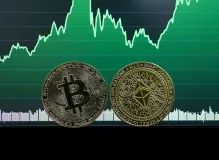

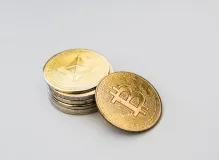
 Productivity
 Productivity
 Productivity

 Productivity