For over long years, we have diligently conducted independent research and product testing. When you make a purchase through our links, we may earn a commission.
Unlock the Secrets: Discover the Essence of NFT in Depth

Created: 3 weeks ago

134 min Read
Introduction to NFTs: Understanding the Basics 🎨💎
In recent years, the world of digital assets has seen the rise of a fascinating concept called NFTs, or non-fungible tokens. But what exactly is an NFT and why has it captured the attention of so many? In this blog post, we will delve into the world of NFTs, exploring their meaning, purpose, and potential impact on various industries.
What is an NFT? 🖼️🔗
NFT stands for Non-Fungible Token. Unlike cryptocurrencies such as Bitcoin or Ethereum, which are fungible and can be exchanged on a like-for-like basis, NFTs are unique and indivisible digital assets. Each NFT represents a distinct item, be it a piece of artwork, a collectible, a music album, or even a virtual real estate property.
How do NFTs work? 🔄🧩
At the core of NFTs is blockchain technology, which ensures transparency, security, and immutability. NFTs are typically built on blockchain platforms, such as Ethereum, and are accompanied by smart contracts that define their ownership, authenticity, and provenance.
When someone purchases an NFT, ownership of the digital asset is transferred to them and recorded on the blockchain. This means that the owner can prove their exclusive ownership of the NFT and, in some cases, access additional perks or rewards associated with the asset.
What makes NFTs valuable? 💰🔑
The value of an NFT is derived from its uniqueness, scarcity, and demand within the market. Collectors and enthusiasts are willing to pay significant amounts for NFTs that hold cultural significance, come from renowned artists, or have limited availability.
Furthermore, NFTs offer creators the opportunity to monetize their digital creations directly, without relying on traditional intermediaries like galleries or auction houses. This opens up new doors of income generation for artists, musicians, and content creators, empowering them with a fairer and more direct relationship with their audience.
NFTs beyond the art world 🌐📚
While NFTs have gained significant popularity in the art world, their potential extends well beyond that domain. NFTs can be utilized in various industries, such as gaming, virtual real estate, sports memorabilia, and even identity verification. The ability to tokenize and authenticate digital assets has the potential to revolutionize how we perceive and interact with digital ownership.
Conclusion: Exploring the World of NFTs 🌍🔍
In conclusion, NFTs represent a new frontier in the digital realm, allowing for the creation, ownership, and exchange of unique digital assets. With their underlying blockchain technology and the growing interest from creators and collectors alike, NFTs have the potential to redefine the way we value and engage with digital content.
Whether you're an artist looking to showcase your work, a collector seeking rare items, or simply curious about the future of digital ownership, exploring the world of NFTs can offer a thrilling and enriching experience.
Remember, NFTs are not merely digital assets; they are gateways to a new era of creativity, ownership, and community in the digital landscape. So dive in and discover the unique possibilities that await you in the world of NFTs!
The Rise of NFTs: Exploring Their Popularity and Impact 🚀💥
NFTs, or Non-Fungible Tokens, have taken the digital world by storm in recent years, captivating the attention of artists, collectors, and enthusiasts alike. But what exactly is an NFT and why has it become so popular? In this blog post, we will delve into the world of NFTs, exploring their meaning, purpose, and the impact they are having on various industries.
¿Qué es un NFT? 🖼️🔗
Un NFT es un Token No Fungible. A diferencia de las criptomonedas como Bitcoin o Ethereum, que son fungibles y pueden intercambiarse de manera equivalente, los NFTs son activos digitales únicos e indivisibles. Cada NFT representa un elemento distintivo, ya sea una obra de arte, un objeto de colección, un álbum de música, o incluso una propiedad de bienes raíces virtual.
Cómo funcionan los NFTs 🔄🧩
En el corazón de los NFTs se encuentra la tecnología de blockchain, que garantiza transparencia, seguridad e inmutabilidad. Los NFTs suelen construirse en plataformas blockchain, como Ethereum, y están acompañados de contratos inteligentes que definen su propiedad, autenticidad y procedencia.
Cuando alguien compra un NFT, la propiedad del activo digital se transfiere a ellos y se registra en la cadena de bloques. Esto significa que el propietario puede demostrar su propiedad exclusiva del NFT y, en algunos casos, acceder a ventajas o recompensas adicionales asociadas al activo.
¿Qué hace que los NFTs sean valiosos? 💰🔑
El valor de un NFT se deriva de su singularidad, escasez y demanda en el mercado. Los coleccionistas y entusiastas están dispuestos a pagar importantes sumas por NFTs que tienen un significado cultural, provienen de artistas reconocidos o tienen disponibilidad limitada.
Además, los NFTs ofrecen a los creadores la oportunidad de monetizar sus creaciones digitales directamente, sin depender de intermediarios tradicionales como galerías de arte o casas de subastas. Esto abre nuevas oportunidades de generación de ingresos para artistas, músicos y creadores de contenido, dándoles una relación más directa y justa con su audiencia.
Los NFTs más allá del mundo del arte 🌐📚
Aunque los NFTs han ganado gran popularidad en el mundo del arte, su potencial se extiende mucho más allá de ese ámbito. Los NFTs pueden ser utilizados en diversas industrias, como los juegos, bienes raíces virtuales, artículos deportivos y verificación de identidad. La capacidad de tokenizar y autenticar activos digitales tiene el potencial de revolucionar la forma en que percibimos e interactuamos con la propiedad digital.
Conclusión: Explorando el Mundo de los NFTs 🌍🔍
En conclusión, los NFTs representan una nueva frontera en el ámbito digital, permitiendo la creación, propiedad e intercambio de activos digitales únicos. Con su tecnología blockchain subyacente y el creciente interés tanto de creadores como de coleccionistas, los NFTs tienen el potencial de redefinir la forma en que valoramos y nos relacionamos con el contenido digital.
Ya sea que seas un artista buscando exhibir tu obra, un coleccionista en busca de artículos raros o simplemente tengas curiosidad por el futuro de la propiedad digital, explorar el mundo de los NFTs puede ofrecer una experiencia emocionante y enriquecedora.
Recuerda, los NFTs no son simplemente activos digitales; son puertas de entrada a una nueva era de creatividad, propiedad y comunidad en el panorama digital. Así que sumérgete y descubre las posibilidades únicas que te esperan.
¿Qué es un NFT? 🖼️🔗
Un NFT, o Token No Fungible en español, es una representación digital única de un activo. A diferencia de las criptomonedas como Bitcoin o Ethereum, que son fungibles y pueden intercambiarse de manera similar, los NFTs son activos digitales indivisibles y únicos. Esto significa que cada NFT representa un artículo distinto, ya sea una obra de arte, un coleccionable, un álbum de música o incluso una propiedad virtual.
¿Cómo funcionan los NFTs? 🔄🧩
En el corazón de los NFTs se encuentra la tecnología blockchain, la cual garantiza transparencia, seguridad e inmutabilidad. Los NFTs suelen construirse en plataformas de blockchain, como Ethereum, y están acompañados de contratos inteligentes que definen su propiedad, autenticidad y procedencia.
Cuando alguien compra un NFT, la propiedad del activo digital se transfiere y se registra en la blockchain. Esto significa que el propietario puede demostrar su exclusiva propiedad del NFT y, en algunos casos, acceder a ventajas o recompensas adicionales asociadas al activo.
¿Qué hace valiosos a los NFTs? 💰🔑
El valor de un NFT se deriva de su singularidad, escasez y demanda en el mercado. Los coleccionistas y entusiastas están dispuestos a pagar cantidades significativas por NFTs que tienen importancia cultural, provienen de artistas renombrados o tienen disponibilidad limitada.
Además, los NFTs ofrecen a los creadores la oportunidad de monetizar sus creaciones digitales directamente, sin depender de intermediarios tradicionales como galerías o casas de subastas. Esto abre nuevas puertas de generación de ingresos para artistas, músicos y creadores de contenido, empoderándolos con una relación más justa y directa con su audiencia.
NFTs más allá del mundo del arte 🌐📚
Si bien los NFTs han ganado una gran popularidad en el mundo del arte, su potencial se extiende mucho más allá de ese ámbito. Los NFTs pueden ser utilizados en diversas industrias, como los videojuegos, bienes raíces virtuales, recuerdos deportivos e incluso la verificación de identidad. La capacidad de tokenizar y autenticar activos digitales tiene el potencial de revolucionar cómo percibimos e interactuamos con la propiedad digital.
Conclusión: Explorando el mundo de los NFTs 🌍🔍
En conclusión, los NFTs representan una nueva frontera en el ámbito digital, permitiendo la creación, propiedad e intercambio de activos digitales únicos. Con su tecnología blockchain subyacente y el creciente interés de creadores y coleccionistas por igual, los NFTs tienen el potencial de redefinir la forma en que valoramos y nos relacionamos con el contenido digital.
Ya sea que seas un artista buscando mostrar tu trabajo, un coleccionista en busca de artículos raros o simplemente curioso sobre el futuro de la propiedad digital, explorar el mundo de los NFTs puede ofrecer una experiencia emocionante y enriquecedora.
Recuerda, los NFTs no son simplemente activos digitales; son portales a una nueva era de creatividad, propiedad y comunidad en el panorama digital. Así que sumérgete y descubre las posibilidades únicas que te esperan.
What is an NFT? 🖼️🔗
NFT stands for Non-Fungible Token. Unlike cryptocurrencies such as Bitcoin or Ethereum, which are fungible and can be exchanged on a like-for-like basis, NFTs are unique and indivisible digital assets. Each NFT represents a distinct item, be it a piece of artwork, a collectible, a music album, or even a virtual real estate property.
How do NFTs work? 🔄🧩
At the core of NFTs is blockchain technology, which ensures transparency, security, and immutability. NFTs are typically built on blockchain platforms, such as Ethereum, and are accompanied by smart contracts that define their ownership, authenticity, and provenance.
When someone purchases an NFT, ownership of the digital asset is transferred to them and recorded on the blockchain. This means that the owner can prove their exclusive ownership of the NFT and, in some cases, access additional perks or rewards associated with the asset.
What makes NFTs valuable? 💰🔑
The value of an NFT is derived from its uniqueness, scarcity, and demand within the market. Collectors and enthusiasts are willing to pay significant amounts for NFTs that hold cultural significance, come from renowned artists, or have limited availability.
Furthermore, NFTs offer creators the opportunity to monetize their digital creations directly, without relying on traditional intermediaries like galleries or auction houses. This opens up new doors of income generation for artists, musicians, and content creators, empowering them with a fairer and more direct relationship with their audience.
NFTs beyond the art world 🌐📚
While NFTs have gained significant popularity in the art world, their potential extends well beyond that domain. NFTs can be utilized in various industries, such as gaming, virtual real estate, sports memorabilia, and even identity verification. The ability to tokenize and authenticate digital assets has the potential to revolutionize how we perceive and interact with digital ownership.
Conclusion: Exploring the World of NFTs 🌍🔍
In conclusion, NFTs represent a new frontier in the digital realm, allowing for the creation, ownership, and exchange of unique digital assets. With their underlying blockchain technology, and the growing interest from creators and collectors alike, NFTs have the potential to redefine the way we value and engage with digital content.
Whether you're an artist looking to showcase your work, a collector seeking rare items, or simply curious about the future of digital ownership, exploring the world of NFTs can offer a thrilling and enriching experience.
Remember, NFTs are not merely digital assets; they are gateways to a new era of creativity, ownership, and community in the digital landscape. So dive in and discover the unique possibilities that await you.
💡 Unlocking the Potential: Exploring the Diverse Applications of NFTs 🚀🌌
While NFTs have gained significant popularity in the art world, their applications extend far beyond the realm of creative expressions. The unique nature of Non-Fungible Tokens has opened up a world of possibilities across various industries, revolutionizing the concept of ownership and authenticity. In this section, we will explore some of the diverse applications of NFTs and the impact they have in shaping the future.
Gaming 🎮🕹️
One of the most promising areas where NFTs have made their mark is in the realm of gaming. With the rise of blockchain technology, gamers now have the ability to truly own and trade in-game assets. This means that virtual characters, weapons, and other collectibles can be bought, sold, and exchanged just like physical items. NFTs allow gamers to have full control over their digital possessions, and even enable cross-platform transactions, giving rise to a whole new economy within the gaming ecosystem.
Virtual Real Estate 🏢🌆
Another exciting application of NFTs is in the domain of virtual real estate. Just like physical land, virtual land can now be tokenized and sold as NFTs. This opens up opportunities for developers, investors, and even individuals to own and develop virtual properties within digital worlds. Whether it's buying a prime location in a virtual metropolis or creating and selling unique virtual spaces, NFTs enable the creation of a vibrant and dynamic marketplace for virtual real estate.
Identity Verification 🔒🤖
The unique properties of NFTs also hold great potential for identity verification. By utilizing blockchain technology, individuals can now create digital identities that are secure, tamper-proof, and decentralized. This can have a significant impact on various sectors, such as banking, healthcare, or even government services, where reliable identity verification is crucial. NFTs provide a robust solution for digital identity authentication, ensuring privacy and security while streamlining processes.
Collectibles and Memorabilia 🧩🎵
The world of collectibles and memorabilia has experienced a remarkable transformation with the introduction of NFTs. From rare trading cards to legendary music memorabilia, NFTs allow collectors to own and trade unique digital assets. The scarcity and authenticity of these NFT-based collectibles make them highly valuable and sought after by enthusiasts and collectors worldwide. Additionally, NFTs provide a transparent and immutable record of ownership, eliminating the risk of fraud or counterfeit items.
Conclusion: Expanding Horizons with NFTs 🌌⭐
In closing, NFTs have evolved from being solely associated with art to becoming powerful tools with limitless potential. From revolutionizing the way we interact with digital assets in gaming and virtual real estate to providing secure identity verification and transforming the collectibles market, NFTs are shaping the future of digital ownership.
Whether you're a gamer, investor, content creator, or simply an enthusiast curious about the possibilities, exploring the diverse applications of NFTs can be an exciting journey. So strap in and embark on this digital revolution, as NFTs continue to redefine the way we engage with the world around us.
NFT Marketplaces: Where to Buy, Sell, and Trade Non-Fungible Tokens 🏬💱
As the popularity of NFTs continues to soar, more and more platforms have emerged as marketplaces for buying, selling, and trading these unique digital assets. Whether you're an artist looking to showcase your work or a collector seeking rare items, it's essential to familiarize yourself with the leading NFT marketplaces available. In this blog post, we will explore some of the most prominent NFT marketplaces, where you can immerse yourself in the exciting world of non-fungible tokens.
OpenSea 🌊🎨
OpenSea is one of the largest and most popular NFT marketplaces. It is built on the Ethereum blockchain and offers a wide variety of digital assets, including art, collectibles, domain names, and virtual real estate. Artists and creators can showcase their work on OpenSea, while buyers can browse through an extensive collection of NFTs. With its user-friendly interface and reputation for being a trusted platform, OpenSea has become a go-to marketplace for NFT enthusiasts.
Rarible 🎭🔗
Rarible prides itself on being a decentralized marketplace, empowering artists and creators to mint and sell their NFTs without the need for intermediaries. Built on the Ethereum blockchain, Rarible allows users to create, buy, and sell unique digital art, collectibles, music, and more. One standout feature of Rarible is its governance model, where users who hold the platform's governance token, RARI, can vote on platform decisions. This gives the community a sense of ownership and involvement in the evolution of Rarible.
NBA Top Shot 🏀📸
NBA Top Shot is a unique NFT marketplace that focuses on basketball-related collectibles. It is powered by Dapper Labs and officially licensed by the NBA and NBPA (National Basketball Players Association). NBA Top Shot offers moments, which are digital representations of memorable plays from NBA games. Collectors can buy, sell, and trade these moments, creating a vibrant marketplace where basketball fans can own a piece of their favorite players' highlights.
SuperRare 🖌️✨
SuperRare is a marketplace specifically designed for digital art. It showcases curated, limited-edition artworks from artists around the world. What sets SuperRare apart is its emphasis on scarcity, as each artwork is uniquely crafted and authenticated on the Ethereum blockchain. Collectors can bid on these one-of-a-kind pieces, creating a sense of exclusivity and value within the SuperRare community. The platform also offers features such as social interactions and virtual exhibitions, fostering a vibrant ecosystem for digital artists and collectors.
Conclusion: Exploring NFT Marketplaces 🌍🤝
With the ever-growing popularity of NFTs, these marketplaces act as gateways to a world of creative expression, unique collectibles, and digital ownership. Whether you're an artist, collector, or simply curious about the NFT space, exploring these leading marketplaces can offer an exciting and immersive experience. Remember to do your research, understand the fees and terms of the platforms, and stay informed about the latest trends and developments in the NFT market.
As the NFT landscape continues to evolve, more marketplaces will likely emerge, offering new opportunities and possibilities for creators and collectors alike. So, dive in, explore, and become part of this exciting revolution in the digital world of non-fungible tokens. The future of NFTs is just beginning!
The Potential Risks of NFTs: Addressing Concerns and Challenges 🚨🔒
With the rapid growth and popularity of NFTs, it is crucial to address the potential risks and challenges associated with this emerging technology. While NFTs offer exciting opportunities, they also present certain concerns that need to be carefully considered.
Volatility and Market Bubble Risks 💥📉
One of the main risks associated with NFTs is their volatility and the potential for a market bubble. Just like any other investment, the value of NFTs can fluctuate greatly, and there is a risk of overinflated prices. It is important for buyers and sellers to exercise caution and conduct thorough research before making any investment decisions.
Lack of Regulation and Security Concerns 🔒🔍
As the NFT market continues to evolve, there is currently a lack of regulatory frameworks in place to protect consumers and ensure fair practices. This can lead to security concerns, such as fraudulent sales, counterfeit NFTs, or even hacking incidents. It is essential for platforms and marketplaces to prioritize strong security measures and implement transparent verification processes to mitigate these risks.
Environmental Impact and Sustainability 🌱🌍
Another growing concern surrounding NFTs is their environmental impact. The majority of NFTs are currently built on blockchain platforms, like Ethereum, which consume significant amounts of energy. This has raised questions about the sustainability of NFTs and their carbon footprint. Efforts are being made to explore alternative blockchain solutions that are more energy-efficient and environmentally friendly.
Copyright and Intellectual Property Issues ©️🔒
NFTs have also brought to the forefront copyright and intellectual property concerns. While NFTs provide a means for artists and creators to monetize their digital assets, it is essential to ensure that proper rights and permissions are obtained. Unauthorized use or distribution of copyrighted content through NFTs can lead to legal disputes and reputational damage.
Scams and Counterfeit NFTs 🕵️♀️⚠️
As the demand for NFTs continues to soar, so does the risk of scams and counterfeit NFTs. Unscrupulous individuals may attempt to sell fake or unauthorized NFTs, deceiving buyers and causing financial losses. It is crucial for buyers to verify the authenticity and provenance of NFTs before making a purchase and to use reputable platforms and marketplaces.
Conclusion: Navigating the Risks in the NFT Landscape 🧭🚀
While NFTs hold tremendous potential, it is important to approach this emerging market with caution and awareness of the potential risks involved. By addressing concerns such as market volatility, lack of regulations, environmental impact, copyright issues, and scams, we can collectively work towards creating a more secure and sustainable NFT ecosystem.
Education, transparency, and responsible practices are key to navigating the risks in the NFT landscape and ensuring a positive and inclusive experience for all participants. As the market continues to evolve, it is crucial for industry stakeholders, artists, collectors, and enthusiasts to collaborate in developing best practices and solutions that mitigate these risks and foster a thriving and sustainable NFT ecosystem.
Blockchain technology and NFTs: A symbiotic relationship
In the world of digital assets, NFTs have emerged as a groundbreaking concept, revolutionizing the way we perceive and interact with digital ownership. But before delving deeper into the world of NFTs, let's first answer the question: ¿Qué es un NFT?
An NFT, or Non-Fungible Token, is a unique and indivisible digital asset that represents a distinct item, whether it be a piece of artwork, a collectible, a music album, or even a virtual real estate property. Unlike cryptocurrencies such as Bitcoin or Ethereum, which are fungible and can be exchanged on a like-for-like basis, NFTs have distinct characteristics and cannot be exchanged interchangeably.
At the heart of NFTs lies blockchain technology, a decentralized digital ledger that ensures transparency, security, and the immutability of transactions. Blockchain technology provides the foundation for NFTs, enabling the creation and authentication of these unique digital assets.
When someone purchases an NFT, ownership of the digital asset is transferred to them through the use of smart contracts. These contracts are programmable and self-executing, meaning that once the terms of the contract are met, the ownership of the NFT is automatically transferred to the buyer, and the transaction is recorded on the blockchain. This transparent and immutable nature of blockchain technology ensures the authenticity and provenance of the NFT.
The value of an NFT is derived from its uniqueness, scarcity, and demand within the market. Collectors and enthusiasts are willing to pay significant amounts for NFTs that hold cultural significance, come from renowned artists, or have limited availability. This has opened up new avenues for creators, allowing them to monetize their digital creations directly without the need for intermediaries like galleries or auction houses.
The ability to tokenize and authenticate digital assets using NFTs extends beyond the art world. Industries such as gaming, virtual real estate, sports memorabilia, and identity verification can all benefit from the unique properties of NFTs. With NFTs, virtual items in games can have real-world value, virtual land can be bought and sold, and digital identities can be securely verified.
In summary, NFTs and blockchain technology are intertwined, forming a symbiotic relationship that paves the way for the future of digital ownership. NFTs, as unique digital assets, offer a new level of authenticity, provenance, and value to creators and collectors alike. As the world becomes increasingly digital, NFTs have the potential to transform how we perceive, create, and interact with digital content and ownership.
So, if you're curious about NFTs and want to explore this exciting digital landscape, dive in and discover the unique possibilities that await you. The world of NFTs is evolving rapidly, and now is the perfect time to be part of this groundbreaking revolution. ¡No te quedes afuera!
NFTs y coleccionables digitales: La intersección de la tecnología y el coleccionismo ✨🔍
En los últimos años, hemos presenciado el auge de una fascinante concepto en el mundo de los activos digitales: los NFTs o tokens no fungibles. Pero, ¿qué es exactamente un NFT y por qué ha capturado la atención de tantos? En este artículo, profundizaremos en el mundo de los NFTs, explorando su significado, propósito e impacto potencial en diversas industrias.
¿Qué es un NFT? 🖼️🔗
NFT, por sus siglas en inglés, significa Token No Fungible. A diferencia de las criptomonedas como Bitcoin o Ethereum, que son fungibles y pueden intercambiarse en una base similar, los NFTs son activos digitales únicos e indivisibles. Cada NFT representa un artículo distintivo, ya sea una pieza de arte, un objeto de colección, un álbum de música o incluso una propiedad virtual en el mundo digital.
¿Cómo funciona un NFT? 🔄🧩
En el corazón de los NFTs se encuentra la tecnología blockchain, que garantiza la transparencia, seguridad e inmutabilidad. Los NFTs suelen estar construidos sobre plataformas blockchain como Ethereum y están acompañados de contratos inteligentes que definen su propiedad, autenticidad y procedencia.
Cuando alguien adquiere un NFT, la propiedad del activo digital se transfiere a esa persona y se registra en la cadena de bloques. Esto significa que el propietario puede demostrar su propiedad exclusiva del NFT y, en algunos casos, acceder a beneficios o recompensas adicionales asociadas con el activo.
¿Qué hace que los NFTs sean valiosos? 💰🔑
El valor de un NFT se deriva de su unicidad, escasez y demanda en el mercado. Coleccionistas y entusiastas están dispuestos a pagar sumas significativas por NFTs que tienen un significado cultural, provienen de artistas renombrados o tienen disponibilidad limitada.
Además, los NFTs ofrecen a los creadores la oportunidad de monetizar sus creaciones digitales de manera directa, sin depender de intermediarios tradicionales como galerías o casas de subastas. Esto abre nuevas puertas de generación de ingresos para artistas, músicos y creadores de contenido, dándoles una relación más justa y directa con su audiencia.
NFTs más allá del mundo del arte 🌐📚
Si bien los NFTs han ganado popularidad en el mundo del arte, su potencial se extiende mucho más allá de ese ámbito. Los NFTs se pueden utilizar en diversas industrias, como los videojuegos, bienes raíces virtuales, objetos de recuerdo deportivos e incluso la verificación de identidad. La capacidad de tokenizar y autenticar activos digitales tiene el potencial de revolucionar la forma en que percibimos e interactuamos con la propiedad digital.
Conclusión: Explorando el mundo de los NFTs 🌍🔍
En conclusión, los NFTs representan una nueva frontera en el ámbito digital, permitiendo la creación, propiedad e intercambio de activos digitales únicos. Con su tecnología blockchain subyacente y el creciente interés tanto de creadores como de coleccionistas, los NFTs tienen el potencial de redefinir la forma en que valoramos e interactuamos con el contenido digital.
Ya sea que seas un artista que busca mostrar su trabajo, un coleccionista en busca de artículos raros o simplemente curioso sobre el futuro de la propiedad digital, explorar el mundo de los NFTs puede ofrecer una experiencia emocionante y enriquecedora.
Recuerda, los NFTs no son simplemente activos digitales; son las puertas de entrada a una nueva era de creatividad, propiedad y comunidad en el paisaje digital. Así que sumérgete y descubre las posibilidades únicas que te esperan.
The Future of NFTs: Predicting Trends and Possibilities 🚀🔮
As the world becomes increasingly digital, the concept of NFTs, or non-fungible tokens, is gaining momentum and capturing the attention of creators, collectors, and investors alike. But what does the future hold for NFTs? In this blog post, we will explore potential trends and possibilities, shedding light on the exciting opportunities that lie ahead.
NFTs and Mainstream Adoption 💥💼
While NFTs have already made waves in the art world, their potential for mainstream adoption is just beginning to unfold. As more industries and individuals become familiar with the concept, we can expect to see NFTs permeate various sectors, including gaming, entertainment, fashion, and even real estate.
🔑 NFTs have the potential to revolutionize ownership and monetization in these industries, providing creators and enthusiasts with new avenues for engagement and financial gains.
Enhanced Digital Collectibles 🎮🃏
With the rise of NFTs, digital collectibles are taking on a whole new level of excitement and interactivity. Gaming companies are leveraging NFTs to create unique in-game items, virtual land, and even digital pets. This not only enhances the gaming experience but also allows players to truly own and trade their digital possessions.
🔑 Que es un NFT has become a common question among gaming communities, as more players realize the value and potential of owning limited edition virtual items.
NFTs and Virtual Real Estate 🌆🔑
One fascinating possibility is the integration of NFTs with virtual real estate. Through blockchain-based platforms, individuals can purchase and own virtual land, buildings, and other digital properties. This opens up a world of possibilities for virtual events, conferences, and even virtual economies.
💡 Un NFT que representa una propiedad virtual podría convertirse en una inversión lucrativa, ya que la demanda de bienes digitales en entornos virtuales sigue en aumento.
NFTs and Sustainability ♻️🌱
As the conversation around sustainability heightens, NFTs offer a unique opportunity to track the origin and ownership of digital creations. Blockchain technology provides transparency and proof of authenticity, ensuring that artists receive proper credit and compensation for their work.
🔥 El futuro de los NFTs podría implicar un enfoque más sostenible, donde los artistas y compradores se comprometan con iniciativas ecológicas en la creación y adquisición de NFTs.
Intellectual Property and NFTs 🔒💡
The decentralized nature of blockchain makes NFTs an intriguing solution for intellectual property rights. Creators can establish ownership and control over their digital assets, protecting their work from unauthorized use or infringement.
🚀 The integration of NFTs with intellectual property laws could redefine how we approach copyright, licensing, and royalties in the digital age.
Conclusion: Embracing the NFT Revolution 🌟💎
As we gaze into the future of NFTs, the possibilities seem limitless. With their unique properties and potential applications across industries, NFTs have the power to transform the way we create, engage, and monetize digital assets.
Whether you are an artist, a collector, or simply curious about the emerging digital landscape, embracing the NFT revolution can open doors to new realms of creativity, ownership, and financial opportunities.
So, dive into the world of NFTs, explore the expanding possibilities, and be part of an exciting revolution that is shaping the future of digital ownership. 🚀🔮✨
Introduction to NFTs: Understanding the Basics 🎨💎
In recent years, the world of digital assets has seen the rise of a fascinating concept called NFTs, or non-fungible tokens. But what exactly is an NFT and why has it captured the attention of so many? In this blog post, we will delve into the world of NFTs, exploring their meaning, purpose, and potential impact on various industries.
What is an NFT? 🖼️🔗
NFT stands for Non-Fungible Token. Unlike cryptocurrencies such as Bitcoin or Ethereum, which are fungible and can be exchanged on a like-for-like basis, NFTs are unique and indivisible digital assets. Each NFT represents a distinct item, be it a piece of artwork, a collectible, a music album, or even a virtual real estate property.
How do NFTs work? 🔄🧩
At the core of NFTs is blockchain technology, which ensures transparency, security, and immutability. NFTs are typically built on blockchain platforms, such as Ethereum, and are accompanied by smart contracts that define their ownership, authenticity, and provenance.
When someone purchases an NFT, ownership of the digital asset is transferred to them and recorded on the blockchain. This means that the owner can prove their exclusive ownership of the NFT and, in some cases, access additional perks or rewards associated with the asset.
What makes NFTs valuable? 💰🔑
The value of an NFT is derived from its uniqueness, scarcity, and demand within the market. Collectors and enthusiasts are willing to pay significant amounts for NFTs that hold cultural significance, come from renowned artists, or have limited availability.
Furthermore, NFTs offer creators the opportunity to monetize their digital creations directly, without relying on traditional intermediaries like galleries or auction houses. This opens up new doors of income generation for artists, musicians, and content creators, empowering them with a fairer and more direct relationship with their audience.
NFTs beyond the art world 🌐📚
While NFTs have gained significant popularity in the art world, their potential extends well beyond that domain. NFTs can be utilized in various industries, such as gaming, virtual real estate, sports memorabilia, and even identity verification. The ability to tokenize and authenticate digital assets has the potential to revolutionize how we perceive and interact with digital ownership.
Conclusion: Exploring the World of NFTs 🌍🔍
In conclusion, NFTs represent a new frontier in the digital realm, allowing for the creation, ownership, and exchange of unique digital assets. With their underlying blockchain technology and the growing interest from creators and collectors alike, NFTs have the potential to redefine the way we value and engage with digital content.
Whether you're an artist looking to showcase your work, a collector seeking rare items, or simply curious about the future of digital ownership, exploring the world of NFTs can offer a thrilling and enriching experience.
Remember, NFTs are not merely digital assets; they are gateways to a new era of creativity, ownership, and community in the digital landscape. So dive in and discover the unique possibilities that await you.
The Evolution of NFTs: From Crypto Art to Digital Collectibles
In recent years, there has been a significant buzz around NFTs, or non-fungible tokens. But what exactly is an NFT and how has it evolved from being associated with crypto art to encompass a wide range of digital collectibles?
¿Qué es un NFT?
Un NFT, o Token No Fungible en español, es un tipo de criptoactivo único e indivisible. A diferencia de las criptomonedas como Bitcoin o Ethereum, que son fungibles y pueden intercambiarse de manera equivalente, los NFTs representan un objeto digital único. Es como tener una obra de arte o un objeto de colección digital que solo tú posees.
The Emergence of NFTs in the Art World
NFTs gained significant attention in the art world, with artists leveraging blockchain technology to tokenize their digital works. This allowed them to establish scarcity and prove ownership of their creations. Artists like Beeple made headlines for selling NFT art pieces for millions of dollars, bringing the concept of NFTs to the mainstream.
La autenticidad y la propiedad digital
Una de las características clave de los NFTs es su capacidad para garantizar la autenticidad y la propiedad digital. Al ser registrados en una cadena de bloques, se puede verificar y demostrar la propiedad de un NFT. Esto ha llevado a una nueva forma de coleccionar arte y otros objetos digitales, ya que los NFTs permiten la adquisición de propiedades digitales únicas y originales.
NFTs Beyond the Art World: Expanding Horizons
While NFTs initially gained traction within the art community, their use cases have expanded greatly. Today, NFTs can represent a variety of digital assets, including virtual real estate, virtual fashion items, music albums, and even virtual pets. The versatility of NFTs has allowed them to transcend the boundaries of traditional art and enter the realm of digital collectibles.
El crecimiento del mercado de NFTs
El mercado de NFTs ha experimentado un crecimiento exponencial en los últimos años. Los coleccionistas y entusiastas están dispuestos a gastar grandes sumas de dinero en NFTs que consideran valiosos y únicos. Estos NFTs pueden tener un valor inherente debido a su origen cultural, su rareza o su popularidad entre la comunidad.
Conclusion: The Future of NFTs
In conclusion, NFTs have evolved from being solely associated with crypto art to encompassing a wide range of digital collectibles. They have revolutionized the way we perceive and engage with digital ownership, offering creators new avenues for monetization and collectors a unique way to acquire and showcase digital assets.
As the NFT market continues to grow, it will be interesting to see how this technology shapes various industries and empowers creators and collectors alike. Whether you are an artist, a collector, or someone curious about the potential of NFTs, delving into this exciting world can unlock a wealth of possibilities in the digital landscape.
¿Qué es un NFT? 🖼️🔗
Para comprender mejor el mundo de los NFTs, es importante entender qué significa exactamente este término. Un NFT, o Token No Fungible en español, es un tipo de activo digital único e indivisible. A diferencia de las criptomonedas como Bitcoin o Ethereum, que son fungibles y pueden intercambiarse de forma equivalente, los NFTs representan elementos distintos, ya sean obras de arte, objetos coleccionables, álbumes de música o incluso propiedades virtuales.
¿Cómo funcionan los NFTs? 🔄🧩
En el corazón de los NFTs se encuentra la tecnología blockchain, que garantiza transparencia, seguridad e inmutabilidad. Los NFTs suelen construirse sobre plataformas blockchain, como Ethereum, y están acompañados de contratos inteligentes que definen su propiedad, autenticidad y procedencia.
Cuando alguien compra un NFT, la propiedad del activo digital se transfiere a esa persona y se registra en la cadena de bloques. Esto significa que el propietario puede demostrar su propiedad exclusiva del NFT y, en algunos casos, acceder a beneficios o recompensas adicionales asociadas con el activo.
¿Qué hace que los NFTs sean valiosos? 💰🔑
El valor de un NFT se deriva de su singularidad, escasez y demanda en el mercado. Los coleccionistas y entusiastas están dispuestos a pagar cantidades significativas por los NFTs que tienen un significado cultural, provienen de artistas reconocidos o tienen una disponibilidad limitada.
Además, los NFTs ofrecen a los creadores la oportunidad de monetizar sus creaciones digitales directamente, sin depender de intermediarios tradicionales como galerías o casas de subastas. Esto abre nuevas puertas de generación de ingresos para artistas, músicos y creadores de contenido, empoderándolos con una relación más justa y directa con su audiencia.
NFTs más allá del mundo del arte 🌐📚
Si bien los NFTs han ganado una gran popularidad en el mundo del arte, su potencial se extiende mucho más allá de esa área. Los NFTs se pueden utilizar en diversas industrias, como los videojuegos, bienes inmuebles virtuales, recuerdos deportivos e incluso la verificación de identidad. La capacidad de tokenizar y autenticar activos digitales tiene el potencial de revolucionar nuestra percepción y forma de interactuar con la propiedad digital.
Conclusión: Explorando el Mundo de los NFTs 🌍🔍
En resumen, los NFTs representan una nueva frontera en el ámbito digital, permitiendo la creación, propiedad e intercambio de activos digitales únicos. Con su tecnología blockchain subyacente y el creciente interés tanto de creadores como de coleccionistas, los NFTs tienen el potencial de redefinir la forma en que valoramos y nos relacionamos con el contenido digital.
Ya sea que seas un artista que busque mostrar tu trabajo, un coleccionista en busca de objetos raros o simplemente tengas curiosidad sobre el futuro de la propiedad digital, explorar el mundo de los NFTs puede ofrecerte una experiencia emocionante y enriquecedora.
Recuerda, los NFTs no son simplemente activos digitales; son puertas de entrada a una nueva era de creatividad, propiedad y comunidad en el paisaje digital. ¡Sumérgete y descubre las posibilidades únicas que te esperan!
When it comes to buying and selling digital assets, NFT marketplaces play a crucial role in connecting creators with collectors. These platforms serve as the go-to destination for individuals looking to explore and participate in the world of NFTs. But with so many options available, which NFT marketplaces should you consider? Let's dive in and explore some popular choices.
OpenSea: The Kingpin of NFT Marketplaces 👑🌐
OpenSea is widely recognized as the largest and most popular NFT marketplace in the industry. It offers a wide range of digital assets, including art, collectibles, virtual real estate, and more. The platform supports a variety of blockchain networks, such as Ethereum and Polygon, allowing for increased accessibility and flexibility. Whether you're a buyer or a seller, OpenSea provides a user-friendly interface and robust features to ensure a seamless NFT trading experience.
Rarible: Empowering Artists and Collectors 🎨💎
Rarible is an NFT marketplace that places a strong emphasis on empowering artists and creators. The platform enables artists to mint their own NFTs and retain control over their intellectual property. This decentralized approach fosters a sense of ownership and creative freedom, while also providing collectors with a diverse array of unique digital assets to explore and purchase. Rarible has gained popularity for its community-driven ethos and its commitment to supporting emerging artists.
SuperRare: Curating the Finest Digital Artworks 🖼️✨
SuperRare sets itself apart by focusing on curating a collection of high-quality and exclusive digital artworks. The platform prioritizes a selective approach, ensuring that each artwork available for sale meets a certain level of artistic excellence. This curation process appeals to collectors looking for rare and valuable pieces, while also providing artists with a platform to showcase their talent. SuperRare prides itself on fostering a tight-knit community of artists and art enthusiasts, further enhancing the value of the NFTs available on the platform.
Foundation: NFTs with a Purpose 🌱🏢
Foundation stands out for its emphasis on supporting creativity with a purpose. The platform encourages artists to leverage their NFT sales for charitable causes or artist grants. This unique approach attracts socially conscious collectors who are not only interested in owning digital assets but also making a positive impact. With a focus on community-driven initiatives and transparent transactions, Foundation provides a platform that aligns art with purpose.
Conclusion: Exploring NFT Marketplaces 🌍💲
In conclusion, the world of NFTs offers a plethora of marketplaces for buying and selling digital assets. Whether you choose the dominant OpenSea, the artist-centric Rarible, the curated SuperRare, or the purpose-driven Foundation, each NFT marketplace offers its own unique features and benefits. Exploring these platforms allows you to discover a world of digital creativity, ownership, and investment opportunities. So, dive in, explore, and start your NFT journey today!
Understanding the Economics of NFTs 📈💰
When it comes to NFTs, there is a fascinating interplay between pricing, valuation, and market trends. In this section, we will explore the economic aspects of NFTs, shedding light on how these unique digital assets are priced and valued in the ever-evolving marketplace.
Pricing NFTs: Supply and Demand ⚖️📊
The price of an NFT is ultimately determined by the basic principles of supply and demand. As with any asset, scarcity plays a significant role in driving up the value of NFTs. When an NFT has limited availability or carries cultural significance, collectors and enthusiasts are often willing to pay a premium to own it.
However, the dynamics of pricing NFTs can be quite complex. Factors such as the reputation of the creator, the uniqueness of the asset, and the perceived value within the community all contribute to the price at which an NFT is sold. Additionally, the market for NFTs can experience fluctuations in pricing due to trends, hype cycles, and the overall sentiment of buyers and sellers.
Valuing NFTs: Artistry, Rarity, and Authenticity 🎨🔍
Valuing NFTs requires a nuanced understanding of artistry, rarity, and authenticity. In the art world, the reputation and previous sales of the artist can significantly impact the value of their NFTs. Collectors are often drawn to renowned artists whose work holds cultural significance or follows certain artistic movements.
Rarity also plays a crucial role in the valuation of NFTs. Rare or limited-edition NFTs tend to be more desirable and thus command higher prices. Additionally, NFTs that can be proven authentic and traceable on the blockchain are typically more valuable, as they provide certainty and trust to buyers.
Market Trends: From Art to Utility 💡🌐
While the NFT market gained prominence in the art world, it has expanded rapidly into other sectors as well. NFTs with utility, such as virtual real estate or in-game items, have captured the attention of a broader audience. As more industries adopt NFTs, market trends are emerging and shaping the overall landscape.
It is crucial for buyers, sellers, and enthusiasts to stay informed about these market trends. Understanding which sectors are seeing increased demand for NFTs can help individuals identify potential investment opportunities, discover new avenues for creativity, or simply stay ahead of the curve.
In Conclusion: The Economics of NFTs 📚💎
The economics of NFTs are dynamic and multifaceted, influenced by factors such as supply and demand, artistry, rarity, and emerging market trends. The pricing and valuation of NFTs reflect the intersection of creativity, investment, and digital ownership.
Whether you are an artist seeking to monetize your digital creations, a collector looking to expand your portfolio, or an enthusiast interested in exploring the evolving landscape of digital assets, understanding the economics of NFTs is essential.
By keeping an eye on market trends, staying informed about pricing factors, and recognizing the unique value of each NFT, you can navigate the world of NFTs with confidence and make informed decisions that align with your goals and interests.
NFT Use Cases: Exploring the Potential Beyond Art and Collectibles 🌟🔍
NFTs, or Non-Fungible Tokens, have garnered significant attention in recent times, primarily in the context of art and collectibles. However, the potential applications of NFTs reach far beyond the realms of artistic expression. In this section, we will explore some exciting use cases for NFTs that go beyond the traditional art world.
Virtual Real Estate 🏰🌐
One fascinating use case for NFTs is in the realm of virtual real estate. With the rise of virtual worlds and metaverses, individuals and businesses are exploring opportunities to invest in digital land and properties. NFTs can be used to represent ownership of virtual parcels, allowing users to buy, sell, and develop their digital assets within these virtual environments. This opens up a whole new dimension of investment and creativity for users who want to establish a presence in the digital landscape.
Gaming Assets and Collectibles 🎮🕹️
NFTs have the potential to revolutionize the gaming industry by enabling true ownership of in-game assets and collectibles. Previously, gamers had limited control over their virtual possessions, as their assets were confined to specific games or platforms. However, with NFTs, gamers can truly own their digital items and trade them freely in decentralized marketplaces. This introduces a new level of interoperability and value for gaming enthusiasts, who can now build valuable collections and even earn real-world value from their in-game achievements.
Intellectual Property Rights 📝💡
The concept of NFTs holds great promise for creators and artists seeking to protect and monetize their intellectual property. By tokenizing their creations as NFTs, creators can establish verifiable ownership rights and easily manage licensing agreements. This opens up new avenues for artists, writers, musicians, and content creators to directly sell their work or provide limited editions to their fans. NFTs ensure that the value and authenticity of creative works are preserved, while also providing artists with a direct connection to their audience.
Identity Verification and Certification 🔒📜
NFTs have the potential to address challenges related to identity verification and certification. By representing personal data or qualifications as NFTs, individuals can have full control over their digital identities and confidently share their verified information with others. This has applications in areas such as academic certificates, professional qualifications, and even secure digital passports. The blockchain-based nature of NFTs ensures the integrity and immutability of the information they represent, making them a reliable solution for establishing trust in digital transactions and interactions.
Wrapping up: The Expanding Horizons of NFTs 🚀🔗
In conclusion, NFTs are not limited to the art world; their potential extends into various industries and applications. From virtual real estate to gaming assets, intellectual property rights, and identity verification, NFTs offer exciting possibilities for creators, investors, and individuals seeking to interact with digital assets in new ways. As the adoption of NFTs continues to grow, it's important to stay informed and explore the emerging opportunities that these digital tokens bring to the table.
Remember, que es un NFT is Spanish for "what is an NFT." Now that you have a better understanding of NFT use cases beyond art and collectibles, you can better appreciate the diverse and versatile nature of non-fungible tokens in the digital landscape. So embrace the possibilities, whether you're an artist, a gamer, or someone passionate about exploring the cutting edge of digital innovation!
The Future of NFTs: Opportunities and Challenges in a Growing Market
In recent years, the world of digital assets has witnessed an incredible boom in the form of NFTs or Non-Fungible Tokens. But what exactly is an NFT and why has it become a hot topic of conversation? In this blog post, we will explore the meaning and significance of NFTs, as well as the opportunities and challenges they present in an ever-growing market.
¿Qué es un NFT?
Un NFT, del inglés Non-Fungible Token, es un Token No Fungible. A diferencia de las criptomonedas como Bitcoin o Ethereum, que son fungibles y pueden ser intercambiadas por un valor similar, los NFTs son únicos e indivisibles. Cada NFT representa un item específico, ya sea una obra de arte, un objeto de colección, un álbum musical o incluso una propiedad de bienes raíces virtual.
¿Cómo funcionan los NFTs?
La tecnología fundamental detrás de los NFTs es el blockchain, que garantiza transparencia, seguridad e inmutabilidad. Los NFTs se construyen en plataformas de blockchain, como Ethereum, y se acompañan de contratos inteligentes que definen su propiedad, autenticidad y procedencia.
Cuando alguien compra un NFT, la propiedad del activo digital se transfiere a esa persona y se registra en el blockchain. Esto significa que el propietario puede demostrar su propiedad exclusiva del NFT y, en algunos casos, acceder a ventajas adicionales o recompensas asociadas con el activo.
¿Qué hace valiosos a los NFTs?
El valor de un NFT se deriva de su singularidad, escasez y demanda en el mercado. Los coleccionistas y los entusiastas están dispuestos a pagar cantidades significativas por NFTs que tienen un significado cultural, provienen de artistas renombrados o tienen disponibilidad limitada.
Además, los NFTs ofrecen a los creadores la oportunidad de monetizar sus creaciones directamente, sin depender de intermediarios tradicionales como galerías o casas de subastas. Esto abre nuevas puertas de generación de ingresos para artistas, músicos y creadores de contenido, empoderándolos con una relación más justa y directa con su audiencia.
Más allá del arte: los NFTs en otras industrias
Aunque los NFTs han ganado una gran popularidad en el mundo del arte, su potencial se extiende mucho más allá de ese ámbito. Los NFTs pueden utilizarse en diversas industrias, como los videojuegos, la propiedad virtual de bienes raíces, objetos de memorabilia deportiva e incluso la verificación de identidad. La capacidad de tokenizar y autenticar activos digitales tiene el potencial de revolucionar la forma en que percibimos e interactuamos con la propiedad digital.
Conclusion: Abriendo las puertas a nuevas posibilidades
En conclusión, los NFTs representan un nuevo horizonte en el mundo digital, permitiendo la creación, propiedad e intercambio de activos digitales únicos. Con su tecnología blockchain subyacente y el creciente interés tanto de creadores como de coleccionistas, los NFTs tienen el potencial de redefinir la forma en que valoramos e interactuamos con el contenido digital.
Ya sea que seas un artista buscando exhibir tu trabajo, un coleccionista en busca de objetos raros o simplemente tengas curiosidad sobre el futuro de la propiedad digital, explorar el mundo de los NFTs puede ofrecer una experiencia emocionante y enriquecedora.
Recuerda, los NFTs no son meros activos digitales; son puertas de entrada a una nueva era de creatividad, propiedad y comunidad en el paisaje digital. Así que sumérgete y descubre las posibilidades únicas que te esperan.
NFTs and Copyright: Legal Considerations for Artists and Buyers 📜💼
When it comes to NFTs, there are important legal considerations that both artists and buyers need to be aware of – especially in relation to copyright. In this blog post, we will explore the relationship between NFTs and copyright, highlighting key aspects that everyone involved should understand.
Understanding Copyright Law and NFTs 🖋️🔐
Copyright law grants creators exclusive rights over their original works, such as art, music, literature, and more. When an artist creates a digital artwork, they automatically hold the copyright to that work. However, the rise of NFTs introduces new complexities in terms of ownership and licensing.
NFTs as Proof of Authenticity and Ownership 🛡️🔖
One of the main benefits of NFTs is their ability to provide proof of authenticity and ownership for digital assets. When an artist mints an NFT of their work, it creates a unique entry on the blockchain that verifies its authenticity. Buyers who purchase the NFT acquire the ownership rights associated with it.
However, it's important to note that owning an NFT does not automatically grant copyright ownership. Copyright remains with the creator unless explicitly transferred or licensed. So while an NFT can prove ownership of the tokenized asset, it doesn't necessarily grant any reproduction or distribution rights.
Addressing Licensing and Copyright Issues 📝⚖️
To avoid copyright infringement and other legal issues, artists should consider including licensing terms alongside their NFTs. This can help clarify the rights and permissions granted to buyers of their artwork. By specifying the allowed uses, limitations, and any required attributions, artists can protect their copyright interests while still enabling the sale and distribution of their NFTs.
Similarly, buyers should be diligent in understanding the licensing terms associated with the NFTs they acquire. Some artists may offer limited rights or specify restrictions on commercial use. It's essential to respect these terms and seek permission if intending to use the digital artwork in ways that exceed the granted rights.
Copyright Infringement and NFTs: Challenges and Solutions 🚫🔓
Despite efforts to prevent it, cases of copyright infringement involving NFTs have arisen. Unauthorized copies of digital artworks have been minted as NFTs and sold without the original artist's consent. Such incidents raise ethical and legal concerns within the NFT space.
To address this issue, platforms and marketplaces have started implementing stricter vetting processes and verification mechanisms. This includes verifying an artist's identity, ensuring they own the copyright to the artwork being minted, and incorporating takedown procedures in case of infringement claims.
Conclusion: Protecting Rights and Promoting Ethics 🏴☠️🤝
In the rapidly evolving world of NFTs, understanding the legal implications related to copyright is crucial for both artists and buyers. By navigating licensing terms, respecting copyright ownership, and actively combating infringement, we can foster a more ethical and sustainable NFT ecosystem.
If you are an artist, consider seeking legal advice or consulting with experts to ensure your rights are protected when entering the NFT market. And as a buyer, always respect the licensing terms associated with the NFTs you acquire, supporting artists' creative endeavors while upholding copyright principles.
Let's embrace the potential of NFTs while upholding the integrity of intellectual property rights, creating a balanced and responsible environment for artists, buyers, and the broader NFT community.
NFTs and Environmental Impact: Examining the Sustainability Concerns ♻️🌱
With the booming popularity of NFTs in recent months, concerns have been raised about their potential environmental impact. In this section, we will explore the sustainability concerns surrounding NFTs and delve into the underlying factors that contribute to their carbon footprint.
Energy Consumption and Blockchain Networks ⚡💻
One of the main environmental concerns associated with NFTs is the high energy consumption of blockchain networks, particularly Ethereum. The process of minting and validating NFTs requires complex mathematical calculations, known as mining, which demand substantial computational power. As a result, mining operations consume large amounts of electricity, leading to significant carbon emissions.
Proof-of-Work vs. Proof-of-Stake ⚖️🔄
The current Ethereum network operates on a consensus mechanism called Proof-of-Work (PoW), which relies on miners solving cryptographic puzzles to validate transactions and secure the network. This PoW consensus consumes vast amounts of energy.
However, Ethereum has plans to transition to a more sustainable consensus mechanism called Proof-of-Stake (PoS) in the near future. This transition will drastically reduce the energy consumption of NFT transactions, making them more environmentally friendly.
Carbon Offsets and Environmental Initiatives 🌿🌎
To address the environmental concerns associated with NFTs, some blockchain platforms and NFT marketplaces have implemented carbon offset programs. These initiatives aim to neutralize the carbon emissions generated by NFT transactions by investing in projects that reduce or offset greenhouse gas emissions, such as reforestation or renewable energy.
By participating in NFT transactions on platforms that actively offset their carbon footprint, collectors and creators can contribute to environmental restoration and support sustainable initiatives.
Education and Conscious Consumption 📚🌍
Promoting awareness and education about the environmental impact of NFTs is crucial for ensuring conscious consumption in the digital art and collectibles market. By understanding the potential environmental consequences of their actions, collectors and creators can make informed decisions and support platforms that prioritize sustainability.
Furthermore, artists and creators can explore alternative blockchain networks that are designed with sustainability in mind, such as Tezos or Flow. These networks operate on more energy-efficient consensus mechanisms, reducing the carbon footprint associated with NFT transactions.
Conclusion: Striving for a Sustainable Future 🌱🤝
While the popularity of NFTs continues to grow, it is essential to address the sustainability concerns associated with their environmental impact. Transitioning to more energy-efficient consensus mechanisms, implementing carbon offset programs, and promoting education about sustainability are all steps towards a more eco-friendly NFT ecosystem.
As passionate participants in the digital art and collectibles world, let us strive to make conscious choices that support a sustainable future. By embracing environmentally responsible practices and supporting platforms that prioritize sustainability, we can enjoy the benefits of NFTs while minimizing their ecological footprint. Together, we can create a harmonious balance between digital innovation and environmental stewardship.
NFTs in Popular Culture: Celebrities, Brands, and the Mainstream Adoption 🎉🌟
In recent months, NFTs have surged in popularity, attracting the attention of not only artists and collectors but also celebrities and brands. From musicians dropping exclusive NFT albums to sports leagues launching digital collectibles, NFTs are making their way into the mainstream. In this blog post, we will explore the role of NFTs in popular culture, discussing how they have been embraced by celebrities, brands, and the wider public.
Celebrity Involvement in NFTs 💫🌟
As NFTs continue to gain traction, many celebrities have jumped on the NFT bandwagon, using this new digital medium to connect with their fans in unique and exciting ways. Musicians like Kings of Leon and Grimes have released NFT albums, allowing fans to purchase exclusive digital copies accompanied by special perks and bonuses.
Similarly, professional athletes like Tom Brady and Rob Gronkowski have sold NFT trading cards, providing their fans an opportunity to own a piece of sports history. These celebrity-endorsed NFTs not only generate a new stream of revenue for the artists and athletes but also create a new level of engagement and interaction between them and their audience.
Brands Embracing the NFT Marketplace 🏬💰
Beyond the realm of entertainment, several brands have recognized the potential of NFTs and have begun to explore their use. Major companies like Nike and Louis Vuitton have expressed interest in integrating blockchain technology and NFTs into their business strategies. This could open up new possibilities for limited-edition digital fashion items or virtual collectibles associated with their brands.
In addition, NFTs have provided a unique marketing opportunity for brands to engage with their customers in an innovative and immersive way. By offering limited-edition NFTs as part of marketing campaigns or loyalty programs, brands can create a sense of exclusivity and reward for their most dedicated customers.
The Mainstream Adoption of NFTs 🌐📈
While initially seen as a niche market, NFTs are gradually moving towards mainstream adoption. The increased visibility and involvement of celebrities and brands have helped to propel NFTs into the public consciousness. People who may have never heard of NFTs before are now curious to explore this new digital frontier and see what it has to offer.
Moreover, the rising popularity of NFT marketplaces and platforms, such as OpenSea and SuperRare, has made it easier for individuals to buy, sell, and trade NFTs. This accessibility has played a significant role in attracting a wider audience and driving the mainstream adoption of NFTs.
Conclusion: NFTs as a Cultural Phenomenon 🌟📲
As NFTs continue to gain traction in popular culture, they are transforming the way we perceive and engage with digital assets. From connecting artists with their fans on a deeper level to providing brands with new marketing opportunities, NFTs have become a cultural phenomenon that bridges the gap between creativity, technology, and commerce.
Whether you're a fan supporting your favorite artist or a brand exploring new avenues of customer engagement, the world of NFTs offers endless possibilities. So, keep an eye on the latest celebrity drops, discover unique digital collectibles, and be a part of the evolving NFT landscape. It's a journey worth taking!
Introduction to NFTs: Understanding the Basics 🎨💎
In recent years, the world of digital assets has seen the rise of a fascinating concept called NFTs, or non-fungible tokens. But what exactly is an NFT and why has it captured the attention of so many? In this blog post, we will delve into the world of NFTs, exploring their meaning, purpose, and potential impact on various industries.
What is an NFT? 🖼️🔗
NFT stands for Non-Fungible Token. Unlike cryptocurrencies such as Bitcoin or Ethereum, which are fungible and can be exchanged on a like-for-like basis, NFTs are unique and indivisible digital assets. Each NFT represents a distinct item, be it a piece of artwork, a collectible, a music album, or even a virtual real estate property.
How do NFTs work? 🔄🧩
At the core of NFTs is blockchain technology, which ensures transparency, security, and immutability. NFTs are typically built on blockchain platforms, such as Ethereum, and are accompanied by smart contracts that define their ownership, authenticity, and provenance.
When someone purchases an NFT, ownership of the digital asset is transferred to them and recorded on the blockchain. This means that the owner can prove their exclusive ownership of the NFT and, in some cases, access additional perks or rewards associated with the asset.
What makes NFTs valuable? 💰🔑
The value of an NFT is derived from its uniqueness, scarcity, and demand within the market. Collectors and enthusiasts are willing to pay significant amounts for NFTs that hold cultural significance, come from renowned artists, or have limited availability.
Furthermore, NFTs offer creators the opportunity to monetize their digital creations directly, without relying on traditional intermediaries like galleries or auction houses. This opens up new doors of income generation for artists, musicians, and content creators, empowering them with a fairer and more direct relationship with their audience.
NFTs beyond the art world 🌐📚
While NFTs have gained significant popularity in the art world, their potential extends well beyond that domain. NFTs can be utilized in various industries, such as gaming, virtual real estate, sports memorabilia, and even identity verification. The ability to tokenize and authenticate digital assets has the potential to revolutionize how we perceive and interact with digital ownership.
Conclusion: Exploring the World of NFTs 🌍🔍
In conclusion, NFTs represent a new frontier in the digital realm, allowing for the creation, ownership, and exchange of unique digital assets. With their underlying blockchain technology and the growing interest from creators and collectors alike, NFTs have the potential to redefine the way we value and engage with digital content.
Whether you're an artist looking to showcase your work, a collector seeking rare items, or simply curious about the future of digital ownership, exploring the world of NFTs can offer a thrilling and enriching experience.
Remember, NFTs are not merely digital assets; they are gateways to a new era of creativity, ownership, and community in the digital landscape. So dive in and discover the unique possibilities that await you.
The Rise of NFTs: Exploring the Phenomenon 🚀✨
In recent times, there has been a lot of buzz surrounding NFTs, but what exactly is an NFT and why has it gained such popularity? In this blog post, we will delve into the world of NFTs, en qué consisten and their significant impact on various industries and digital ownership.
¿Qué es un NFT? 🎨💎
Un NFT o token no fungible, es una representación única y especial de un activo digital. A diferencia de las criptomonedas como Bitcoin o Ethereum, que son fungibles y se pueden intercambiar de manera igual, los NFTs son únicos e indivisibles. Cada NFT representa un artículo distinto, que puede ser desde una obra de arte hasta un coleccionable, un álbum de música o incluso una propiedad virtual.
¿Cómo funcionan los NFTs? 🔄🔗
En el corazón de los NFTs se encuentra la tecnología de blockchain, que garantiza transparencia, seguridad e inmutabilidad. Los NFTs generalmente se construyen en plataformas de blockchain, como Ethereum, y están respaldados por contratos inteligentes que definen su propiedad, autenticidad y procedencia.
Cuando alguien compra un NFT, la propiedad del activo digital se transfiere a ellos y queda registrado en la blockchain. Esto significa que el propietario puede demostrar su exclusiva propiedad del NFT y, en algunos casos, acceder a beneficios o recompensas adicionales asociadas al activo.
¿Qué hace que los NFTs sean valiosos? 💰🔑
El valor de un NFT se deriva de su singularidad, escasez y demanda en el mercado. Los coleccionistas y entusiastas están dispuestos a pagar grandes cantidades por NFTs que tienen relevancia cultural, provienen de artistas reconocidos o tienen disponibilidad limitada.
Además, los NFTs ofrecen a los creadores la oportunidad de monetizar directamente sus creaciones digitales, sin depender de intermediarios tradicionales como galerías o casas de subastas. Esto abre nuevas puertas de generación de ingresos para artistas, músicos y creadores de contenido, empoderándolos con una relación más justa y directa con su audiencia.
NFTs más allá del mundo del arte 🌐📚
Si bien los NFTs han ganado popularidad en el mundo del arte, su potencial se extiende mucho más allá de ese ámbito. Los NFTs se pueden utilizar en diversas industrias, como los videojuegos, la propiedad virtual, los recuerdos deportivos e incluso la verificación de identidad. La capacidad de tokenizar y autenticar activos digitales tiene el potencial de revolucionar la forma en que percibimos e interactuamos con la propiedad digital.
Conclusion: Explorando el Mundo de los NFTs 🌍🔍
En conclusión, los NFTs representan una nueva frontera en el mundo digital, que permite la creación, propiedad e intercambio de activos digitales únicos. Con su tecnología subyacente de blockchain y el creciente interés de creadores y coleccionistas, los NFTs tienen el potencial de redefinir cómo valoramos y nos involucramos con el contenido digital.
Ya sea que seas un artista que busca mostrar tu trabajo, un coleccionista que busca artículos raros o simplemente tienes curiosidad sobre el futuro de la propiedad digital, explorar el mundo de los NFTs puede ofrecerte una experiencia emocionante y enriquecedora.
Recuerda, los NFTs no son simplemente activos digitales; son portales hacia una nueva era de creatividad, propiedad y comunidad en el panorama digital. Así que sumérgete y descubre las posibilidades únicas que te esperan.
NFTs, or Non-Fungible Tokens, have been making waves in the digital world. But what exactly are they? 🤔
Understanding NFTs: An Introduction 🌟💎
NFTs, or "Non-Fungible Tokens," are digital assets that represent ownership or proof of authenticity for a specific item. Unlike cryptocurrencies like Bitcoin or Ethereum, which are interchangeable and can be exchanged on a like-for-like basis, NFTs are unique and indivisible.
¿Qué es un NFT? 🖼️🔗
Un NFT, o Token No Fungible, es un activo digital que representa la propiedad o prueba de autenticidad de un artículo específico. A diferencia de las criptomonedas como Bitcoin o Ethereum, que son intercambiables y se pueden intercambiar de manera similar, los NFT son únicos e indivisibles.
How Do NFTs Work? 🔄🧩
NFTs are built on blockchain technology, which ensures transparency, security, and immutability. Each NFT is linked to a unique identifier that verifies its authenticity and ownership. This digital certificate is recorded on a blockchain, typically on platforms like Ethereum, making it tamper-proof and easily verifiable.
¿Cómo funcionan los NFT? 🔄🧩
Los NFT se basan en la tecnología de blockchain, que garantiza transparencia, seguridad e inmutabilidad. Cada NFT está vinculado a un identificador único que verifica su autenticidad y propiedad. Este certificado digital se registra en una cadena de bloques, típicamente en plataformas como Ethereum, lo que lo hace a prueba de manipulaciones y fácilmente verificable.
The Value of NFTs: Uniqueness and Scarcity 💰🔑
One of the key factors that make NFTs valuable is their uniqueness and scarcity. Each NFT represents a one-of-a-kind digital asset, whether it's a piece of artwork, a collectible, or a virtual real estate property. This exclusivity and limited availability contribute to their allure and drive up their value.
El Valor de los NFT: Unicidad y Escasez 💰🔑
Uno de los factores clave que hacen que los NFT sean valiosos es su unicidad y escasez. Cada NFT representa un activo digital único, ya sea una obra de arte, un coleccionable o una propiedad de bienes raíces virtuales. Esta exclusividad y disponibilidad limitada contribuyen a su atractivo y aumentan su valor.
NFTs and Digital Ownership 🌐🔒
One of the groundbreaking aspects of NFTs is their impact on digital ownership. NFTs enable creators to prove ownership and authenticity of their digital creations in a decentralized and transparent manner. This opens up new possibilities for creators to monetize their work, establish a direct relationship with their audience, and revolutionize traditional creative industries.
Los NFT y la Propiedad Digital 🌐🔒
Uno de los aspectos innovadores de los NFT es su impacto en la propiedad digital. Los NFT permiten a los creadores demostrar la propiedad y autenticidad de sus creaciones digitales de una manera descentralizada y transparente. Esto abre nuevas posibilidades para que los creadores monetizen su trabajo, establezcan una relación directa con su audiencia y revolucionen las industrias creativas tradicionales.
Conclusion: NFTs Unveiled 🌍🔍
In conclusion, NFTs are revolutionizing the way we perceive and interact with digital assets. Their uniqueness, scarcity, and potential for monetization have captured the attention of artists, collectors, and enthusiasts worldwide. As the NFT market continues to evolve and expand, it presents exciting opportunities for creators and consumers alike.
So whether you're an artist looking to showcase your work, a collector seeking rare digital items, or simply intrigued by the concept of digital ownership, diving into the world of NFTs can be an exhilarating and transformative experience.
Remember, NFTs are not just digital tokens; they are gateways to a new era of creativity, ownership, and community in the digital realm. Embrace the NFT revolution and explore the endless possibilities that await you!
NFT Marketplaces: A Guide to Buying and Selling NFTs 🛍️💰
In the fast-paced world of NFTs, one of the most crucial elements is navigating the various marketplaces where these unique digital assets are bought and sold. Whether you're an artist looking to showcase your work or a collector seeking the next valuable addition to your collection, understanding how NFT marketplaces function is essential. In this guide, we will explore some of the top NFT marketplaces, their features, and provide you with valuable tips on buying and selling NFTs.
What are NFT Marketplaces? 🏪📈
NFT marketplaces are online platforms that facilitate the buying, selling, and trading of non-fungible tokens. These marketplaces serve as a meeting point for creators, collectors, and enthusiasts, allowing them to discover, showcase, and buy unique digital assets. Each marketplace has its own set of features, fees, and user experience, so it's essential to explore different options before diving in.
Top NFT Marketplaces 🔝💎
1. OpenSea 🌊
OpenSea is one of the largest and most well-known NFT marketplaces. It offers a wide variety of digital assets, from art and collectibles to virtual real estate and domain names. Users can buy and sell NFTs with Ethereum (ETH) and interact with a vibrant community of creators and collectors.
2. Rarible 🎨
Rarible is a decentralized marketplace built on the Ethereum blockchain. It allows creators to mint and sell their own NFTs with ease. Rarible also introduced the concept of "governance tokens," which give holders the ability to vote on platform decisions.
3. SuperRare ✨
SuperRare is a curated marketplace focusing on digital art. Each artwork on SuperRare is hand-picked, ensuring a high level of quality and exclusivity. It has gained popularity among artists and collectors who value the uniqueness and scarcity of the digital creations.
4. NBA Top Shot 🏀
NBA Top Shot is a marketplace for officially licensed NBA collectible highlights. It offers a unique and immersive experience for basketball fans, allowing them to collect, buy, trade, and showcase their favorite NBA moments.
Tips for Buying and Selling NFTs 🤝💡
🔍 Do Your Research:
Before buying or selling an NFT, it's essential to research the marketplace, the artist/creator, and the specific NFT. Look into the history and reputation of the marketplace, the authenticity of the artwork, and the profile of the creator to ensure the value and legitimacy of the NFT.
💰 Set a Budget:
Like any investment, it's important to set a budget for buying NFTs. Determine how much you are willing to spend and stick to it. NFT prices can vary widely, so having a budget in mind will help you make informed decisions and avoid overspending.
🔄 Understand Gas Fees:
When buying or selling NFTs on blockchain platforms like Ethereum, it's vital to consider gas fees. Gas fees are the transaction fees required to process operations on the blockchain. They can fluctuate based on network congestion and can impact the overall cost of buying or selling NFTs.
📊 Stay Informed:
The NFT market is dynamic, with trends and values constantly evolving. Stay informed about the latest developments, new artists, emerging marketplaces, and collector preferences. This will help you make informed decisions and identify potential opportunities for buying and selling NFTs.
Conclusion: NFT Marketplaces and You 💼🌐
Navigating the world of NFT marketplaces can be an exciting and potentially lucrative experience. With a diverse range of platforms available, there is something for everyone, whether you're an artist, collector, or an enthusiast. By understanding how these marketplaces work and following the tips provided, you can confidently engage in buying and selling NFTs, building your collection, and immersing yourself in the ever-evolving world of digital assets. So, get started, explore the marketplaces, and embark on your NFT journey today!
¿Qué es un NFT? 🖼️🔗
Los NFT, siglas en inglés de Non-Fungible Tokens, son tokens no fungibles, es decir, activos digitales únicos e indivisibles. A diferencia de las criptomonedas como Bitcoin o Ethereum, que son fungibles y pueden intercambiarse en igualdad de condiciones, los NFT representan elementos distintos, como obras de arte, coleccionables, álbumes de música e incluso propiedades de bienes raíces virtuales.
Cuando alguien adquiere un NFT, la propiedad del activo digital se transfiere a esa persona y se registra en la cadena de bloques. Esto significa que el propietario puede demostrar su propiedad exclusiva del NFT y, en algunos casos, acceder a beneficios adicionales o recompensas asociadas al activo.
¿Cómo funciona un NFT? 🔄🧩
La tecnología subyacente de los NFT es la cadena de bloques, que garantiza la transparencia, seguridad e inmutabilidad. Los NFT suelen construirse en plataformas de cadena de bloques, como Ethereum, y cuentan con contratos inteligentes que definen su propiedad, autenticidad y procedencia.
Los NFTs tienen un valor derivado de su singularidad, escasez y demanda en el mercado. Los coleccionistas y entusiastas están dispuestos a pagar cantidades significativas por NFTs que tienen un significado cultural, provienen de reconocidos artistas o tienen una disponibilidad limitada.
Además, los NFTs ofrecen a los creadores la oportunidad de monetizar sus creaciones digitales directamente, sin depender de intermediarios tradicionales como galerías o casas de subastas. Esto abre nuevas posibilidades de generación de ingresos para artistas, músicos y creadores de contenido, empoderándolos con una relación más directa y equitativa con su audiencia.
NFTs más allá del mundo del arte 🌐📚
Aunque los NFTs han ganado gran popularidad en el mundo del arte, su potencial se extiende mucho más allá de ese ámbito. Los NFTs pueden ser utilizados en diversas industrias, como los videojuegos, la propiedad virtual de bienes raíces, el coleccionismo de artículos deportivos y incluso la verificación de identidad. La capacidad de tokenizar y autenticar activos digitales tiene el potencial de revolucionar cómo percibimos e interactuamos con la propiedad digital.
Conclusión: Explorando el mundo de los NFTs 🌍🔍
En conclusión, los NFTs representan una nueva frontera en el ámbito digital, permitiendo la creación, propiedad e intercambio de activos digitales únicos. Con su tecnología subyacente de cadena de bloques y el creciente interés tanto de creadores como de coleccionistas, los NFTs tienen el potencial de redefinir la forma en que valoramos e interactuamos con el contenido digital.
Ya sea que seas un artista buscando mostrar tu trabajo, un coleccionista en busca de artículos raros o simplemente tengas curiosidad acerca del futuro de la propiedad digital, explorar el mundo de los NFTs puede ofrecerte una experiencia emocionante y enriquecedora.
Recuerda, los NFTs no son simplemente activos digitales, son puertas de entrada a una nueva era de creatividad, propiedad y comunidad en el panorama digital. Así que sumérgete y descubre las posibilidades únicas que te esperan.
Beyond Art: Exploring the Potential Applications of NFTs 🎭🚀
While NFTs have gained significant attention in the art world, their potential reaches far beyond traditional creative mediums. In this blog post, we will explore the diverse range of industries and applications that can benefit from the unique features of NFTs.
Gaming: 🔥🎮
One of the sectors that can benefit greatly from NFTs is the gaming industry. Imagine a scenario where players can not only unlock rare in-game items but also truly own and trade them outside of the game ecosystem. NFTs can provide gamers with digital assets that hold real-world value and can be bought, sold, and collected just like physical collectibles.
By using blockchain technology, NFTs can ensure authenticity, scarcity, and provenance of virtual items, creating a thriving marketplace of digital assets within games. This opens up new opportunities for game developers, players, and collectors to participate in a more immersive and lucrative gaming experience.
Virtual Real Estate: 🏢🌐
Virtual worlds have become increasingly popular, with millions of users exploring and interacting within them. NFTs can revolutionize the concept of virtual real estate, allowing users to purchase and own virtual land, buildings, and other structures. These digital properties can be developed, rented, and even sold to other users, creating a virtual economy driven by real-world value.
With NFTs, users can enhance their virtual presence, create unique experiences, and monetize their virtual assets in ways previously unimaginable. From virtual art galleries to virtual concert venues, the possibilities for innovation and creativity are endless.
Sports Memorabilia: 🏀🏆
Sports fans have always been passionate about collecting memorabilia, whether it's autographed jerseys, game-worn items, or limited edition merchandise. NFTs can bring a new dimension to sports collectibles by providing verifiable ownership and scarcity to digital versions of these items.
Imagine owning a digital trading card of your favorite athlete that holds real value and can be traded with other fans. With NFTs, sports memorabilia can transcend physical boundaries and reach a global audience, allowing fans to collect, trade, and showcase their prized digital possessions.
Identity Verification: 🆔🔒
The concept of identity verification can also benefit from NFT technology. Blockchain-based NFTs can provide individuals with secure and tamper-proof digital identity credentials. These credentials can be used for various purposes, such as verifying age, citizenship, or professional qualifications.
By utilizing NFTs, individuals can have more control over their personal data and reduce the risk of identity theft and fraud. These digital identity tokens can be easily shared with third parties when needed, providing a secure and efficient method of identity verification.
Conclusion: Unlocking New Possibilities with NFTs 🔓🌟
In conclusion, NFTs hold tremendous potential beyond the art world. From gaming to virtual real estate, sports memorabilia to identity verification, NFTs have the power to reshape industries and create new opportunities for creators, collectors, and users alike.
The unique characteristics of NFTs, such as verifiable ownership, scarcity, and immutability, make them valuable assets in the digital landscape. As technology continues to advance and more industries recognize the potential of NFTs, we can expect to see a wave of innovation and transformation in how we interact with digital assets and the concept of ownership itself.
So, whether you're a gamer looking to own rare in-game items, a sports fan wanting to collect virtual memorabilia, or simply intrigued by the possibilities of secure digital identity verification - keep an eye on NFTs. They are paving the way for a future where digital assets hold real-world value and where imagination knows no bounds.
NFTs and Blockchain: The Power of Digital Ownership 💡🔗
NFTs, or non-fungible tokens, have taken the digital world by storm. But what exactly is an NFT and why has it become such a hot topic? In this article, we will dive into the world of NFTs and explore how blockchain technology is revolutionizing the concept of digital ownership. So let's get started and uncover the fascinating world of NFTs.
¿Qué es un NFT? 🎨💎
Un NFT, que significa Token No Fungible en inglés, es una representación digital única y no intercambiable de un activo digital. Esto significa que un NFT es algo que no se puede reemplazar o intercambiar por otro de igual valor directamente. A diferencia de las criptomonedas como Bitcoin o Ethereum, que son fungibles y pueden intercambiarse de manera equivalente, los NFT son únicos y tienen un valor único. Pueden ser obras de arte digitales, coleccionables, música, videos, o incluso bienes raíces virtuales.
¿Cómo funcionan los NFT? 🔄🧩
La clave para entender los NFT radica en la tecnología blockchain. Los NFT se crean y se registran en una cadena de bloques, como Ethereum, utilizando contratos inteligentes. Estos contratos definen la propiedad y las características únicas de cada NFT. Al comprar un NFT, la propiedad del activo digital se transfiere al comprador y se registra en la cadena de bloques. Esto garantiza la autenticidad y la propiedad exclusiva del NFT.
¿Qué hace valiosos a los NFT? 💰🔑
El valor de un NFT proviene de su singularidad, escasez y demanda en el mercado. Los coleccionistas y entusiastas están dispuestos a pagar sumas significativas por NFTs que poseen un valor cultural, provienen de artistas reconocidos o tienen disponibilidad limitada. Además, los NFTs ofrecen a los creadores la oportunidad de monetizar directamente sus creaciones digitales, sin depender de intermediarios tradicionales como galerías de arte o casas de subastas.
NFTs más allá del arte 🌐📚
Aunque los NFTs han ganado popularidad en el mundo del arte, su potencial se extiende más allá de ese ámbito. Los NFTs se pueden utilizar en diversas industrias, como los videojuegos, bienes raíces virtuales, artículos de colección deportivos e incluso en la verificación de identidad digital. La capacidad de tokenizar y autenticar activos digitales tiene el potencial de transformar la forma en que percibimos y interactuamos con la propiedad digital.
Conclusión: Descubriendo el poder de los NFTs 🌍🔍
En resumen, los NFTs representan una nueva dimensión en el mundo digital, permitiendo la creación, propiedad e intercambio de activos digitales únicos. Gracias a la tecnología blockchain y al creciente interés de creadores y coleccionistas, los NFTs tienen el potencial de redefinir cómo valoramos y nos relacionamos con el contenido digital.
Ya sea que seas un artista buscando mostrar tu trabajo, un coleccionista en busca de piezas exclusivas o simplemente estés interesado en el futuro de la propiedad digital, explorar el mundo de los NFTs puede ser una experiencia emocionante y enriquecedora.
Recuerda, los NFTs no son solo activos digitales; son puertas de entrada a una nueva era de creatividad, propiedad y comunidad en el panorama digital. Así que sumérgete y descubre las posibilidades únicas que te esperan.
Introduction to NFTs: Understanding the Basics 🎨💎
In recent years, the world of digital assets has seen the rise of a fascinating concept called NFTs, or non-fungible tokens. But what exactly is an NFT and why has it captured the attention of so many? In this blog post, we will delve into the world of NFTs, exploring their meaning, purpose, and potential impact on various industries.
What is an NFT? 🖼️🔗
NFT stands for Non-Fungible Token. Unlike cryptocurrencies such as Bitcoin or Ethereum, which are fungible and can be exchanged on a like-for-like basis, NFTs are unique and indivisible digital assets. Each NFT represents a distinct item, be it a piece of artwork, a collectible, a music album, or even a virtual real estate property.
How do NFTs work? 🔄🧩
At the core of NFTs is blockchain technology, which ensures transparency, security, and immutability. NFTs are typically built on blockchain platforms, such as Ethereum, and are accompanied by smart contracts that define their ownership, authenticity, and provenance.
When someone purchases an NFT, ownership of the digital asset is transferred to them and recorded on the blockchain. This means that the owner can prove their exclusive ownership of the NFT and, in some cases, access additional perks or rewards associated with the asset.
What makes NFTs valuable? 💰🔑
The value of an NFT is derived from its uniqueness, scarcity, and demand within the market. Collectors and enthusiasts are willing to pay significant amounts for NFTs that hold cultural significance, come from renowned artists, or have limited availability.
Furthermore, NFTs offer creators the opportunity to monetize their digital creations directly, without relying on traditional intermediaries like galleries or auction houses. This opens up new doors of income generation for artists, musicians, and content creators, empowering them with a fairer and more direct relationship with their audience.
NFTs beyond the art world 🌐📚
While NFTs have gained significant popularity in the art world, their potential extends well beyond that domain. NFTs can be utilized in various industries, such as gaming, virtual real estate, sports memorabilia, and even identity verification. The ability to tokenize and authenticate digital assets has the potential to revolutionize how we perceive and interact with digital ownership.
Conclusion: Exploring the World of NFTs 🌍🔍
In conclusion, NFTs represent a new frontier in the digital realm, allowing for the creation, ownership, and exchange of unique digital assets. With their underlying blockchain technology and the growing interest from creators and collectors alike, NFTs have the potential to redefine the way we value and engage with digital content.
Whether you're an artist looking to showcase your work, a collector seeking rare items, or simply curious about the future of digital ownership, exploring the world of NFTs can offer a thrilling and enriching experience.
Remember, NFTs are not merely digital assets; they are gateways to a new era of creativity, ownership, and community in the digital landscape. So dive in and discover the unique possibilities that await you
NFTs, or Non-Fungible Tokens, have become a hot topic in recent years, capturing the interest of people all around the world. But if you're new to the world of NFTs, you might be wondering, "¿Qué es un NFT?" Well, fear not! In this section, we will delve into the basics of NFTs and help you understand what they are.
At the heart of NFTs lies blockchain technology. Blockchain is a decentralized digital ledger that records transactions across multiple computers. It ensures transparency, security, and immutability by creating a chain of blocks, each containing transaction information.
So, ¿qué hace que un NFT sea especial? Unlike other digital assets, NFTs are unique and cannot be interchanged on a one-to-one basis. Each NFT represents a distinct item, like a piece of artwork, a collectible, or even a virtual real estate property. The uniqueness and indivisibility of NFTs are what make them truly valuable.
Pero, ¿cómo funciona esta tecnología? Los NFTs se construyen en plataformas de blockchain como Ethereum y se acompañan de contratos inteligentes que definen su propiedad, autenticidad y procedencia. Estos contratos son programas ejecutables que se ejecutan automáticamente cuando se cumplen ciertas condiciones. Por ejemplo, un contrato inteligente puede establecer que el creador de un NFT reciba un porcentaje cada vez que se revenda el activo.
La tecnología blockchain garantiza que la propiedad de un NFT se registre de forma segura y transparente. Cuando alguien compra un NFT, la propiedad del activo digital se transfiere a esa persona y se registra en la cadena de bloques. Esto significa que el propietario puede demostrar de manera exclusiva que es el dueño legítimo del NFT.
Entonces, ¿por qué los NFTs tienen tanto valor? El valor de un NFT radica en su singularidad, escasez y demanda dentro del mercado. Los coleccionistas y entusiastas están dispuestos a pagar grandes sumas por NFTs que tienen significado cultural, provienen de artistas reconocidos o tienen disponibilidad limitada.
Además, los NFTs brindan a los creadores la oportunidad de monetizar sus creaciones digitales directamente, sin depender de intermediarios tradicionales como galerías o casas de subastas. Esto abre nuevas puertas de generación de ingresos para artistas, músicos y creadores de contenido, empoderándolos con una relación más justa y directa con su audiencia.
En resumen, los NFTs son tokens digitales únicos que representan activos digitales indivisibles y permiten la creación, propiedad y transferencia de esos activos en el mundo digital. La tecnología blockchain garantiza la integridad y seguridad de estos activos, así como la transparencia en sus transacciones.
Si bien los NFTs han ganado popularidad principalmente en el mundo del arte, su potencial se extiende a diversas industrias. Desde juegos y bienes raíces virtuales hasta objetos de colección y verificación de identidad, los NFTs están empezando a revolucionar la forma en que interactuamos con el mundo digital.
En conclusión, los NFTs representan una nueva era de creatividad y propiedad digital, donde la tecnología blockchain y la escasez de activos únicos juegan un papel central. Ya sea que desees adquirir un NFT único, explorar el mundo de los coleccionables digitales o monetizar tus propias creaciones, los NFTs ofrecen un abanico de posibilidades fascinantes en el mundo digital. ¡Así que adéntrate en el emocionante mundo de los NFTs y descubre todo lo que tienen para ofrecer!
Understanding the Various Types of NFTs 🎨🎶💎
When it comes to NFTs, there's no shortage of diversity in the types of digital assets that can be tokenized. From artwork to music and even virtual real estate, the world of NFTs offers a wide array of unique and valuable creations. Let's explore some of the most popular types of NFTs and how they are revolutionizing their respective industries.
Art NFTs: Capturing the Beauty 🖼️✨
Art NFTs have gained significant attention and have become a driving force in the world of NFTs. Artists from all backgrounds can tokenize their artwork as NFTs, providing a new and exciting way to showcase and sell their creations. Collectors can now own digital copies of their favorite artistic masterpieces, with proof of authenticity and ownership recorded securely on the blockchain.
Music NFTs: Melodies on the Blockchain 🎵💿
Musicians and the music industry as a whole have embraced the potential of NFTs. Music NFTs allow artists to mint and sell limited edition albums, tracks, or even concert tickets directly to their fans. Fans, in turn, have the opportunity to own exclusive digital versions of their favorite songs, creating a direct and intimate connection to the artist. This innovative approach to music distribution has the potential to reshape the industry and empower artists to take more control over their creative endeavors.
Virtual Real Estate NFTs: Building Digital Worlds 🏙️🛡️
In the digital realm, nothing is impossible— including the concept of virtual real estate. Virtual real estate NFTs represent digital land or property in virtual worlds or metaverses. These NFTs enable users to own, develop, and monetize virtual properties, just as one would in the physical world. From building and selling virtual homes to hosting virtual events, these NFTs unlock a whole new dimension of creativity and entrepreneurship.
Collectible NFTs: Popularity in Rarity 🧩🌟
Collectible NFTs are digital items that hold sentimental and collectible value. These can range from virtual trading cards, rare virtual items in video games, or even virtual pets. Collectible NFTs often come in limited editions or have unique features that make them highly sought after by collectors. The scarcity and exclusivity of these NFTs contribute to their desirability in the market.
Utility NFTs: Functionality and Beyond 🚀🔑
Utility NFTs are not just digital assets for collecting or displaying. They have a functional purpose within a specific ecosystem. For example, in blockchain-based games, utility NFTs can represent in-game items or characters that enhance the gameplay experience. Some utility NFTs may also grant access to exclusive content, memberships, or subscriptions, providing additional value and utility to their owners.
Conclusion: Diving Into the World of NFTs 🌍🚀
In conclusion, the world of NFTs offers a vibrant and diverse landscape of unique digital assets. From art and music to virtual real estate and collectibles, NFTs have revolutionized how we perceive and interact with digital content. They provide creators with new avenues for monetization, encourage direct engagement between artists and fans, and unlock new opportunities for innovation in various industries.
So, whether you're an art enthusiast, a music lover, a gamer, or simply curious about the potential of NFTs, exploring the different types of NFTs can be a fascinating journey into the future of digital ownership and creativity.
Introduction to NFTs: Understanding the Basics 🎨💎
In recent years, the art world has seen a groundbreaking innovation - the rise of NFTs, or non-fungible tokens. But ¿qué es un NFT and why has it captivated artists, collectors, and enthusiasts around the globe? In this blog post, we will delve into the world of NFTs, exploring their meaning, purpose, and the potential impact they can have on the digital art market.
What is an NFT? 🖼️🔗
Un NFT, o Token No Fungible, es un tipo de activo digital único e indivisible. A diferencia de las criptomonedas como Bitcoin o Ethereum, que son fungibles y pueden intercambiarse por igual, los NFTs representan un objeto exclusivo, ya sea una obra de arte, una pieza de colección, un álbum de música o incluso una propiedad inmobiliaria virtual.
Cómo funcionan los NFTs? 🔄🧩
La tecnología subyacente de los NFTs es el blockchain, que asegura transparencia, seguridad e inmutabilidad. Los NFTs se construyen sobre plataformas de blockchain, como Ethereum, y están respaldados por contratos inteligentes que establecen la propiedad, autenticidad y procedencia del activo digital.
Cuando alguien compra un NFT, la propiedad del activo digital se transfiere a su nombre y queda registrado en el blockchain. Esto significa que el propietario puede demostrar que es el dueño exclusivo del NFT y, en algunos casos, acceder a beneficios o recompensas adicionales asociadas al activo.
Qué hace valiosos a los NFTs? 💰🔑
El valor de un NFT radica en su singularidad, escasez y demanda en el mercado. Los coleccionistas y entusiastas están dispuestos a pagar cantidades significativas por NFTs que tienen trascendencia cultural, provienen de artistas renombrados o tienen disponibilidad limitada.
Además, los NFTs ofrecen a los creadores la oportunidad de monetizar sus creaciones digitales directamente, sin depender de intermediarios tradicionales como galerías o casas de subastas. Esto abre nuevas puertas de generación de ingresos para artistas, músicos y creadores de contenidos, empoderándolos con una relación más justa y directa con su audiencia.
NFTs más allá del mundo del arte 🌐📚
Si bien los NFTs han ganado una gran popularidad en el mundo del arte, su potencial se extiende mucho más allá de ese ámbito. Los NFTs pueden utilizarse en diversas industrias, como los videojuegos, el mercado inmobiliario virtual, los objetos de colección deportivos e incluso la verificación de identidad. La capacidad de tokenizar y autenticar activos digitales tiene el potencial de revolucionar nuestra percepción y forma de interactuar con la propiedad digital.
Conclusion: Explorando el mundo de los NFTs 🌍🔍
En conclusión, los NFTs representan una nueva frontera en el ámbito digital, permitiendo la creación, propiedad e intercambio de activos digitales únicos. Con su tecnología blockchain subyacente y el creciente interés tanto de creadores como de coleccionistas, los NFTs tienen el potencial de redefinir la forma en que valoramos y nos relacionamos con el contenido digital.
Ya sea que seas un artista buscando exhibir tu trabajo, un coleccionista en busca de piezas exclusivas o simplemente curioso acerca del futuro de la propiedad digital, adentrarte en el mundo de los NFTs puede ofrecerte una experiencia emocionante y enriquecedora.
Recuerda, los NFTs no son solo activos digitales, son puentes hacia una nueva era de creatividad, propiedad y comunidad en el panorama digital. Así que sumérgete y descubre las posibilidades únicas que te esperan.
Introduction to NFTs: Understanding the Basics
In recent years, the world of digital assets has seen the rise of a fascinating concept called NFTs, or non-fungible tokens. But what exactly is an NFT and why has it captured the attention of so many? In this blog post, we will delve into the world of NFTs, exploring their meaning, purpose, and potential impact on various industries.
What is an NFT?
NFT stands for Non-Fungible Token. Unlike cryptocurrencies such as Bitcoin or Ethereum, which are fungible and can be exchanged on a like-for-like basis, NFTs are unique and indivisible digital assets. Each NFT represents a distinct item, be it a piece of artwork, a collectible, a music album, or even a virtual real estate property.
How do NFTs work?
At the core of NFTs is blockchain technology, which ensures transparency, security, and immutability. NFTs are typically built on blockchain platforms, such as Ethereum, and are accompanied by smart contracts that define their ownership, authenticity, and provenance.
When someone purchases an NFT, ownership of the digital asset is transferred to them and recorded on the blockchain. This means that the owner can prove their exclusive ownership of the NFT and, in some cases, access additional perks or rewards associated with the asset.
What makes NFTs valuable?
The value of an NFT is derived from its uniqueness, scarcity, and demand within the market. Collectors and enthusiasts are willing to pay significant amounts for NFTs that hold cultural significance, come from renowned artists, or have limited availability.
Furthermore, NFTs offer creators the opportunity to monetize their digital creations directly, without relying on traditional intermediaries like galleries or auction houses. This opens up new doors of income generation for artists, musicians, and content creators, empowering them with a fairer and more direct relationship with their audience.
NFTs beyond the art world
While NFTs have gained significant popularity in the art world, their potential extends well beyond that domain. NFTs can be utilized in various industries, such as gaming, virtual real estate, sports memorabilia, and even identity verification. The ability to tokenize and authenticate digital assets has the potential to revolutionize how we perceive and interact with digital ownership.
Conclusion: Exploring the World of NFTs
In conclusion, NFTs represent a new frontier in the digital realm, allowing for the creation, ownership, and exchange of unique digital assets. With their underlying blockchain technology and the growing interest from creators and collectors alike, NFTs have the potential to redefine the way we value and engage with digital content.
Whether you're an artist looking to showcase your work, a collector seeking rare items, or simply curious about the future of digital ownership, exploring the world of NFTs can offer a thrilling and enriching experience.
Remember, NFTs are not merely digital assets; they are gateways to a new era of creativity, ownership, and community in the digital landscape. So dive in and discover the unique possibilities that await you.
¿Qué es un NFT? 🖼️🔗
Un NFT, o Token No Fungible en español, es un tipo de token digital que representa la propiedad exclusiva de un activo único y no intercambiable. A diferencia de las criptomonedas como Bitcoin o Ethereum, que son fungibles y se pueden intercambiar de manera equivalente, los NFTs son únicos y no se pueden dividir.
Cada NFT tiene un valor inherente que se deriva de su singularidad, escasez y demanda en el mercado. Esto significa que los NFTs pueden representar una variedad de activos digitales, como obras de arte, colleccionables, música, videos, e incluso propiedades de bienes raíces virtuales.
¿Cómo funcionan los NFTs? 🔄🧩
Los NFTs se construyen en plataformas de blockchain, como Ethereum, utilizando contratos inteligentes. Estos contratos definen la propiedad, autenticidad y procedencia de cada NFT, lo que garantiza la transparencia, seguridad e inmutabilidad de los activos digitales.
Cuando alguien compra un NFT, la propiedad del activo se transfiere a su billetera digital y se registra en la cadena de bloques. Esto significa que el propietario puede demostrar su exclusiva propiedad del NFT y, en algunos casos, acceder a recompensas o beneficios adicionales asociados con el activo.
¿Qué hace que los NFTs sean valiosos? 💰🔑
La valoración de los NFTs se basa en su singularidad, escasez y demanda dentro del mercado. Los coleccionistas y entusiastas están dispuestos a pagar grandes cantidades por NFTs que tienen un valor cultural significativo, provienen de artistas reconocidos o tienen disponibilidad limitada.
Además, los NFTs ofrecen a los creadores la oportunidad de monetizar sus creaciones digitales directamente, sin depender de intermediarios tradicionales como galerías u casas de subastas. Esto abre nuevas puertas de generación de ingresos para artistas, músicos y creadores de contenido, empoderándolos con una relación más justa y directa con su público.
NFTs más allá del mundo del arte 🌐📚
Aunque los NFTs han ganado popularidad en el mundo del arte, su potencial se extiende mucho más allá de esa industria. Los NFTs se pueden utilizar en varias áreas, como los videojuegos, bienes raíces virtuales, objetos deportivos coleccionables e incluso verificación de identidad. La capacidad de tokenizar y autenticar activos digitales tiene el potencial de revolucionar cómo percibimos e interactuamos con la propiedad digital.
Conclusión: Explorando el mundo de los NFTs 🌍🔍
En conclusión, los NFTs representan una nueva frontera en el ámbito digital, permitiendo la creación, propiedad e intercambio de activos digitales únicos. Con su tecnología subyacente de blockchain y el creciente interés de creadores y coleccionistas, los NFTs tienen el potencial de redefinir la forma en que valoramos y nos relacionamos con el contenido digital.
Ya sea que seas un artista buscando mostrar tu trabajo, un coleccionista en busca de objetos raros o simplemente tengas curiosidad sobre el futuro de la propiedad digital, explorar el mundo de los NFTs puede ofrecerte una experiencia emocionante y enriquecedora.
Recuerda, los NFTs no son simplemente activos digitales, son puertas de entrada a una nueva era de creatividad, propiedad y comunidad en el paisaje digital. Así que sumérgete y descubre las posibilidades únicas que te esperan.
The Popularity of NFTs: A Closer Look at "¿Qué es un NFT?" 🔍📈
In recent times, there has been a surge in interest surrounding the world of NFTs. But what exactly is contributing to the growing popularity of NFTs and their rapid growth? In this section, we will examine the factors that make NFTs so appealing and shed light on the concept of "¿Qué es un NFT?".
Understanding the Meaning of "¿Qué es un NFT?" 🤔🎨💎
Antes de sumergirnos en los factores que impulsan la popularidad de los NFTs, es importante comprender el significado de "¿Qué es un NFT?". NFT es la abreviatura de "Non-Fungible Token", que en español se traduce como "Token No Fungible". A diferencia de las criptomonedas como Bitcoin y Ethereum, que son fungibles y se pueden intercambiar de manera equivalente, los NFTs son activos digitales únicos e indivisibles.
Unique Digital Assets: Unleashing Creativity and Ownership 🖼️🔗💡
Uno de los principales factores que ha contribuido a la popularidad de los NFTs es su capacidad para permitir la creación y propiedad de activos digitales únicos. Los NFTs brindan una plataforma para que los artistas, músicos y creadores de contenido monetizen sus creaciones digitales de manera directa y sin intermediarios tradicionales.
Al poseer un NFT, se obtiene la prueba de propiedad exclusiva del activo digital. Esto permite a los artistas establecer una conexión más directa con su público y ofrecerles la oportunidad de poseer y apoyar directamente el arte y la creatividad que valoran.
Transparency and Authenticity: The Power of Blockchain 🔄🧩🔒
La tecnología blockchain subyacente de los NFTs garantiza transparencia, autenticidad e incorruptibilidad. Cada transacción de un NFT queda registrada en la cadena de bloques, lo que proporciona un historial transparente de su propiedad y transferencias.
Esto significa que los NFTs pueden rastrearse hasta sus orígenes, lo que brinda a los compradores la confianza de que están adquiriendo un activo digital auténtico y genuino. Además, los contratos inteligentes que acompañan a los NFTs establecen las reglas y condiciones de su uso, lo que brinda mayor protección y seguridad a los propietarios.
Exploring New Possibilities: The Versatility of NFTs 🌐🔍🌈
Si bien los NFTs han ganado notoriedad en el mundo del arte, su potencial se extiende mucho más allá de ese ámbito. Los NFTs se pueden utilizar en diversas industrias, como juegos, bienes raíces virtuales, recuerdos deportivos e incluso verificación de identidad. La capacidad de tokenizar y autenticar activos digitales tiene el potencial de revolucionar la forma en que percibimos y interactuamos con la propiedad digital.
The Future of NFTs: Expanding Opportunities and Impact 🚀🌍🌟
En resumen, los NFTs han experimentado un crecimiento fenomenal debido a su capacidad para crear, poseer y intercambiar activos digitales únicos. La posibilidad de que los artistas moneticen directamente sus creaciones, combinada con la transparencia y autenticidad que ofrece la tecnología blockchain, ha generado un entusiasmo y una demanda sin precedentes.
El concepto de "¿Qué es un NFT?" ha captado la atención del mundo, y su impacto se está extendiendo más allá de los artistas y coleccionistas. Con su versatilidad y potencial en diversas industrias, los NFTs están desafiando las percepciones tradicionales de la propiedad y abriendo nuevas oportunidades para la creatividad, la colaboración y la participación comunitaria.
As we look towards the future, it is clear that NFTs are here to stay. Whether you are an artist, collector, or simply intrigued by the concept of NFTs, embracing this new frontier can offer exciting possibilities and a deeper understanding of the evolving digital landscape. So dive in, explore, and discover the world of NFTs - where creativity, ownership, and innovation collide.
¿Qué es un NFT? 🖼️🔗
Los NFT, o tokens no fungibles, son activos digitales únicos e indivisibles. A diferencia de las criptomonedas como Bitcoin o Ethereum, que son fungibles y se pueden intercambiar de manera similar, los NFT representan elementos únicos y distintos. Cada NFT puede ser una obra de arte, un artículo coleccionable, un álbum de música o incluso una propiedad virtual.
¿Cómo funcionan los NFT? 🔄🧩
La tecnología subyacente de los NFT es el blockchain, que garantiza la transparencia, seguridad e inmutabilidad. Los NFT se construyen en plataformas blockchain como Ethereum y están respaldados por contratos inteligentes que definen su propiedad, autenticidad y procedencia.
Cuando alguien compra un NFT, la propiedad del activo digital se transfiere y se registra en el blockchain. Esto significa que el propietario puede demostrar su propiedad exclusiva del NFT y, en algunos casos, acceder a beneficios o recompensas adicionales asociadas al activo.
¿Qué hace que los NFT sean valiosos? 💰🔑
El valor de un NFT se deriva de su singularidad, escasez y demanda en el mercado. Los coleccionistas y entusiastas están dispuestos a pagar cantidades significativas por NFTs que tienen un valor cultural, provienen de artistas reconocidos o tienen disponibilidad limitada.
Además, los NFT brindan a los creadores la oportunidad de monetizar sus creaciones digitales directamente, sin depender de intermedarios tradicionales como galerías o casas de subastas. Esto abre nuevas puertas para la generación de ingresos para artistas, músicos y creadores de contenido, empoderándolos con una relación más justa y directa con su audiencia.
Los NFT más allá del mundo del arte 🌐📚
Si bien los NFTs han ganado una gran popularidad en el mundo del arte, su potencial se extiende mucho más allá de ese ámbito. Los NFTs se pueden utilizar en diversas industrias, como los videojuegos, la propiedad virtual, los objetos de colección deportivos e incluso la verificación de identidad. La capacidad de tokenizar y autenticar activos digitales tiene el potencial de revolucionar cómo percibimos e interactuamos con la propiedad digital.
Conclusión: Explorando el mundo de los NFTs 🌍🔍
En conclusión, los NFTs representan una nueva frontera en el ámbito digital, permitiendo la creación, propiedad e intercambio de activos digitales únicos. Con su tecnología blockchain subyacente y el creciente interés tanto de creadores como de coleccionistas, los NFTs tienen el potencial de redefinir la forma en que valoramos y nos relacionamos con el contenido digital.
Ya sea que seas un artista que desea mostrar su trabajo, un coleccionista en busca de objetos raros o simplemente estés interesado en el futuro de la propiedad digital, explorar el mundo de los NFTs puede ofrecerte una experiencia emocionante y enriquecedora.
Recuerda, los NFTs no son simplemente activos digitales, son puertas de entrada a una nueva era de creatividad, propiedad y comunidad en el escenario digital. Así que sumérgete y descubre las posibilidades únicas que te esperan.
NFT Use Cases: Exploring Opportunities in Art, Collectibles, and More 🖼️💎
The concept of NFTs has captured the imagination of artists, collectors, and enthusiasts around the world. But what are some specific use cases for NFTs, and how are they being applied in different industries? In this section, we will explore some of the exciting opportunities that NFTs present, from the world of art to collectibles and beyond.
NFTs in the Art World 🎨
Artists have been quick to embrace the potential of NFTs as a new way to showcase and sell their works. With NFTs, artists can create digital representations of their art pieces and sell them directly to collectors, eliminating the need for intermediaries like galleries or auction houses.
Moreover, NFTs provide a way for artists to retain a percentage of the sales whenever their artworks are sold or resold in the secondary market. This enables them to have ongoing revenue streams and benefit from the appreciation of their works over time.
Collectibles and NFTs 🧩
Another popular use case for NFTs is in the realm of collectibles. From virtual trading cards to digital toys and even virtual pets, NFTs have opened up a whole new world of collectible items in the digital space.
Unlike physical collectibles, which can be lost or damaged, digital collectibles stored as NFTs are immutable and can be easily transferred and accessed across various platforms. This means that collectors can build their digital collections and showcase them to the world, all in a secure and transparent manner.
Real-World Asset Tokenization 🔗
NFTs also have the potential to revolutionize the way we interact with real-world assets. Through tokenization, physical assets such as real estate, luxury goods, or even intellectual property can be represented as NFTs on the blockchain.
By tokenizing these assets, ownership can be easily verified, and fractional ownership can be facilitated. This opens up new possibilities for crowdfunding, asset sharing, and liquidity in traditionally illiquid markets.
Virtual Real Estate and NFTs 🌐
Virtual reality and augmented reality have become increasingly popular, and NFTs are making their mark in this digital landscape. Virtual real estate properties can be bought, sold, and developed using NFTs, allowing users to create and monetize their virtual worlds.
From digital art galleries to virtual storefronts and immersive gaming experiences, the possibilities are endless. NFTs provide a unique way for users to own and personalize their virtual spaces while also creating new opportunities for content creators and developers.
Conclusion: Embracing the Potential of NFTs 🌍🚀
In conclusion, NFTs offer a wide range of opportunities across various industries, from the art world to collectibles and beyond. As creators, collectors, and enthusiasts continue to explore the potential of NFTs, we can expect to see further innovation and creative uses emerge.
Whether you're an artist looking to showcase your work, a collector seeking unique collectibles, or simply interested in the evolving world of digital assets, NFTs provide an exciting avenue for exploration and engagement.
So embrace the potential of NFTs, and join the ever-growing community that is redefining how we perceive and interact with art, collectibles, and the digital world as a whole.
Pros and Cons of NFTs: Analyzing the Benefits and Challenges 📈📉
NFTs, or non-fungible tokens, have become a hot topic in the digital realm. As with any new technology, there are both advantages and disadvantages to consider. In this section, we will explore the pros and cons of NFTs, shedding light on their benefits and potential challenges.
Pros of NFTs: Unlocking New Opportunities 💎✨
- Digital Ownership and Authenticity: NFTs provide a way to prove ownership, authenticity, and provenance for digital assets, such as artwork or collectibles. This offers a level of trust and transparency that was previously elusive in the digital world.
- Empowering Creatives: NFTs enable artists, musicians, and content creators to directly monetize their work, bypassing traditional intermediaries. This empowers creatives with more control over their creations and a fairer economic relationship with their audience.
- Increased Control and Customization: NFTs allow creators to embed additional features, bonuses, or even access to exclusive content within their digital assets. This enhances the overall value and experience for collectors.
- New Revenue Streams: Through the sale and trading of NFTs, creators can generate new revenue streams. Additionally, royalties can be built into the smart contracts, ensuring ongoing compensation for artists when their NFTs are resold in the secondary market.
- Leveraging Scarcity: NFTs can be created with limited editions or unique traits, creating a sense of scarcity and exclusivity. This can drive up the value and demand for certain NFTs, making them highly sought after by collectors and enthusiasts.
Cons of NFTs: Addressing Potential Challenges 🛑🤔
- Environmental Impact: One of the main criticisms of NFTs is their high energy consumption, particularly on blockchain networks like Ethereum. The carbon footprint associated with NFTs has raised concerns about their sustainability and environmental impact.
- Lack of Regulation and Standardization: The NFT market is still relatively new and lacks clear regulations and standards. This can lead to potential scams, counterfeit NFTs, or legal disputes regarding ownership and copyright infringement.
- Volatility and Market Speculation: The NFT market can be highly volatile, with prices fluctuating dramatically. This makes it a high-risk investment option, and individuals should carefully consider the potential financial implications before purchasing or trading NFTs.
- Limited Accessibility and Inclusivity: The current NFT space is largely dominated by high-profile artists and collectors, which can limit accessibility for emerging artists or individuals with less financial means. Additionally, high transaction fees can create barriers to entry for some users.
- Digital Asset Longevity: As technology evolves, it is essential to consider the long-term viability of digital assets and the platforms on which they exist. Changes in technology or shifts in popularity could impact the value and functionality of NFTs in the future.
Conclusion: Weighing the Pros and Cons 🤝⚖️
As with any emerging technology, NFTs come with both benefits and challenges. Understanding these pros and cons is crucial for individuals considering involvement in the world of NFTs. While the potential for increased earnings, direct artist support, and digital ownership is enticing, it is equally important to be mindful of the environmental impact, market volatility, and potential issues surrounding regulation and accessibility.
Ultimately, it is up to individuals to weigh the advantages and disadvantages of NFTs and determine whether they align with their personal goals and values. By staying informed and being cautious, one can navigate the NFT space responsibly and make informed decisions that best suit their needs.
NFT Marketplaces: Discovering Platforms to Buy, Sell, and Trade NFTs ✨💰
Are you ready to dive into the world of NFTs and explore the exciting opportunities they offer? One of the first steps in your NFT journey is to find a reliable and user-friendly marketplace where you can buy, sell, and trade these unique digital assets. In this blog post, we will introduce you to some popular NFT marketplaces, guiding you through their features, benefits, and the steps to get started. Let's get started!
OpenSea: The Largest NFT Marketplace 🌊🏰
OpenSea is undoubtedly one of the most well-known and widely-used NFT marketplaces. As the largest decentralized marketplace for NFTs, OpenSea offers a vast selection of digital assets, including artwork, collectibles, virtual real estate, and more. With its user-friendly interface and comprehensive search filters, finding and exploring NFTs is a breeze on OpenSea.
To start buying or selling on OpenSea, all you need is a compatible Ethereum wallet and some ETH (Ether) to cover transaction fees. Once you're set up, you can browse through the various categories, filter by price range or rarity, and even participate in auctions or create your own NFT listings. OpenSea also provides tools for creators to mint and launch their own NFTs, making it a versatile platform for artists, creators, and collectors alike.
Rarible: Empowering Creators with NFTs 🔥🖌️
Rarible is a unique marketplace that focuses on empowering creators and artists. It allows users to create, buy, and sell NFTs without any coding skills or upfront costs. This makes Rarible an excellent platform for artists who want to showcase their work and monetize their digital creations in a user-friendly and customizable way.
One standout feature of Rarible is its governance token, called RARI, which allows token holders to participate in platform decision-making and earn rewards through staking. This creates a sense of community and ownership among users, making Rarible more than just a marketplace but also a creative ecosystem.
SuperRare: Showcasing Curated and Exclusive NFTs 🌟🖼️
SuperRare takes a curated approach to NFTs, focusing on high-quality digital artwork. The platform carefully selects artists and their creations, ensuring a level of exclusivity and scarcity. This attention to curation has established SuperRare as a go-to platform for collectors and art enthusiasts seeking unique and valuable NFTs.
As a collector or artist on SuperRare, you can browse through a handpicked selection of digital art, engage with the community, and participate in auctions or direct purchases. SuperRare's focus on quality and limited editions contributes to its reputation as a platform for rare and highly sought-after NFTs.
Getting Started with NFT Marketplaces 🎉🚀
To begin your journey in the world of NFT marketplaces, follow these simple steps:
- Research: Explore different platforms, their features, fees, and user reviews to find the one that best suits your needs and interests.
- Set Up a Wallet: Create a compatible Ethereum wallet, such as MetaMask or Trust Wallet, to securely store and manage your NFTs and cryptocurrencies.
- Get Some ETH: Acquire some ETH (Ether) to cover transaction fees and have the necessary currency to buy NFTs.
- Connect Wallet to Marketplace: Connect your wallet to the chosen marketplace to enable buying, selling, and managing your NFTs securely.
- Explore and Participate: Start exploring the marketplace, browsing through categories, collections, or artists. Engage with the community, join discussions, and discover new and exciting NFTs to add to your collection or list for sale.
Remember to always do thorough research, exercise caution, and be informed about the platforms you use and the NFTs you engage with. The world of NFTs is dynamic and constantly evolving, so stay informed and embrace the opportunities it offers!
🔍🌈 Happy NFT exploring!
Introduction to NFTs: Understanding the Basics 🎨💎
In recent years, the world of digital assets has seen the rise of a fascinating concept called NFTs, or non-fungible tokens. But what exactly is an NFT and why has it captured the attention of so many? In this blog post, we will delve into the world of NFTs, exploring their meaning, purpose, and potential impact on various industries.
What is an NFT? 🖼️🔗
An NFT (Non-Fungible Token) is a unique and indivisible digital asset. Unlike cryptocurrencies such as Bitcoin or Ethereum, which are fungible and can be exchanged on a like-for-like basis, NFTs represent a distinct item. Each NFT can represent a piece of artwork, a collectible, a music album, or even a virtual real estate property.
How do NFTs work? 🔄🧩
At the core of NFTs is blockchain technology, which ensures transparency, security, and immutability. NFTs are typically built on blockchain platforms, such as Ethereum, and are accompanied by smart contracts that define their ownership, authenticity, and provenance.
When someone purchases an NFT, ownership of the digital asset is transferred to them and recorded on the blockchain. This means that the owner can prove their exclusive ownership of the NFT and, in some cases, access additional perks or rewards associated with the asset.
What makes NFTs valuable? 💰🔑
The value of an NFT is derived from its uniqueness, scarcity, and demand within the market. Collectors and enthusiasts are willing to pay significant amounts for NFTs that hold cultural significance, come from renowned artists, or have limited availability.
Furthermore, NFTs offer creators the opportunity to monetize their digital creations directly, without relying on traditional intermediaries like galleries or auction houses. This opens up new doors of income generation for artists, musicians, and content creators, empowering them with a fairer and more direct relationship with their audience.
NFTs beyond the art world 🌐📚
While NFTs have gained significant popularity in the art world, their potential extends well beyond that domain. NFTs can be utilized in various industries, such as gaming, virtual real estate, sports memorabilia, and even identity verification. The ability to tokenize and authenticate digital assets has the potential to revolutionize how we perceive and interact with digital ownership.
Conclusion: Exploring the World of NFTs 🌍🔍
In conclusion, NFTs represent a new frontier in the digital realm, allowing for the creation, ownership, and exchange of unique digital assets. With their underlying blockchain technology and the growing interest from creators and collectors alike, NFTs have the potential to redefine the way we value and engage with digital content.
Whether you're an artist looking to showcase your work, a collector seeking rare items, or simply curious about the future of digital ownership, exploring the world of NFTs can offer a thrilling and enriching experience.
Remember, NFTs are not merely digital assets; they are gateways to a new era of creativity, ownership, and community in the digital landscape. So dive in and discover the unique possibilities that await you!
NFTs in the Mainstream: Examining the Impact on Industries and Society 🚀📊
In recent years, there has been an explosion of interest in NFTs, or Non-Fungible Tokens, with artists, creators, and enthusiasts embracing this new digital frontier. But what exactly are NFTs and how are they transforming industries and society as a whole? In this blog post, we will delve into the world of NFTs, exploring their meaning, use cases, and potential impact across various sectors.
Understanding NFTs: An Overview 🖼️🔑
NFTs, or non-fungible tokens, are unique digital assets that are stored on blockchain platforms, most commonly Ethereum. Unlike cryptocurrencies such as Bitcoin, which are fungible and can be exchanged on a one-to-one basis, NFTs encapsulate individual items and hold distinct value.
The Rise of Digital Collectibles and Art 🎨💎
One of the areas where NFTs have made a significant impact is in the realm of digital collectibles and art. With NFTs, artists are able to tokenize their creations, providing them with a verifiable certificate of authenticity and ownership. This has revolutionized the art market, allowing artists to directly monetize their work and reach a global audience without the need for intermediaries.
Expanding Possibilities in Virtual Real Estate 🌐🏠
NFTs have also opened up new possibilities in the world of virtual real estate. With the rise of virtual reality and online gaming, owning virtual land and properties has become increasingly valuable. NFTs enable users to buy, sell, and trade virtual assets, including virtual land, buildings, and objects, giving rise to a new market for virtual property ownership.
Tokenized Assets in the Sports and Entertainment Industry ⚽🎥
NFTs have also found their way into the sports and entertainment industry, allowing fans to own unique pieces of memorabilia or collectibles associated with their favorite teams, athletes, movies, or musicians. From digital trading cards to virtual concert tickets, NFTs offer fans an immersive and ownership-driven experience like never before.
Transforming Identity Verification and Certification 📄🔒
Beyond the realms of art and entertainment, NFTs have the potential to transform identity verification and certification processes. By tokenizing personal identification documents, certificates, or licenses, individuals can have secure and tamper-proof digital representations of their credentials. This not only enhances security but also simplifies verification processes, making it easier to authenticate and share important information.
The Future of NFTs: Challenges and Opportunities 🌅💼
As NFTs continue to gain traction, there are challenges and opportunities that lie ahead. Scalability issues, environmental concerns, and the need for education and user awareness are some of the challenges the industry must address. However, the potential for democratizing ownership, empowering creators, and revolutionizing various industries makes NFTs an exciting space with endless possibilities.
Conclusion: NFTs and the Shaping of a Digital Revolution 🌍🚀
In conclusion, NFTs have captured the imagination and attention of artists, collectors, and enthusiasts worldwide. With their unique ability to represent and authenticate digital assets, NFTs are reshaping industries, creating new avenues for monetization, and redefining the concept of digital ownership.
Whether it's owning a piece of digital art, participating in virtual economies, or revolutionizing verification processes, NFTs are facilitating a digital revolution. So, as we embrace the era of non-fungible tokens, let's explore the unique possibilities they offer and stay curious about the transformative power they hold in shaping the future of industries and society.
Note: Si quieres obtener más información sobre qué es un NFT, te recomendamos leer nuestro artículo complementario "Qué es un NFT: Una Guía Completa para Principiantes".
The Evolution of NFTs: Expanding Possibilities 🚀🌌
As the world of NFTs continues to grow and evolve, it's important to explore the future trends and possibilities that lie ahead. Here, we will delve into some exciting developments and potential use cases for NFTs, showcasing their continued relevance and transformative power in various industries.
Gamification and Virtual Worlds 🎮🌎
One area where NFTs are gaining momentum is in the realm of gaming and virtual worlds. Imagine owning unique in-game items, characters, or even virtual real estate that can be bought, sold, and traded just like physical assets. NFTs enable players to have true ownership and control over their virtual possessions, adding a new level of immersion and value to the gaming experience.
Tokenizing Real-World Assets 🏢💼
Another exciting avenue for NFTs is the tokenization of real-world assets. By representing physical assets, such as real estate properties, artwork, or luxury goods, as digital tokens on the blockchain, NFTs can facilitate fractional ownership, streamlined transactions, and increased liquidity. This opens up new investment opportunities for both individuals and institutions, fostering a more accessible and efficient market.
Enhanced Fan Engagement and Monetization 🎤💰
NFTs have the potential to transform the relationship between creators, artists, and their fans. Through the use of NFTs, creators can offer exclusive content, merchandise, or access to experiences to their most devoted supporters. Fans can collect unique digital memorabilia, interact with their favorite artists, and even participate in shared royalties generated from the sale of their NFTs. This innovative approach to fan engagement and monetization can empower creators while strengthening the bond with their audience.
Authenticating and Preserving Digital Artifacts 🖼️🔒
Digital art and collectibles have become increasingly popular, but the challenge of verifying their authenticity and provenance remains. NFTs offer a solution to this problem by establishing a trusted and immutable record of ownership and origin. Through blockchain technology, artists and collectors can ensure the integrity of their digital assets, protecting them from counterfeiting, unauthorized duplication, and fraud. This authentication process adds long-term value and establishes a secure marketplace for digital art enthusiasts.
Conclusion: The Boundless Future of NFTs 🔮🌌
As we look ahead, it's clear that NFTs are poised to revolutionize various industries by introducing new possibilities for ownership, monetization, and engagement. From the realms of gaming and virtual worlds to the tokenization of real-world assets and the authentication of digital artifacts, NFTs are reshaping our digital landscape.
So, whether you're an artist, a collector, a gamer, or an enthusiast of emerging technologies, embracing the world of NFTs opens a gateway to an exciting future. Stay curious, explore the possibilities, and prepare to be part of the ever-expanding realm of non-fungible tokens.
¿Qué es un NFT? 🖼️🔗
Un NFT, o Token No Fungible en español, es una forma única y especial de activo digital. A diferencia de las criptomonedas como Bitcoin o Ethereum, que son fungibles y pueden intercambiarse de manera equivalente, los NFTs son únicos y no pueden dividirse. Cada NFT representa un artículo distinto, ya sea una obra de arte, un objeto de colección, un álbum de música o incluso una propiedad virtual.
Los NFTs funcionan en base a la tecnología blockchain, lo que garantiza transparencia, seguridad e inmutabilidad. Por lo general, los NFTs se construyen en plataformas de blockchain, como Ethereum, y están respaldados por contratos inteligentes que definen su propiedad, autenticidad y procedencia.
Cuando alguien adquiere un NFT, la propiedad del activo digital se transfiere a su nombre y se registra en el blockchain. Esto significa que el dueño puede demostrar su propiedad exclusiva del NFT y, en algunos casos, acceder a beneficios o recompensas adicionales asociadas al activo.
Importancia y valor de los NFTs 💰🔑
El valor de un NFT deriva de su singularidad, escasez y demanda en el mercado. Los coleccionistas y entusiastas están dispuestos a pagar sumas significativas por NFTs que tienen un significado cultural, provienen de artistas reconocidos o tienen una disponibilidad limitada.
Además, los NFTs ofrecen a los creadores la oportunidad de monetizar sus creaciones digitales directamente, sin depender de intermediarios tradicionales como galerías o casas de subastas. Esto abre nuevas puertas de generación de ingresos para artistas, músicos y creadores de contenido, empoderándolos con una relación más justa y directa con su audiencia.
Los NFTs más allá del mundo del arte 🌐📚
Aunque los NFTs han ganado una gran popularidad en el mundo del arte, su potencial se extiende mucho más allá de ese ámbito. Los NFTs se pueden utilizar en diversas industrias, como los videojuegos, bienes raíces virtuales, objetos de memorabilia deportiva e incluso para la verificación de identidad. La capacidad de tokenizar y autenticar activos digitales tiene el potencial de revolucionar la forma en que percibimos e interactuamos con la propiedad digital.
Conclusión: Explorando el mundo de los NFTs 🌍🔍
En conclusión, los NFTs representan una nueva frontera en el ámbito digital, permitiendo la creación, propiedad e intercambio de activos digitales únicos. Con su tecnología de blockchain subyacente y el creciente interés de creadores y coleccionistas por igual, los NFTs tienen el potencial de redefinir la forma en que valoramos y nos relacionamos con el contenido digital.
Ya sea que seas un artista buscando mostrar tu trabajo, un coleccionista en busca de artículos raros, o simplemente tengas curiosidad por el futuro de la propiedad digital, explorar el mundo de los NFTs puede ofrecerte una experiencia emocionante y enriquecedora.
Recuerda, los NFTs no son simplemente activos digitales; son puertas de entrada a una nueva era de creatividad, propiedad y comunidad en el panorama digital. Así que sumérgete y descubre las posibilidades únicas que te esperan.
The Rise of NFTs: Exploring their Popularity and Impact
In recent years, the world of digital assets has seen the 🎨popularity🎨 of a fascinating concept known as NFTs, or non-fungible tokens. But what exactly is an NFT and why has it captured the attention of so many? In this blog post, we will delve into the world of NFTs, exploring their meaning, purpose, and potential impact on various industries.
What is an NFT? 🖼️🔗
NFT stands for Non-Fungible Token. Unlike cryptocurrencies such as Bitcoin or Ethereum, which are fungible and can be exchanged on a like-for-like basis, NFTs are unique and indivisible digital assets. Each NFT represents a distinct item, be it a piece of artwork, a collectible, a music album, or even a virtual real estate property.
¿Qué es un NFT? 🖼️🔗
Un NFT, o Token No Fungible en español, es un tipo de activo digital único y no intercambiable. A diferencia de las criptomonedas como Bitcoin o Ethereum, que son fungibles y pueden intercambiarse de manera equivalente, los NFT son únicos y no se pueden dividir. Cada NFT representa un artículo distinto, ya sea una obra de arte, un coleccionable, un álbum de música o incluso una propiedad virtual de bienes raíces.
How do NFTs work? 🔄🧩
At the core of NFTs is blockchain technology, which ensures transparency, security, and immutability. NFTs are typically built on blockchain platforms, such as Ethereum, and are accompanied by smart contracts that define their ownership, authenticity, and provenance.
When someone purchases an NFT, ownership of the digital asset is transferred to them and recorded on the blockchain. This means that the owner can prove their exclusive ownership of the NFT and, in some cases, access additional perks or rewards associated with the asset.
¿Cómo funcionan los NFT? 🔄🧩
En el corazón de los NFTs se encuentra la tecnología blockchain, que garantiza transparencia, seguridad e inmutabilidad. Los NFTs suelen construirse en plataformas blockchain, como Ethereum, y están acompañados de contratos inteligentes que definen su propiedad, autenticidad y procedencia.
Cuando alguien compra un NFT, la propiedad del activo digital se transfiere a esa persona y se registra en la blockchain. Esto significa que el propietario puede demostrar su propiedad exclusiva del NFT y, en algunos casos, acceder a ventajas adicionales o recompensas asociadas al activo.
What makes NFTs valuable? 💰🔑
The value of an NFT is derived from its uniqueness, scarcity, and demand within the market. Collectors and enthusiasts are willing to pay significant amounts for NFTs that hold cultural significance, come from renowned artists, or have limited availability.
Furthermore, NFTs offer creators the opportunity to monetize their digital creations directly, without relying on traditional intermediaries like galleries or auction houses. This opens up new doors of income generation for artists, musicians, and content creators, empowering them with a fairer and more direct relationship with their audience.
¿Qué hace que los NFT sean valiosos? 💰🔑
El valor de un NFT se deriva de su singularidad, escasez y demanda en el mercado. Los coleccionistas y entusiastas están dispuestos a pagar cantidades significativas por NFTs que poseen un valor cultural, provienen de artistas reconocidos o tienen disponibilidad limitada.
Además, los NFTs ofrecen a los creadores la oportunidad de monetizar sus creaciones digitales directamente, sin depender de intermediarios tradicionales como galerías o casas de subastas. Esto abre nuevas puertas para la generación de ingresos para artistas, músicos y creadores de contenido, empoderándolos con una relación más justa y directa con su audiencia.
NFTs beyond the art world 🌐📚
While NFTs have gained significant popularity in the art world, their potential extends well beyond that domain. NFTs can be utilized in various industries, such as gaming, virtual real estate, sports memorabilia, and even identity verification. The ability to tokenize and authenticate digital assets has the potential to revolutionize how we perceive and interact with digital ownership.
Los NFTs más allá del mundo del arte 🌐📚
Si bien los NFTs han ganado una gran popularidad en el mundo del arte, su potencial se extiende mucho más allá de ese dominio. Los NFTs se pueden utilizar en diversas industrias, como los videojuegos, bienes raíces virtuales, artículos deportivos e incluso verificación de identidad. La capacidad de tokenizar y autenticar activos digitales tiene el potencial de revolucionar cómo percibimos e interactuamos con la propiedad digital.
Conclusion: Exploring the World of NFTs 🌍🔍
In conclusion, NFTs represent a new frontier in the digital realm, allowing for the creation, ownership, and exchange of unique digital assets. With their underlying blockchain technology and the growing interest from creators and collectors alike, NFTs have the potential to redefine the way we value and engage with digital content.
Whether you're an artist looking to showcase your work, a collector seeking rare items, or simply curious about the future of digital ownership, exploring the world of NFTs can offer a thrilling and enriching experience.
Remember, NFTs are not merely digital assets; they are gateways to a new era of creativity, ownership, and community in the digital landscape. So dive in and discover the unique possibilities that await you.
Introduction to NFTs: Breaking Down the Technology and Concepts 🎨💎
In recent years, the world of digital assets has seen the rise of a fascinating concept called NFTs, or non-fungible tokens. But what exactly is an NFT and why has it captured the attention of so many? In this blog post, we will delve into the world of NFTs, exploring their meaning, purpose, and potential impact on various industries.
What is an NFT? 🖼️🔗
NFT stands for Non-Fungible Token. Unlike cryptocurrencies such as Bitcoin or Ethereum, which are fungible and can be exchanged on a like-for-like basis, NFTs are unique and indivisible digital assets. Each NFT represents a distinct item, be it a piece of artwork, a collectible, a music album, or even a virtual real estate property.
How do NFTs work? 🔄🧩
At the core of NFTs is blockchain technology, which ensures transparency, security, and immutability. NFTs are typically built on blockchain platforms, such as Ethereum, and are accompanied by smart contracts that define their ownership, authenticity, and provenance.
When someone purchases an NFT, ownership of the digital asset is transferred to them and recorded on the blockchain. This means that the owner can prove their exclusive ownership of the NFT and, in some cases, access additional perks or rewards associated with the asset.
What makes NFTs valuable? 💰🔑
The value of an NFT is derived from its uniqueness, scarcity, and demand within the market. Collectors and enthusiasts are willing to pay significant amounts for NFTs that hold cultural significance, come from renowned artists, or have limited availability.
Furthermore, NFTs offer creators the opportunity to monetize their digital creations directly, without relying on traditional intermediaries like galleries or auction houses. This opens up new doors of income generation for artists, musicians, and content creators, empowering them with a fairer and more direct relationship with their audience.
NFTs beyond the art world 🌐📚
While NFTs have gained significant popularity in the art world, their potential extends well beyond that domain. NFTs can be utilized in various industries, such as gaming, virtual real estate, sports memorabilia, and even identity verification. The ability to tokenize and authenticate digital assets has the potential to revolutionize how we perceive and interact with digital ownership.
Conclusion: Exploring the World of NFTs 🌍🔍
In conclusion, NFTs represent a new frontier in the digital realm, allowing for the creation, ownership, and exchange of unique digital assets. With their underlying blockchain technology and the growing interest from creators and collectors alike, NFTs have the potential to redefine the way we value and engage with digital content.
Whether you're an artist looking to showcase your work, a collector seeking rare items, or simply curious about the future of digital ownership, exploring the world of NFTs can offer a thrilling and enriching experience.
Remember, NFTs are not merely digital assets; they are gateways to a new era of creativity, ownership, and community in the digital landscape. So dive in and discover the unique possibilities that await you.
Gaming 🎮🕹️
NFTs have found a natural home in the gaming industry, where they offer unique in-game assets and virtual collectibles. Players can purchase and trade NFTs to level up their gaming experience, personalize their characters, or even own rare items with real-world value. With NFTs, gaming becomes a more immersive and dynamic experience, as players have a stake in the digital items they acquire.
Virtual Real Estate 🏙️🏠
The concept of owning virtual land may sound futuristic, but it is already a reality thanks to NFTs. Virtual worlds and metaverses provide users with the opportunity to buy, sell, and develop virtual real estate properties. These properties can range from virtual homes and businesses to entire virtual cities. NFTs ensure authenticity and ownership of these digital assets, opening up a new market for virtual land investors and entrepreneurs.
Art and Collectibles 🖌️🏺
Art and collectibles have always been at the forefront of the NFT movement. With NFTs, artists can tokenize their digital artwork and sell it directly to collectors, eliminating the need for intermediaries. These digital art pieces can be bought, sold, and displayed in virtual galleries, preserving the scarcity and authenticity of each creation. NFTs also extend to the realm of physical collectibles, as they can represent unique ownership rights to rare items like trading cards or memorabilia.
Identity Verification 🔒📇
NFTs have the potential to revolutionize identity verification processes. By tokenizing personal identification documents and storing them on the blockchain, individuals can have secure and tamper-proof records of their identity. These NFT-based digital identities can be used for online transactions, access control, or even voting systems. The decentralized nature of blockchain technology ensures privacy and security, making NFTs a promising solution for digital identity verification.
Music and Royalties 🎵🎤
For musicians and music creators, NFTs offer a new way to monetize their work and retain ownership over their intellectual property. Artists can tokenize their albums, individual songs, or even concert tickets as NFTs, allowing fans to directly support their favorite artists while gaining exclusive access to limited edition content or experiences. Moreover, NFTs enable artists to receive royalties automatically when their music is resold, ensuring they continue to benefit from their creations in the long run.
Conclusion: NFTs Revolutionizing Industries 🚀🌟
From gaming to virtual real estate, art to identity verification, and music to royalties, NFTs are reshaping various industries and unlocking new possibilities for creators, collectors, and enthusiasts. With their unique attributes and underlying blockchain technology, NFTs provide a decentralized, transparent, and secure way to tokenize, trade, and interact with digital assets.
So, whether you're a gamer looking for rare in-game items, an art enthusiast seeking digital artwork, or someone interested in the potential of digital identity verification, exploring the world of NFTs can open up a whole new dimension of possibilities and experiences. Embrace the NFT revolution and be part of the transformative journey!
NFT Marketplaces: Where to Buy, Sell, and Trade NFTs 🛒💰
If you're looking to dive into the world of NFTs and explore the vast array of digital assets available, you'll need to familiarize yourself with NFT marketplaces. These online platforms serve as the go-to destinations for buying, selling, and trading NFTs. In this article, we will take a closer look at some popular NFT marketplaces, their features, and how you can get started.
OpenSea 🌊🌟
OpenSea is one of the leading NFT marketplaces, boasting a wide range of digital collectibles, artwork, virtual land, and more. With a user-friendly interface and a vast inventory of NFTs, OpenSea has become a go-to platform for both creators and collectors. The marketplace supports Ethereum-based NFTs, making it compatible with a majority of the NFTs available today.
Rarible 🌌💎
Rarible is an innovative NFT marketplace known for its emphasis on community and creator empowerment. It allows artists and creators to mint their own NFTs easily, giving them full control over the ownership and distribution of their digital assets. Rarible also incorporates a governance token called RARI, which enables token holders to participate in platform decisions and shape the direction of the marketplace.
SuperRare 🌟🎨
SuperRare is a curated marketplace that focuses on showcasing unique and high-quality digital art. It offers a selective approach to listing NFTs, ensuring that only original and exceptional pieces are featured on the platform. SuperRare has gained a reputation for supporting artists and creating a vibrant community of art enthusiasts.
NBA Top Shot 🏀✨
NBA Top Shot presents a unique opportunity for sports fans and collectors alike. It leverages NFT technology to create and trade officially licensed basketball highlights, known as "moments." With a partnership with the National Basketball Association (NBA), NBA Top Shot has gained immense popularity and attracted a dedicated community of collectors.
Getting Started 🔍📲
To get started with an NFT marketplace, you'll typically need an Ethereum wallet to connect and interact with the platform. The most common choice is MetaMask, a browser extension that allows you to manage your Ethereum account and securely store your NFTs.
Once you have set up your wallet, you can browse through the various marketplaces, search for specific NFTs, and participate in auctions or direct sales. Each marketplace has its own unique features, so it's essential to explore and find the one that aligns with your interests and goals.
Remember, when buying or selling NFTs, it's crucial to do your due diligence, verify the authenticity of the NFT, and consider factors such as the creator's reputation, scarcity, and demand within the market.
Conclusion: Exploring NFT Marketplaces 🌐💡
As the popularity of NFTs continues to soar, NFT marketplaces offer a gateway into the exciting world of digital ownership and collectibles. These platforms provide a space for creators to showcase their talent, collectors to expand their portfolios, and enthusiasts to explore the diverse realm of NFTs.
So, whether you're an artist looking to monetize your work, a collector seeking unique digital assets, or simply curious about the NFT phenomenon, venture into the world of NFT marketplaces and discover the limitless possibilities that await you.
Introduction to NFTs: Understanding the Basics 🎨💎
In recent years, the world of digital assets has seen the rise of a fascinating concept called NFTs, or non-fungible tokens. But what exactly is an NFT and why has it captured the attention of so many? In this blog post, we will delve into the world of NFTs, exploring their meaning, purpose, and potential impact on various industries.
What is an NFT? 🖼️🔗
NFT stands for Non-Fungible Token. Unlike cryptocurrencies such as Bitcoin or Ethereum, which are fungible and can be exchanged on a like-for-like basis, NFTs are unique and indivisible digital assets. Each NFT represents a distinct item, be it a piece of artwork, a collectible, a music album, or even a virtual real estate property.
How do NFTs work? 🔄🧩
At the core of NFTs is blockchain technology, which ensures transparency, security, and immutability. NFTs are typically built on blockchain platforms, such as Ethereum, and are accompanied by smart contracts that define their ownership, authenticity, and provenance.
When someone purchases an NFT, ownership of the digital asset is transferred to them and recorded on the blockchain. This means that the owner can prove their exclusive ownership of the NFT and, in some cases, access additional perks or rewards associated with the asset.
What makes NFTs valuable? 💰🔑
The value of an NFT is derived from its uniqueness, scarcity, and demand within the market. Collectors and enthusiasts are willing to pay significant amounts for NFTs that hold cultural significance, come from renowned artists, or have limited availability.
Furthermore, NFTs offer creators the opportunity to monetize their digital creations directly, without relying on traditional intermediaries like galleries or auction houses. This opens up new doors of income generation for artists, musicians, and content creators, empowering them with a fairer and more direct relationship with their audience.
NFTs beyond the art world 🌐📚
While NFTs have gained significant popularity in the art world, their potential extends well beyond that domain. NFTs can be utilized in various industries, such as gaming, virtual real estate, sports memorabilia, and even identity verification. The ability to tokenize and authenticate digital assets has the potential to revolutionize how we perceive and interact with digital ownership.
Conclusion: Exploring the World of NFTs 🌍🔍
In conclusion, NFTs represent a new frontier in the digital realm, allowing for the creation, ownership, and exchange of unique digital assets. With their underlying blockchain technology and the growing interest from creators and collectors alike, NFTs have the potential to redefine the way we value and engage with digital content.
Whether you're an artist looking to showcase your work, a collector seeking rare items, or simply curious about the future of digital ownership, exploring the world of NFTs can offer a thrilling and enriching experience.
Remember, NFTs are not merely digital assets; they are gateways to a new era of creativity, ownership, and community in the digital landscape. So dive in and discover the unique possibilities that await you.
Introduction to NFTs: Understanding the Basics 🎨💎
In recent years, the world of digital assets has seen the rise of a fascinating concept called NFTs, or non-fungible tokens. But what exactly is an NFT and why has it captured the attention of so many? In this blog post, we will delve into the world of NFTs, exploring their meaning, purpose, and potential impact on various industries.
What is an NFT? 🖼️🔗
NFT stands for Non-Fungible Token. Unlike cryptocurrencies such as Bitcoin or Ethereum, which are fungible and can be exchanged on a like-for-like basis, NFTs are unique and indivisible digital assets. Each NFT represents a distinct item, be it a piece of artwork, a collectible, a music album, or even a virtual real estate property.
How do NFTs work? 🔄🧩
At the core of NFTs is blockchain technology, which ensures transparency, security, and immutability. NFTs are typically built on blockchain platforms, such as Ethereum, and are accompanied by smart contracts that define their ownership, authenticity, and provenance.
When someone purchases an NFT, ownership of the digital asset is transferred to them and recorded on the blockchain. This means that the owner can prove their exclusive ownership of the NFT and, in some cases, access additional perks or rewards associated with the asset.
What makes NFTs valuable? 💰🔑
The value of an NFT is derived from its uniqueness, scarcity, and demand within the market. Collectors and enthusiasts are willing to pay significant amounts for NFTs that hold cultural significance, come from renowned artists, or have limited availability.
Furthermore, NFTs offer creators the opportunity to monetize their digital creations directly, without relying on traditional intermediaries like galleries or auction houses. This opens up new doors of income generation for artists, musicians, and content creators, empowering them with a fairer and more direct relationship with their audience.
NFTs beyond the art world 🌐📚
While NFTs have gained significant popularity in the art world, their potential extends well beyond that domain. NFTs can be utilized in various industries, such as gaming, virtual real estate, sports memorabilia, and even identity verification. The ability to tokenize and authenticate digital assets has the potential to revolutionize how we perceive and interact with digital ownership.
Conclusion: Exploring the World of NFTs 🌍🔍
In conclusion, NFTs represent a new frontier in the digital realm, allowing for the creation, ownership, and exchange of unique digital assets. With their underlying blockchain technology and the growing interest from creators and collectors alike, NFTs have the potential to redefine the way we value and engage with digital content.
Whether you're an artist looking to showcase your work, a collector seeking rare items, or simply curious about the future of digital ownership, exploring the world of NFTs can offer a thrilling and enriching experience.
Remember, NFTs are not merely digital assets; they are gateways to a new era of creativity, ownership, and community in the digital landscape. So dive in and discover the unique possibilities that await you.
Understanding NFT Gaming: Enhancing the Gaming Experience with Blockchain 🎮🔗
The gaming industry has always been at the forefront of technological advancements, seeking innovative ways to engage players and create immersive experiences. One such innovation that is gaining traction is the integration of NFTs (non-fungible tokens) into gaming ecosystems. In this blog post, we will explore the concept of NFT gaming and how it has the potential to revolutionize the gaming industry as we know it.
What are NFTs in Gaming? 🎮🔑
NFTs in gaming refer to the use of non-fungible tokens as in-game assets or collectibles. These digital assets, represented on the blockchain, possess unique attributes and can be owned, traded, and utilized within the gaming ecosystem. Unlike traditional in-game items or currency, NFTs provide players with true ownership and the ability to transfer their assets across different games or platforms.
How do NFTs enhance the gaming experience? 💪🌟
By harnessing the power of blockchain technology, NFT gaming introduces a new level of transparency, ownership, and scarcity to the gaming world. Here are some key ways in which NFTs enhance the gaming experience:
-
True Ownership: With NFTs, players have full control and ownership over their in-game assets. This means that players can buy, sell, and trade their NFTs as they see fit, creating a thriving marketplace within the game's ecosystem.
-
Interoperability: NFTs are not bound to a specific game or platform. Players can transfer their NFTs to different games that support the same standard, allowing for cross-game interactions and experiences.
-
Scarcity and Exclusivity: NFTs can be designed to have limited quantities, making them rare and valuable. This scarcity adds an element of exclusivity to certain in-game items or collectibles, increasing their desirability among players.
-
Community Engagement: NFTs enable developers to involve their player community in the creation and evolution of the game. Players may have the opportunity to contribute to the design of in-game assets or participate in governance decisions through the use of NFTs.
Examples of NFT Gaming Success Stories 🎮💎
NFT gaming has already seen remarkable success in various projects. Here are a few notable examples:
-
CryptoKitties: This popular NFT game allows players to collect, breed, and trade virtual cats. Each CryptoKitty is a unique NFT with distinct traits, making them highly sought after and valuable within the game's community.
-
Axie Infinity: Axie Infinity is a blockchain-based game where players can collect, breed, and battle digital creatures called Axies. These Axies are NFTs that can be bought, sold, and bred, creating a vibrant economy within the game.
-
Decentraland: Decentraland is a virtual world powered by blockchain technology. Users can buy, sell, and trade virtual land and assets within the platform using NFTs. This gives players true ownership of their virtual properties and the ability to monetize their creations.
The Future of NFT Gaming: Unlocking New Possibilities 🚀🌌
As NFT gaming continues to gain momentum, the possibilities for innovation and creativity are endless. The integration of NFTs opens up avenues for decentralized economies, player-driven content creation, and unique gaming experiences. With blockchain technology at its core, NFT gaming has the potential to reshape the relationship between players, developers, and the gaming industry as a whole.
In conclusion, NFT gaming is an exciting frontier that combines the worlds of blockchain technology and gaming. By introducing true ownership, interoperability, and exclusivity, NFTs have the potential to revolutionize the gaming experience. So gear up, adventure into the world of NFT gaming, and unlock the endless possibilities that await. Let the gaming revolution begin!
Introductory Overview
In the ever-evolving world of digital assets, NFTs (Non-Fungible Tokens) have emerged as a revolutionary concept. But what exactly is an NFT, and what implications does it have for intellectual property rights? In this blog post, we will delve into the intricacies of NFTs, exploring their definition, functionality, and legal implications.
¿Qué es un NFT?
Un NFT, o Token No Fungible, es un token digital que representa la propiedad única e indivisible de un activo digital específico. A diferencia de las criptomonedas tradicionales, como Bitcoin o Ethereum, que son intercambiables entre sí, los NFTs son únicos y no se pueden reemplazar directamente por otro bien o activo. Cada NFT representa un artículo digital singular, como una obra de arte, un coleccionable, un álbum de música o incluso una propiedad de bienes raíces virtual.
Funcionamiento de los NFTs
La tecnología Blockchain es fundamental para el funcionamiento de los NFTs. La mayoría de los NFTs se crean en plataformas basadas en blockchain, como Ethereum, y están respaldados por contratos inteligentes que definen su autenticidad, propiedad y procedencia.
Cuando alguien adquiere un NFT, se registra y verifica su propiedad en la cadena de bloques. Esto permite que los poseedores de NFTs demuestren su exclusiva propiedad del activo digital y, en algunos casos, obtengan beneficios adicionales asociados con el mismo.
¿Por qué tienen valor los NFTs?
El valor de un NFT se deriva de su singularidad, escasez y demanda en el mercado. Los coleccionistas y entusiastas están dispuestos a pagar grandes sumas de dinero por NFTs que tienen un significado cultural, provienen de artistas reconocidos o tienen una disponibilidad limitada.
Además, los NFTs brindan a los creadores la oportunidad de monetizar sus creaciones digitales directamente, sin depender de intermediarios tradicionales como galerías de arte o casas de subastas. Esto les otorga a los artistas, músicos y creadores de contenido una relación más directa y equitativa con su audiencia, abriendo nuevas puertas de generación de ingresos.
Implicaciones legales de los NFTs y los derechos de propiedad intelectual
A medida que los NFTs ganan popularidad, es importante considerar las implicaciones legales y los derechos de propiedad intelectual asociados con ellos. Por ejemplo, ¿quién posee los derechos de autor de una obra de arte digital vendida como NFT? ¿Cómo se resuelven los problemas de falsificación y falsificación en el mundo de los NFTs?
Las respuestas a estas preguntas aún están en desarrollo y varían según la jurisdicción y las circunstancias específicas. Los creadores y compradores de NFTs deben estar familiarizados con las leyes de propiedad intelectual y buscar asesoramiento legal para garantizar la protección adecuada de sus derechos.
Conclusion: Navigating the World of NFTs and IP 🌐📜
En resumen, los NFTs representan una innovación emocionante en el mundo de los activos digitales. Su singularidad, escasez y potencial para transformar la monetización de la creatividad han capturado la atención de artistas, coleccionistas y entusiastas.
Sin embargo, es crucial comprender las implicaciones legales y los derechos de propiedad intelectual asociados con los NFTs. A medida que este espacio evoluciona, es importante seguir de cerca cómo los tribunales y las legislaciones abordan estos temas.
Si estás interesado en los NFTs y deseas involucrarte en el mundo digital, es fundamental educarse sobre las leyes y normativas aplicables y buscar asesoramiento legal cuando corresponda. Solo a través de un enfoque informado y ético podremos aprovechar plenamente el potencial de los NFTs sin comprometer los derechos de propiedad intelectual.
The Future of NFTs: Trends and Predictions for the Next Era of Digital Ownership 🚀🔮
As the popularity of NFTs continues to skyrocket, it's natural to wonder what the future holds for this exciting digital phenomenon. In this blog post, we will explore the trends and make predictions for the next era of digital ownership through NFTs.
NFTs in Mainstream Culture: 🌟✨
One of the most significant trends we are witnessing is the inclusion of NFTs in mainstream culture. From celebrities dropping their own NFT collections to major brands experimenting with tokenized assets, the integration of NFTs into popular culture is only going to increase.
⭐ Bold Keyword: NFTs in Mainstream Culture
✨ Underlined Keyword: NFTs in Mainstream Culture
Expanded Use Cases for NFTs: 🌐📈
While NFTs have predominantly been associated with art and collectibles, we expect to see an expansion of their use cases in various industries. Art will undoubtedly continue to thrive in the NFT market, but we can also anticipate NFTs being used for music albums, virtual real estate, gaming assets, sports memorabilia, and even identity verification.
📈 Underlined Keyword: Expanded Use Cases for NFTs
Integration of Metaverses: 🌍🏢
Metaverses, virtual realms where users can create, buy, and sell digital assets, are gaining traction as the next big thing in the tech world. We predict that NFTs will play a crucial role in the integration of metaverses, allowing users to buy and sell virtual properties, unique avatars, and in-game items.
🌍 Bold Keyword: Integration of Metaverses
🏢 Italicized Keyword: Integration of Metaverses
Enhanced Interactivity and Utility: 🎮🔁
As technology advances, so will the capabilities of NFTs. We anticipate the development of NFTs with enhanced interactivity and utility, offering users the ability to interact with their digital assets in unique ways. Imagine playing a video game where your NFT unlocks special in-game abilities or attending virtual concerts where your NFT grants backstage access.
🎮 Underlined Keyword: Enhanced Interactivity and Utility
🔁 Italicized Keyword: Enhanced Interactivity and Utility
Increased Focus on Sustainability: ♻️🌱
While NFTs have received criticism for their environmental impact due to the energy consumption of blockchain networks, we believe there will be an increased focus on sustainability in the future. Artists and platforms will explore greener alternatives, such as utilizing blockchain networks with lower energy consumption or implementing carbon offset initiatives to mitigate the environmental footprint of NFTs.
♻️ Bold Keyword: Increased Focus on Sustainability
🌱 Italicized Keyword: Increased Focus on Sustainability
Conclusion: Embracing the Future of Digital Ownership
In conclusion, NFTs are poised to reshape the landscape of digital ownership in the future. With trends like increased integration into mainstream culture, expanded use cases, integration with metaverses, enhanced interactivity, and a focus on sustainability, the possibilities for NFTs are immense.
Boldly embrace the future of digital ownership through NFTs and keep an eye out for the exciting developments that lie ahead. The next era of digital ownership is just getting started, and NFTs are at the forefront of this revolution. So, get ready to unlock a world of unique possibilities and join the journey into the future of digital ownership!
Content You May Be Interested In
 Productivity
 Productivity
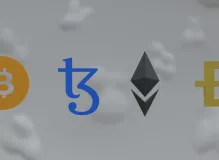




 Productivity
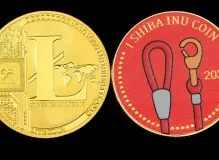 Productivity
 Productivity
 Productivity

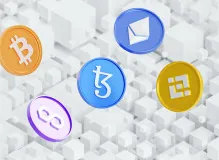 Productivity
 Productivity