For over long years, we have diligently conducted independent research and product testing. When you make a purchase through our links, we may earn a commission.
Discover the Mesmerizing World of 3D NFT Art

Created: 2 days ago
17 min Read
What are NFTs and How Do They Work?
In recent years, the world of digital art has been revolutionized by a phenomenon known as Non-Fungible Tokens (NFTs). NFTs have garnered immense popularity and have become a hot topic among art enthusiasts, collectors, and investors. So, what exactly are NFTs and how do they work?
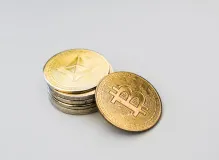
NFTs are unique digital assets that are stored on a blockchain, which is a decentralized and transparent digital ledger. Unlike cryptocurrencies such as Bitcoin or Ethereum that are fungible and can be exchanged on a like-for-like basis, NFTs are indivisible and cannot be exchanged on a one-to-one basis. This is because each NFT possesses unique properties and characteristics that distinguish it from other tokens.
One popular category of NFTs is 3D NFT art, where artists create mesmerizing three-dimensional artworks that can be bought, sold, and owned on the blockchain. These artworks can range from virtual sculptures, immersive digital installations, or even interactive experiences. The production process involves the use of specialized software and tools to design and render these captivating digital creations.
The market for 3D NFT art has experienced a surge in demand, with collectors and art enthusiasts seeking to own these one-of-a-kind digital masterpieces. The value of 3D NFT art is determined by various factors, including the reputation and recognition of the artist, the level of intricacy and detail in the artwork, as well as the rarity and scarcity of the NFT.
Investing in 3D NFT art can be an exciting opportunity for both artists and collectors. For artists, it provides a new avenue to showcase their creativity and monetize their digital artworks. On the other hand, collectors have the chance to own exclusive and unique pieces of art that can be displayed in virtual galleries or even in virtual reality (VR) environments.
It is important to note that the concept of owning digital art may be new and unfamiliar to some. However, NFTs provide a way to prove ownership and authenticity of digital assets, which has been a challenge in the digital realm. The blockchain technology behind NFTs ensures that each token is verifiably unique and cannot be duplicated or tampered with.
In conclusion, 3D NFT art represents a fascinating intersection between art and technology. The market for these digital creations continues to grow, presenting both opportunities and challenges for artists and collectors alike. Whether you are an artist looking to explore the world of NFTs or a collector intrigued by the possibilities of owning digital art, 3D NFT art opens up a whole new realm of artistic expression and investment potential.
The Phenomenon of 3D NFT Art
In recent years, the art world has witnessed a significant shift towards digital creations, and one remarkable trend that has emerged is the rise of 3D NFT art. Non-Fungible Tokens (NFTs) have revolutionized the way we perceive and consume art, offering a unique opportunity to own and trade one-of-a-kind digital masterpieces. With a combination of advanced technology and artistic creativity, 3D NFT art has captured the imagination of both artists and collectors alike.
Understanding NFTs and How They Work
NFTs are unique digital assets that reside on a blockchain, a transparent and decentralized digital ledger. Unlike cryptocurrencies such as Bitcoin or Ethereum, NFTs are indivisible and possess distinctive properties that set them apart from other tokens. Each 3D NFT art piece is one-of-a-kind, making it truly unique and valuable within the digital art ecosystem.
The Creation Process of 3D NFT Art
Creating mesmerizing 3D NFT art requires a combination of artistic vision and digital tools. Artists harness specialized software and techniques to design and render captivating virtual sculptures, immersive digital installations, and interactive experiences. The intricate process involves meticulous attention to detail, bringing the digital artworks to life in stunning three-dimensional forms.
Investing in the World of 3D NFT Art
For artists, 3D NFT art presents new opportunities to showcase their creativity and monetize their digital artworks. By minting and selling their pieces as NFTs, artists can reach a global audience and gain recognition for their unique creations. On the other hand, collectors can acquire exclusive and one-of-a-kind pieces to add to their digital art collections. The value of 3D NFT art is determined by factors such as the artist's reputation, the complexity of the artwork, and the rarity of the NFT.
Embracing the Authenticity and Ownership of Digital Art
Proving ownership and authenticity has always been a challenge in the digital realm. However, NFTs and blockchain technology offer a solution to this problem. Each 3D NFT art piece is verifiably unique and tamper-proof, providing a transparent record of ownership. This gives collectors peace of mind knowing that they truly own a digital masterpiece and can display it in virtual galleries or virtual reality (VR) environments.
The Growth Potential of 3D NFT Art
The market for 3D NFT art is experiencing rapid growth, attracting attention from art enthusiasts, collectors, and investors. With the demand for unique and immersive digital experiences on the rise, the value of 3D NFT art continues to soar. Artists have a new avenue to gain recognition and financial rewards, while collectors have the opportunity to own valuable digital assets that can appreciate in value over time.
In conclusion, the rise of 3D NFT art represents a fusion of art and technology, opening up exciting possibilities for artists and collectors in the digital world. The unique nature of 3D NFT art, coupled with the authenticity provided by blockchain technology, has transformed the way we create, own, and appreciate digital art. As the market continues to evolve, 3D NFT art offers an intriguing blend of artistic expression and investment potential. So, dive into the world of 3D NFT art and explore the endless possibilities of the digital canvas.
The Unique Features and Benefits of 3D NFT Artworks
3D NFT art has taken the art world by storm, offering a new and exciting way to create, collect, and trade digital artworks. These unique pieces possess distinct features and benefits that set them apart from traditional art forms.
1. Immersive and Interactive Experiences
One of the most fascinating aspects of 3D NFT art is its ability to provide immersive and interactive experiences. Unlike static artworks, these digital creations can be explored and experienced in virtual environments, allowing viewers to engage with the art on a whole new level. Through virtual reality (VR) or augmented reality (AR) technologies, collectors can step into a virtual gallery where they can view, interact with, and even manipulate the artwork itself. This adds a whole new dimension to the art experience, making it more engaging and dynamic.
2. Verifiable Authenticity and Ownership
With NFTs, the issue of authenticity and ownership in the digital art realm is finally addressed. Each 3D NFT artwork is uniquely minted on the blockchain, providing a verifiable digital certificate of authenticity. This ensures that the artwork is original, cannot be replicated or tampered with, and comes with a transparent record of ownership. Collectors can have confidence in the provenance and authenticity of the artwork they own, leading to a heightened sense of security and trust in the market.
3. Scarce and Limited Editions
Another key feature of 3D NFT art is its limited supply. Artists can choose to create only a certain number of editions of a particular artwork, making it a scarce and sought-after collectible. This scarcity adds value and exclusivity to the artwork, as collectors know that they own a truly unique piece in a limited edition series. This aspect of limited supply has been a driving force in the NFT market, with collectors willing to pay a premium for these rare digital assets.
4. Accessible and Democratized Art Market
3D NFT art has opened up new opportunities for artists to showcase their talents and reach a global audience. In traditional art markets, artists often face barriers to entry such as gallery representation or endorsement. However, with NFTs, artists can create, promote, and sell their art directly to collectors without intermediaries. This decentralized and democratized approach allows artists to retain more control over their creations and opens up opportunities for emerging artists to gain recognition and monetize their talents in the digital space.
5. Potential for Value Appreciation
Investors and collectors are also drawn to 3D NFT art for its potential for value appreciation. As the market for NFTs continues to grow and gain mainstream adoption, the value of these digital assets has skyrocketed. High-profile sales and record-breaking auctions have showcased the immense demand for NFT art, and collectors see the potential for significant returns on their investment. However, it's essential to note that, as with any investment, the value of NFT art can be volatile and speculative, and collectors should conduct thorough research and due diligence before making any purchases.
In conclusion, 3D NFT art offers unique features and benefits that have transformed the art world. From immersive experiences and verifiable authenticity to limited editions and a democratized market, these digital artworks are redefining how we create, collect, and appreciate art. Whether you're an artist looking to explore new creative possibilities or a collector intrigued by the potential for owning exclusive digital masterpieces, the world of 3D NFT art provides a captivating and exciting realm to explore.
Navigating the Market for 3D NFT Art: What Collectors Need to Know
In the fast-paced world of digital art, 3D NFT art has taken the spotlight, captivating collectors with its unique blend of technology and artistic expression. As the market for 3D NFT art continues to evolve and expand, it's important for collectors to stay informed and understand the key aspects of this exciting art form. In this article, we will delve into the world of 3D NFT art, exploring its unique characteristics, market trends, and valuable tips for collectors.
Understanding the Essence of 3D NFT Art
At its core, 3D NFT art embraces the fusion of three-dimensional design and blockchain technology. It represents a transformative way for artists to create and showcase their digital masterpieces in a unique and verifiable manner. Each 3D NFT art piece is individually crafted, making it a one-of-a-kind creation that cannot be replicated.
Exploring the Market Trends
The market for 3D NFT art has witnessed significant growth and innovation in recent years. Collectors are drawn to the allure of owning exclusive digital art pieces that can be showcased in virtual galleries or metaverses. With the rise of decentralized marketplaces and easy accessibility to NFT platforms, the market has become more accessible to both artists and collectors alike.
Valuable Tips for Collectors
For collectors entering the world of 3D NFT art, here are some important tips to keep in mind:
-
Research and familiarize yourself with reputable platforms: Before diving into the market, take the time to explore and research various NFT platforms. Look for platforms with a strong track record, transparent transaction processes, and a vibrant community of artists and collectors.
-
Consider the reputation of the artist: The reputation and recognition of the artist behind a 3D NFT artwork can play a significant role in its value. Look for artists who have gained recognition in the art world and whose works resonate with your personal taste.
-
Evaluate the rarity and scarcity of the NFT: Just like traditional artwork, the rarity and scarcity of a 3D NFT art piece can greatly impact its value. Consider factors such as the limited edition releases, unique features, and the overall demand for the artwork.
-
Engage with the community: Joining online communities, forums, or social media groups dedicated to 3D NFT art can provide invaluable insights and connections. Engaging with fellow collectors and artists can enrich your understanding of the market and help you discover new and exciting opportunities.
Conclusion
As the world of art continues to embrace digital innovation, 3D NFT art has emerged as a fascinating and dynamic medium of creative expression. By understanding the unique characteristics of 3D NFT art and staying informed about market trends, collectors can navigate this exciting market with confidence. Embrace the future of art, immerse yourself in the world of 3D NFT art, and embark on a journey of collecting and cherishing unique digital masterpieces.
The Impact of 3D NFT Art on the Traditional Art Industry
The emergence of 3D NFT art has created a significant impact on the traditional art industry. With its unique blend of technology and creativity, 3D NFT art has disrupted the traditional art market and opened new avenues for artists and collectors alike. Let's delve into the various ways in which 3D NFT art has influenced the traditional art industry.
1. Democratization of Art
One of the key impacts of 3D NFT art is its ability to democratize art. Traditionally, the art market has been dominated by galleries, dealers, and auction houses, which can limit access to art for many artists and art enthusiasts. However, with 3D NFT art, artists can showcase their work directly to a global audience without the need for intermediaries. This decentralized approach empowers artists to gain recognition and monetize their art on their own terms.
2. Authenticity and Ownership
The use of blockchain technology in 3D NFT art ensures the authenticity and ownership of digital artworks. Each NFT is recorded on a blockchain, providing a transparent and immutable record of ownership. This addresses the longstanding challenge of proving ownership in the digital art world. Collectors can now have confidence that they are purchasing unique and authentic pieces of art, and artists can secure their intellectual property rights.
3. Diversification of Art Forms
The advent of 3D NFT art has sparked a wave of creativity and exploration of new art forms. Artists are pushing the boundaries of traditional art mediums by creating immersive 3D sculptures, virtual reality experiences, and interactive installations. This diversification of art forms not only appeals to a new generation of digital natives but also offers collectors a whole new realm of artistic expression to engage with and invest in.
4. Global Reach and Accessibility
3D NFT art has enabled art to reach a global audience like never before. With the internet and blockchain technology, art enthusiasts from across the world can discover and appreciate digital artworks, regardless of their location. This accessibility has the potential to bridge cultural and geographical boundaries, fostering a greater understanding and appreciation of art worldwide.
5. Art as an Investment
The rise of 3D NFT art has also led to art becoming an investment asset class. Collectors and investors are increasingly recognizing the potential value and return on investment that can come from owning NFTs. As the market for 3D NFT art continues to grow, collectors have the opportunity to acquire highly sought-after digital artworks that can appreciate in value over time. This new avenue for investment has attracted both art enthusiasts and savvy investors looking to diversify their portfolio.
In conclusion, the impact of 3D NFT art on the traditional art industry is undeniable. It has brought about democratization, authenticity, and new artistic possibilities. With its global reach and investment potential, 3D NFT art is reshaping the way we perceive and engage with art. As technology continues to evolve, we can only expect further innovations and advancements in the world of 3D NFT art.
Prominent Artists and Creators Shaping the 3D NFT Art Movement
The emergence of 3D NFT art has sparked a wave of innovation and creativity among artists and creators around the world. These visionary individuals have embraced the potential of blockchain technology and leveraged their artistic skills to push the boundaries of digital art. Let's take a closer look at some of the prominent artists and creators who are shaping the 3D NFT art movement.
1. Beeple (@beeple)
Beeple, also known as Mike Winkelmann, is widely regarded as one of the pioneers of the 3D NFT art movement. His groundbreaking artwork, "Everydays: The First 5000 Days," sold at auction for a staggering $69.3 million, making it one of the most expensive NFT art pieces ever sold. Beeple's surreal and thought-provoking 3D creations have captivated audiences worldwide, establishing him as a leading figure in the digital art realm.
2. Fewocious (@fewocious)
At just 18 years old, Fewocious has already made a significant impact on the 3D NFT art scene. Her vibrant and dynamic artworks explore themes of identity, self-expression, and empowerment. With her unique blend of innovative techniques and bold visual storytelling, Fewocious has gained a dedicated following and her artwork has been sought after by collectors and enthusiasts worldwide.
3. Hackatao (@hackatao)
Italian duo Hackatao, comprised of Sergio Scalet and Nadia Squarci, have gained recognition for their mesmerizing and whimsical 3D NFT artworks. With a fusion of surrealism, fantasy, and mythology, Hackatao's creations take viewers on a journey into a world of vibrant colors and imaginative characters. Their imaginative use of 3D technology has helped redefine the possibilities of digital art and has garnered them a loyal fan base.
4. XCOPY (@xcopyart)
XCOPY, an anonymous artist, is celebrated for his dystopian and futuristic 3D NFT art. His work often delves into themes of technology, consumerism, and the impact of digital culture on society. With a distinct style characterized by glitch aesthetics and bold imagery, XCOPY's artwork challenges viewers to question the relationship between humanity and the digital world.
5. Trevor Jones (@trevorjonesart)
Trevor Jones is renowned for his visually stunning and highly detailed 3D NFT artworks. Often inspired by nature, mythology, and cultural icons, Jones' creations evoke a sense of awe and wonder. His use of vibrant colors, intricate textures, and meticulous craftsmanship has earned him a reputation as one of the leading artists in the 3D NFT art movement.
These are just a few of the many talented artists and creators who are shaping the 3D NFT art movement. Their visionary approach to digital art, combined with the power of blockchain technology, has opened up new possibilities for artistic expression, ownership, and collecting. As the 3D NFT art scene continues to evolve, we can expect even more innovative and groundbreaking creations from these artists and many others who are pushing the boundaries of what is possible in the digital art realm.
The Future of 3D NFT Art: Trends and Innovations to Watch Out For
Digital art has undergone a transformative shift with the advent of Non-Fungible Tokens (NFTs). In particular, 3D NFT art has captured the attention of artists, collectors, and investors alike. As this exciting intersection of technology and art continues to evolve, let's explore the trends and innovations that are shaping the future of 3D NFT art.
1. Immersive Virtual Reality (VR) Experiences
One of the key advancements in 3D NFT art is the integration of immersive virtual reality experiences. Artists are pushing boundaries by creating virtual galleries and exhibitions where collectors can immerse themselves in a dynamic and interactive art world. With the help of VR technology, viewers can explore intricate details, walk through digital installations, and even interact with the artwork itself.
2. Cross-Platform Compatibility
Interoperability and cross-platform compatibility are becoming increasingly important in the world of 3D NFT art. Artists are exploring ways to ensure that their digital creations can be displayed and experienced on various platforms, including social media, virtual reality platforms, and even augmented reality (AR) applications. This expanded accessibility opens up new possibilities for artists to reach wider audiences and engage with art enthusiasts across different mediums and devices.
3. Environmental Impact Considerations
As the popularity of NFTs continues to rise, so does the concern for their environmental impact. Currently, the process of minting and trading NFTs requires a significant amount of energy consumption. However, innovators in the space are actively exploring alternative blockchain technologies with reduced carbon footprints. Artists and collectors are also taking strides to support eco-friendly initiatives and offset the environmental impact associated with their digital art transactions.
4. Integration of Artificial Intelligence (AI)
Artificial Intelligence (AI) is making its mark in the realm of 3D NFT art. Artists are leveraging AI algorithms to generate unique and intricate digital creations, pushing the boundaries of creativity and merging human imagination with machine learning capabilities. These AI-generated artworks offer a fresh perspective on artistic expression and provide collectors with new opportunities for owning one-of-a-kind digital pieces.
5. Collaborative and Community-driven Art Projects
The collaborative nature of blockchain technology and NFTs has paved the way for community-driven art projects. Artists are engaging with their audiences and inviting them to participate in the creation process, whether it's through feedback, input, or even co-ownership of NFTs. This collaborative approach fosters a sense of community and empowers art enthusiasts to be actively involved in the art ecosystem.
In conclusion, the future of 3D NFT art is teeming with exciting possibilities. From immersive virtual reality experiences to cross-platform compatibility, environmental considerations, AI integration, and community-driven projects, the world of 3D NFT art is constantly evolving. As technology advances and artists continue to push boundaries, we can expect even more groundbreaking innovations that will shape the way we create, experience, and collect digital art. So strap on your VR headset and dive into the mesmerizing world of 3D NFT art. 🎨🚀
Frequently Asked Questions (FAQs)
What is NFT art?
NFT art refers to digital artwork that is minted as a unique token on a blockchain network, typically using the Ethereum blockchain.
What is 3D NFT art?
3D NFT art is a form of NFT art that involves three-dimensional virtual objects or sculptures.
How are 3D NFTs created?
3D NFTs are created by artists using various 3D modeling software or digital sculpting tools to design and render their unique virtual creations.
Where can I buy 3D NFT art?
You can buy 3D NFT art on various online NFT marketplaces such as OpenSea, Rarible, SuperRare, and known digital art platforms like Foundation and Nifty Gateway.
What makes 3D NFT art unique?
Each 3D NFT art piece is tokenized on the blockchain, ensuring its authenticity, scarcity, and ownership. The ownership of a 3D NFT can be easily verified and transferred from one person to another.
Can I display my 3D NFT art in the physical world?
Yes, you can display your 3D NFT art in the physical world by using devices such as VR headsets or by projecting the artwork onto physical surfaces.
Why are 3D NFTs gaining popularity?
3D NFTs are gaining popularity due to their unique and immersive nature, allowing artists to explore new dimensions of creativity and collectors to own one-of-a-kind digital artworks.
What are the potential benefits of investing in 3D NFT art?
Investing in 3D NFT art offers the potential for value appreciation over time, as well as supporting and connecting with emerging artists in the digital art space.
Are there any risks associated with buying 3D NFT art?
Like any investment, buying 3D NFT art comes with risks, such as price volatility and market uncertainties. It's important to research the artist, their reputation, and the platform before making a purchase.
Can I resell my 3D NFT art?
Yes, you can resell your 3D NFT art on NFT marketplaces, allowing you to potentially earn a profit if the demand for the artwork increases.
How can I learn more about 3D NFT art?
To learn more about 3D NFT art, you can explore online communities, join NFT-related forums, follow artists and collectors on social media, and engage in discussions about the topic.
Content You May Be Interested In
 Productivity
 Productivity



 Productivity
 Productivity
 Productivity

 Productivity
 Productivity
 Productivity