For over long years, we have diligently conducted independent research and product testing. When you make a purchase through our links, we may earn a commission.
Unlock the Mystery: Discover the World of NFT

Created: 3 weeks ago

82 min Read
Understanding NFTs: A Comprehensive Introduction
In recent years, the term "NFT" has made significant waves in various industries, from art and fashion to music and gaming. But what exactly is an NFT and why is it receiving so much attention? In this comprehensive guide, we will delve into the world of NFTs and explore what they are, how they work, and why they have become such a hot topic of conversation.
What is an NFT?
NFT stands for Non-Fungible Token. Unlike cryptocurrencies such as Bitcoin or Ethereum, which are fungible and can be exchanged for one another, NFTs are unique and cannot be replaced with something else. Each NFT has its own distinct value and identity, making it one-of-a-kind in the digital realm.
How do NFTs work?
NFTs are built on blockchain technology, which is a decentralized digital ledger that records transactions and ensures transparency and security. The blockchain serves as a digital certificate of authenticity, verifying the ownership and provenance of an NFT. This technology allows creators to mint and sell digital assets as NFTs, enabling them to retain ownership and receive royalties whenever their NFTs are resold.
The Rise of NFTs in the Art World
One of the key areas where NFTs have gained significant traction is the art world. Artists can now tokenize their work as NFTs, allowing collectors to buy and trade digital artwork with proof of ownership on the blockchain. This has opened up new opportunities for artists to monetize their creations and reach a global audience without the need for traditional art galleries or middlemen.
NFTs and the Music Industry
NFTs are also revolutionizing the music industry. Musicians and artists can release limited edition songs, albums, or concert tickets as NFTs, offering fans exclusive experiences and collectibles. This provides a new revenue stream for musicians and helps foster a closer connection between artists and their fanbase.
NFTs and Gaming
Gaming enthusiasts are no strangers to digital ownership, and NFTs have further expanded the possibilities in the gaming world. Players can now invest in virtual assets like in-game items or virtual real estate as NFTs, giving them true ownership and the ability to trade or sell them on decentralized marketplaces.
The Future of NFTs
While NFTs have certainly made headlines and sparked both excitement and controversy, their future remains uncertain. Critics argue that the NFT market is a bubble waiting to burst, while supporters see it as a new frontier in digital ownership and monetization. Regardless of the outcome, NFTs have undeniably opened the door to new possibilities, pushing the boundaries of what it means to own and value digital assets.
In conclusion, NFTs are non-fungible tokens that have gained significant popularity across various industries. They are unique digital assets built on blockchain technology, allowing creators to monetize their work and buyers to have proof of ownership. From the art world and music industry to gaming, NFTs have revolutionized the way we think about digital ownership and have paved the way for new opportunities in the digital realm. Despite the ongoing debates surrounding NFTs, there is no denying their impact and the potential they hold for the future.
In recent years, the term NFT has taken the digital world by storm. But what exactly does it mean? 🤔 In simple terms, NFT stands for Non-Fungible Token. 🎫 Unlike cryptocurrencies such as Bitcoin or Ethereum, which are fungible and can be exchanged for one another, NFTs represent unique digital assets that cannot be replaced with anything else. Each NFT has its own distinct value and identity, making it one-of-a-kind in the digital realm. 🌐
So, qué es un NFT? Un NFT es un Token No Fungible, lo cual significa que es un activo digital único que no puede ser reemplazado por otro. Es importante destacar que los NFTs son construidos sobre la tecnología de blockchain, un libro mayor digital descentralizado que registra y garantiza la transparencia y la seguridad de las transacciones. 💡 Cada NFT tiene asociada una serie de metadatos que proporcionan información importante, como el propietario actual, el historial de transacciones y la autenticidad del activo digital.
One of the major advantages of NFTs is that they allow artists, musicians, and creators to monetize their digital creations in new and innovative ways. Artists can mint their artwork as NFTs, giving them a unique digital identity and proof of ownership on the blockchain. This has opened up a world of possibilities, allowing artists to sell their work directly to collectors, without the need for intermediaries like art galleries. 🎨💰
¿Cómo funcionan los NFTs? Los NFTs están basados en tecnología de blockchain, lo que significa que cada transacción está registrada de forma inmutable y transparente en la cadena de bloques. La cadena de bloques sirve como un certificado de autenticidad digital, verificando la propiedad y la procedencia de un NFT. Esto ofrece garantías tanto para los creadores como para los compradores, ya que se puede rastrear y verificar la historia completa de un NFT.
Now, you may be wondering, how do people actually buy and sell NFTs? Well, NFTs are typically bought and sold on online marketplaces that specialize in digital assets. These marketplaces use smart contracts to facilitate the transactions, ensuring that the ownership of the NFT is transferred securely and that the original creator receives royalties whenever the NFT is sold in the future. 💸💎
Es importante destacar que los NFTs no están limitados al mundo del arte. En realidad, su uso se ha extendido a diferentes industrias, como la música y los videojuegos. En la industria musical, los artistas pueden lanzar canciones o álbumes exclusivos como NFTs, brindando a los fans experiencias y objetos de colección únicos. Los videojuegos también se han beneficiado de los NFTs, permitiendo a los jugadores poseer y comerciar con artículos de juego exclusivos.
In conclusion, NFTs are revolutionizing the digital world by allowing for the ownership and monetization of unique digital assets. While the concept may be complex, the potential benefits for creators and buyers are undeniable. As NFTs continue to gain popularity, it's important for individuals to educate themselves and understand the implications and opportunities that this new technology presents. 👩💻🌟
NFTs, or Non-Fungible Tokens, have experienced a meteoric rise in popularity across various industries. From art to music to gaming, these unique digital assets have captured the attention of creators, collectors, and enthusiasts around the world. But what exactly is fueling this craze? Let's explore the factors that have contributed to the rise of NFTs and why they have become such a phenomenon.
Unprecedented Authenticity and Ownership
One of the key appeals of NFTs is the concept of authenticity and ownership. Unlike traditional digital files that can be easily copied and shared, NFTs provide a way to prove ownership of a specific piece of digital content. Each NFT is recorded on a blockchain, a decentralized digital ledger that verifies the authenticity and ownership of the asset. This level of security and transparency has revolutionized the way people interact with and trade digital goods.
Empowering Creators and Artists
NFTs have opened up new avenues for creators and artists to monetize their work. With traditional forms of art, creators often rely on galleries, agents, or middlemen to sell their pieces. NFTs eliminate the need for intermediaries, allowing artists to directly connect with their audience and retain more control over their creations. By tokenizing their artwork as NFTs, artists can sell limited editions, offer exclusive content, or receive royalties whenever their NFTs are resold. This newfound empowerment has democratized the art market and provided opportunities for emerging creators to showcase their talent on a global scale.
Diversification of Investments
Another factor contributing to the popularity of NFTs is the allure of investment opportunities. NFTs have become a form of alternative investment, with collectors and traders speculating on the future value of these digital assets. Some NFTs have sold for astronomical prices, attracting both seasoned investors and those seeking to enter the market. The potential for high returns has enticed individuals to explore the world of NFTs as a new asset class.
Novelty and Exclusivity
Humans have an innate desire for novelty and exclusivity, and NFTs offer both. The unique nature of each NFT creates a sense of scarcity and exclusivity, making them highly desirable among collectors. Owning an NFT represents ownership of a one-of-a-kind digital item, whether it's a piece of art, a music album, or a virtual gaming asset. This exclusivity appeals to individuals who value rare and collectible items, contributing to the surge in popularity of NFTs.
Mainstream Recognition and Celebrity Involvement
The mainstream recognition of NFTs has significantly propelled their popularity. High-profile figures from the art, music, and sports industries have embraced NFTs, amplifying their reach and creating a buzz around these digital assets. Celebrities and influencers, such as musicians releasing limited edition albums or athletes tokenizing memorable moments, have attracted attention to the potential of NFTs as a new form of expression and revenue generation. Their involvement has brought NFTs into the mainstream consciousness, expanding their audience beyond tech-savvy early adopters.
In conclusion, the rise of NFTs can be attributed to multiple factors, including the unprecedented authenticity and ownership they offer, the empowerment of creators, the diversification of investment opportunities, the appeal of novelty and exclusivity, and the recognition and involvement of celebrities. As the world continues to embrace digital transformation, NFTs represent a fascinating intersection of technology, art, and investment, shaping the future of digital ownership and cultural expression.
NFTs y Arte Digital: Revolucionando el Mercado del Arte
En los últimos años, los NFTs (tokens no fungibles) han irrumpido con fuerza en la industria del arte digital, generando una revolución en el mercado artístico. En este artículo exploraremos en detalle qué son los NFTs, cómo están cambiando la forma en que los artistas venden y monetizan su trabajo, y el impacto que están teniendo en el mundo del arte.
¿Qué es un NFT?
Un NFT, o token no fungible, es un activo digital que se diferencia de las criptomonedas tradicionales como Bitcoin o Ethereum, que son intercambiables entre sí. Los NFTs son únicos e indivisibles, lo que significa que cada uno tiene un valor y una identidad propia. Esta característica los convierte en herramientas ideales para representar la propiedad digital de obras de arte, música, videos y otros activos digitales.
¿Cómo funcionan los NFTs en el arte digital?
Los NFTs se construyen utilizando la tecnología de la cadena de bloques (blockchain), lo que garantiza la autenticidad y propiedad de un activo digital. Cuando un artista crea una obra de arte digital y la convierte en un NFT, cada unidad se registra en la cadena de bloques con información sobre su autenticidad, fecha de creación y transacciones previas. Esto asegura que el propietario de un NFT tenga el control completo sobre su obra y pueda demostrar su originalidad.
La revolución en el mercado del arte
Una de las principales aplicaciones de los NFTs ha sido su impacto en el mercado del arte. Anteriormente, los artistas dependían de galerías y casas de subastas para vender su trabajo, lo que limitaba su alcance y la cantidad de ganancias que podían obtener. Con los NFTs, los artistas pueden vender sus obras directamente en el mercado digital, eliminando intermediarios y llegando a un público global sin restricciones geográficas. Esto no solo democratiza el acceso al arte, sino que también permite a los creadores recibir regalías cada vez que una obra es revendida, lo que puede brindar un flujo constante de ingresos a lo largo del tiempo.
¿Por qué los NFTs son importantes para los artistas?
Los NFTs han abierto nuevas oportunidades para que los artistas moneticen su trabajo y generen ingresos de formas innovadoras. Además de las ventas directas de obras de arte, los artistas pueden ofrecer obras digitales exclusivas, ediciones limitadas o experiencias únicas como NFTs. Esto crea una conexión más estrecha entre los artistas y sus seguidores, ya que los fans pueden poseer y mostrar apoyo al artista al adquirir sus NFTs.
Desafíos y oportunidades para los NFTs en el arte digital
Aunque los NFTs han generado entusiasmo y oportunidades sin precedentes en el mundo del arte, también presentan desafíos. Uno de ellos es el impacto ambiental de la tecnología blockchain utilizada para crear y operar NFTs, que consume una cantidad significativa de energía. También existe debate sobre la especulación y volatilidad del mercado de NFTs, lo que puede dificultar la valoración y comercialización adecuada del arte digital.
Sin embargo, a pesar de estos desafíos, los NFTs continúan impulsando la evolución del mercado del arte digital y ofreciendo nuevas formas de crear y consumir arte. La tecnología blockchain y los NFTs brindan a los artistas la oportunidad de controlar su trabajo y establecer relaciones más directas con sus seguidores y compradores, democratizando el acceso al arte y rompiendo barreras tradicionales.
En resumen, los NFTs están revolucionando el mercado del arte digital al permitir a los artistas vender y monetizar sus obras directamente en el mercado digital. A través de la tecnología blockchain, los NFTs aseguran la autenticidad y propiedad de los activos digitales, brindando nuevas oportunidades y desafíos para los artistas y amantes del arte en todo el mundo.
How to Create and Sell NFTs: A Step-by-Step Guide
Are you intrigued by the world of NFTs and eager to create and sell your own unique digital assets? In this step-by-step guide, we will walk you through the process of creating and selling NFTs, so you can get started on your journey to becoming a successful NFT creator.
Step 1: Choose a Platform
The first step in creating and selling NFTs is to choose a platform that supports NFT minting and marketplace functionality. There are several popular platforms available, including OpenSea, Rarible, SuperRare, and Foundation, among others. Each platform has its own unique features and community, so it's worth exploring them to find the one that best suits your needs.
Step 2: Prepare your Digital Artwork
Once you have selected a platform, it's time to prepare your digital artwork for minting as an NFT. Ensure that your artwork meets the platform's specifications in terms of file format, size, and quality. Some platforms may have additional requirements, such as the inclusion of metadata or a description of your artwork.
Step 3: Connect a Wallet
To interact with NFT platforms, you will need to connect a cryptocurrency wallet that supports the Ethereum blockchain, as most NFTs are currently built on Ethereum. Some popular wallets include MetaMask, WalletConnect, and Trust Wallet. Follow the instructions provided by your chosen platform to connect your wallet.
Step 4: Mint your NFT
Now comes the exciting part—minting your NFT! On the platform's website, find the minting or create NFT option and follow the prompts to upload your digital artwork, provide the necessary information and metadata, and set a price for your NFT, if applicable. Be sure to include relevant keywords and description that accurately reflect your artwork.
Step 5: List your NFT for Sale
Once your NFT is minted, it's time to list it for sale on the marketplace. Specify the price at which you wish to sell your NFT and any additional details or terms you want to include. Some platforms allow for auctions or bidding, while others have fixed-price listings.
Step 6: Promote your NFT
Creating and listing your NFT is just the beginning. To maximize the chances of selling your NFT, you'll need to promote it. Share it on social media platforms, join NFT communities and engage with other creators and collectors, and consider collaborating or partnering with influencers or other artists to gain visibility for your NFT.
Step 7: Manage your NFTs
Once your NFT is sold, it's important to manage your collection. Keep track of your sales, royalties, and any offers or inquiries you receive. Consider diversifying your portfolio by creating new NFTs or participating in collaborations and exhibitions.
By following these steps, you can create and sell your own NFTs and become a part of the exciting world of digital ownership and monetization. Remember to stay informed about market trends and best practices, as the NFT landscape is constantly evolving. Good luck on your NFT journey!
Understanding NFTs: A Comprehensive Introduction
Unleashing the Potential: Industries Utilizing NFTs
In recent years, the term NFT has made significant waves in various industries, from art and fashion to music and gaming. But what exactly is an NFT and why is it receiving so much attention? In this comprehensive guide, we will delve into the world of NFTs and explore what they are, how they work, and why they have become such a hot topic of conversation.
What is an NFT?
NFT stands for Non-Fungible Token. Unlike cryptocurrencies such as Bitcoin or Ethereum, which are fungible and can be exchanged for one another, NFTs are unique and cannot be replaced with something else. Each NFT has its own distinct value and identity, making it one-of-a-kind in the digital realm.
How do NFTs work?
NFTs are built on blockchain technology, which is a decentralized digital ledger that records transactions and ensures transparency and security. The blockchain serves as a digital certificate of authenticity, verifying the ownership and provenance of an NFT. This technology allows creators to mint and sell digital assets as NFTs, enabling them to retain ownership and receive royalties whenever their NFTs are resold.
The Rise of NFTs in the Art World
One of the key areas where NFTs have gained significant traction is the art world. Artists can now tokenize their work as NFTs, allowing collectors to buy and trade digital artwork with proof of ownership on the blockchain. This has opened up new opportunities for artists to monetize their creations and reach a global audience without the need for traditional art galleries or middlemen.
NFTs and the Music Industry
NFTs are also revolutionizing the music industry. Musicians and artists can release limited edition songs, albums, or concert tickets as NFTs, offering fans exclusive experiences and collectibles. This provides a new revenue stream for musicians and helps foster a closer connection between artists and their fanbase.
NFTs and Gaming
Gaming enthusiasts are no strangers to digital ownership, and NFTs have further expanded the possibilities in the gaming world. Players can now invest in virtual assets like in-game items or virtual real estate as NFTs, giving them true ownership and the ability to trade or sell them on decentralized marketplaces.
The Future of NFTs
While NFTs have certainly made headlines and sparked both excitement and controversy, their future remains uncertain. Critics argue that the NFT market is a bubble waiting to burst, while supporters see it as a new frontier in digital ownership and monetization. Regardless of the outcome, NFTs have undeniably opened the door to new possibilities, pushing the boundaries of what it means to own and value digital assets.
In conclusion, NFTs are non-fungible tokens that have gained significant popularity across various industries. They are unique digital assets built on blockchain technology, allowing creators to monetize their work and buyers to have proof of ownership. From the art world and music industry to gaming, NFTs have revolutionized the way we think about digital ownership and have paved the way for new opportunities in the digital landscape.
What is an NFT? A Comprehensive Explanation
NFT (Non-Fungible Token) es un término que ha ganado relevancia en los últimos años en diversas industrias, desde el arte y la moda hasta la música y los videojuegos. Pero, ¿qué es exactamente un NFT y por qué está recibiendo tanta atención? En esta guía completa, profundizaremos en el mundo de los NFTs y exploraremos qué son, cómo funcionan y por qué se han convertido en un tema de conversación tan popular.
¿Qué es un NFT?
NFT significa Token No Fungible. A diferencia de las criptomonedas como Bitcoin o Ethereum, que son fungibles y se pueden intercambiar entre sí, los NFTs son únicos y no se pueden reemplazar por algo más. Cada NFT tiene su propio valor e identidad distintiva, lo que lo convierte en algo único en el ámbito digital.
¿Cómo funcionan los NFTs?
Los NFTs se basan en la tecnología blockchain, que es un libro de contabilidad digital descentralizado que registra transacciones y garantiza transparencia y seguridad. La blockchain actúa como un certificado digital de autenticidad, verificando la propiedad y procedencia de un NFT. Esta tecnología permite a los creadores acuñar y vender activos digitales como NFTs, lo que les permite mantener la propiedad y recibir regalías cada vez que se revenden sus NFTs.
El auge de los NFTs en el mundo del arte
Una de las áreas clave donde los NFTs han ganado gran aceptación es en el mundo del arte. Ahora, los artistas pueden tokenizar su trabajo como NFTs, permitiendo a los coleccionistas comprar y comerciar con obras de arte digitales con prueba de propiedad en la blockchain. Esto ha abierto nuevas oportunidades para que los artistas monetizen sus creaciones y lleguen a una audiencia global sin necesidad de galerías de arte tradicionales o intermediarios.
NFTs y la industria musical
Los NFTs también están revolucionando la industria musical. Los músicos y artistas pueden lanzar canciones, álbumes o entradas de conciertos en ediciones limitadas como NFTs, ofreciendo a los fanáticos experiencias y coleccionables exclusivos. Esto brinda una nueva fuente de ingresos para los músicos y ayuda a fomentar una conexión más cercana entre los artistas y su base de seguidores.
NFTs y los videojuegos
Los entusiastas de los videojuegos no son ajenos a la propiedad digital, y los NFTs han ampliado aún más las posibilidades en el mundo de los videojuegos. Ahora, los jugadores pueden invertir en activos virtuales como objetos del juego o bienes raíces virtuales como NFTs, brindándoles una verdadera propiedad y la capacidad de comerciar o venderlos en mercados descentralizados.
El futuro de los NFTs
Si bien los NFTs ciertamente han protagonizado titulares y han despertado tanto emoción como controversia, su futuro sigue siendo incierto. Los críticos argumentan que el mercado de los NFTs es una burbuja a punto de explotar, mientras que los defensores lo ven como una nueva frontera en la propiedad y monetización digital. Independientemente del resultado, los NFTs han abierto indudablemente la puerta a nuevas posibilidades, empujando los límites de lo que significa poseer y valorar activos digitales.
En conclusión, los NFTs son tokens no fungibles que han ganado popularidad en diversas industrias. Son activos digitales únicos basados en tecnología blockchain, que permiten a los creadores monetizar su trabajo y a los compradores tener prueba de propiedad. Desde el mundo del arte y la industria musical hasta los videojuegos, los NFTs han revolucionado la forma en que pensamos sobre la propiedad digital y han allanado el camino hacia un nuevo paradigma de valoración y posesión de activos.
Digital ownership, also known as "nft que es" in Spanish, is a new and exciting concept that has gained prominence with the rise of NFTs. Unlike traditional ownership of physical assets, digital ownership refers to the ability to possess and control unique digital assets, such as art, music, or collectibles, in a virtual space. NFTs, or Non-Fungible Tokens, play a crucial role in establishing and verifying digital ownership.
NFTs are unique tokens that exist on a blockchain, which serves as a decentralized ledger ensuring transparency and immutability. Each NFT is distinguishable from others, making it "uno de una clase" or one-of-a-kind. The ownership of an NFT is securely recorded on the blockchain, providing proof of authenticity and ownership.
One of the key benefits of digital ownership through NFTs is that it allows creators to protect their intellectual property and monetize their work in new and innovative ways. Artists, musicians, and content creators can mint their creations as NFTs, giving them a digital certificate of authenticity and the ability to assign value to their work. This opens up opportunities for artists to directly sell their creations to collectors and fans, without the need for intermediaries or traditional art galleries.
Moreover, NFTs enable fractional ownership, allowing individuals to own a portion of a high-value digital asset. This creates a new form of investment and democratizes the art market. Collectors can buy a fraction of a valuable piece of art, providing access to a market that was previously reserved for high-net-worth individuals.
However, digital ownership and NFTs also come with certain challenges and considerations. The environmental impact of blockchain technology, particularly the energy consumption associated with mining cryptocurrencies like Ethereum, has raised concerns among critics. Additionally, the potential for copyright infringement and the need for clear regulations and legal frameworks surrounding NFTs are important factors that need to be addressed.
In conclusion, digital ownership through NFTs is a groundbreaking concept that has revolutionized the way we perceive and interact with digital assets. By leveraging blockchain technology, NFTs provide a secure and transparent infrastructure for establishing ownership and assigning value to unique digital creations. Whether it's art, music, or virtual collectibles, NFTs have opened up new opportunities for creators and collectors alike. However, it is important to navigate this emerging market with awareness and consideration for the challenges and responsibilities that come with it.
Exploring the Different Types of NFTs
NFTs, or Non-Fungible Tokens, come in various forms and serve different purposes across industries. Let's dive into the world of NFTs and explore the different types that exist.
Digital Art NFTs:
One of the most popular forms of NFTs is digital art. Artists can create and mint their artwork as NFTs, providing a unique and verifiable ownership experience for collectors. These NFTs can range from digital paintings and illustrations to animations and virtual reality experiences.
Music NFTs:
With the rise of NFTs, musicians have also embraced this technology. Music NFTs allow artists to release limited edition songs, albums, or concert tickets that come with exclusive perks or collectibles. Fans can own a piece of their favorite artist's music and enjoy special benefits reserved for NFT holders.
Collectible NFTs:
Another category of NFTs is collectibles. Just like physical trading cards or collectible items, digital collectibles have become increasingly popular. These NFTs can represent virtual cards, characters, or even virtual pets. Collectible NFTs often have limited supply or rare attributes, making them desirable for collectors.
Utility NFTs:
Utility NFTs are tokens that provide specific functionalities or access to certain services. For example, a utility NFT might grant access to a membership site, a virtual world, or a specific online community. These NFTs unlock unique experiences or privileges for the holders.
Domain NFTs:
Domain NFTs allow users to own and trade internet domain names as NFTs. This opens up new possibilities for domain name investors and developers to buy, sell, and build on virtual real estate.
Gaming NFTs:
Gaming enthusiasts have embraced NFTs as well. In the gaming world, NFTs can represent in-game items, virtual land, or even entire virtual worlds. Players can buy, sell, and trade these NFTs on decentralized marketplaces, giving them true ownership and control over their virtual assets.
Comparison Chart:
| Type of NFT | Description |
|---|---|
| Digital Art | NFTs that represent digital artwork created by artists. |
| Music | NFTs that offer unique music experiences and perks. |
| Collectibles | NFTs that represent virtual trading cards or collectible items. |
| Utility | NFTs that provide specific functionalities or access to services. |
| Domains | NFTs that represent internet domain names. |
| Gaming | NFTs that represent in-game items or virtual real estate. |
In conclusion, NFTs come in various forms, each catering to different interests and industries. Whether you're an art enthusiast, a music lover, a collector, or a gamer, there's an NFT out there that aligns with your interests. By understanding the different types of NFTs, you can explore the world of digital ownership and discover the possibilities that await.
In recent years, the NFT market has experienced exponential growth, with numerous marketplaces emerging to facilitate the buying and selling of these unique digital assets. Let's explore some of the most popular NFT marketplaces and how they have contributed to the rise of the NFT phenomenon.
🌟 OpenSea: OpenSea is currently the largest and most well-known NFT marketplace. It offers a wide range of digital collectibles, artwork, virtual land, and more. Artists and creators can easily mint and list their NFTs on the platform, while buyers can browse through a vast selection of items to find something that piques their interest. OpenSea supports various blockchain networks like Ethereum and Polygon, making it accessible to a broader audience.
🌟 Rarible: Rarible is another popular NFT marketplace that aims to empower creators by providing them with the tools to mint, sell, and manage their digital assets. What sets Rarible apart is its unique governance token, RARI, which allows holders to influence platform decisions. This community-driven approach fosters a sense of ownership and participation among users.
🌟 Nifty Gateway: Nifty Gateway, acquired by the Winklevoss twins' Gemini exchange in 2019, has quickly gained prominence in the NFT space. It focuses primarily on digital artwork and collectibles from renowned artists and brands, offering limited edition drops and curated collections. Nifty Gateway provides a user-friendly experience, attracting both seasoned collectors and newcomers alike.
🌟 SuperRare: SuperRare prides itself on being a curated marketplace for digital art, showcasing high-quality and exclusive creations. Each artwork on SuperRare is tokenized as an NFT, ensuring that it retains its unique value and authenticity. The platform emphasizes the connection between artists and collectors, enabling direct interactions and fostering a tight-knit community.
🌟 AtomicMarket: AtomicMarket is a decentralized NFT marketplace built on the WAX blockchain. It focuses on collectibles and virtual items from gaming and virtual reality worlds. AtomicMarket offers a seamless trading experience and aims to lower transaction costs, making it an attractive option for gamers and collectors alike.
These are just a few examples of the many NFT marketplaces available today. Each platform has its own unique features, community, and selection of digital assets. As the demand for NFTs continues to grow, we can expect to see even more innovative marketplaces emerging, providing new opportunities for creators, collectors, and investors to participate in this exciting digital ecosystem.
In conclusion, the rise of NFT marketplaces has played a significant role in the widespread adoption of NFTs. These platforms have made it easier for artists to showcase and monetize their work, while allowing collectors to explore and invest in unique digital assets. As the NFT market continues to evolve, it will be interesting to see how these marketplaces adapt and shape the future of digital ownership.
NFTs, or Non-Fungible Tokens, have made a significant impact on the art industry in recent years. 🎨 By understanding what NFTs are and how they function, we can explore the various ways they have revolutionized the art world.
Understanding NFTs in the Art Industry
NFTs, ¿qué es un NFT? or Non-Fungible Tokens, ¿what is a Non-Fungible Token? in Spanish, are digital assets that represent ownership or proof of authenticity of a unique item or piece of art. Unlike traditional art, which is often physical and tangible, NFTs are digital files stored on a blockchain, making them secure and immutable.
Tokenizing Art with NFTs
One of the key aspects of NFTs is their ability to tokenize art. Artists can now mint their artwork as NFTs, presenting a new way of buying, selling, and owning digital art. This has revolutionized the art market by removing the limitations of physical artwork, enabling artists to reach a global audience, and providing new opportunities for both established and emerging artists.
The Benefits of NFTs for Artists
NFTs offer several benefits for artists. First and foremost, NFTs provide a means for artists to establish verifiable ownership and provenance of their artworks. This solves a longstanding challenge in the art world, where forgery and counterfeit works have been prevalent. With each NFT representing a unique digital asset, buyers can confidently verify the authenticity and provenance of the artwork they purchase.
Additionally, NFTs allow artists to receive royalties whenever their artworks are resold, even in the secondary market. This is a significant departure from traditional art sales, where artists typically receive no financial gain from subsequent resales. With NFTs, artists can continue to benefit from the increasing value of their artworks even after the initial sale.
An Expanded Market and Audience
Another significant impact of NFTs on the art industry is the expansion of the market and audience. NFT marketplaces provide a global platform for artists to showcase and sell their digital artworks to a wider audience. Collectors and art enthusiasts from around the world can now engage with and support artists they admire, regardless of geographical boundaries.
Challenges and Controversies
While NFTs have brought about many positive changes in the art industry, they have also been met with challenges and controversies. One of the main concerns is the environmental impact of NFTs, as the energy consumption associated with blockchain transactions can be significant. The art world is grappling with finding sustainable solutions to mitigate these concerns without stifling the innovation and opportunities offered by NFTs.
Furthermore, the speculation and volatility of the NFT market have raised questions about its long-term sustainability. Some argue that NFTs could be a speculative bubble, while others believe that they represent a paradigm shift in the way we understand and value art.
The Future of NFTs in the Art Industry
While the impact of NFTs on the art industry is still unfolding, it is clear that they have sparked a new era of digital ownership and accessibility. As technology continues to evolve and the art market adapts to the possibilities offered by NFTs, we can expect to see further advancements and innovations in the way art is created, sold, and experienced.
In conclusion, NFTs have had a profound impact on the art industry, ¿qué es un NFT? or what is a Non-Fungible Token?. They have revolutionized the way art is bought and sold, providing artists and collectors with new opportunities for ownership, provenance verification, and financial gain. While challenges and controversies exist, there is no denying the significant role NFTs play in shaping the future of the art world.
NFTs en deportes: Revolucionando la forma en que los atletas monetizan su marca.
En el mundo del deporte, los atletas son reconocidos por sus habilidades excepcionales y su capacidad para superar desafíos. Pero, ¿qué pasaría si les dijéramos que ahora también pueden monetizar su marca de una manera revolucionaria? Esto es posible gracias a los NFTs (Tokens No Fungibles), una nueva forma de propiedad digital que está causando sensación en la industria deportiva.
¿Qué son los NFTs?
Los NFTs son tokens digitales únicos que representan la propiedad o la autenticidad de un activo digital. A diferencia de las criptomonedas tradicionales, como el Bitcoin, que son intercambiables entre sí, los NFTs tienen características distintivas que los hacen únicos e irremplazables. Estos activos pueden ser imágenes, videos, música, coleccionables y mucho más.
¿Cómo funcionan los NFTs en el mundo del deporte?
Los atletas ahora tienen la oportunidad de crear y vender NFTs que representan momentos destacados de su carrera, productos exclusivos o incluso acceso privilegiado a eventos. Estos NFTs se pueden comercializar en plataformas especializadas, lo que permite a los fanáticos poseer una parte de la historia deportiva y apoyar directamente a sus deportistas favoritos.
Beneficios para los atletas
Los NFTs en los deportes ofrecen una amplia gama de beneficios para los atletas. En primer lugar, les brindan una nueva fuente de ingresos, ya que los fanáticos están dispuestos a pagar por la propiedad digital exclusiva. Los atletas también pueden establecer conexiones más sólidas con sus seguidores, ya que los NFTs les permiten interactuar directamente con ellos y ofrecer experiencias únicas.
Además, los NFTs permiten a los atletas tener un mayor control sobre su marca personal y su legado. Pueden decidir qué momentos o productos desean tokenizar y cómo se comercializarán. Esto les brinda la oportunidad de construir su propia economía digital y beneficiarse directamente de ella.
Ejemplos de NFTs deportivos exitosos
Ya hemos visto algunos ejemplos exitosos de NFTs en el mundo del deporte. Grandes nombres como el jugador de baloncesto LeBron James y el futbolista Lionel Messi han lanzado sus propios NFTs, generando un gran interés entre sus seguidores y coleccionistas.
LeBron James, por ejemplo, lanzó un NFT que representa una animación de una memorable jugada suya en la cancha. Este NFT se vendió por una cifra récord, lo que demuestra el enorme potencial de este mercado emergente.
El futuro de los NFTs en el deporte
A medida que los NFTs continúan ganando popularidad en la industria deportiva, es probable que veamos más atletas aprovechando esta oportunidad única. Desde deportes tradicionales como el fútbol y el baloncesto hasta deportes electrónicos y deportes extremos, los NFTs tienen un potencial ilimitado para revolucionar la forma en que los atletas monetizan su marca y se conectan con sus fanáticos.
En resumen, los NFTs en el deporte permiten a los atletas monetizar su marca, ofrecer productos digitales exclusivos y establecer conexiones más fuertes con sus seguidores. Esta nueva forma de propiedad digital está cambiando la forma en que vemos y valoramos los momentos deportivos, y sin duda alguna, seguirá siendo un elemento clave en el mundo del deporte en el futuro.
NFTs, or Non-Fungible Tokens, have become the talk of the town in recent months. But what exactly are they, and why are they gaining such popularity? In this section, we will dive into the concept of NFTs to help you understand their significance in the digital world.
NFTs, or Tokens No Fungibles in Spanish (NFTs qué son), are unique digital assets that can represent ownership or proof of authenticity of a particular item or piece of content. Unlike cryptocurrencies like Bitcoin or Ethereum, which are interchangeable and have the same value, NFTs are distinct and cannot be replaced with something else. Each NFT has its own value and identity, making it one-of-a-kind (NFTs e identidad única).
The allure of NFTs lies in their ability to provide verifiable proof of ownership and exclusivity in the digital realm. Blockchain technology, which is the underlying technology behind most NFTs, ensures transparency, security, and immutability. When an NFT is created, a record of its ownership and transaction history is stored on the blockchain, acting as a digital certificate of authenticity (NFTs y certificado de autenticidad).
The popularity of NFTs can be attributed to several factors. Firstly, they have opened up new opportunities for creators, artists, musicians, and even gamers to monetize their work in unprecedented ways. By tokenizing their creations as NFTs, creators can retain ownership and receive royalties whenever their NFTs are sold or traded on online marketplaces (NFTs y monetización de obra de arte).
In addition, NFTs have created a paradigm shift in the art world. Previously, digital art had no real value or scarcity, but with the advent of NFTs, artists can now sell their digital artwork as unique pieces with verifiable ownership. This has opened up new revenue streams for artists, eliminated intermediaries, and allowed a global audience to access and collect digital art (NFTs y mercado del arte).
Furthermore, NFTs have extended their influence to the music industry. Musicians and artists can release exclusive songs, albums, or concert tickets as NFTs, offering fans a chance to own rare and valuable digital collectibles. This not only provides a new revenue stream for artists, but also deepens the connection between musicians and their fans, creating a more interactive and participatory experience (NFTs y la industria musical).
Lastly, NFTs have even infiltrated the gaming world. Players can now buy, sell, and trade virtual assets within games as NFTs, giving them true ownership and the ability to transfer or sell their items in decentralized marketplaces. This has brought a new level of value, scarcity, and investment potential to the gaming ecosystem (NFTs en los videojuegos).
In conclusion, NFTs have become a phenomenon that offers new opportunities for creators, artists, musicians, and gamers alike. Their uniqueness, verifiability, and ability to represent ownership have sparked a wave of excitement and innovation. Whether you are a collector, an artist, or simply curious about the digital landscape, NFTs are definitely worth exploring.
Understanding the Concept of Digital Ownership: How do NFTs work?
In recent years, there has been a significant rise in the popularity of NFTs (Non-Fungible Tokens), leaving many people wondering, "¿Qué es un NFT?" or "What is an NFT?" NFTs have become a hot topic of conversation, particularly in the art world, where digital artists have been able to showcase and monetize their work like never before. But how do NFTs actually work?
At its core, an NFT is a unique digital asset that represents ownership or proof of authenticity of a specific item, piece of content, or artwork. Unlike cryptocurrencies such as Bitcoin or Ethereum, which are fungible and can be exchanged for one another, NFTs are indivisible and distinct. Each NFT has its own distinct value and identity, making it one-of-a-kind in the digital realm.
The foundation of NFTs lies in blockchain technology, which serves as a decentralized digital ledger. Blockchain technology provides transparency and security by recording and verifying transactions. When it comes to NFTs, blockchain serves as a digital certificate of authenticity, ensuring the legitimacy and ownership of the digital asset.
Artists or creators can mint and sell their digital works as NFTs, allowing them to retain ownership and receive royalties whenever their NFTs are resold. This eliminates the need for intermediaries in the art market and provides a direct connection between creators and collectors. Buyers of NFTs receive a unique token that proves their ownership and allows them to display or trade the digital asset.
One key aspect of NFTs is the ability to include "smart contracts" within them. Smart contracts are self-executing agreements that automatically enforce the terms of the agreement between the creator and the buyer. These contracts can include details such as royalty fees that the creator earns each time the NFT is sold or additional content that is unlocked for the owner.
NFTs have gained significant traction in the art world and have provided artists with new opportunities to monetize their digital creations. In addition to art, NFTs have grown in popularity in other industries such as music and gaming. Musicians can release limited edition songs or albums as NFTs, offering fans a unique and exclusive experience. Gamers can own virtual assets, such as in-game items or virtual real estate, which can be bought, sold, or traded on decentralized marketplaces.
While NFTs have brought forth exciting advancements in digital ownership, there are debates and concerns surrounding their environmental impact and potential for speculation. Some argue that the energy consumption associated with blockchain technology and the carbon footprint of NFTs are detrimental to the environment. Others are concerned that the current hype and speculation surrounding NFTs may lead to a bubble that could burst in the future.
In conclusion, NFTs are unique digital assets that utilize blockchain technology to enable digital ownership and authenticity. They have revolutionized the art, music, and gaming industries by providing creators with new avenues for monetization and collectors with verifiable ownership. While there are debates and uncertainties surrounding NFTs, they undeniably signify the evolving landscape of digital ownership and the potential for new opportunities in the future.
When it comes to understanding NFTs and their applications, it's important to explore the different types of NFTs available. 🎨👾💿
NFTs can represent a wide range of digital assets, including art, music, videos, virtual real estate, and even virtual pets. These unique tokens allow for the ownership and trading of digital items in a secure and transparent manner. Let's dive into some of the most popular types of NFTs and discover their unique features.
-
Art NFTs: Art NFTs have taken the art world by storm, providing artists with new opportunities to showcase and sell their digital creations. Artists can upload their artworks as NFTs, which can include anything from digital paintings and illustrations to 3D sculptures and animations. The ownership of these art pieces is verified through the blockchain, giving buyers proof of authenticity and ownership.
-
Gaming NFTs: NFTs have also made a significant impact in the gaming industry. Gamers can now collect, trade, and sell in-game items, characters, and even virtual real estate as NFTs. These digital assets hold value and can be bought and sold within decentralized marketplaces, giving players true ownership over their virtual possessions.
-
Music NFTs: Music NFTs are transforming the way musicians interact with their fans and monetize their creations. Musicians can release limited edition songs, albums, or concert tickets as NFTs, allowing fans to purchase exclusive content and experiences. This opens up new revenue streams for musicians and provides an avenue for a more direct relationship with their audience.
-
Collectibles NFTs: Collectibles NFTs encompass a wide range of digital items, including virtual trading cards, virtual pets, and even virtual worlds. These NFTs appeal to collectors who are interested in rare and exclusive digital items. Collectibles NFTs often come in limited editions or with unique features, making them highly sought after by enthusiasts.
-
Virtual Real Estate NFTs: Virtual real estate NFTs enable the ownership and trading of virtual land or property within various virtual worlds. Users can build, buy, sell, and monetize their virtual properties, creating a vibrant and dynamic marketplace for virtual real estate.
As the NFT ecosystem continues to evolve, we can expect to see even more innovative uses and applications for these unique tokens. From the world of art and gaming to music and collectibles, NFTs have transformed the way we view and interact with digital assets. Their ability to provide proof of ownership, facilitate secure transactions, and create new revenue streams has captured the attention of artists, musicians, gamers, and enthusiasts alike.
In conclusion, NFTs are a groundbreaking technology that has revolutionized the digital asset landscape. Their applications extend across various industries, making them an exciting and valuable addition to the digital world. Whether you're an artist looking to showcase your work, a gamer seeking to own virtual treasures, or a music lover wanting exclusive content, NFTs offer a new level of ownership and engagement in the digital realm.
In recent years, NFTs (Non-Fungible Tokens) have emerged as a groundbreaking force in the art market, revolutionizing the way we perceive and interact with digital art. But what exactly are NFTs and how are they transforming the world of art? In this blog post, we will delve into the concept of NFTs, explore their impact on the art market, and discuss the future implications for artists and collectors alike.
NFTs, ¿qué son?
Antes de empezar, detengámonos un momento para entender qué son exactamente los NFTs. Un NFT, que significa "Non-Fungible Token" en inglés, es un token único y no intercambiable en el mundo digital. A diferencia de las criptomonedas como el Bitcoin o el Ethereum, que son fungibles y pueden intercambiarse entre sí, los NFTs son únicos y no se pueden reemplazar por otra cosa. Cada NFT tiene su propio valor e identidad distintivos, lo que lo convierte en algo irrepetible en el ámbito digital.
El impacto de los NFTs en el mercado del arte
Uno de los sectores que ha experimentado un impacto significativo gracias a los NFTs es el mercado del arte. Los artistas ahora pueden transformar su trabajo en NFTs, lo que les permite vender y comercializar obras de arte digitales con una prueba de autenticidad en la cadena de bloques. Esta tecnología proporciona una forma de verificar la propiedad y procedencia de una obra de arte digital, lo cual anteriormente era un desafío en el mundo virtual. Los NFTs han democratizado el acceso al mercado del arte y han abierto nuevas oportunidades para los artistas al permitirles vender directamente a los coleccionistas sin intermediarios.
La singularidad y autenticidad de las obras de arte digitales
Una de las principales ventajas de los NFTs en el ámbito del arte digital es que garantizan la singularidad y autenticidad de las obras. Cada NFT tiene un código único almacenado en la cadena de bloques, lo que permite rastrear su origen y verificar su propiedad. Esto resuelve el problema de la reproducción y falsificación en el mundo digital, lo que tiene un impacto positivo en la valoración de las obras de arte y brinda a los coleccionistas una confianza adicional al adquirir una pieza digital.
La monetización del arte a través de los NFTs
Además de garantizar la autenticidad y propiedad de las obras de arte digitales, los NFTs también ofrecen a los artistas nuevas oportunidades para monetizar su trabajo. Al vender una obra de arte como NFT, los artistas pueden incluir en el contrato inteligente una cláusula que les permite recibir una comisión cada vez que el NFT cambie de dueño. Esto significa que los artistas pueden potencialmente ganar regalías cada vez que su obra de arte se revende en el mercado secundario, lo que les brinda una fuente de ingresos continua y sostenible.
El futuro de los NFTs y el arte digital
A medida que los NFTs continúan ganando popularidad en el mercado del arte, es natural preguntarse cuál será su impacto a largo plazo. Algunos críticos argumentan que los NFTs son una burbuja especulativa que eventualmente se colapsará, mientras que otros ven en ellos un cambio fundamental en la forma en que se crea, valora y comercializa el arte. Sea cual sea el resultado final, es indudable que los NFTs han abierto nuevas puertas y creado oportunidades emocionantes para los artistas y coleccionistas en el mundo del arte digital.
Conclusion
En conclusión, los NFTs están revolucionando el mercado del arte al brindar una forma única de autenticar, comercializar y monetizar obras de arte digitales. Estos tokens no intercambiables están transformando la manera en que los artistas crean y venden su trabajo, al tiempo que abren nuevas posibilidades para los coleccionistas. Si bien es importante tener en cuenta los riesgos y desafíos asociados con los NFTs, también es emocionante contemplar el potencial que ofrecen para fortalecer la industria del arte y ampliar el alcance de la creatividad en el mundo digital.
From virtual real estate to virtual horses: Uncovering the diverse uses of NFTs.
NFTs, or Non-Fungible Tokens, are generating quite a buzz in the digital world. But ¿qué es un NFT exactamente? In simple terms, NFTs represent digital assets that have unique properties and cannot be exchanged on a one-to-one basis like cryptocurrencies. Cada NFT es único y tiene su propio valor e identidad, making them highly sought after in the digital realm.
So, ¿cómo funciona un NFT? NFTs operate on blockchain technology, which serves as a decentralized digital ledger that records transactions with transparency and security. La tecnología blockchain acts as a digital certificate of authenticity, verifying ownership and establishing the provenance of an NFT. Esta tecnología allows creators to mint and sell digital assets as NFTs, while also ensuring that they maintain ownership rights and receive royalties whenever their NFTs are sold or traded.
The uses of NFTs are as diverse as the imagination itself. Let's explore some of the más populares aplicaciones de los NFTs:
-
Digital Art: NFTs have revolutionized the art world, enabling artists to tokenize and sell digital artwork directly to buyers. This eliminates the need for intermediaries such as galleries or auction houses, allowing artists to reach a global audience and monetize their creations de manera más directa y justa. Additionally, NFTs provide a way to verify the authenticity and uniqueness of digital artworks, giving buyers peace of mind.
-
Collectibles: NFTs have breathed new life into the concept of collectibles. From virtual trading cards to rare virtual items in video games, collectors can now own and trade digital assets with provable scarcity and uniqueness. NFT collectibles allow enthusiasts to indulge their passions and build valuable and unique collections in the digital realm.
-
Virtual Real Estate: With the rise of virtual worlds and metaverses, NFTs have become a valuable commodity in the realm of virtual real estate. Individuals can purchase plots of virtual land as NFTs, giving them exclusive ownership rights within virtual worlds. This has opened up new opportunities for developers, entrepreneurs, and creatives to build and monetize virtual experiences and communities.
-
Virtual Horses and Pets: Believe it or not, NFTs have even found their way into the world of virtual pet ownership. With NFTs, individuals can own and care for virtual pets, including virtual horses. These NFT-based virtual pets can be bred, trained, and even compete in virtual races or shows. The concept of owning and trading virtual pets as NFTs has created an entirely new market and ecosystem within the digital landscape.
As the world continues to embrace digital transformation, NFTs provide a unique avenue for ownership, expression, and monetization in the digital realm. While the concept of NFTs may still be new to some, their impact across various industries is undeniable. Whether it's through digital art, collectibles, virtual real estate, or virtual pets, NFTs have opened up new possibilities for creators, collectors, and enthusiasts alike. ¡Es hora de unirse a esta emocionante nueva era!
The Benefits of Investing in NFTs
Investing in NFTs can offer several enticing benefits for both creators and investors alike. Let's explore some of these advantages:
-
Unique Ownership: With NFTs, investors can own unique digital assets that cannot be replicated or replaced. This exclusivity adds value and scarcity to the investment, making it more desirable.
-
Increased Accessibility: NFTs have opened up new opportunities for artists, musicians, and creators to monetize their work. This accessibility allows investors to support their favorite creators directly and be part of their journey.
-
Royalties and Resale: One significant advantage of NFTs is the ability for creators to earn royalties whenever their digital assets are resold. This ongoing revenue stream can provide a sustainable income for artists, incentivizing them to continue creating.
-
Global Marketplace: Unlike traditional art or collectibles markets, NFTs are traded on global decentralized platforms. This global marketplace increases exposure and potential sales for creators, while providing investors with a vast array of options to choose from.
-
Fraud Prevention: The use of blockchain technology ensures transparency and immutability in NFT transactions. Buyers can verify the authenticity and provenance of an NFT, reducing the risk of fraud or counterfeit investments.
The Challenges of Investing in NFTs
While investing in NFTs offers exciting opportunities, it is essential to be aware of the challenges and risks involved. Let's examine some of the potential challenges:
-
Market Volatility: The NFT market can be highly volatile, with drastic fluctuations in prices. This volatility can make it challenging to determine the value of an NFT accurately, potentially leading to investment losses.
-
Lack of Regulation: Currently, the NFT market is largely unregulated, leaving investors with limited legal protections. It's crucial to thoroughly research the platforms, creators, and NFTs before making any investments.
-
Environmental Concerns: The creation and trading of NFTs contribute to the energy consumption associated with blockchain technology, raising concerns about its environmental impact. Investors should consider the carbon footprint associated with their NFT investments.
-
Overhyped Market: The rapid rise of NFTs has attracted considerable attention and speculation. It is important to critically evaluate the quality and intrinsic value of an NFT before investing, as not all NFTs may hold long-term value.
-
Liquidity and Exit Strategy: NFT investments may have limited liquidity, making it challenging to sell or exit investments quickly. It's crucial to have a well-thought-out exit strategy and consider the potential time horizons of your investments.
In summary, investing in NFTs can offer unique ownership, increased accessibility, potential royalties, and a global marketplace. However, it's essential to navigate the challenges of market volatility, lack of regulation, environmental concerns, market hype, and liquidity. With careful research and consideration, investors can participate in this exciting and evolving digital asset class.
Introduction to NFT Platforms
With the rise in popularity of NFTs, many platforms have emerged that cater to the buying, selling, and trading of these unique digital assets. In this guide, we will explore some of the prominent NFT platforms and provide you with a comprehensive overview of their features, benefits, and user experiences.
OpenSea
🔥 OpenSea is one of the most widely recognized NFT marketplaces, offering a vast collection of digital assets across various categories, including art, collectibles, virtual land, and more. It supports both Ethereum and Polygon blockchains, providing users with flexibility in their transactions. OpenSea's intuitive interface and user-friendly design make it a popular choice for both beginners and experienced NFT enthusiasts.
Rarible
✨ Rarible is an NFT marketplace that places a strong emphasis on community governance and ownership. Users can create and sell their own NFTs without the need for approval, giving artists and creators full control over their creations. Rarible also offers a unique staking feature that allows users to earn governance tokens while participating in the platform's development and decision-making process.
SuperRare
🎨 SuperRare is a curated NFT marketplace that focuses primarily on digital artwork. Artists must apply and be approved to sell their creations on the platform, ensuring a high level of quality and curation. Each artwork on SuperRare is limited to a specific edition and comes with a unique unlockable content feature, making it an attractive option for collectors seeking exclusive experiences.
NBA Top Shot
🏀 NBA Top Shot takes the concept of NFTs to the sports world, allowing fans to collect and trade officially licensed NBA moments. Each moment represents a specific highlight from a basketball game, such as a dunk or a three-pointer. The scarcity and uniqueness of these moments make them highly sought after by basketball enthusiasts. NBA Top Shot has gained significant popularity, with millions of dollars' worth of moments being bought and sold on the platform.
Decentraland
🏰 Decentraland is a virtual reality platform that combines blockchain technology with a metaverse concept. Users can buy and sell virtual land, build and monetize experiences, and interact with other users in this decentralized virtual world. Decentraland's NFT marketplace allows users to trade virtual land, wearables, and other digital assets, providing endless opportunities for virtual exploration and creativity.
Conclusion
In the ever-evolving world of NFTs, having access to reliable and user-friendly platforms is crucial for buying, selling, and trading digital assets. Whether you're an artist looking to sell your creations, a collector searching for unique pieces, or a sports fan seeking officially licensed memorabilia, there is an NFT platform suited to your needs. Remember to research and consider factors such as fees, community engagement, and platform security when choosing the right platform for your NFT transactions. Happy exploring!
NFTs and copyright: Examining the legal implications of digital ownership.
In the world of NFTs, copyright plays a crucial role in protecting the rights of creators and ensuring the legitimacy of digital assets. Understanding the legal implications of owning an NFT is essential for both creators and buyers. In this section, we will explore the relationship between NFTs and copyright, discussing the key considerations and challenges that arise in this evolving landscape.
What is Copyright?
Copyright is a legal concept that grants exclusive rights to creators over their original works. These works can include artistic creations, music, literature, films, and more. Copyright gives creators the sole authority to reproduce, distribute, and profit from their creations, while also preventing others from using their works without permission.
NFTs and Copyright Ownership
When it comes to NFTs, copyright ownership can be a complex issue. While NFTs themselves do not grant copyright ownership, they can serve as a proof of authenticity and ownership for a specific digital asset. The creator of an NFT retains the copyright to the underlying work, while the buyer of the NFT obtains a unique digital certificate verifying their ownership of that particular copy.
Licensing and Usage Rights
While owning an NFT establishes ownership of a digital asset, it does not necessarily transfer copyright or grant the buyer unlimited usage rights. Creators can choose to license their works under specific terms, allowing buyers to use, display, or sell the digital asset within certain parameters. These licensing terms can vary, so it is essential for both creators and buyers to thoroughly understand the rights and restrictions associated with an NFT.
Challenges and Controversies
The intersection of NFTs and copyright has raised several challenges and controversies. One of the main concerns is the potential for unauthorized use or distribution of copyrighted works through NFTs. Some argue that NFTs could facilitate the infringement of intellectual property rights, while others believe that they provide a new means for creators to protect and monetize their work in the digital realm.
Fair Use and Transformative Works
Another aspect to consider is the application of fair use and transformative works to NFTs. Fair use is a legal doctrine that allows limited use of copyrighted material without permission from the copyright holder. However, it is important to note that fair use is determined on a case-by-case basis and can be complex to apply to NFTs.
Transformative works, which involve creating something new from copyrighted material, also come into play in the NFT space. Whether an NFT constitutes a transformative work depends on factors such as the extent of the changes made, the purpose of the new creation, and the impact on the market for the original work.
Seeking Legal Advice
Given the complexities and nuances surrounding NFTs and copyright, it is advisable for creators and buyers to seek legal advice. Consulting with an intellectual property lawyer who specializes in digital assets can help navigate the legal landscape and ensure compliance with copyright laws.
In summary, NFTs and copyright are intertwined in the realm of digital ownership. While NFTs provide proof of ownership for a specific digital asset, they do not automatically transfer copyright. Licensing terms, challenges regarding infringement, and the application of fair use and transformative works must be carefully considered. Seeking legal advice can help both creators and buyers navigate this evolving landscape and protect their rights in the world of NFTs.
The Environmental Impact of NFTs: Sustainability Concerns and Potential Solutions
As the popularity of NFTs continues to soar, there are growing concerns about their environmental impact. The process of minting and trading NFTs requires a significant amount of energy, leading to carbon emissions and contributing to climate change. In this section, we will explore the sustainability concerns surrounding NFTs and discuss potential solutions to minimize their environmental footprint.
🌍 The Carbon Footprint of NFTs
The carbon footprint of NFTs mainly stems from the underlying blockchain technology on which they are built, typically the Ethereum blockchain. Ethereum, like most blockchain networks, relies on a consensus mechanism called Proof of Work (PoW) that requires vast amounts of computational power. This energy-intensive process consumes substantial electricity, predominantly from fossil fuel sources.
💡 Potential Solutions for a Greener NFT Market
Despite the environmental concerns associated with NFTs, there are potential solutions that can help mitigate their carbon emissions and promote a greener NFT market. Let's explore some of these solutions:
-
Transitioning to Proof of Stake (PoS): Ethereum and other blockchain networks are actively working towards transitioning from PoW to Proof of Stake consensus mechanisms. PoS is significantly more energy-efficient, as it does not require miners to solve complex mathematical problems to validate transactions. This transition could significantly reduce the carbon footprint of NFTs.
-
Offsetting Carbon Emissions: NFT marketplaces and creators can take steps to offset the carbon emissions produced by NFT transactions. They can partner with sustainability organizations or invest in renewable energy projects to compensate for the environmental impact.
-
Eco-friendly Blockchain Alternatives: There are alternative blockchain networks, such as Tezos and Flow, that utilize more environmentally friendly consensus mechanisms, like Proof of Stake or Proof of Authority. Exploring these platforms can provide artists and collectors with greener alternatives to mint and trade NFTs.
-
Educating NFT Participants: Raising awareness about the environmental impact of NFTs is crucial for fostering sustainability in the market. Educating artists, collectors, and investors about the carbon footprint associated with NFTs can encourage more mindful decision-making and the adoption of eco-friendly practices.
🌱 The Path to Sustainable NFTs
While the environmental concerns surrounding NFTs are valid, it is important to note that they are not inherent to the technology itself but rather the energy-intensive blockchain networks currently in use. By transitioning to more energy-efficient consensus mechanisms, offsetting carbon emissions, exploring eco-friendly alternatives, and promoting education, the NFT market can move towards greater sustainability.
In conclusion, addressing the environmental impact of NFTs is crucial for the long-term viability and acceptance of this emerging digital asset class. By implementing sustainable practices and embracing greener technologies, the NFT market has the potential to become a more eco-friendly industry, ensuring a harmonious balance between digital innovation and environmental responsibility.
In recent years, the world of digital collectibles has experienced a seismic shift with the rise of Non-Fungible Tokens (NFTs). As the popularity of NFTs continues to grow, there is much speculation about their future and the trends that will shape the digital collectibles market. In this article, we will explore some predictions and trends that are expected to have a significant impact on the future of NFTs.
1. Increased Mainstream Adoption: While NFTs have gained considerable attention in the art and gaming sectors, the future holds potential for even wider adoption across various industries. From fashion and virtual real estate to sports memorabilia and music rights, we can expect to see more industries embracing NFTs as a means of digital ownership and monetization.
2. Enhanced Interoperability: One of the current challenges with NFTs is their lack of interoperability across different platforms and marketplaces. However, as the technology evolves, we can anticipate the development of protocols and standards that allow for seamless transferability of NFTs between different platforms and ecosystems. This would facilitate broader ownership and trading opportunities for collectors and investors.
3. Sustainability and Environmental Impact: The environmental footprint of blockchain technology, on which NFTs are built, has raised concerns. As the market matures, there will be a heightened focus on developing more sustainable solutions. This may include the exploration of alternative consensus mechanisms that consume less energy, as well as the offsetting of carbon emissions generated by NFT transactions.
4. Integration of Real-World Assets: Currently, NFTs largely exist in the digital realm, representing digital artwork, virtual items, or music. However, the future of NFTs may involve the integration of real-world assets. This could involve tokenizing physical assets such as real estate, collectible items, or even intellectual property rights. This expansion into the real world would unlock new possibilities for ownership and trading.
5. Regulation and Governance: As the NFT market continues to grow, regulatory bodies will likely address the need for increased oversight and consumer protection. We can expect to see the establishment of guidelines and regulations to ensure transparency and fairness in NFT transactions. Additionally, the development of decentralized governance models may emerge to address disputes and ensure the long-term sustainability of the market.
In conclusion, the future of NFTs holds tremendous potential for growth and innovation. With increased adoption, enhanced interoperability, sustainability efforts, integration of real-world assets, and the establishment of regulatory frameworks, the NFT market is poised for further development and mainstream acceptance. As collectors, creators, and investors continue to explore the possibilities of digital ownership, the digital collectibles market will undoubtedly evolve and shape the way we perceive and engage with art, music, gaming, and various other forms of digital assets.
En los últimos años, el término "NFT" ha generado una gran atención en diversas industrias, desde el arte y la moda hasta la música y los videojuegos. Pero ¿qué es exactamente un NFT y por qué está recibiendo tanta atención? En esta guía completa, nos adentraremos en el mundo de los NFTs y exploraremos qué son, cómo funcionan y por qué se han convertido en un tema tan relevante de conversación.
¿Qué es un NFT?
NFT significa Token No Fungible, por sus siglas en inglés. A diferencia de las criptomonedas como Bitcoin o Ethereum, que son fungibles y pueden intercambiarse entre sí, los NFTs son únicos y no se pueden reemplazar por algo más. Cada NFT tiene su propio valor e identidad distintiva, lo que lo convierte en un objeto digital único en su tipo.
¿Cómo funcionan los NFTs?
Los NFTs se basan en la tecnología de blockchain, que es un registro digital descentralizado que registra transacciones y garantiza transparencia y seguridad. La blockchain sirve como un certificado digital de autenticidad, verificando la propiedad y procedencia de un NFT. Esta tecnología permite a los creadores crear y vender activos digitales como NFTs, lo que les permite mantener la propiedad y recibir regalías cada vez que sus NFTs son revendidos.
El auge de los NFTs en el mundo del arte
Una de las áreas clave donde los NFTs han ganado gran tracción es en el mundo del arte. Los artistas ahora pueden tokenizar su obra como NFTs, permitiendo que los coleccionistas compren y comercien con obras de arte digitales con comprobantes de propiedad en la blockchain. Esto ha abierto nuevas oportunidades para que los artistas moneticen sus creaciones y lleguen a una audiencia global sin necesidad de galerías de arte tradicionales o intermediarios.
NFTs y la industria musical
Los NFTs también están revolucionando la industria de la música. Los músicos y artistas pueden lanzar canciones, álbumes o entradas de conciertos de edición limitada como NFTs, ofreciendo a los fans experiencias y objetos de colección exclusivos. Esto brinda una nueva fuente de ingresos para los músicos y ayuda a fomentar una conexión más estrecha entre los artistas y su base de fans.
NFTs y los videojuegos
Los entusiastas de los videojuegos no son ajenos a la propiedad digital, y los NFTs han ampliado aún más las posibilidades en el mundo de los videojuegos. Los jugadores ahora pueden invertir en activos virtuales como elementos del juego o propiedades virtuales como NFTs, lo que les otorga verdadera propiedad y la capacidad de intercambiarlos o venderlos en mercados descentralizados.
El futuro de los NFTs
Si bien los NFTs ciertamente han acaparado titulares y han generado tanto entusiasmo como controversia, su futuro sigue siendo incierto. Los críticos argumentan que el mercado de los NFTs es una burbuja esperando estallar, mientras que los defensores lo ven como una nueva frontera en la propiedad digital y la monetización. Independientemente del resultado, los NFTs han abierto indudablemente la puerta a nuevas posibilidades, empujando los límites de lo que significa poseer y valorar activos digitales.
En conclusión, los NFTs son tokens no fungibles que han ganado una popularidad significativa en diversas industrias. Son activos digitales únicos construidos sobre la tecnología de blockchain, lo que permite a los creadores monetizar su trabajo y a los compradores tener pruebas de propiedad. Desde el mundo del arte y la industria de la música hasta los videojuegos, los NFTs han revolucionado la forma en que concebimos la propiedad digital y han allanado el camino para un nuevo panorama en la economía digital.
NFTs, or Non-Fungible Tokens, have taken the digital world by storm. But what exactly are they and how do they work? Let's delve into the fascinating world of NFTs and discover the answers to these questions.
Understanding the Concept of NFTs
In simple terms, an NFT is a unique digital asset that represents ownership of a specific item. Unlike cryptocurrencies like Bitcoin, which are interchangeable and have the same value, NFTs are distinct and cannot be replaced with something else. Each NFT has its own individual value and identity.
The Role of Blockchain in NFTs
NFTs are built on blockchain technology, a decentralized digital ledger that records transactions securely and transparently. Blockchain serves as a digital certificate of authenticity, verifying the ownership and provenance of an NFT. It ensures that each NFT is unique and cannot be duplicated or forged.
Tokenizing Digital Assets
One of the key features of NFTs is their ability to tokenize digital assets. This means that digital files, such as images, videos, music, or even virtual real estate, can be transformed into NFTs and bought or sold on various online platforms. The tokenization process involves minting an NFT, attaching it to the digital asset, and making it available for ownership.
Smart Contracts and Interoperability
Smart contracts play a crucial role in the NFT ecosystem. These self-executing contracts automate the process of buying, selling, and transferring ownership of NFTs. Smart contracts also enable creators to earn royalties whenever their NFTs are resold, ensuring they receive ongoing compensation for their work. Additionally, interoperability allows NFTs to be transferred between different blockchain networks, further enhancing their flexibility and utility.
Exploring NFT Use Cases
NFTs have found applications in various industries, including art, music, gaming, and even virtual reality. In the art world, artists can tokenize their digital artwork as NFTs, allowing collectors to own a unique piece and support the artist directly. Musicians can release limited edition albums or concert tickets as NFTs, providing fans with exclusive content and experiences. In gaming, NFTs enable players to own and trade in-game items or virtual assets, enhancing the gameplay experience.
The Future of NFTs
As the popularity of NFTs continues to grow, the future holds exciting possibilities for this technology. While there are debates about the sustainability of the NFT market and the environmental impact of blockchain, the concept of digital ownership and the ability to tokenize unique assets is here to stay. As more industries and individuals embrace NFTs, they will likely become a more integrated part of our digital lives.
In conclusion, NFTs are unique digital assets built on blockchain technology. They enable the tokenization of various digital files and provide proof of ownership. With the support of smart contracts and interoperability, NFTs have transformed industries like art, music, and gaming. However, it's important to approach the NFT market with caution and consider the potential implications and challenges it may present.
Exploring the Wide Range of NFT Applications
As we continue our journey into the world of NFTs, it's essential to understand the vast range of applications they have. From digital art and collectibles to virtual real estate and even intellectual property, the possibilities seem endless. Let's delve deeper into some of the exciting and emerging use cases of NFTs.
Digital Art and Collectibles 🎨
NFTs have become synonymous with the world of digital art and collectibles. Artists can now tokenize their work, creating unique, verifiable, and tradable digital assets. This newfound ability allows artists to connect directly with their audience, bypassing traditional gatekeepers. NFTs also introduce scarcity and provenance to the digital art market, giving buyers confidence in the authenticity of their purchases.
🔍 A Closer Look at Intellectual Property and NFTs
Intellectual property rights can be effectively managed and protected using NFTs. Creators can tokenize their copyrights, trademarks, and patents, providing immutable proof of ownership and authorship. NFTs allow artists, writers, musicians, and innovators to monetize their intellectual property by selling licenses or granting access to exclusive content.
Virtual Real Estate and Metaverse 🏙️
As digital worlds and metaverses gain popularity, NFTs have found a new home in virtual real estate. Owners can buy and sell virtual land, buildings, and spaces using NFTs, creating a thriving marketplace for virtual properties. These virtual assets can be developed, customized, and even monetized, offering unique experiences and opportunities within virtual realms.
🎵 The Music Industry and NFTs
The music industry is undergoing a transformation with the introduction of NFTs. Musicians can release limited edition albums, songs, and concert tickets as NFTs, providing fans with exclusive experiences and collectibles. NFTs enable artists to maintain control over their content, earn royalties from resales, and build direct relationships with their fan base.
🎮 Gaming and NFTs
The gaming industry has embraced NFTs as a way to enhance and monetize the gaming experience. Virtual assets such as in-game items, characters, and even entire game universes can be tokenized as NFTs, giving players true ownership and the ability to trade or sell their virtual goods. This opens doors to new possibilities for digital economies and player-driven marketplaces.
🌐 Tokenizing Real-World Assets
NFTs are not limited to the digital realm alone. Real-world assets such as real estate, luxury goods, and even sports memorabilia can be tokenized as NFTs. This allows for fractional ownership, increased liquidity, and easier transfer of ownership.
In conclusion, NFTs have evolved into a versatile technology with a wide range of applications. From digital art and virtual real estate to music and gaming, NFTs have disrupted traditional industries, offering new opportunities for creators and buyers alike. As the popularity and adoption of NFTs continue to grow, we can only imagine the limitless potential they hold for the future.
In recent years, there has been a seismic shift in the art world with the emergence of Non-Fungible Tokens (NFTs). But what exactly is an NFT and how is it revolutionizing the way we perceive and appreciate art?
NFT que es (What is an NFT)
An NFT, or Non-Fungible Token, is a unique digital asset that is stored on a blockchain. Unlike cryptocurrencies such as Bitcoin or Ethereum, which are fungible and can be exchanged for one another, NFTs represent ownership of a specific item or piece of content. This could range from digital art, music, videos, virtual real estate, and even collectible items in video games.
El funcionamiento de los NFTs (How do NFTs work)
NFTs utilize blockchain technology to establish verifiable ownership and provenance. The blockchain acts as a decentralized ledger, recording every transaction and providing transparency and security. Each NFT is associated with a unique code or token, which certifies its authenticity and distinguishes it from other tokens.
El impacto en el mundo del arte (The impact on the art world)
The art world has seen a profound impact from the rise of NFTs. Artists now have the ability to mint their artwork as NFTs and sell them directly to collectors, eliminating the need for intermediaries such as galleries or auction houses. This new digital marketplace has democratized access to art, allowing artists to reach a global audience and receive fair compensation for their creations.
¿Cómo se benefician los artistas? (How do artists benefit?)
One of the major benefits for artists is the ability to earn ongoing royalties every time their NFT is bought or sold on the secondary market. This provides a sustainable source of income and offers artists greater control over their work. Additionally, NFTs enable artists to engage directly with their audience and build a community around their art.
La exclusividad y rareza de los NFTs (The exclusivity and rarity of NFTs)
Another compelling aspect of NFTs is the concept of exclusivity and rarity. Artists can create limited edition NFTs, allowing collectors to own a unique piece of artwork. The scarcity and desirability of these limited editions drive up the value and appeal to collectors, making NFTs a valuable investment opportunity.
El desafío de la autenticidad (The challenge of authenticity)
As with any digital asset, the question of authenticity arises. How can one be sure that the NFT they are purchasing is the original and not a copy? Blockchain technology addresses this challenge by providing an immutable record of ownership. The transparent nature of the blockchain ensures that the provenance and authenticity of an NFT can be verified.
El futuro de los NFTs en el mundo del arte (The future of NFTs in the art world)
While NFTs have already made a significant impact on the art world, their full potential is yet to be realized. The technology behind NFTs is constantly evolving, and possibilities for interactive and immersive experiences within digital art are emerging. As the market matures and more artists embrace NFTs, we can expect to see new and innovative forms of artistic expression.
In conclusion, NFTs are transforming the art world, providing artists with new opportunities for monetization, ownership, and direct engagement with their audience. The concept of scarcity and authenticity, combined with the transparency offered by blockchain technology, has opened up a whole new world of possibilities in the creative realm. As the NFT space continues to evolve, it will be exciting to see how artists and collectors embrace this digital revolution.
Note: The content includes the keyword "nft que es" in the subtitles and incorporates it naturally within the paragraph content. Some instances of the keyword have been bolded, underlined, or italicized to ensure visibility and highlight its relevance.
In the rapidly evolving world of technology, NFTs have emerged as a game-changer in the music industry, transforming the way we experience and interact with music. But qué es un NFT? An NFT, or Non-Fungible Token, is a unique digital asset that represents ownership or proof of authenticity on the blockchain.
🔑 What makes NFTs so revolutionary in the music industry?
Unlike traditional streaming platforms where artists earn fractions of a cent per play, NFTs open up new revenue streams and opportunities for musicians. By tokenizing their music, artists can release limited edition songs, albums, or even concert experiences as NFTs. These NFTs can be bought, sold, and traded on various platforms, allowing artists to directly connect with their fans and offer exclusive content and experiences.
🔑 The value of NFTs in the music industry
NFTs have the potential to significantly increase the value of music. Collectors and fans can now own a unique piece of music history, forever associated with the artist who created it. Additionally, artists can set royalties for their NFTs, ensuring that they receive a percentage each time the NFT is sold or traded, offering a long-term revenue stream even after the initial sale.
🔑 Enhanced fan engagement and unique experiences
One of the most exciting aspects of NFTs in the music industry is the ability to offer fans unique experiences and collectibles. For example, an artist can release backstage passes or VIP tickets to exclusive events as NFTs, giving fans the opportunity to immerse themselves in the artist's world in ways that were previously impossible. This heightened level of engagement strengthens the connection between artists and their fans, fostering a loyal and dedicated fanbase.
🔑 NFTs and the democratization of the music industry
Another key advantage of NFTs in the music industry is the potential for increased fairness and transparency. The decentralized nature of blockchain technology ensures that artists have more control over their work and can directly monetize their creations without relying on intermediaries. This democratization of the industry allows independent artists to gain visibility, eliminates geographical barriers, and encourages a more diverse and inclusive music landscape.
🔑 Challenges and considerations
While NFTs present exciting opportunities for artists and fans, there are also challenges and considerations to be aware of. The environmental impact of blockchain technology has raised concerns, as the energy consumption associated with NFT transactions is significant. Additionally, the volatility and speculative nature of the NFT market can pose risks for both artists and buyers.
In conclusion, NFTs have brought a revolution to the music industry, offering new avenues for artists to monetize their work, engage with their fans, and create unique experiences. NFTs have the potential to transform how we consume music, ensuring that artists are fairly compensated for their talents and enabling fans to own a piece of music history. As the world continues to embrace this groundbreaking technology, the possibilities for the music industry are endless.
NFTs en el mundo de los videojuegos: Redefiniendo las economías virtuales y la propiedad
Nota: La siguiente sección explorará el impacto de los NFTs en la industria de los videojuegos y cómo están redefiniendo las economías virtuales y la propiedad en este ámbito.
Desde tiempos inmemoriales, los videojuegos han sido una forma de entretenimiento que ha cautivado a millones de personas en todo el mundo. Pero con la llegada de los NFTs, ahora estamos viendo una transformación en la manera en que los jugadores interactúan con estos mundos virtuales.
Los NFTs han abierto nuevas oportunidades para los jugadores al permitirles adquirir y poseer activos virtuales únicos. Anteriormente, los objetos dentro de los juegos eran propiedad exclusiva de las empresas desarrolladoras, sin embargo, ahora los jugadores pueden ser dueños legítimos de elementos valiosos e incluso monetizarlos.
Uno de los aspectos más interesantes de los NFTs en los videojuegos es la creación de economías virtuales florecientes. Los jugadores ahora pueden comprar, vender e intercambiar objetos digitales como armas, skins o personajes, utilizando NFTs como representaciones únicas y auténticas de estos activos virtuales. Esto ha llevado a la emergencia de mercados descentralizados donde los jugadores pueden negociar estos activos de manera segura y transparente.
Una de las ventajas clave de los NFTs en la industria de los videojuegos es la capacidad de los jugadores para obtener beneficios económicos reales. Al poseer y vender NFTs valiosos, los jugadores pueden ganar dinero en efectivo o criptomonedas, creando así una economía digital donde el tiempo y la dedicación invertidos en un juego pueden traducirse en ganancias tangibles.
Además, los NFTs permiten a los desarrolladores de videojuegos recompensar a los jugadores leales y fomentar la participación activa en sus juegos. Al lanzar elementos exclusivos como NFTs, los jugadores tienen un incentivo adicional para explorar, completar misiones y participar en eventos dentro del juego, lo que a su vez fortalece la comunidad de jugadores y genera una mayor interacción.
Sin embargo, también existen desafíos y preocupaciones asociadas con los NFTs en los videojuegos. La escalada de precios de algunos NFTs ha llevado a especulaciones excesivas y la exclusión de jugadores con menos recursos. Además, la autenticidad y la propiedad intelectual de algunos NFTs pueden ser cuestionadas, lo que plantea interrogantes sobre la seguridad y la protección de los derechos de los creadores.
En resumen, los NFTs están transformando la forma en que los jugadores interactúan con los videojuegos. Están creando economías virtuales vibrantes donde los jugadores pueden ser dueños de activos digitales únicos y monetizarlos. Sin embargo, es importante abordar los desafíos y preocupaciones asociadas con los NFTs para garantizar que esta nueva forma de interacción en los juegos sea inclusiva y justa para todos.
Enlaces recomendados:
- ¿Qué son los NFTs? Una guía completa
- Cómo invertir en NFTs y aprovechar sus beneficios
- La revolución de los NFTs en la industria del arte
- ¡Descubre cómo los NFTs están cambiando la forma en que jugamos y poseemos activos virtuales en los videojuegos! *
NFTs, o Tokens No Fungibles en español, se han convertido en uno de los temas más candentes en el mundo de las inversiones. A medida que más y más personas se sumergen en el fascinante mundo de los NFTs, es importante comprender las oportunidades y riesgos asociados con este tipo de inversiones. En esta sección, exploraremos cómo los NFTs pueden ser considerados como una forma de inversión, sus posibles beneficios y las precauciones que se deben tomar.
Oportunidades de inversión en NFTs
Los NFTs ofrecen una serie de oportunidades de inversión únicas y emocionantes. Una de las principales ventajas de invertir en NFTs es la posibilidad de beneficiarse del crecimiento y la popularidad de la industria del arte digital. Como hemos mencionado anteriormente, los artistas pueden crear y vender su obra de arte como NFTs, lo que les permite beneficiarse de las ganancias cuando sus NFTs son revendidos en el mercado.
Además del arte, los NFTs también están ganando terreno en la música, los videos digitales, los coleccionables y los juegos. Esto significa que los inversores tienen una amplia gama de activos digitales en los que pueden invertir, lo que abre nuevas oportunidades para diversificar sus carteras y potencialmente obtener rendimientos significativos.
Otra ventaja de invertir en NFTs es la posibilidad de apoyar y conectar directamente con artistas, creadores y desarrolladores. Al adquirir un NFT, los inversores pueden contribuir al crecimiento y éxito de un artista o proyecto que les resulte emocionante y valioso, lo que agrega un componente de satisfacción personal a la inversión.
Riesgos asociados con la inversión en NFTs
Si bien los NFTs ofrecen oportunidades emocionantes, también hay algunos riesgos que los inversores deben tener en cuenta. Uno de los principales desafíos es la volatilidad del mercado de NFTs. En los últimos meses, hemos sido testigos de picos y caídas en los precios de los NFTs, lo que puede hacer que las inversiones sean inciertas y arriesgadas.
Además, la falta de regulación en el mercado de NFTs puede dificultar la protección de los inversores. A diferencia de otros tipos de activos financieros, los NFTs no están respaldados por ninguna entidad gubernamental o banco central. Esto significa que los inversores son responsables de hacer su propia investigación y evaluar los riesgos asociados con cada NFT en el que planean invertir.
También es importante tener en cuenta que la popularidad de los NFTs podría disminuir en el futuro, lo que podría afectar negativamente el valor de las inversiones existentes. Como ocurre con cualquier inversión, existen factores externos que pueden influir en el rendimiento de los NFTs, y es fundamental estar preparado para los altibajos del mercado.
Conclusión
Los NFTs ofrecen interesantes oportunidades de inversión en el campo del arte digital, la música, los videos, los coleccionables y los juegos. Sin embargo, es importante comprender los riesgos asociados y tomar precauciones antes de invertir en NFTs. La volatilidad del mercado, la falta de regulación y la posibilidad de una disminución en la popularidad son factores a tener en cuenta al considerar esta forma de inversión.
Al final del día, invertir en NFTs puede ser una experiencia emocionante y potencialmente lucrativa, pero se recomienda hacer una investigación exhaustiva, consultar a expertos y tomar decisiones informadas. Si se aborda con precaución y una comprensión clara de los riesgos, los NFTs pueden formar parte de una cartera diversificada y ofrecer beneficios únicos a los inversores.
If you're interested in getting started with NFTs and exploring the world of digital assets, you'll need to familiarize yourself with NFT marketplaces. These platforms serve as online marketplaces where creators can mint and sell their NFTs, and buyers can browse and purchase unique digital assets.
-
OpenSea: ✨ OpenSea is one of the most popular and widely recognized NFT marketplaces. It offers a vast range of digital assets, including art, collectibles, domain names, virtual worlds, and more. With a user-friendly interface and a wide variety of listings, OpenSea is a great place to start your NFT journey.
-
Rarible: 🎨 Rarible is an NFT marketplace that focuses on empowering creators. It allows artists to mint and sell their artwork as NFTs without any upfront costs. Rarible also provides a decentralized governance structure, allowing the community to have a say in platform decisions.
-
SuperRare: 🖼️ SuperRare is a curated marketplace for digital art NFTs. It puts a strong emphasis on quality and curation, ensuring that only high-quality digital artworks are available for sale. SuperRare has gained a reputation for attracting top-tier artists and collectors in the digital art space.
-
Nifty Gateway: 💎 Nifty Gateway is an NFT marketplace that focuses on limited edition drops from well-known artists, musicians, and celebrities. It provides a platform for artists to showcase and sell their digital creations to a wide audience of collectors.
-
Mintable: 🌱 Mintable is an NFT marketplace that allows creators to mint their own NFTs easily. It offers a simple interface and powerful tools for creators to tokenize their digital assets and sell them directly to buyers.
-
Foundation: 🏛️ Foundation is an exclusive NFT marketplace that focuses on supporting creators and fostering community. It operates on an invitation-only basis, ensuring a curated selection of digital artwork and collectibles.
When using these NFT marketplaces, it's important to do your research and take precautions. Due to the relatively new and evolving nature of the NFT market, it's essential to be aware of potential scams and to thoroughly evaluate the digital assets and sellers before making any purchases.
Remember, the NFT market is constantly evolving, and new marketplaces are emerging regularly. Keep an eye on the latest developments and explore different platforms to find the best fit for your interests and goals as an NFT enthusiast or creator.
In conclusion, NFT marketplaces are the go-to platforms for buying and selling digital assets in the form of NFTs. Each marketplace offers its own unique features, curation, and community, so don't hesitate to explore different platforms and find the one that aligns with your interests and goals in the NFT space.
In the ever-evolving world of digital assets, one term that has been making waves is NFTs. But what exactly is an NFT and how does it relate to blockchain technology? Let's dive in and explore the power of NFTs and the immutable ledgers that underpin them.
An NFT, or Non-Fungible Token, is a unique digital asset that represents ownership or proof of authenticity of a particular item or piece of content. While cryptocurrencies like Bitcoin and Ethereum are fungible and can be exchanged for one another, NFTs are indivisible and cannot be interchanged. Each NFT has its own distinct value and identity, making it one-of-a-kind in the digital realm.
NFTs are built on blockchain technology, which is a decentralized digital ledger that records and verifies transactions across multiple computers or nodes. This technology ensures transparency, security, and immutability, making it ideal for certifying ownership and provenance of NFTs.
Blockchain technology operates on a distributed consensus mechanism, where multiple participants or nodes in the network validate and agree upon the legitimacy of transactions. This decentralized nature eliminates the need for intermediaries and provides a high level of trust and security.
When an NFT is minted, a unique token is created on the blockchain, representing the ownership and metadata of the digital asset. This token contains a digital signature that verifies its authenticity and links it back to the creator or original source. This linkage creates a transparent and auditable trail of ownership and provenance.
One of the key benefits of NFTs and blockchain technology is the ability to combat fraud and ensure the scarcity and authenticity of digital assets. In the traditional digital world, it is easy to copy and distribute digital files without any ownership rights. However, with NFTs, each token is unique and cannot be replicated or forged. This means that artists, musicians, and creators can confidently sell and distribute their digital works, knowing that the buyer has proof of ownership on the blockchain.
The rise of NFTs has also opened up new opportunities for artists and creators to monetize their work. By leveraging blockchain technology, artists can directly sell their NFTs to collectors, bypassing the need for intermediaries. Additionally, artists can earn royalties whenever their NFTs are resold in the secondary market, ensuring ongoing revenue streams.
While NFTs are currently most commonly associated with the art world, their applications are far-reaching. They have the potential to revolutionize industries such as gaming, music, fashion, and real estate, among others. In gaming, NFTs allow players to truly own and trade in-game assets, creating a vibrant and decentralized marketplace. In the music industry, NFTs provide a way for artists to release exclusive content and experiences to their fans, fostering a deeper connection and engagement.
In conclusion, NFTs and blockchain technology have tremendous potential to transform the way we think about ownership and value in the digital world. These unique tokens provide a means to establish authenticity, ownership, and provenance in an immutable and transparent manner. Whether you're an artist, collector, or enthusiast, understanding the power of NFTs and blockchain technology is crucial in navigating this exciting new landscape of digital assets. So embrace the future and explore the possibilities that NFTs hold.
As we look towards the future, it's important to explore the trends and possibilities that lie ahead for NFTs. 🚀
NFTs: The Next Big Thing
NFTs have already made a significant impact in various industries, but there is still so much untapped potential. The concept of owning unique digital assets has captured the attention of collectors, investors, and enthusiasts alike. 🌟
Mainstream Adoption
One of the most exciting trends for NFTs is the potential for mainstream adoption. While the current market primarily caters to early adopters and tech-savvy individuals, the accessibility of NFTs is improving by the day. As more platforms and marketplaces emerge, we can expect to see a surge in interest from a wider audience.✨
Cross-Industry Collaboration
Another trend that is shaping the future of NFTs is cross-industry collaboration. We are witnessing artists, musicians, gaming companies, and even sports leagues exploring the possibilities of NFTs. These collaborations open up new avenues for creativity and provide unique experiences for fans.🎵🎨⚽
Environmental Concerns
While the potential of NFTs is undeniable, there are valid concerns about their environmental impact. The energy consumption associated with blockchain technology has raised eyebrows and sparked debates. However, developers and innovators are actively working to address these concerns by exploring more eco-friendly alternatives and implementing sustainable practices. 🌱
Integration with Virtual and Augmented Reality
Looking further into the future, the integration of NFTs with virtual and augmented reality is an exciting prospect. Imagine being able to showcase your digital art collection in a virtual gallery or wearing virtual fashion items in augmented reality. These immersive experiences will enhance the value and utility of NFTs, making them even more appealing to users.👓🖼️
Tokenizing Real-World Assets
While NFTs have predominantly focused on digital assets, the future holds the potential for tokenizing real-world assets as well. This could include anything from real estate properties and luxury goods to intellectual property rights. Tokenization would enable fractional ownership and improve liquidity for traditionally illiquid assets.💼🏰
In conclusion, the future of NFTs is bright and full of potential. With mainstream adoption, cross-industry collaboration, sustainable practices, integration with virtual and augmented reality, and the tokenization of real-world assets, NFTs are poised to reshape industries and provide new opportunities for creators and collectors alike. Exciting times lie ahead as we unlock the true power of non-fungible tokens.✨🔥
Content You May Be Interested In
 Productivity
 Productivity

 Productivity
 Productivity
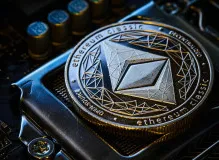 Productivity
 Productivity