For over long years, we have diligently conducted independent research and product testing. When you make a purchase through our links, we may earn a commission.
Develop Your Own NFT Marketplace

Created: 1 month ago
15 min Read
Develop Your Own NFT Marketplace
Start your journey to success with our expert guide on how to develop your own NFT marketplace. Take control of your future and capitalize on the booming NFT market. Discover the secrets to building a profitable platform today!
Introduction to NFTs and Marketplace Development
🎨 What are NFTs? 🎨
NFTs, or non-fungible tokens, have taken the digital world by storm. They are unique digital assets that can represent ownership or proof of authenticity for a digital item, such as artwork, collectibles, music, videos, and more. Unlike cryptocurrencies like Bitcoin or Ethereum, which are fungible and can be exchanged on a one-to-one basis, NFTs cannot be replicated or exchanged at an equal value. Each NFT is distinct and holds its own value.
🏪 The Rise of NFT Marketplaces 🏪
With the growing popularity of NFTs, it's no surprise that NFT marketplaces have emerged as the go-to platforms for buying, selling, and trading these digital assets. These marketplaces facilitate the exchange of NFTs, connecting creators with collectors and enthusiasts. As the demand for NFTs continues to soar, developing your own NFT marketplace can be a lucrative business opportunity.
💡 Why Choose a White Label NFT Marketplace Development Solution? 💡
When it comes to launching your own NFT marketplace, you have two options: building from scratch or opting for a white label solution. Developing a marketplace from scratch can be time-consuming, costly, and requires technical expertise. However, with a white label NFT marketplace development solution, you can save time, money, and resources by leveraging an existing platform that can be customized to suit your specific needs.
🚀 Advantages of White Label NFT Marketplace Development 🚀
-
Quick Time-to-Market: With a white label solution, you can launch your NFT marketplace faster compared to starting from scratch. This allows you to seize the opportunity and enter the market swiftly.
-
Customization: White label solutions provide flexibility and customization options, allowing you to brand your marketplace uniquely. You can add your logo, choose color schemes, and tailor the user experience to align with your vision.
-
Cost-Effectiveness: Developing a marketplace from scratch requires significant investment in terms of time, resources, and development costs. A white label solution offers a cost-effective alternative, saving you money on development and maintenance.
-
Technical Support: White label solution providers offer ongoing technical support and maintenance, ensuring smooth operation of your marketplace. This frees you up to focus on marketing, user acquisition, and growing your NFT community.
🤝 Finding the Right White Label NFT Marketplace Development Partner 🤝
When selecting a white label NFT marketplace development partner, consider their experience, reputation, and track record. Look for a provider that offers a robust and scalable platform, responsive customer support, and a comprehensive set of features. It's essential to choose a partner who understands your business goals and can deliver a solution that meets your requirements.
✨ Conclusion ✨
The NFT market is booming, and developing your own NFT marketplace can be a rewarding venture. By opting for a white label NFT marketplace development solution, you can save time, money, and hassle while still customizing your platform to reflect your brand. Capitalize on the growing demand for NFTs and take your place in this exciting digital market today!
When it comes to NFT marketplace development services, understanding the basics of NFT marketplace architecture is crucial. This knowledge will help you create a robust and efficient platform that can handle the demands of the growing NFT market.
🏗️ Building Blocks of NFT Marketplace Architecture 🏗️
-
Smart Contracts: At the heart of any NFT marketplace is the smart contract. Smart contracts are self-executing contracts with the terms of the agreement directly written into code. They ensure transparency, security, and trust in the NFT ecosystem by automating the ownership and transfer of digital assets.
-
Blockchain: NFTs are typically created, stored, and traded on a blockchain network, such as Ethereum. The blockchain acts as a decentralized ledger, recording and verifying every transaction made on the marketplace. The choice of blockchain will impact factors like transaction speed, cost, and scalability.
-
User Interface: The user interface (UI) is the front-end of the NFT marketplace, where users interact with the platform. It should be intuitive, visually appealing, and responsive to provide a seamless user experience. The UI allows users to browse, search, buy, sell, and manage their NFTs.
-
Wallet Integration: Wallet integration is crucial for users to securely store, receive, and send their NFTs. It enables seamless transactions on the marketplace, as users can connect their digital wallets to the platform and easily manage their assets. Wallet integration also ensures the security of users' private keys.
-
Search and Discovery: NFT marketplaces often feature search and discovery functionalities to help users find the NFTs they are interested in. These features can include filters based on categories, artists, prices, and more. Effective search and discovery mechanisms enhance user engagement and boost sales.
💡 Key Considerations for NFT Marketplace Development 💡
-
Scalability: As NFT marketplaces grow in popularity, they need to handle increased traffic and transactions. Ensuring scalability is crucial to accommodate the growing number of users and NFT assets on the platform.
-
Security: Due to the value and uniqueness of NFTs, security is of utmost importance. Implementing robust security measures, such as encryption, multi-factor authentication, and secure smart contracts, helps protect users and their digital assets.
-
Liquidity and Secondary Sales: NFT marketplaces should facilitate secondary sales, allowing users to resell their NFTs. Providing liquidity options, such as instant buy/sell functionality or integration with decentralized exchanges, enhances the marketplace's attractiveness to buyers and investors.
-
Community and Social Features: Incorporating community and social features, such as user profiles, comments, likes, and social sharing, fosters engagement and interaction among users. Building a vibrant community around your NFT marketplace can significantly contribute to its success.
-
Support and Maintenance: Ongoing support and maintenance are vital to ensure the smooth operation of the marketplace. Regular updates, bug fixes, and responsive customer support help address user issues and maintain a positive user experience.
🚀 Conclusion 🚀
NFT marketplace development services require a solid understanding of the key elements of NFT marketplace architecture. By considering factors such as smart contracts, blockchain integration, user interface, wallet integration, and search functionalities, you can create a robust and user-friendly platform. Remember to prioritize scalability, security, community features, and ongoing
When it comes to setting up the infrastructure for your NFT marketplace, partnering with a reliable and experienced NFT marketplace development company can make all the difference. A reputable development company will have the expertise and resources to build a robust, secure, and scalable platform for your NFT marketplace. They will guide you through the entire development process, from planning and designing to implementation and maintenance.
One of the key advantages of working with a dedicated NFT marketplace development company is their in-depth knowledge of the blockchain technology and smart contract development. They will help you choose the most suitable blockchain platform, such as Ethereum, that aligns with your specific requirements. Moreover, they will handle the creation and deployment of smart contracts that underpin the authenticity and ownership of the NFTs traded on your marketplace.
In addition to blockchain and smart contract expertise, a NFT marketplace development company will also provide you with a comprehensive set of features tailored to your marketplace needs. These features may include user authentication and authorization, intuitive user interface, seamless wallet integration, search and discovery functionalities, transaction management, and more. Their goal is to create a user-friendly and engaging platform that attracts both artists and collectors.
Furthermore, a NFT marketplace development company will ensure that your marketplace is built with scalability and security in mind. As your NFT marketplace grows, it should be able to accommodate an increasing number of users, transactions, and NFT assets without compromising performance. The development company will implement strategies and technologies to optimize scalability and ensure smooth operation even during peak usage periods.
When selecting a NFT marketplace development company, it is essential to consider their track record, reputation, and client testimonials. Look for a company that has successfully delivered similar projects and has a portfolio that showcases their expertise. A reliable development company will provide ongoing technical support and maintenance services to keep your marketplace running smoothly.
In conclusion, partnering with a reputable NFT marketplace development company is crucial to setting up the infrastructure for your NFT marketplace. Their expertise in blockchain technology, smart contract development, and user-friendly design will ensure the success of your platform. By entrusting your project to a reliable development company, you can focus on building your brand, attracting artists and collectors, and capitalizing on the booming NFT market.
When it comes to developing your own NFT marketplace, choosing the right blockchain platform is a critical decision. The blockchain you select will determine the functionality, scalability, and security of your marketplace. In this section, we will explore some popular blockchains used for NFT marketplace development and discuss their key features and considerations.
-
Ethereum:
Ethereum is the most widely used blockchain for NFT marketplaces. It offers a robust smart contract functionality that allows for the creation and management of NFTs. Ethereum's vast developer community and ecosystem make it an attractive choice for marketplace development. However, it is important to note that Ethereum's scalability and transaction costs can be a challenge, especially during periods of high demand. -
Binance Smart Chain (BSC):
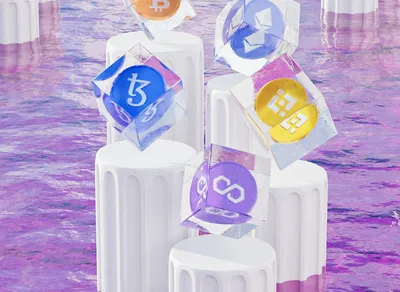
Binance Smart Chain is gaining popularity as an alternative to Ethereum. It offers faster transaction speeds and lower fees, making it an appealing option for developers looking for scalability and cost-effectiveness. BSC is compatible with the Ethereum Virtual Machine, making it easier to migrate an existing Ethereum-based NFT marketplace to BSC. -
Flow:
Flow is a blockchain specifically designed for NFTs and decentralized applications (DApps). It boasts high transaction throughput, low fees, and a developer-friendly environment. Flow's unique architecture separates computation and storage, allowing for efficient scaling. Flow gained significant attention through its partnership with NBA Top Shot, a highly successful NFT marketplace for basketball collectibles. -
Polygon (formerly Matic):
Polygon is a layer 2 scaling solution for Ethereum. It enables fast and low-cost transactions by processing transactions off-chain and then securing them on the Ethereum mainnet. By leveraging Polygon, NFT marketplaces can provide users with a seamless experience while enjoying the benefits of Ethereum's security and ecosystem. -
Solana:
Solana is a high-performance blockchain designed for scalability and speed. It offers fast transaction confirmations and low fees, making it suitable for NFT marketplaces that require near-instantaneous transactions. Solana's architecture includes a proof-of-history consensus mechanism, enabling efficient parallel processing of transactions.
When selecting a blockchain for your NFT marketplace, consider the following factors:
-
Scalability: Ensure that the blockchain can handle the expected volume of transactions and users. Look for solutions that offer high throughput and low latency to prevent congestion and delays.
-
Transaction Fees: Consider the cost of transactions on the chosen blockchain. Higher transaction fees can deter users and limit the growth of your marketplace.
-
Community and Ecosystem: Evaluate the developer community and ecosystem surrounding the blockchain. A vibrant and active community can provide support, resources, and opportunities for collaboration.
-
Smart Contract Functionality: Assess the capabilities of the blockchain's smart contract platform. Ensure that it supports the features and functionalities required by your NFT marketplace.
In conclusion, choosing the right blockchain for your NFT marketplace development is crucial for its success. Consider factors like scalability, transaction fees, community support, and smart contract functionality when making your decision. By selecting the blockchain that aligns with your marketplace goals and requirements, you can build a robust and user-friendly platform that attracts artists, collectors, and enthusiasts to participate in the exciting world of NFTs.
When it comes to creating a user-friendly interface for your NFT marketplace, there are several important considerations to keep in mind. Your goal is to provide a seamless and intuitive experience for both artists and collectors, making it easy for them to navigate, explore, and transact on your platform. Here are some key tips to help you design an interface that engages users and drives conversions.
-
Simplicity and Clarity: Keep your interface design clean and uncluttered, focusing on simplicity and clarity. Avoid overwhelming users with too much information or complicated layouts. Use a clear and easy-to-read font, and ensure that the hierarchy of information is well-organized, guiding users through the different sections of your marketplace.
-
Responsive Design: Your NFT marketplace should be accessible across different devices and screen sizes. Implement a responsive design that adapts to mobile, tablet, and desktop screens. This will ensure that users can access and use your platform seamlessly, regardless of the device they are using.
-
Intuitive Navigation: Make it easy for users to navigate your NFT marketplace by providing clear and intuitive navigation menus. Use descriptive labels and categories that are easy to understand. Consider including search functionality to enable users to quickly find specific NFTs or artists they are interested in.
-
Visual Appeal: Visual aesthetics play a crucial role in attracting and engaging users. Utilize high-quality images and visuals that showcase the NFTs on your marketplace. Pay attention to color schemes and typography that align with your branding and create a visually cohesive experience.
-
Simplified Registration and Onboarding: The registration and onboarding process should be streamlined and user-friendly. Minimize the number of steps required for registration, and consider allowing users to sign up using their social media accounts for added convenience. Provide clear instructions and tooltips to guide users through the onboarding process.
-
Clear Call-to-Action: Make it crystal clear for users what actions they can take on your NFT marketplace. Use prominent and visually appealing buttons or icons to indicate actions such as buying, selling, or bidding on NFTs. Ensure that the call-to-action elements are easily distinguishable and clickable.
-
Engaging Artist Profiles: For artists on your marketplace, create engaging and customizable artist profiles. Allow them to showcase their artworks, provide information about their creations, and connect with their followers. Provide social sharing options to enable artists to promote their NFTs and attract more collectors.
-
Transparency and Trust: Build transparency and trust within your interface by providing clear information about the authenticity and ownership of NFTs. Include details such as the creator's name, creation date, and any verifications or certifications. Incorporate user reviews and ratings to help users make informed decisions when buying or bidding on NFTs.
-
Help and Support: It's essential to provide users with accessible help and support options. Include a comprehensive FAQ section that addresses common queries and concerns. Offer live chat support for real-time assistance and consider implementing a ticketing system for more complex issues.
-
Regular Updates and Iterations: Lastly, remember that user preferences and expectations can evolve over time. Stay proactive by analyzing user feedback, monitoring user behavior, and implementing regular updates and iterations to continually improve the user experience on your NFT marketplace.
In conclusion, designing a user-friendly interface for your NFT marketplace is crucial for attracting and retaining users. By prioritizing simplicity, responsiveness, intuitive
When it comes to developing your own NFT marketplace, one of the key components to consider is the implementation of smart contracts. Smart contracts are self-executing agreements that run on the blockchain, ensuring the transparent and secure transfer of digital assets, in this case, NFTs. Let's explore the importance of smart contracts in NFT transactions and how to effectively implement them in your marketplace development process.
📚 Understanding Smart Contracts 📝
Smart contracts are programmable scripts executed on the blockchain that automate the transfer of digital assets. In the context of NFT marketplaces, smart contracts play a vital role in overseeing the creation, ownership, and transactions of NFTs. They act as the digital glue that ensures the authenticity, traceability, and security of each NFT.
✨ Benefits of Smart Contracts 💼
Implementing smart contracts in your NFT marketplace offers numerous benefits:
-
Trust and Transparency: Smart contracts eliminate the need for intermediaries, such as third-party platforms or escrow services, by automating the transaction process. This ensures that the transfer of NFTs occurs securely and transparently, without relying on a centralized authority.
-
Immutable Ownership: Once an NFT transaction is recorded on the blockchain via a smart contract, it becomes part of an immutable and verifiable public ledger. This provides a clear record of ownership history, ensuring that each NFT is unique and indivisible.
-
Tamper-Proofness: Smart contracts are digitally signed and encrypted on the blockchain, making them virtually impossible to alter or tamper with. This enhances the security of NFT transactions and protects artists and collectors from fraud or unauthorized changes.
-
Automated Royalties and Secondary Sales: Smart contracts can include royalty mechanisms that automatically allocate a percentage of the proceeds to the original creator of the NFT whenever it is sold or resold on the marketplace. This ensures that artists receive proper compensation for their work, even in secondary market transactions.
-
Efficiency and Cost Savings: By automating the transfer of NFTs through smart contracts, you can reduce the need for manual processes, paperwork, and intermediaries. This improves efficiency and reduces transaction costs, benefiting both the platform operator and its users.
🏗️ Implementing Smart Contracts in Your NFT Marketplace 🔒
To implement smart contracts effectively in your NFT marketplace, consider the following steps:
-
Choose the Right Blockchain Platform: Select a blockchain platform that supports smart contract functionality, such as Ethereum, Binance Smart Chain, or Flow. Each platform has its own programming language, such as Solidity or Cadence, which you'll need to familiarize yourself with to develop smart contracts.
-
Define the Smart Contract Logic: Identify the specific functionalities and requirements you want your smart contracts to fulfill. This could include minting new NFTs, transferring ownership, implementing royalties, or handling auction mechanisms. Outline the logic and rules for each function, ensuring they align with your marketplace's objectives.
-
Code and Test the Smart Contracts: Hire experienced blockchain developers or a reputable NFT marketplace development company to write the code for your smart contracts. Thoroughly test the contracts using testnets or simulated environments to identify and fix any potential bugs or vulnerabilities.
-
Deploy the Smart Contracts: Once you're confident in the functionality and security of your smart contracts, deploy them on the chosen blockchain platform. This
Content You May Be Interested In
 Productivity

 Productivity


 Productivity

 Productivity

 Productivity
 Productivity